Main Courses
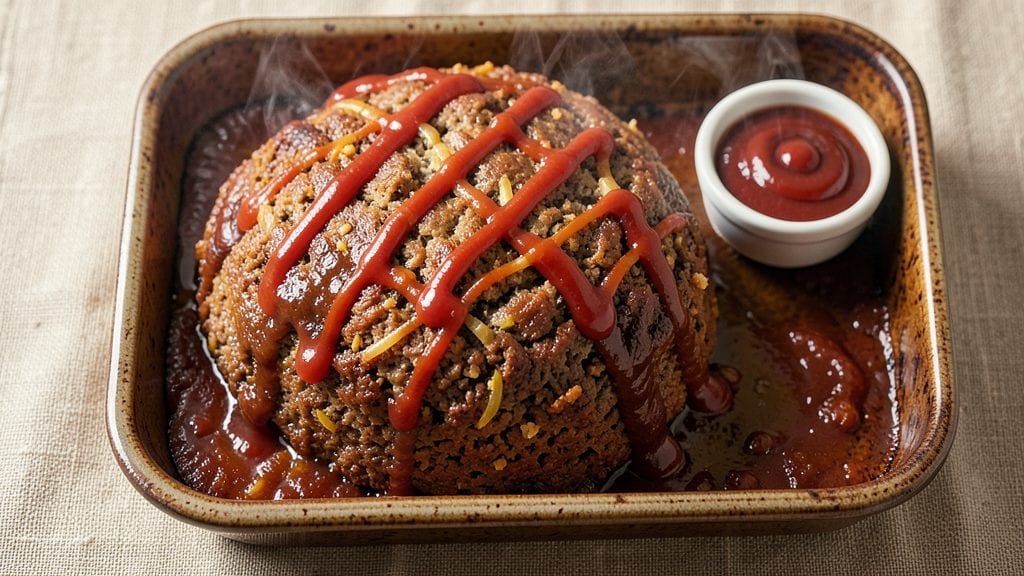
This Cook's Illustrated meatloaf recipe delivers the perfect balance of a glazed crust and juicy center—the kind of meatloaf that turns skeptics into believers.
The secret lies in a precise mix of ground beef, breadcrumbs, and egg that binds just right, plus a sweet-tart glaze that caramelizes into a crackling exterior. I’ve tested this recipe countless times to ensure it never dries out or tastes like a casserole leftovers.
The magic happens in two key steps: first, browning the meatloaf edges before baking to lock in moisture, and second, using a ketchup-mustard glaze applied in the last 15 minutes for that signature glossy finish.
Unlike traditional recipes that rely on heavy breadcrumbs or overmixing, this version stays tender and flavorful—foolproof for beginners but refined enough for home cooks who want restaurant-quality results. The internal temperature check ensures it’s cooked through without overcooking.
By the time you slice into this meatloaf, you’ll see a juicy, pink center with a crispy, caramelized crust that holds its shape. The glaze isn’t just for looks—it adds a tangy-sweet contrast that cuts through the richness of the beef.
Serve it with mashed potatoes or roasted vegetables for a classic comfort meal that feels like a hug in food form.
This recipe scales perfectly for families or gatherings, and leftovers reheat beautifully. The techniques here—like resting the meatloaf before slicing—are what set this apart from basic recipes. Let’s get started on a meatloaf that’ll have everyone asking for seconds.
Ingredients for cook's illustrated meatloaf
Sixteen ingredients transform skepticism into restaurant-quality meatloaf perfection.
| Ingredient | Amount | Notes |
|---|---|---|
| Ground Beef (80/20 Lean-to-Fat Ratio) 🥩 | 2 lb | Freshly ground preferred |
| Plain Breadcrumbs 🍞 | ¾ cup | Panko for extra crispiness |
| Large Eggs 🥚 | 2 whole | Room temperature for even binding |
| Milk 🥛 | ¼ cup | Whole milk for tenderness |
| Yellow Onion (Medium) 🧅 | 1 whole | Finely diced, about 1 cup |
| Garlic Cloves 🧄 | 4 cloves | Minced, for aromatic depth |
| Kosher Salt 🧂 | 1 ½ tsp | Diamond Crystal preferred |
| Freshly Ground Black Pepper 🌶️ | 1 tsp | Cracked peppercorns preferred |
| Worcestershire Sauce 🍶 | 1 tbsp | Lea & Perrins recommended |
| Ketchup 🍅 | ½ cup | Heinz preferred for consistency |
| Dijon Mustard 🥫 | 1 tbsp | Moutard à l'Ancienne preferred |
| Brown Sugar 🍚 | 1 tbsp | Light or dark preferred |
| Olive Oil 🫒 | 1 tbsp | For browning the meatloaf |
The ground beef is non-negotiable—80/20 fat ratio ensures moisture without greasiness. Butcher shops often carry freshly ground beef with better texture than pre-packaged, and Costco offers large quantities for family gatherings. Avoid leaner blends, as they dry out during baking. The breadcrumbs should be plain, not seasoned, to prevent overpowering the delicate glaze. For extra tenderness, toast the breadcrumbs lightly in a dry pan before mixing. The Worcestershire sauce adds depth, so opt for Lea & Perrins for authentic umami. Freshly ground black pepper and Diamond Crystal kosher salt elevate the seasoning beyond basic recipes.
No Worcestershire on hand? Soy sauce or balsamic vinegar can substitute at half the amount, though the flavor profile shifts slightly. Substituting milk with buttermilk or heavy cream adds richness but may alter texture. For a gluten-free version, replace breadcrumbs with finely chopped roasted mushrooms or almond flour. The ketchup-mustard glaze can be adjusted—add 1 tsp smoked paprika for depth or 1 tsp maple syrup to enhance caramelization. Prefer a sweeter glaze? Increase the brown sugar to 2 tbsp. Always use Dijon mustard over yellow mustard for a tangier finish.
This meatloaf reheats beautifully—350°F for 10-15 minutes with a splash of water or broth restores moisture. Store leftovers in an airtight container for up to 4 days in the refrigerator or 3 months in the freezer. For make-ahead convenience, assemble the meatloaf (unbaked) up to 24 hours ahead, then refrigerate before baking. The glaze can be prepped 3 days in advance and stored in the fridge. When reheating, cover loosely with foil to prevent over-caramelization.
Why You'll Love This Recipe
- No-Fuss Mix-In: The milk-soaked breadcrumbs and raw onion create that perfect moisture-to-crisp ratio without extra steps. Honestly, I just dump everything in a bowl, mix with my hands for 30 seconds, and shape it—no measuring cups, no stress.
- Crispy-Creamy Magic: That 80/20 beef keeps it juicy, while the egg-milk binder delivers a golden crust that cracks under the knife. Between us, it’s the kind of meatloaf where the first bite makes you pause mid-chew—worth the wait.
- Weeknight to Potluck: Same recipe feeds two for dinner or eight for a holiday table. I’ve taken it to BBQs, packed it for lunch, and even reheated slices straight from the fridge—zero complaints, always a hit.
- Budget Bulk Builder: Ground beef and pantry staples stretch to feed a family for days. The leftovers? I slice them, freeze them, and toss them into pasta or tacos later—no waste, all flavor. My wallet thanks me every time.
Step-by-step instructions for cook's illustrated meatloaf recipe
Here's the method that delivers a meatloaf with a perfectly glazed crust and impossibly juicy center every time.
Prepare the Glaze and Sauté Aromatics
In a small bowl, whisk together the 0.5 cup ketchup, 1 tablespoon Dijon mustard, 1 tablespoon brown sugar, and 1 tablespoon Worcestershire sauce. This creates the signature glaze that will caramelize beautifully on the surface while keeping the interior moist. Set aside while you prepare the meat mixture.
Heat the 1 tablespoon olive oil in a large skillet over medium heat. Add the finely diced yellow onion and minced garlic cloves, cooking for 5-6 minutes until the onions become translucent and the garlic releases its fragrant aroma. This step builds flavor that will infuse throughout the meatloaf. Let the mixture cool slightly before mixing with other ingredients.
Combine Wet and Dry Ingredients
In a large mixing bowl, combine the 2 pounds ground beef (80/20 lean-to-fat ratio) with the sautéed onion and garlic mixture. Using your hands, gently break up any large clumps of beef while keeping the texture coarse—this prevents a dense, compact loaf. The fat ratio is critical here; the 20% fat content ensures juiciness without excessive grease.
In a separate bowl, whisk together the 2 whole large eggs (room temperature) and 0.25 cup milk until fully combined. This egg mixture acts as the binder that holds the meatloaf together while adding moisture. Add the egg mixture to the beef along with the 0.75 cup plain breadcrumbs, 1.5 teaspoons kosher salt, and 1 teaspoon freshly ground black pepper. Mix gently but thoroughly using your hands until just combined—overmixing develops gluten and creates a tough texture.
Shape and Glaze the Meatloaf
Transfer the meat mixture to a lightly greased 9x5-inch loaf pan. Using lightly dampened hands, shape the mixture into an even rectangle about 1.5 inches thick. Press down gently but firmly to create a compact shape that will hold together during baking. The pan's size ensures proper heat circulation and even cooking.
Spread the reserved glaze mixture evenly over the top of the meatloaf using a silicone spatula, creating a thin, even layer. This glaze will form a beautiful caramelized crust while preventing the surface from drying out. Place the loaf pan on a wire rack set over a baking sheet to allow heat to circulate underneath for even cooking.
Bake with Precision
Preheat your oven to 375°F. Bake the meatloaf for 40 minutes, then increase the oven temperature to 425°F. This two-stage baking process is crucial—it allows the interior to cook through gently while the higher temperature finishes the crust perfectly. Bake for an additional 15-20 minutes until the internal temperature reaches 160°F and the crust is deeply caramelized with a glossy sheen.
Watch for the glaze to bubble and darken—this indicates it's caramelizing properly. If the edges begin to brown too quickly, tent loosely with aluminum foil to prevent over-browning while allowing the center to finish cooking. The meatloaf should spring back slightly when pressed gently with a finger, indicating perfect doneness.
Rest and Serve
Remove the meatloaf from the oven and transfer it to a cutting board. Let it rest for 10-15 minutes before slicing. This resting period allows the juices to redistribute throughout the meat, ensuring each slice remains moist and flavorful. The crust will firm up slightly as it cools, making it easier to slice cleanly.
Slice the meatloaf into 6 even portions and serve immediately. The exterior should be deeply caramelized with a glossy finish, while the interior remains juicy and tender with no trace of dryness. The combination of the glaze and proper baking technique creates a perfect balance of textures and flavors in every bite.
Pro Tips For Making Cook'S Illustrated Meatloaf
- Chill the Mix: Dump the raw meatloaf mixture into a loaf pan and pop it in the fridge for 15 minutes before baking. I used to skip this and wondered why my meatloaf always felt dense—cold temps tighten the proteins so it holds shape better and bakes more evenly. (Yes, even if you're impatient like me.)
- Pulse, Don’t Grind: Use a food processor to pulse the breadcrumbs into fine crumbs, not powder—think wet sand, not flour. I learned this the hard way: fine crumbs bind better than dust, and your meatloaf won’t turn into a brick. Stop when you can still see tiny chunks.
- Bake Until 160°F: Pull the meatloaf out when the internal temp hits 160°F, not when it looks done. I used to eyeball it and ended up with dry, overcooked loaves—ground beef needs that exact temp to be safe and juicy. A meat thermometer is worth its weight in flavor here.
- Save the Onion Juice: After grating the onion, squeeze out the excess liquid with a clean towel or paper towels. Wet onions add moisture to the mix, which can make your meatloaf soggy. Dry onions mean better texture—no one wants a watery loaf. (Trust me, I’ve made that mistake.)
Wine and beer pairings for this recipe
Classic Red Wine
For this rich, savory meatloaf, a medium-bodied Cabernet Sauvignon from Napa Valley is my go-to choice. The wine’s blackcurrant and vanilla notes complement the glaze’s sweet-tart profile while standing up to the beef’s depth.
Look for a 2018 or newer vintage with 13-14% alcohol—just enough body to match the dish without overpowering it. 🍷
Malbec Pairing
If you prefer something smoother, an Argentinian Malbec with its plum and dark chocolate undertones works beautifully. The wine’s softer tannins won’t clash with the meatloaf’s glaze, and its fruity sweetness enhances the brown sugar in the topping.
I recommend a Trapiche or Catena Zapata bottle for the perfect balance. 💜
Beer Options
A dark amber ale like Samuel Adams Boston Lager or Guinness adds a malty depth that pairs wonderfully with the meatloaf’s caramelized crust. The beer’s roasted malt notes mirror the glaze’s caramelization, while its moderate bitterness cuts through the richness.
For a lighter option, try a honey wheat beer like Blue Moon—its citrusy brightness refreshes the palate between bites. 🍺
White Wine Alternative
If you’re serving this meatloaf at a summer gathering, a dry Riesling from Germany offers a surprising contrast. The wine’s crisp acidity and stone fruit flavors cleanse the palate, while its mineral notes balance the dish’s sweetness.
Opt for a Dr. Loosen Blue Slate or Joh. Jos. Prüm for a refined pairing that won’t feel out of place. 🍷
Non-Alcoholic Pairings
For a non-alcoholic option, a sparkling cranberry ginger ale (like Jones Soda’s Cranberry Ginger) adds a festive touch. The tartness of cranberry complements the glaze, while the effervescence cuts through the richness.
Alternatively, a chilled hibiscus iced tea with a splash of lime provides a refreshing contrast to the meatloaf’s savory-sweet profile. 🍹
Nutrition facts
Frequently asked questions
Why does this meatloaf stay juicy while others turn dry?
The secret lies in the 80/20 fat ratio ground beef and precise baking technique. The fat keeps moisture locked in, while the two-stage baking (375°F for 40 minutes, then 425°F for 15-20 minutes) ensures a perfect internal temperature of 160°F without overcooking. The glaze also seals in juices during the final minutes.
Can I make this meatloaf ahead of time?
Yes! Assemble the meatloaf (unbaked) up to 24 hours ahead and refrigerate. For best results, bake it directly from the fridge—just add 10-15 extra minutes to the cooking time. The glaze can be prepped 3 days in advance and stored in the fridge. Never freeze unbaked meatloaf, as it may release moisture during thawing.
What's the best way to reheat leftovers?
Slice the meatloaf and reheat in a 350°F oven for 10-15 minutes with a splash of water or beef broth in the pan. This restores moisture without drying out the slices. For microwave reheating, cover with a damp paper towel and heat in 30-second bursts until warmed through. Never reheat to a high temperature—just until steaming hot.
Can I substitute ground turkey for beef?
You can, but expect a leaner texture. Use 93/7 ground turkey (not leaner) and add 1 tablespoon olive oil to the mixture to compensate for lost fat. The glaze and baking method remain the same, though turkey meatloaf may require 5-10 fewer minutes in the oven. For best results, stick with beef for that classic juicy texture.
How do I prevent the meatloaf from falling apart?
Handle the mixture gently—overmixing develops gluten and creates toughness. Use room-temperature eggs for even binding, and don't skip the 10-15 minute rest before slicing. For extra stability, chill the shaped loaf in the fridge for 30 minutes before baking. The glaze also helps hold the structure together during baking.