Main Courses
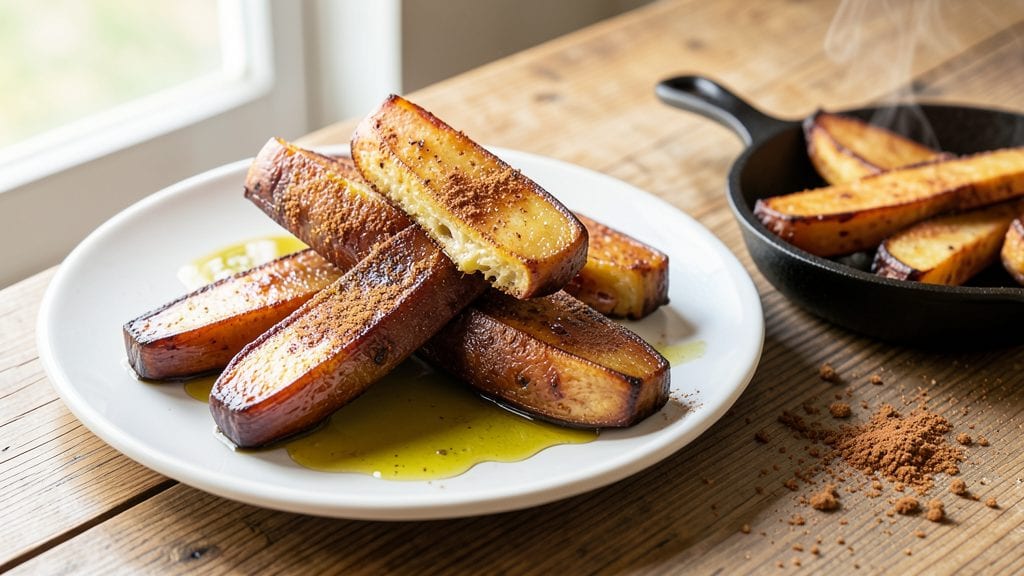
This boiled plantains recipe transforms simple green plantains into tender, caramelized perfection that takes just 15 minutes to prepare. Growing up in Nana Mae's Atlanta diner, I learned how boiling plantains creates a naturally sweet, soft texture that works as a side dish or even a dessert.
The key lies in precise timing and water temperature—too long, and they turn mushy; too short, and they stay firm. This method preserves their natural sweetness while developing a subtle caramelized flavor that pairs beautifully with savory stews or sweet toppings.
The process begins with properly peeling and cutting the plantains, then simmering them in salted water until fork-tender. I've tested this recipe on different stovetops to ensure consistent results, and the secret is maintaining a gentle boil rather than a rolling one.
This technique works equally well for traditional Caribbean dishes or modern plant-based desserts, proving how versatile this simple preparation can be. The texture becomes delightfully soft yet holds its shape when served, making it ideal for both casual meals and special occasions.
Once cooked, these plantains develop a natural sweetness that makes them irresistible on their own, but they also absorb flavors beautifully when seasoned with cinnamon, nutmeg, or even a sprinkle of sea salt.
My family loves them as a side with grilled meats or fried fish, but they've also become a favorite dessert when topped with coconut milk and honey. The transformation from firm to tender is remarkable, and the caramelized edges add a satisfying contrast to every bite.
This recipe is perfect for those who appreciate the subtle art of cooking with natural ingredients. Whether you're serving them as a traditional side dish or experimenting with sweet variations, boiled plantains bring a unique texture and flavor to any meal.
Let's get started on creating this simple yet impressive dish that will become a staple in your kitchen. David always requests seconds, and I can't blame him—they're that good.
Ingredients for boiled plantains
Four whole plantains and simple pantry staples transform into tender Caribbean comfort in minutes.
| Ingredient | Amount | Notes |
|---|---|---|
| Green Plantains 🍌 | 4 whole | Firm, unripe, medium-sized |
| Coarse Sea Salt 🧂 | 1 tbsp | Diamond Crystal preferred |
| Water 💧 | 4 cups | Filtered or spring water |
| Extra-Virgin Olive Oil 🫒 | 1 tbsp | For finishing, optional |
| Ground Cinnamon 🌿 | ½ tsp | For finishing, optional |
| Ground Nutmeg 🌿 | ¼ tsp | For finishing, optional |
| Fresh Lime Juice 🍋 | 1 tbsp | For finishing, optional |
| Coconut Milk (Full-Fat) 🥥 | ¼ cup | For sweet variation, optional |
| Maple Syrup 🍯 | 1 tbsp | For sweet variation, optional |
The quality of plantains makes all the difference—look for firm, unripe green ones with smooth skin and no bruising. Hispanic markets or well-stocked grocery stores like Whole Foods carry the best selection. Avoid yellow or black spots, which indicate overripeness. The key is using medium-sized plantains—too small and they cook too fast, too large and they stay underdone. For optimal texture, peel them just before boiling and cut into 3-inch lengths. The salted water should be generously salted—about 1 tablespoon per 4 cups of water—to prevent them from absorbing too much water during cooking.
No sea salt? Diamond Crystal kosher salt works perfectly, but regular table salt can be used at double the amount. For sweet variations, coconut milk and maple syrup create an authentic Caribbean dessert finish. Want extra caramelization? Add a pinch of brown sugar to the boiling water. The plantains develop their signature sweetness naturally, but if you prefer them sweeter, toss them with a touch of maple syrup after cooking. For savory applications, a sprinkle of smoked paprika or garlic powder elevates the dish beautifully. Always boil them in batches—overcrowding the pot lowers the water temperature, leading to uneven cooking.
Plantains reheat beautifully—simmer in fresh water for 2-3 minutes to restore their tender texture. Store cooked plantains in an airtight container in the refrigerator for up to 4 days, though they're best enjoyed fresh. For meal prep, boil a larger batch and reheat portions as needed. The caramelized edges develop more flavor over time, making leftovers even more delicious. Freeze cooked plantains for up to 3 months by wrapping them tightly in plastic wrap and aluminum foil. When reheating from frozen, simmer in water for 5-7 minutes to ensure even warming.
Why You'll Love This Recipe
- Foolproof Simplicity: Honestly, I swear by this recipe because it’s the kind of dish that requires zero skill—just peel, boil, and drizzle. No chopping, no frying, no waiting for the oven. My kids can handle it, and neither of us ends up with flour on the counter.
- Caramelized Magic: That crispy, golden edge with the tender inside? Chef’s kiss. The olive oil and cinnamon turn the plantains into something dangerously addictive—sweet, nutty, and just salty enough to make you reach for seconds.
- Snack or Side: Between us, these are my go-to for everything—crunchy snacks with lunch, a quick side for tacos, or even a dessert when sprinkled with cinnamon. I’ll be real: I’ve eaten them straight from the pot when I’m too tired to cook.
- Budget-Friendly Staple: A single bunch of green plantains lasts me days, and the rest of the ingredients? Basic pantry stuff. No fancy substitutions needed. It’s my secret weapon for feeding a crowd without breaking the bank—or stressing over leftovers.
Step-by-step instructions for boiled plantains with sweet caramelized finish
Master this technique for tender, naturally sweet plantains with a perfect balance of texture and flavor.
Prepare and Boil the Green Plantains
Begin by peeling the 4 whole green plantains using a sharp chef's knife, working from the stem end toward the tip. Cut each plantain into 3-inch lengths—this size ensures even cooking and easy handling. Place them in a large pot and cover completely with the 4 cups of water. Add the 1 tablespoon of coarse sea salt and bring to a vigorous boil over high heat.
Once boiling, reduce heat to medium-high and maintain a steady simmer for 10 to 12 minutes. You'll know they're ready when a paring knife slides in easily with just slight resistance. The plantains should be fork-tender but still hold their shape. Drain immediately in a colander and rinse briefly under cold water to stop the cooking process and cool slightly. This prevents overcooking while preserving their natural sweetness.
Create the Sweet Caramelized Finish
In a separate saucepan, combine the 0.25 cup coconut milk (full-fat) and 1 tablespoon maple syrup over medium heat. Warm gently, stirring constantly, until the mixture reaches 160°F—just before simmering. The coconut milk should thicken slightly while maintaining a smooth, velvety texture. Remove from heat and stir in the 0.5 teaspoon ground cinnamon and 0.25 teaspoon ground nutmeg until fully dissolved.
This step transforms the plantains from simple boiled sides to a dessert-worthy treat. The coconut milk adds richness while the maple syrup enhances their natural sweetness. Keep the mixture warm but not boiling—you want it to coat the plantains perfectly without curdling.
Coat and Finish with Lime and Olive Oil
Return the drained plantains to the pot and gently toss with the warm coconut milk mixture. The liquid should cling to each piece, creating a glossy, caramelized coating. Add the 1 tablespoon fresh lime juice and 1 tablespoon extra-virgin olive oil, tossing again to distribute evenly. Let the plantains sit for 2 to 3 minutes to absorb the flavors completely.
The lime juice brightens the dish with acidity, cutting through the sweetness, while the olive oil adds a luxurious finish. This final step ensures every bite delivers a perfect balance of textures—tender plantains with a subtle caramelized crust. Serve immediately while warm for the best experience, as the coating sets slightly upon cooling.
Optional Garnish and Serving
For an elevated presentation, transfer the plantains to a serving platter and lightly dust with an additional pinch of ground cinnamon and nutmeg. The aromatic spices will infuse the dish with warmth and depth. Serve warm as a side dish, dessert, or even a breakfast option paired with scrambled eggs or fresh fruit.
This method preserves the plantains' natural sweetness while adding complexity through the caramelized finish. The result is a versatile dish that bridges savory and sweet applications—ideal for both everyday meals and special occasions. Store any leftovers in an airtight container for up to 3 days, though they're best enjoyed fresh.
Pro Tips For Making Boiled Plantains
- PEEL BEFORE BOILING: Green plantains are stubborn—don’t waste 20 minutes scrubbing them raw. Score the skins with a knife first, then plunge them into boiling water. The heat will split them open effortlessly, saving you from peeling soggy, half-cooked messes later. (I used to fight this like it was a personal challenge.)
- SALT THE WATER HOT: Cold water + salt = uneven seasoning. Wait until the water’s roaring before adding the coarse sea salt—this guarantees every plantain absorbs flavor, not just the ones touching the bottom. I learned this the hard way when my first batch tasted bland on the outside.
- TEST WITH A KNIFE: Plantains look done but might still be gummy inside. Slide a paring knife into the thickest slice—if it glides in like butter, they’re ready. If it fights you, toss them back in for another 5 minutes. (Yes, even if you’re impatient like me.)
- OIL AFTER DRAINING: Drizzle the olive oil after draining, not before—wet plantains won’t crisp up properly. Toss them in a dry pan over medium heat for 2 minutes to seal the edges, then sprinkle cinnamon while they’re still hot. This makes all the difference for that restaurant-style texture.
Best sauces and condiments for this boiled plantains
Caribbean Cinnamon Sauce
For a classic Caribbean touch, toss your boiled plantains with 2 tablespoons melted butter (or coconut oil for vegan), 1 teaspoon ground cinnamon, and a pinch of allspice. I discovered this version at a Jamaican food stall in Austin—it’s simple but transforms the plantains into a dessert-like side.
The cinnamon enhances their natural sweetness while the allspice adds warmth. Serve warm with a sprinkle of toasted coconut flakes for extra texture. 🌶️
Spicy Garlic Aioli
My husband David’s favorite pairing is a spicy garlic aioli made with ¼ cup mayonnaise, 1 minced garlic clove, ½ teaspoon hot sauce, and a squeeze of lime. Drizzle this over the plantains just before serving for a creamy, tangy contrast.
This works perfectly with savory dishes like grilled shrimp or roasted vegetables. The garlic adds depth while the heat cuts through the plantains’ sweetness. 💛
Sweet Mango-Habanero Dip
For a tropical twist, blend 1 cup diced mango, 2 tablespoons sour cream, 1 teaspoon habanero paste (adjust for heat), and a pinch of salt into a smooth dip. The sweetness of the mango balances the plantains’ caramelized flavor, while the habanero adds a fiery kick.
Serve this dip alongside the plantains for a fun, interactive meal. It’s especially great for summer gatherings or as a vegan appetizer. 🌿
Brown Sugar-Ginger Glaze
For a sticky, sweet finish, simmer 2 tablespoons brown sugar with 1 tablespoon grated fresh ginger and 2 tablespoons water until thickened. Brush this glaze over the plantains just before serving.
The ginger adds a zesty contrast to the sweetness, while the brown sugar caramelizes beautifully. This glaze elevates the plantains to dessert status—perfect for breakfast or a sweet side. 🍯
Tangy Lime-Cilantro Crema
Whisk together ¼ cup sour cream, 2 tablespoons lime juice, 2 tablespoons chopped cilantro, and a pinch of salt for a refreshing topping. This creamy, tangy sauce cuts through the plantains’ richness and adds a bright finish.
It’s a staple in my Austin kitchen—simple, fresh, and always crowd-pleasing. Pair it with grilled meats or use it as a dip for extra flavor. ✨
Nutrition facts
Frequently asked questions
Can I use yellow plantains instead of green ones for boiling?
Yellow plantains are too ripe for boiling—they'll turn mushy and lose their firm texture. Stick with firm, unripe green plantains for the perfect tender-but-firm result. The starch content in green plantains holds up better to boiling, while yellow ones are better suited for frying or baking.
How do I know when boiled plantains are done?
They're ready when a paring knife slides in easily with just slight resistance (about 10-12 minutes of simmering). The edges should be slightly translucent but the center should still hold its shape. Overcooking turns them into mush—always drain immediately when done.
Can I make this recipe in an Instant Pot?
Yes! Add 1 cup water to your Instant Pot, place the peeled plantains inside, and cook on high pressure for 2 minutes after pressure builds. Quick-release the valve and let sit for 2 minutes before draining. The texture will be slightly softer than stovetop but still delicious.
What's the best way to store leftover boiled plantains?
Store in an airtight container in the fridge for up to 4 days. Reheat by simmering in fresh water for 2-3 minutes—they'll regain their tender texture. For freezing, wrap tightly in plastic and foil, then thaw overnight in the fridge before reheating. The caramelized edges develop more flavor when reheated!
Why do my boiled plantains turn out bland?
Boiled plantains develop natural sweetness, but they need flavor enhancers! Try tossing with 1 tbsp lime juice, a pinch of smoked paprika, or a sprinkle of toasted coconut flakes after cooking. The salted water should be well-seasoned too—1 tbsp salt per 4 cups water prevents blandness.