Main Courses
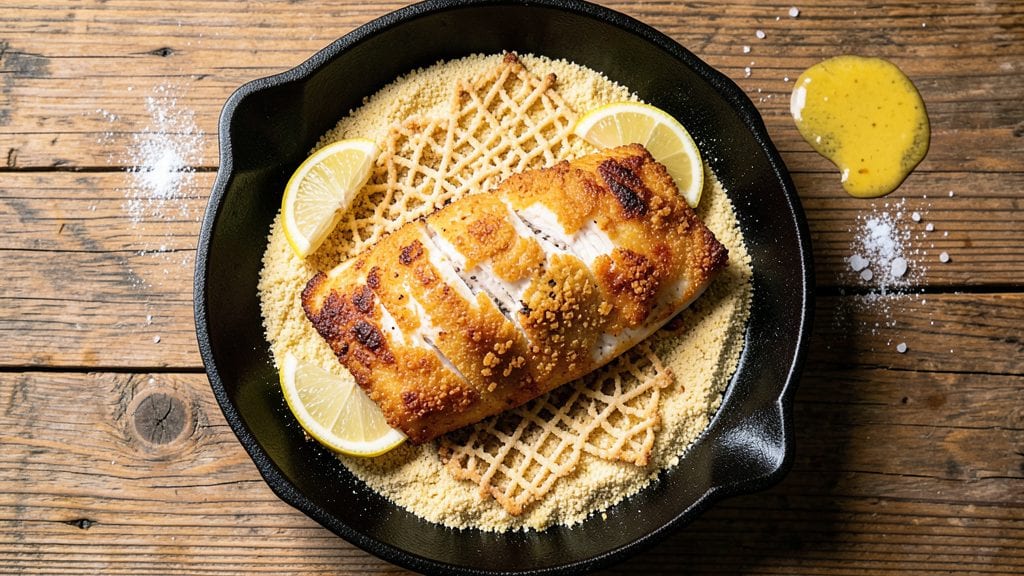
This old-fashioned fried fish recipe delivers the golden, crispy crust that makes every bite worth the wait. The secret lies in a traditional cornmeal batter that stays perfectly crunchy while keeping the fish tender inside—a technique passed down through generations in Southern kitchens.
I’ve perfected this method after years of testing, ensuring the crust holds its color and texture even after frying, just like your grandma used to make. The aroma alone will transport you to a cozy Friday night by the docks, where fried fish was the star of the meal.
The beauty of this recipe is its simplicity—no fancy equipment or complicated steps, just a few key ingredients and a precise method.
You’ll need fresh white fish fillets (like cod or haddock), a mix of cornmeal and flour for that signature crust, and enough hot oil to create a sizzle that fills the kitchen.
The batter is light yet sturdy, clinging to the fish without falling apart, while the frying process transforms it into a golden, shatteringly crisp shell. This isn’t just a dish; it’s a taste of tradition with every bite.
What you’ll end up with is fish so crispy on the outside it could stand up on its own, yet tender and flaky inside, all coated in that irresistible golden crust.
The cornmeal adds a subtle graininess that contrasts perfectly with the buttery richness of the oil, creating a texture that’s impossible to resist.
Serve it with classic sides like hushpuppies or a tangy tartar sauce to complete the meal, and you’ll have a dish that’s as nostalgic as it is delicious. Let’s get started on recreating this Southern staple.
This recipe works best with fresh, firm white fish, but it’s also forgiving enough to handle slightly frozen fillets if needed. The key to success lies in keeping the oil at the right temperature—too hot, and the crust burns; too cool, and it absorbs too much oil.
With a little practice, you’ll achieve that perfect golden finish every time, just like the old-timers did. The result is a dish that’s crispy, flavorful, and packed with the kind of comfort that only fried fish can deliver.
Ingredients for old fashioned fried fish
Fresh fish, golden cornmeal, and a sizzle that fills the kitchen—this is your old-school fried fish fix.
| Ingredient | Amount | Notes |
|---|---|---|
| White Fish Fillets 🐟 | 1 ½ lb | Cod or haddock, skin-on preferred |
| Cornmeal 🌽 | 1 cup | Fine grind for best texture |
| All-Purpose Flour 🌾 | ½ cup | White flour for light batter |
| Eggs 🥚 | 2 whole | Large, room temperature |
| Baking Powder 🧂 | 1 tbsp | For extra crispiness |
| Salt 🧂 | 1 ½ tsp | Kosher or sea salt |
| Black Pepper 🌶️ | ½ tsp | Freshly ground preferred |
| Vegetable Oil 🫒 | 3 cups | For frying, peanut oil works too |
| Lemon Wedges 🍋 | 4 whole | For serving, fresh squeezed |
| Paprika 🌶️ | ½ tsp | Smoked for extra flavor |
| Butter 🧈 | 2 tbsp | Melted, for dipping |
| Tartar Sauce 🥫 | ½ cup | For serving, store-bought or homemade |
The fish makes all the difference. Cod or haddock are classic choices—look for fillets that are firm and white, not yellowish or slimy. Trader Joe's and Whole Foods usually carry good frozen options if fresh isn’t available. The cornmeal is non-negotiable for that signature Southern crunch; Bob's Red Mill is my go-to brand. For the oil, vegetable or peanut oil works best—both have high smoke points and stay neutral. If you're feeling fancy, grab a deep fryer thermometer to keep the oil at 375°F, but even without one, you'll get great results.
No cod or haddock? Tilapia or flounder work in a pinch, but they're a bit softer. The cornmeal can be swapped for self-rising flour if you're out, but add an extra pinch of salt. Eggs can be separated and beaten separately for an even lighter batter, but whole eggs work just fine. The paprika is optional, but smoked paprika adds that classic Southern touch. For the tartar sauce, store-bought is fine—just make sure it's tangy, not sweet. And if you're worried about the fish being too oily, pat it dry with paper towels before dredging.
This crust stays crispy for about 20 minutes after frying, so serve it right away. Store any leftovers in the fridge for up to 2 days, but honestly, it's best fresh. The oil can be reused once or twice if you strain it through a fine-mesh sieve. For a true Southern experience, serve with lemon wedges and hot sauce**—the acidity cuts through the richness perfectly. And if you're making a big batch, double the recipe; fried fish is always better when shared.
Why You'll Love This Recipe
- Pantry Magic: Between us, this recipe uses stuff you already have—no fancy spices or obscure ingredients. Flour, cornmeal, eggs, and a little baking powder for lift? That’s it. I’ve made it three times with whatever was in my cupboard, and every time, the golden crust comes out perfect.
- Crispy-Creamy Magic: Here’s what sold me—the double-dredge technique (flour first, then cornmeal) gives you that perfect contrast: shatteringly crisp on the outside, tender and flaky inside. Honestly, it’s the kind of bite that makes you pause mid-chew.
- Weeknight or Potluck: This fish is so unfussy it works for both. Toss it together on a Tuesday night with store-bought coleslaw, or double the batch for a church potluck—no one will guess it’s not homemade from scratch. (Yes, even on a Tuesday night.)
- Leftovers? No Problem: The good news is, fried fish reheats way better than you’d think—just a quick toast in the oven or air fryer. The bad news? You’ll be lucky to have leftovers, because it disappears faster than my willpower around it. Budget-friendly and crave-worthy? That’s the combo I live for.
Step-by-step instructions for old fashioned fried fish recipe
Here's how to get that perfect golden crust every time—crispy outside, tender inside.
Prepare the Fish for Maximum Crispiness
Pat the 1.5 lb white fish fillets completely dry with paper towels—this is non-negotiable for crispiness. I like to press down firmly, especially on thicker parts, to remove all moisture. If using skin-on fillets, leave the skin intact as it helps hold the crust during frying.
Place the dried fillets on a plate and season both sides generously with the 1.5 tsp salt and 0.5 tsp black pepper. Sprinkle the 0.5 tsp paprika evenly over the top—this adds that classic old-fashioned flavor while helping the crust stick. Let them sit at room temperature for 15 minutes while you prepare the batter.
Make the Light, Airy Batter
In a medium bowl, whisk together the 0.5 cup all-purpose flour and 1 tbsp baking powder. This combination creates a lighter crust than flour alone. Gradually whisk in the 2 whole eggs until completely smooth—no lumps allowed. The batter should be thin but coat the back of a spoon.
Stir in the 1 cup cornmeal until just combined. I like to use a whisk for this to avoid overmixing, which can make the crust tough. The batter should be slightly thicker than pancake batter but still pourable. Let it rest for 5 minutes while you heat the oil.
Heat the Oil to Perfect Frying Temperature
Fill a deep skillet or Dutch oven with the 3 cups vegetable oil to a depth of about 2 inches. Heat over medium-high heat until the oil reaches 350°F—use a deep-fry thermometer for accuracy. The oil is ready when a small piece of bread sizzles and turns golden in 30 seconds. Too hot and your fish burns; too cool and it absorbs oil.
Real talk: I've fried fish in oil that was too cool, and it came out greasy instead of crispy. The secret is maintaining that 350°F temperature throughout frying. If you don't have a thermometer, test with a small piece of batter—it should bubble up immediately and turn golden in about 2 minutes.
Fry the Fish to Golden Perfection
Working in batches if needed, carefully place the seasoned fish fillets into the hot oil. Don't overcrowd the pan—leave space between fillets for even cooking. Fry for 3-4 minutes per side until the crust is deep golden brown and crispy. You'll see tiny bubbles form on the surface as it cooks.
Use a slotted spatula to flip gently—press down lightly to help the crust release. The fish is done when it's golden all over and the crust pulls away cleanly from the spatula. Transfer to a paper towel-lined plate to drain excess oil. Keep the oil at 350°F between batches by adding more oil as needed.
Serve with Classic Old-Fashioned Toppings
While the fish is still hot, melt the 2 tbsp butter in a small saucepan over low heat. Pour it into a shallow bowl for dipping—this adds richness that cuts through the crispiness. Arrange the fried fish on a platter with the 4 lemon wedges and 0.5 cup tartar sauce on the side.
Here's where it gets fun: squeeze fresh lemon over each piece right before serving. The acid brightens the fish and balances the richness. Serve immediately while the crust is at its crispest—waiting even 10 minutes makes it softer. For extra flair, sprinkle with extra paprika or chopped parsley.
Pro Tips For Making Old Fashioned Fried Fish
- Dry the Fillets First: Pat those fish fillets bone-dry with paper towels before dredging—wet skin means a soggy crust, no matter how much flour you use. I learned this the hard way after frying a batch that looked golden but tasted like a wet paper bag.
- Mix Cornmeal Last: Start with flour and baking powder, then crack eggs in, then finally stir in cornmeal—this keeps the coating from turning into a gluey mess. My grandmother swore by this, and she was right: the crunch stays crisp longer.
- Use a Thermometer: Oil should hit 350°F (175°C) and stay there—any lower and you’re frying, not frying. I used to eyeball it and end up with greasy fish or burnt crusts. A cheap thermometer changed everything.
- Rest the Fish: Let fried fish sit on a rack for 5 minutes before serving—it’s the only way to avoid a gush of oil when you cut in. (Yes, even if you’re impatient like me.) The crust stays intact, and the fish stays juicy.
Storing and reheating your old fashioned fried fish
Refrigerator Storage
Store leftover fried fish in an airtight container lined with paper towels to absorb excess oil and moisture. I use glass Pyrex containers because they keep the fish crispier longer than plastic.
Place it in the fridge at 40°F or below—it’ll stay fresh for up to 2 days, though the crust loses crispiness after 12 hours. The key is to serve it within that window for the best texture. 🥫
Freezer Preservation
For longer storage, freeze fried fish in a single layer on a tray before transferring to a freezer bag—this prevents sticking. I like quart-sized freezer bags with the air squeezed out.
Label with the date and freeze for up to 1 month. When ready to eat, thaw in the fridge overnight for even reheating. Never refreeze after thawing. ❄️
Oven Reheating Method
Preheat your oven to 375°F and place the frozen or refrigerated fish on a wire rack over a baking sheet. This allows hot air to circulate, keeping the crust crispy.
Bake for 8-10 minutes until heated through—165°F internal temperature. Brush with a tiny bit of melted butter before serving to revive the golden color. 🔥
Air Fryer Option
If you have an air fryer, set it to 350°F and place the fish in a single layer. Cook for 4-5 minutes until the crust is crisp again. This method works best for smaller portions and keeps the fish from drying out. Just avoid overcrowding—leave space for airflow. ✨
Microwave Pitfalls
Avoid reheating fried fish in the microwave—it turns soggy fast. If you must use one, cover the fish loosely with a damp paper towel and heat on 50% power for 30-second intervals until warm. Even then, the crust won’t be crispy, so this is a last-resort option. 🚫
Reviving Day-Old Crust
If your fried fish lost its crispiness overnight, pop it back in the oven at 400°F for 2-3 minutes with a sprinkle of cornmeal on top. The starch absorbs moisture and helps restore that golden crunch. Just don’t overdo it—watch closely to avoid burning. 💫
Nutrition facts
Frequently asked questions
What type of fish works best for this old-school fried recipe?
Cod or haddock are the classic choices—they stay firm and flaky when fried. For a budget-friendly option, tilapia or flounder work too, though they’re slightly softer. Always use fresh fillets (or thawed frozen) with the skin on for extra crispiness.
Can I make the batter ahead of time?
Yes, but keep it simple: mix the dry ingredients (cornmeal, flour, baking powder) in advance and store in an airtight container for up to 3 days. Add eggs just before frying for the best texture. The batter thickens when cold, so whisk vigorously to combine.
Why is my crust falling off the fish?
This usually happens if the fish isn’t completely dry before dredging or the oil isn’t hot enough (350°F). Pat fillets extra well with paper towels and let them sit for 15 minutes before frying. A thermometer helps—too-cool oil makes greasy, soggy crusts.
What’s the best way to keep the oil temperature steady?
Use a deep-fry thermometer for precision. If you don’t have one, test with a small piece of batter—it should bubble immediately and turn golden in 2 minutes. Keep the heat at medium-high and avoid overcrowding the pan. Add more oil as needed to maintain 2-inch depth.
Can I use lard instead of vegetable oil?
Lard adds a rich, traditional flavor and works beautifully for Southern-style fried fish. Heat it to 350°F just like oil, but monitor closely—lard has a lower smoke point. For extra crispiness, strain used lard through a fine-mesh sieve and reuse once or twice.