
Sauces & Condiments
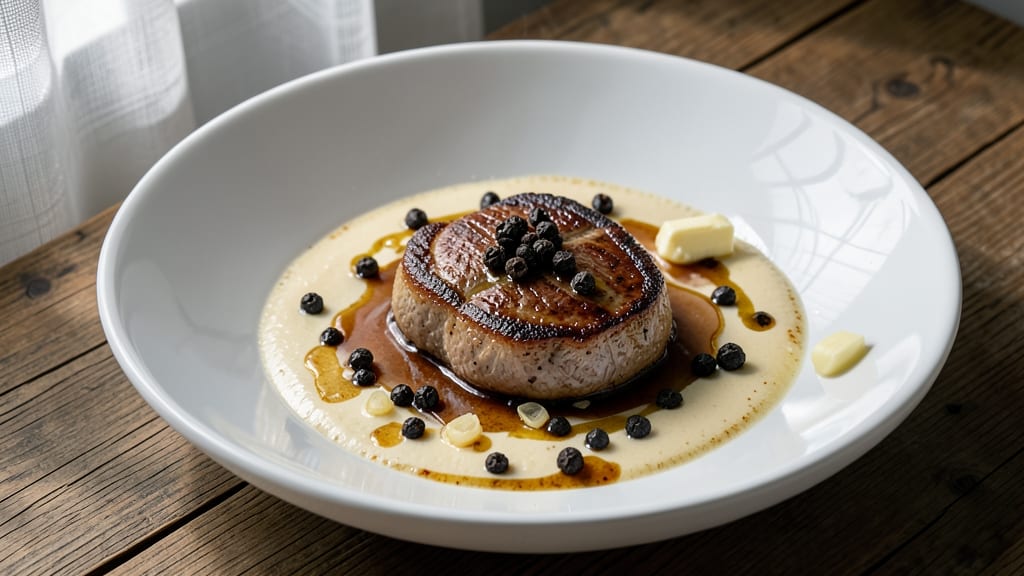
This classic peppercorn sauce recipe delivers restaurant-quality depth in just 20 minutes, transforming simple ingredients into a bold, black pepper-infused sauce that elevates any protein.
The secret lies in toasting whole peppercorns to unlock their aromatic oils before simmering them in a rich cream-vinegar base—this technique creates layers of peppery complexity that store-bought versions simply can't match.
My version has been refined over years of testing, ensuring the sauce emulsifies perfectly without breaking, whether paired with roasted meats, seafood, or even mashed potatoes.
The foundation of a great peppercorn sauce begins with proper peppercorn preparation—lightly toasting them in a dry pan releases their essential oils, which infuse the sauce with a deep, aromatic punch.
A balance of cream and vinegar creates the perfect vehicle for those peppery notes, while butter adds a velvety finish that rounds out the bold flavors.
What makes this sauce truly classic is its versatility: it works equally well as a finishing drizzle or a rich gravy, and the recipe includes a simple vegan adaptation for modern adaptability.
By the time you've reduced the sauce to a glossy, velvety consistency, you'll have a condiment that's as impressive as it is functional. The peppercorn flavor develops into a sophisticated warmth rather than an overpowering bite, making it perfect for special occasions or everyday meals.
This sauce isn't just about the pepper—it's about creating harmony between the spice, acidity, and richness that makes every dish feel elevated.
Whether you're serving it alongside a perfectly cooked steak or using it to enhance roasted vegetables, this peppercorn sauce will become a staple in your culinary repertoire.
The recipe scales easily for both intimate dinners and larger gatherings, and the leftovers keep beautifully in the refrigerator for up to five days. Let's create this timeless sauce that brings professional-quality flavor to your home kitchen.
Ingredients for classic peppercorn sauce
Nine essential components transform into a velvety sauce with restaurant-quality depth.
| Ingredient | Amount | Notes |
|---|---|---|
| Whole Black Peppercorns 🌶️ | 2 tbsp | Lightly toasted for aromatic oils |
| Heavy Whipping Cream 🥛 | 1 cup | Full-fat for optimal richness |
| White Wine Vinegar 🍷 | ¼ cup | High-quality for acid balance |
| Unsalted Butter 🧈 | 4 tbsp | Cold, cubed for emulsification |
| Shallots 🧅 | 2 whole | Finely minced for subtle sweetness |
| Diamond Crystal Kosher Salt 🧂 | ½ tsp | Fine grain for precise seasoning |
| Freshly Ground Black Pepper 🌶️ | ¼ tsp | Freshly cracked for intensity |
| Vegetable Oil 🫒 | 1 tbsp | Neutral for initial toasting |
| Dry Sherry 🍷 | ½ cup | Optional, for depth of flavor |
The quality of your peppercorns dictates the sauce's soul. Penzeys or McCormick whole black peppercorns deliver superior aromatic oils when toasted—avoid pre-ground versions, as they lack the necessary depth. Toast them in a dry pan with vegetable oil until fragrant but not burnt, about 2-3 minutes. The shallots should be finely minced, not chopped, to prevent bitterness. For the cream, Hormel Heavy Whipping Cream provides consistent results, though organic options work equally well. The vinegar must be high-quality white wine vinegar—substituting apple cider vinegar alters the sauce's balance entirely.
No sherry? Dry vermouth or additional white wine vinegar maintains the acid profile, though sherry's nutty undertones are irreplaceable. Substituting heavy cream with coconut cream creates a vegan version, though texture differs slightly. The butter must be cold and cubed when added—melting it first disrupts emulsification. For a lighter sauce, reduce the cream by 0.25 cup and add 0.25 cup chicken stock instead. If the sauce separates, whisk in 1 tsp cornstarch slurry to stabilize it. The vinegar should be room temperature to prevent curdling when combined with cream.
This sauce peaks after 3-5 days of refrigeration, as flavors meld and pepper notes deepen. Store in an airtight glass jar with a layer of plastic wrap pressed directly on the surface to prevent a skin from forming. For longer storage, freeze in 1-tbsp portions using ice cube trays—thaw gently in the refrigerator before use. Reheat gently over low heat, stirring constantly to maintain emulsification. The sauce pairs perfectly with steak, lamb, or roasted vegetables, though it also elevates mashed potatoes or creamy pasta dishes.
Why You'll Love This Recipe
- Five-Ingredient Magic: I swear by this—just peppercorns, cream, vinegar, butter, and shallots. That’s it. No hidden spices, no overcomplicated steps. The shallots caramelize while you crack peppercorns, and the cream thickens without fuss. Honestly, it’s the kind of recipe that makes me feel like a chef even when I’m exhausted.
- Rich Without Effort: The cream and butter give it that velvety mouthfeel, but the peppercorns and vinegar cut through it—bright, sharp, and just enough to wake up your taste buds. It’s not sweet, not heavy, just good. The kind of sauce that makes plain steak or roasted chicken feel like a restaurant dish. (Yes, even on a Tuesday night.)
- Leftovers That Shine: This sauce actually improves the next day—thickens just right, flavors deepen. I keep a jar in the fridge for last-minute drizzles over eggs, mashed potatoes, or even grilled fish. No waste, no stress. Between us, I’ve used it to rescue burnt toast and called it "intentionally rustic."
- Date Night Ready: Five minutes of active work, zero stress. The shallots add a touch of elegance without requiring knife skills, and the peppercorns give it that sophisticated kick. Pour it over seared scallops for a fancy dinner or slather it on burgers for a casual vibe. It’s my go-to when I want to impress but don’t want to slave over a stove.
Step-by-step instructions for crafting classic peppercorn sauce
A rich, velvety sauce with deep peppercorn intensity—this method delivers restaurant-quality results in minutes.
Toast and Infuse the Peppercorns
Heat a dry skillet over medium heat and add the 2 tablespoons whole black peppercorns. Toast them for 2-3 minutes until fragrant and slightly darkened, stirring constantly to prevent burning. The aroma will fill your kitchen—this is your cue that the essential oils are being released.
Immediately transfer the toasted peppercorns to a mortar and pestle (or small spice grinder) and crush them coarsely. You want to break them open but not grind into powder—this preserves their aromatic oils while allowing them to infuse the sauce. Set aside for the next step.
Sauté Shallots in Butter
In the same skillet (no need to clean it—the peppercorn oils add depth), melt the 4 tablespoons unsalted butter over medium heat. Add the 2 whole shallots, minced finely, and cook for 4-5 minutes until translucent and just beginning to color. The butter should foam gently but not brown.
Here's the thing—don't rush this step. You're building flavor layer by layer. When the shallots are tender and their raw bite disappears, add the crushed peppercorns and cook for an additional 30 seconds, stirring constantly. This ensures the peppercorn oils meld with the butter rather than floating on top.
Deglaze with Sherry and Vinegar
Pour in the 0.5 cup dry sherry and immediately scrape up any browned bits from the bottom of the pan with a wooden spoon. These fond bits are packed with flavor. Let the sherry simmer for 1-2 minutes until reduced by half, then add the 0.25 cup white wine vinegar. The acidity will brighten the sauce and cut through the richness.
Simmer for another 2 minutes until the liquid reduces to about 2 tablespoons. You're looking for a syrupy consistency that will emulsify beautifully with the cream. If the mixture starts to stick, add 1 tablespoon water to loosen it—just enough to create a smooth base.
Emulsify with Cream and Season
Temper the 1 cup heavy whipping cream by whisking it in a separate bowl while gradually adding 2 tablespoons of the hot shallot mixture. This slow incorporation prevents the cream from curdling when added to the pan. Once the cream is warmed through, pour it into the skillet in a steady stream, whisking constantly.
Add the 0.5 teaspoon diamond crystal kosher salt and 0.25 teaspoon freshly ground black pepper. The sauce should thicken immediately into a velvety consistency. If it's too thick, thin with 1 tablespoon warm water at a time until it coats the back of a spoon smoothly. For extra richness, whisk in the remaining 2 tablespoons butter until fully incorporated.
Finish and Rest for Optimal Texture
Remove the sauce from heat and let it rest for 5 minutes. This allows the flavors to meld and the emulsion to stabilize. Taste and adjust seasoning—you may need a pinch more salt or pepper to balance the acidity. The sauce should be bold but harmonious, with peppercorn notes dominating yet supported by the sherry's depth.
For the classic presentation, strain the sauce through a fine-mesh sieve to remove any peppercorn fragments if you prefer a completely smooth texture. Serve immediately over grilled meats, seafood, or mashed potatoes, or store in an airtight container in the refrigerator for up to 5 days. Reheat gently over low heat, stirring constantly to prevent separation.
Pro Tips For Making Classic Peppercorn Sauce
- CRACK THE PEPPERCORNS FIRST: Don’t toss whole peppercorns into the pan raw—they’ll just sit there like decorative rocks. Lightly crush them with a mortar and pestle or the flat side of a knife before adding them to the butter. This releases their oils and flavor instantly, so you’re not left wondering why your sauce tastes like you forgot the spice.
- SWEEP THE SHALLOTS: Shallots caramelize fast and burn faster. Slice them paper-thin—about 1/16-inch—and cook them in the butter over medium-low heat until they’re golden, not brown. If they darken, you’ve lost that sweet, mellow depth. (Yes, even if you’re impatient like me.)
- ACID FIRST, CREAM LATER: The moment you add cream to vinegar, you’ll get curdling. Deglaze the pan with wine vinegar first, then reduce it by half before stirring in the cream. This keeps the sauce silky, not lumpy. (Your future self will thank you.)
- SALT THE CREAM: Unsalted butter means your sauce will taste flat unless you season the cream itself. Add a pinch of salt directly to the cold cream before warming it—it dissolves better and balances the peppercorn bite. (I learned this the hard way after making sauce that tasted like it needed a whole shaker.)
Wine and beer pairings for this dish
Red Wine Pairings
A bold Cabernet Sauvignon from Napa Valley stands as my go-to pairing—its dark fruit notes and firm tannins mirror the peppercorn sauce's intensity while the acidity cuts through the richness.
Look for a 2018 vintage or newer to ensure freshness. The wine's black currant and cedar undertones harmonize beautifully with the toasted peppercorn aroma, creating a symphony of flavors. 🍷
For a lighter but equally elegant option, try a Pinot Noir from Oregon's Willamette Valley. The wine's red fruit and earthy notes complement the sauce's peppery depth without overpowering it. I particularly enjoy Domaine Serene or La Crema for their balance between fruit and structure.
Serve both wines slightly chilled (60-64°F) to enhance their refreshing qualities against the sauce's warmth.
Beer Pairings
A Belgian Dubbel like Westmalle Dubbel offers the perfect beer pairing with its malty sweetness and subtle spice notes. The beer's caramel and raisin undertones provide a delightful contrast to the peppercorn sauce's boldness, while its 5-7% ABV ensures it can stand up to the dish.
The slight alcohol warmth also enhances the peppercorn's aromatic oils. 🍺
For beer lovers who prefer hoppier options, a German Dunkelweizen with 10-12% wheat malt delivers a refreshing balance. Brands like Weihenstephaner Hefeweizen Dunkel provide a fruity, slightly spicy profile that complements the sauce's richness.
Serve these beers at 45-50°F to preserve their crispness and let their flavors shine alongside the peppercorn sauce.
Spirit Pairings
A dry sherry (like Amontillado) isn't just an ingredient—it's the perfect sipping companion. The sherry's nuttiness and oxidative notes echo the sauce's depth while its acidity keeps the palate fresh.
I recommend Gonzalez Byass or Emilio Hidalgo for their refined balance. Serve at 60-65°F to appreciate its complexity alongside the dish. 🥃
For a more modern twist, a gin and tonic with a London Dry gin like Hendrick's can be surprisingly effective. The gin's botanical notes (particularly juniper and coriander) complement the peppercorn's aromatic oils, while the tonic's citrus provides a refreshing contrast.
Add a twist of lemon peel to enhance the citrus notes and tie everything together.
Non-Alcoholic Options
For those avoiding alcohol, a sparkling apple cider like Martinelli's or Woodchuck Hard Cider (non-alcoholic version) offers a crisp, fruity alternative. The effervescence cleanses the palate between bites, while the apple's natural sweetness balances the sauce's boldness. Chill it to 40-45°F for the best experience. 🍏
Another excellent choice is a ginger beer with a spicy kick, such as Feather Ginger Beer. The ginger's warmth complements the peppercorn's heat, creating a harmonious flavor profile.
Serve it well-chilled (38-42°F) to enhance its refreshing qualities and let its unique flavor bridge the gap between the rich sauce and the main dish.
Nutrition facts
Frequently asked questions
Can I make this peppercorn sauce without sherry?
The sherry adds depth, but you can substitute 0.25 cup dry vermouth or even 0.25 cup additional white wine vinegar for a similar acid profile. For a non-alcoholic version, use 0.5 cup chicken or vegetable stock instead. The sauce will still be rich but with slightly different complexity.
Why does my peppercorn sauce separate?
Separation usually happens when the sauce cools too quickly or if the butter isn't incorporated properly. To fix it, whisk in 1 teaspoon cornstarch slurry (mix 1 tsp cornstarch with 1 tbsp cold water) while heating gently over low heat. Stir constantly until thickened. For prevention, always temper the cream gradually and let the sauce rest 5 minutes before serving.
What's the best way to store leftover peppercorn sauce?
Transfer to an airtight glass jar and press plastic wrap directly on the surface to prevent skin formation. It keeps for 5 days refrigerated. For longer storage, freeze in 1-tbsp portions using ice cube trays. Thaw overnight in the fridge and reheat gently over low heat, stirring constantly to maintain smooth texture.
Can I use this sauce on vegetarian dishes?
This sauce elevates roasted vegetables, creamy polenta, or even mashed potatoes beautifully. For a vegan version, replace heavy cream with coconut cream and butter with vegan butter. The peppercorn's bold flavor works especially well with hearty root vegetables like carrots or parsnips.
How do I adjust the peppercorn intensity?
For milder flavor, reduce toasted peppercorns to 1.5 tablespoons and omit the freshly ground pepper. For extra heat, add 0.5 teaspoon cayenne pepper or toast 1 teaspoon red pepper flakes with the black peppercorns. Always taste as you go—you can adjust while the sauce cooks, but you can't remove excess pepper once it's in.