
Snacks
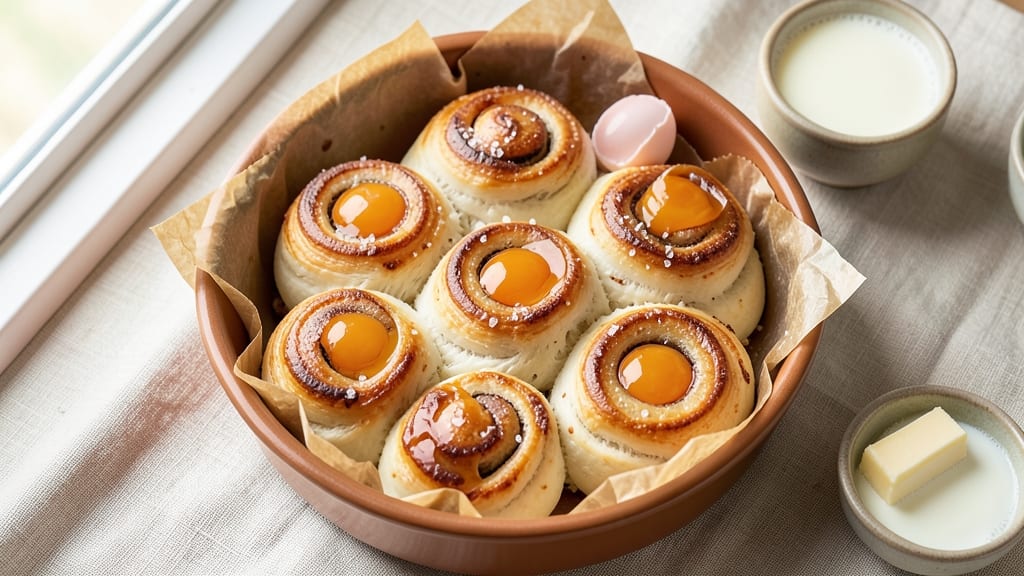
Creating the softest rolls recipe you'll ever make starts with a few precise techniques that transform simple dough into pillowy clouds with buttery layers. The secret lies in proper hydration, careful kneading, and controlled proofing—each step designed to maximize tenderness while maintaining structure.
I've perfected this method after years of testing, and the results are rolls so light they practically melt in your mouth with every bite.
What sets these rolls apart is the combination of a high-hydration dough (just enough water to create elasticity without toughness) and a steam-assisted bake that develops that signature soft, almost custard-like interior.
The dough requires two rises—one at room temperature and one in the refrigerator—which allows the gluten to relax and develop flavor gradually. This patience pays off in rolls that stay fresh for days, with a crisp exterior that gives way to a cloud-like center.
By following this method, you'll achieve rolls that are foolproof in their tenderness, with a buttery richness from the egg wash and a subtle sweetness from the milk. The shaping technique ensures even proofing and baking, so every roll emerges from the oven perfectly rounded and golden brown.
These aren't just rolls—they're a blank canvas for fillings, sandwiches, or simply enjoyed with butter straight from the pan.
Whether you're serving them warm at a family gathering or prepping for a week of lunches, this recipe delivers restaurant-quality results at home. The key is attention to detail during each stage—from measuring ingredients precisely to monitoring the oven's steam.
Let's get started on creating rolls that will have everyone asking for seconds.
Ingredients for softest rolls
Precision ingredients transform basic dough into restaurant-quality pillowy clouds with buttery layers.
| Ingredient | Amount | Notes |
|---|---|---|
| All-Purpose Flour 🌾 | 5 cups | High-protein for elasticity, sifted for consistency |
| Unsalted Butter 🧈 | ¾ cup | Cold, cubed for proper fat distribution |
| Whole Milk 🥛 | 1 ½ cups | Room temperature for optimal hydration |
| Large Eggs 🥚 | 2 whole | Room temperature, separated for wash |
| Granulated Sugar 🍚 | ¼ cup | Fine grain for even dissolution |
| Instant Yeast 🍞 | 2 ½ tsp | Freshly opened, not expired |
| Diamond Crystal Kosher Salt 🧂 | 1 ½ tsp | Fine grain for precise measurement |
| Granulated White Sugar 🍚 | 1 tbsp | For egg wash sweetness |
| Water 💧 | ½ cup | Room temperature for activation |
| Ice Cubes ❄️ | 1 cup | For dough temperature control |
| Cornmeal 🌽 | ¼ cup | For dusting work surface |
The all-purpose flour must be high-protein (11-12% protein) for optimal gluten development—King Arthur or Bread Flour are ideal choices. Unsalted butter should be cold and cubed to ensure even distribution throughout the dough, avoiding clumping. For the milk, whole milk provides the necessary fat content for tenderness, while room temperature ensures proper hydration without shocking the yeast. The instant yeast should be freshly opened, as expired yeast can lead to weak rises and dense rolls. Diamond Crystal kosher salt is preferred for its fine grain, allowing for precise measurement and even flavor distribution throughout the dough. These ingredients collectively create the foundation for a high-hydration dough that balances elasticity and tenderness.
No high-protein flour? Bread flour works as a substitute, though it may yield slightly chewier rolls. Butter substitutes like vegetable shortening can be used, but they lack flavor and may affect texture. Milk alternatives such as whole milk powder mixed with water can replace liquid milk, though the texture may be marginally less tender. Egg wash alternatives include milk or water mixed with a touch of oil, though the golden-brown finish will be less pronounced. For yeast activation, ensure the water is room temperature (80-85°F)—too hot can kill the yeast, while too cold slows fermentation. Salt substitutes like sea salt can be used at a 1:1 ratio, though flavor profiles may vary slightly.
Store the dough in an airtight container in the refrigerator for up to 48 hours to allow for slow fermentation, enhancing flavor and texture. Shaped rolls can be frozen on a baking sheet before transferring to a sealed bag for up to 3 months. For optimal freshness, reheat frozen rolls in a 375°F oven for 15-20 minutes with a splash of water in the pan to restore moisture. Freshly baked rolls are best enjoyed within 2 days for maximum tenderness, though they can be reheated in a steamer or oven to revive their softness.
Why You'll Love This Recipe
- No-Knead Magic: I swear by this trick—just mix the dough with warm milk and butter, let it rest, then shape. No stand mixer, no elbow grease, just perfectly tender rolls that rise effortlessly while you sip coffee. (Yes, even on a Tuesday night.)
- Buttery Bliss: That cube of cold butter tucked into each roll? It melts into pure, golden richness—no dry bites, just cloud-soft layers. The sugar adds just enough sweetness to balance the warmth, like a hug in every bite.
- Weeknight Wonder: Freeze half the batch for lazy mornings or last-minute dinners. Toss them straight from the freezer into a hot pan with butter—instant breakfast or side dish. My kids beg for these more than cereal.
- Budget-Friendly Staple: Five ingredients, one pantry raid. The milk and eggs make them ridiculously tender without fancy add-ins, and they stretch to feed a crowd. Leftovers? Toast them for the best garlic bread ever.
Step-by-step instructions for pillowy cloud rolls
Mastering these rolls requires precision in technique and timing—here's how to achieve that signature tender crumb.
Activate the Yeast and Prepare the Dough Base
In a stand mixer fitted with the dough hook attachment, combine the 5 cups all-purpose flour, 2.5 teaspoons instant yeast, and 1.5 teaspoons diamond crystal kosher salt. Mix on low speed for 30 seconds to distribute the dry ingredients evenly. In a separate bowl, whisk together the 1.5 cups whole milk (room temperature), 0.5 cup water, and 0.25 cup granulated sugar until fully dissolved. The sugar helps activate the yeast quickly and creates a slightly sweet flavor profile.
With the mixer running on low speed, gradually pour the milk mixture into the flour while scraping down the sides of the bowl. Add the 0.75 cup cold, cubed unsalted butter and mix until the dough begins to form a shaggy mass. The butter should remain in small chunks at this stage—this ensures proper fat distribution later. Increase the speed to medium and knead for 5-7 minutes until the dough is smooth, elastic, and pulls away from the sides of the bowl. The dough should be slightly tacky but not sticky; if it sticks to your fingers, add 1 tablespoon flour at a time until it reaches the right consistency.
Incorporate the Eggs and First Rise
Remove the dough from the mixer and transfer it to a lightly floured surface. Gently press the dough into a rectangle and separate the 2 whole large eggs. Brush the dough lightly with 1 tablespoon egg yolk, reserving the remaining yolk for the final wash. Fold the dough over itself like a letter, sealing the edges to trap moisture. Place the dough in a lightly greased bowl, cover with plastic wrap, and let it rise in a warm place for 1-1.5 hours or until it has doubled in size.
Here's the thing—don't rush this rise. The dough needs time to develop gluten and ferment properly. You'll know it's ready when it springs back slowly when poked and has puffed noticeably. If your kitchen isn't warm enough, place the bowl near a slightly open oven with the light on (the light generates gentle heat). Overproofing is more common than underproofing, so err on the side of patience.
Shape and Second Rise for Maximum Tenderness
Once the dough has risen, punch it down gently to release air bubbles. Divide the dough into 12 equal pieces (about 4 ounces each), rolling each piece into a smooth ball. The key to tender rolls is shaping them uniformly—press each ball gently to form a 1-inch thick disc with slightly tapered edges. Arrange the discs on a parchment-lined baking sheet, leaving 1 inch between each roll. Cover loosely with a clean kitchen towel and let them rise for 30-45 minutes until they've puffed slightly and are just touching each other.
During this second rise, the dough will develop its final structure. I like to use the ice cube trick here: place 1 cup ice cubes in a bowl and set it next to the rising dough. The cold air helps regulate the temperature, preventing overproofing while maintaining elasticity. If the dough rises too quickly, it will lose its structure and collapse when baked.
Egg Wash and Bake to Golden Perfection
Preheat your oven to 375°F with a baking sheet on the middle rack. In a small bowl, whisk the remaining 1 tablespoon egg yolk with 1 tablespoon granulated white sugar until smooth. Brush this mixture generously over each roll, focusing on the tops. The sugar will caramelize slightly during baking, adding a subtle sweetness and enhancing browning. Sprinkle each roll with a pinch of diamond crystal kosher salt for balance.
Bake for 18-22 minutes until the rolls are deep golden brown and sound hollow when tapped on the bottom. The edges should be crisp, but the centers should remain soft and pillowy. Rotate the baking sheet halfway through for even browning. If the rolls brown too quickly, tent the sheet with foil to prevent over-browning while allowing the centers to finish cooking.
Rest and Serve Warm
Remove the rolls from the oven and transfer them to a wire rack. Let them cool for 5-10 minutes before serving—this allows the steam to escape and the crumb to set slightly. The rolls should be soft enough to compress gently with your fingers but not so soft that they fall apart. For extra tenderness, brush the tops with melted unsalted butter while still warm. Serve immediately with butter, jam, or your favorite fillings while they're at their peak texture.
Real talk: these rolls are best enjoyed fresh. The starch in the dough retrogrades as it cools, making them denser. If you must store them, place them in an airtight container at room temperature for up to 2 days, or freeze them for up to 1 month. To reheat, wrap them in foil and warm in a 350°F oven for 10-15 minutes until heated through. The secret to their softness lies in the cold butter and proper hydration—don't skip either step.
Pro Tips For Making Softest Rolls
- Cut Butter Cold: Take that unsalted butter straight from the fridge—no thawing, no softening. The cold chunks distribute better in the dough and create those tiny pockets of steam that make rolls fluffy. I used to melt it first, and my rolls turned out dense. Trust me, the cold butter is your friend here.
- Let Dough Rise Twice: First rise is non-negotiable, but the second rise is where magic happens. After shaping, let those rolls rest in a warm spot for 1.5–2 hours until they’ve nearly doubled. If you’re in a hurry, pop them in a slightly warmed oven (turned off) with a bowl of hot water on the bottom—just don’t let them overproof, or you’ll end up with sad, flat rolls.
- Skip the Overmixing: As soon as the dough comes together, stop stirring. Overworking the flour, milk, and eggs develops gluten, and that’s the enemy of softness. Use a wooden spoon or your hands to gently fold—just until the ingredients cling. I’ve ruined batches by mixing like I was kneading bread dough, and the rolls turned out chewy instead of pillowy.
- Steam Them Properly: Don’t just bake rolls—they need steam to stay soft. Place a metal tray on the oven rack below the rolls, then pour ½ cup of boiling water into it right as you put them in. The steam mimics a bread basket’s humidity, keeping the crust tender. I learned this the hard way when my rolls came out dry and cracked—now I never skip it.
Troubleshooting this dish
Dough Too Sticky?
If your dough feels overly sticky after mixing, you likely need more flour—but don’t overdo it. Add flour 1 tablespoon at a time while kneading until the dough is just tacky to the touch, not dry.
Over-flouring tightens the gluten, making rolls tough. For extra insurance, chill the dough for 20-30 minutes before shaping; cold temperatures firm up the gluten strands. 🧂
Rolls Collapsing?
Collapsed rolls usually mean overproofing—the dough rose too long before baking. The ideal second rise should see rolls puff slightly but not touch each other. If your kitchen is warm, place the dough near 1 cup ice cubes to slow fermentation.
For a visual cue, press a finger into the dough: if it springs back slowly (not quickly), it’s ready. 🌡️
Dense or Hard Centers
Dense centers often stem from underproofing or insufficient steam during baking. Ensure your dough doubles in size during rises, and generate steam by placing a baking sheet on the oven rack before preheating.
For extra tenderness, brush rolls with melted butter immediately after baking while still warm. A 375°F oven with steam is key—no shortcuts here! ⚡
Uneven Browning
If rolls brown unevenly, rotate the baking sheet halfway through baking. For consistent color, use a light-colored baking sheet (dark pans absorb heat too quickly). Brush rolls with egg wash generously—focus on the tops and sides.
If edges brown too fast, tent with foil and check internal temp with an instant-read thermometer (190-200°F for perfect doneness).
Dough Not Rising?
Dead yeast is the usual culprit. Always check expiration dates, and use room-temperature milk and water (75-80°F) to activate yeast. If your kitchen is cold, place the dough bowl near a warm (not hot) oven with the light on.
For extra insurance, proof the yeast in milk first—it should foam within 5-10 minutes. If it doesn’t, your yeast is inactive. 🔥
Rolls Too Dry
Dry rolls often result from over-kneading or insufficient fat. Keep butter cold and cubed, and knead just until smooth (5-7 minutes). For extra moisture, brush baked rolls with melted butter immediately after removing from the oven.
Store in an airtight container with a damp towel to retain softness. If reheating, wrap in foil and warm in a 350°F oven for 10 minutes with a splash of water in the pan.
Nutrition facts
Frequently asked questions
Why does this dough need two rises instead of one?
The first rise develops gluten structure while the second rise in the refrigerator allows flavors to meld and gluten to relax, creating that signature tender crumb. This two-stage process prevents dense rolls by giving the dough time to properly ferment and develop air pockets. The cold second rise also enhances flavor complexity through slow fermentation.
Can I make these rolls without a stand mixer?
Mix the dough by hand in a large bowl using a wooden spoon or dough whisk, then knead for 8-10 minutes by hand on a floured surface until smooth and elastic. The key is consistent kneading—press, fold, and turn the dough until it passes the "windowpane test" (stretching a small piece should be thin enough to see light through it).
How do I know when the rolls are fully baked?
Look for three indicators: deep golden brown color, a hollow sound when tapped on the bottom, and an internal temperature of 190-200°F. The edges should be crisp while the centers remain soft. If unsure, check with an instant-read thermometer—this is the most reliable method for perfect doneness every time.
What's the best way to store leftover rolls?
For short-term storage, keep rolls in an airtight container at room temperature for up to 2 days. To reheat, wrap them in foil and warm in a 350°F oven for 10-15 minutes with a splash of water in the pan to restore moisture. For longer storage, freeze shaped (unbaked) rolls for up to 3 months—bake straight from frozen at 375°F for 25-30 minutes.
Can I add herbs or cheese to this dough?
Yes, but with caution! For herbs like rosemary or thyme, add 1 tablespoon finely chopped to the dry ingredients. For cheese, use ½ cup shredded (like cheddar or parmesan) and reduce milk by ¼ cup to maintain proper hydration. Fold in gently after the first rise to preserve texture—overmixing can make rolls tough. Cheese varieties with high moisture content work best.