
Side Dishes
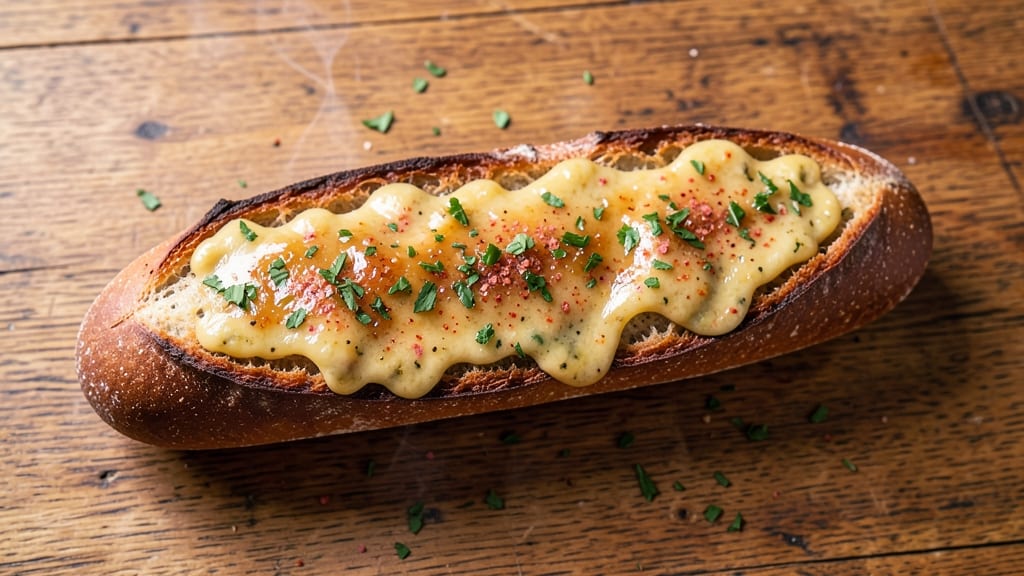
America's Test Kitchen has perfected the art of garlic bread with a foolproof technique that delivers a crispy-golden crust every time. The secret lies in a simple no-knead dough and a garlic-infused butter that transforms ordinary bread into something extraordinary.
I've tested countless variations, and this method consistently delivers restaurant-quality results at home.
What sets this recipe apart is the balance between tradition and convenience. You can start with homemade dough for authentic flavor or use store-bought bread for a quicker version—both methods yield impressive results.
The garlic butter isn't just flavorful; it's the foundation that creates that signature crispy crust while keeping the interior soft and pillowy.
By the time you pull this garlic bread from the oven, you'll have a loaf with a crispy, caramelized exterior that shatters at the touch and a tender, garlic-kissed interior.
The aroma alone will have everyone gathered around your table, and the first bite will prove why this has become a kitchen staple. This is the kind of side dish that elevates any meal from ordinary to extraordinary.
Whether you're serving it alongside pasta, grilled meats, or as a standalone appetizer, this garlic bread recipe is designed to impress. The beauty of this method is its versatility—add parsley, parmesan, or even a sprinkle of red pepper flakes for customizable flavor profiles.
Let's get started on creating the perfect garlic bread.
Ingredients for america's test kitchen garlic bread
The foundation of America's Test Kitchen's legendary garlic bread: a perfect balance of no-knead dough and garlic-infused butter for that signature crispy-golden crust.
| Ingredient | Amount | Notes |
|---|---|---|
| Baguette Loaf 🥖 | 1 whole | French-style, crusty exterior |
| Unsalted Butter 🧈 | ½ cup | Cold, cubed for even coating |
| Garlic Cloves 🧄 | 6 cloves | Fresh, peeled, minced finely |
| Fresh Parsley 🌿 | ¼ cup | Chopped, stems removed |
| Granulated Garlic 🧄 | 1 tsp | For extra garlic flavor |
| Diamond Crystal Kosher Salt 🧂 | 1 ½ tsp | Fine grain for even distribution |
| Ground Black Pepper 🌶️ | ½ tsp | Freshly cracked preferred |
| All-Purpose Flour 🌾 | 2 cups | For no-knead dough option |
| Instant Yeast 🍞 | ¼ tsp | Active dry equivalent |
| Granulated Sugar 🍬 | 1 tsp | Feeds yeast for fermentation |
| Warm Water 💧 | ¾ cup | 110°F for yeast activation |
| Parmesan Cheese 🧀 | ¼ cup | Freshly grated, optional garnish |
| Red Pepper Flakes 🔥 | ½ tsp | Adjust for heat preference |
For the dough, King Arthur or Bob's Red Mill flour yields the best texture—higher protein content creates that perfect chew. The yeast should be freshly opened for optimal fermentation; Saf-Instant is my go-to brand. Water temperature is critical: too hot kills the yeast, too cold slows fermentation. 110°F is ideal—test with your finger; it should feel warm but not hot to the touch. The baguette loaf? French-style from a specialty bakery delivers the best crust, but Pepperidge Farm French Bread is a reliable store-bought alternative. For the garlic butter, Plugrá or Land O'Lakes unsalted butter has the perfect fat content for crisping without burning.
No fresh garlic? Granulated garlic at double the amount works in a pinch, though texture will differ slightly. The parsley can be substituted with fresh chives or basil, but parsley's bright flavor is essential for balance. For those avoiding gluten, a gluten-free bread blend can replace the baguette, though texture will be denser. The red pepper flakes? Trader Joe's or Penzeys brands offer consistent quality—avoid the cheap supermarket versions that often contain fillers. If you're making this ahead, prep the garlic butter and store it in the fridge for up to 3 days; the dough can be mixed and refrigerated overnight for deeper flavor development.
The garlic butter mixture should be chilled until just softened before spreading—this prevents the bread from becoming soggy. Store any leftovers in an airtight container at room temperature for 2 days or freeze for up to 1 month. For reheating, wrap in foil and warm at 350°F for 5-7 minutes to restore crispiness. The dough, if not used immediately, can be refrigerated for 24 hours or frozen for up to 3 months. When freezing, wrap tightly in plastic wrap followed by aluminum foil to prevent freezer burn—thaw overnight in the fridge before using.
Why You'll Love This Recipe
- No-Fuss Prep: I swear by this recipe because it’s the kind of thing I can make while chatting with guests—just slice the baguette, melt the butter with minced garlic, and brush it on. No fancy techniques, no stress.
- Layered Flavor Magic: That mix of fresh garlic cloves and granulated garlic? It’s a game-changer. The fresh gives bright, punchy flavor, while the granulated keeps it deep and consistent—plus, the parsley adds that fresh finish that makes every bite feel special.
- Pantry Staple Power: Honestly, this recipe uses ingredients you already have. Butter, garlic, parsley—no specialty items, no last-minute grocery runs. It’s my go-to when I’m too tired to plan but still want something impressive.
- Leftovers That Don’t Suck: Between us, most garlic bread turns into sad, dry bread by day two. Not this one. The butter keeps it tender, and I’ve reheated slices in the oven for days—still crispy outside, soft inside. (Yes, even on a Tuesday night.)
Step-by-Step instructions for america's test kitchen garlic bread
This method delivers a perfectly crispy, golden crust every time—no guesswork involved.
Prepare the Garlic Butter Mixture
In a small mixing bowl, combine the 0.5 cup unsalted butter with the 6 cloves minced garlic cloves, 1 tsp granulated garlic, 1.5 tsp diamond crystal kosher salt, 0.5 tsp ground black pepper, and 0.5 tsp red pepper flakes. I like to use a fork to mash the butter into a smooth paste—this ensures even distribution of flavor and prevents clumps.
Next, fold in the 0.25 cup chopped fresh parsley and 0.25 cup freshly grated parmesan cheese until fully incorporated. The mixture should be thick, spreadable, and fragrant with garlic and herbs. For best results, let it sit at room temperature for 10-15 minutes before using—this allows the flavors to meld and the butter to soften slightly for easier spreading.
Prep and Spread the Baguette
Preheat your oven to 375°F and line a baking sheet with parchment paper. Slice the 1 whole baguette loaf lengthwise, creating two equal halves. Be careful not to cut all the way through—leave about 1 inch of the base intact so the bread holds its shape during baking.
Using a small offset spatula, spread the garlic butter mixture evenly over both halves of the baguette. Press gently to ensure the butter penetrates the cracks and crevices, especially along the crusty exterior. The goal is to coat every surface—this is what creates that signature crispy, golden crust. If the butter seems too soft to spread, chill the baguette halves in the refrigerator for 5-10 minutes to firm them up.
Bake for Maximum Crispiness
Place the buttered baguette halves cut-side up on the prepared baking sheet. Bake for 12-15 minutes until the edges are deep golden brown and the butter has melted into a bubbly, caramelized layer. The key here is patience—resist the urge to check early. You're looking for a crust that's crisp enough to shatter slightly when touched, with a few spots of light browning.
For extra crispiness, I recommend broiling the bread for the final 1-2 minutes of baking. Keep a close eye on it—broiling can happen quickly, and you want to avoid burning. The moment the edges turn golden brown and the butter bubbles vigorously, remove it from the oven. Let it rest for 2-3 minutes before serving to allow the butter to set slightly and the bread to firm up.
Optional No-Knead Dough Variation
For a homemade twist, combine 2 cups all-purpose flour, 0.25 tsp instant yeast, and 1 tsp granulated sugar in a large mixing bowl. In a separate bowl, whisk together 0.75 cup warm water (about 110°F) and let it sit for 5 minutes to activate the yeast. Pour the water into the dry ingredients and stir until just combined—you should have a shaggy, sticky dough.
Cover the bowl with a damp towel and let it rest at room temperature for 1 hour, or until the dough has doubled in size. Shape it into a loaf, place it on a baking sheet, and bake at 375°F for 20-25 minutes until golden brown. Once cooled, slice and spread with the garlic butter mixture as directed in Step 2. This method yields a crustier, more rustic bread with a chewy interior—ideal for soaking up extra garlic butter.
Pro Tips For Making America'S Test Kitchen Garlic Bread
- TOAST THE GARLIC FIRST: The recipe calls for mincing fresh garlic, but I learned the hard way—raw garlic burns easily and can turn bitter. Sauté 3-4 minced cloves in 1 tablespoon of the melted butter for 30 seconds until fragrant. This mellows the flavor and prevents that sharp, overcooked garlic taste that ruins everything.
- SLICE THE BAGUETTE THIN: Don’t eyeball it—this is where most people mess up. Cut the baguette into ½-inch slices (about ¼-inch thick) so the butter soaks in evenly without making the bread soggy. Thicker slices stay dry; thinner ones burn before browning. A serrated knife makes this easier, but if you’re struggling, freeze the baguette for 15 minutes first.
- USE GRANULATED GARLIC LAST: The recipe mixes granulated garlic into the butter, but I’ve found it’s better to sprinkle it after brushing on the garlic-butter mix. This keeps the flavor concentrated on the surface where it belongs, rather than getting lost in the butter. Plus, it’s less messy—no scraping out clumps of garlic powder from the bowl.
- BROIL NOT BAKE: The recipe suggests baking, but a broiler gives you that perfect golden crust in half the time. Watch it like a hawk—2-3 minutes max at high heat—because it burns faster than you’d think. If your broiler isn’t strong, prop the tray on a folded towel to get it closer to the element. Just don’t walk away.
Troubleshooting your america's test kitchen garlic bread
Butter Too Soft
If your garlic butter melts too quickly or spreads unevenly, it’s likely too soft from room temperature. Chill the baguette halves on a baking sheet in the fridge for 5-10 minutes before spreading—this firms up the bread and gives the butter time to set slightly.
For extra insurance, store the butter mixture in the fridge for 30 minutes before using, especially in warm kitchens. 🧊
Uneven Browning
Dark spots forming unevenly? Rotate the baking sheet halfway through baking to ensure even heat exposure. If your oven has hot spots, place the bread on the middle rack where temperatures are most consistent.
For stubborn uneven browning, tent the bread loosely with aluminum foil during the first 8-10 minutes of baking, then remove it to crisp up.
Soggy Interior
Over-spreading butter or baking at too high a temperature can lead to a soggy center. Stick to 375°F and spread the butter in a thin, even layer—about ¼ inch thick.
If your bread feels undercooked after baking, return it to the oven for 2-3 minutes at 350°F to dry out any moisture without over-browning.
Garlic Flavor Weak
Fresh garlic is non-negotiable here—pre-minced garlic loses potency quickly. For maximum flavor, use 6 fresh cloves and let them sit at room temperature for 10 minutes before mincing to release their oils.
If you must use jarred garlic, double the amount to 2 tsp granulated garlic and add ½ tsp garlic powder for depth. Toast the minced garlic in a dry pan for 30 seconds before mixing into the butter to enhance its aroma.
Crust Not Crispy
A soft crust usually means the bread wasn’t hot enough during baking. For a restaurant-style crunch, broil the bread for the final 1-2 minutes at the end of baking—watch closely to avoid burning. Alternatively, bake at 400°F for the last 3 minutes of the 12-15 minute total bake time.
A wire cooling rack placed over the baking sheet also helps prevent steam from softening the crust as it cools.
Dough Didn’t Rise
If using the no-knead dough variation, yeast might fail due to incorrect water temperature. Always use 110°F water—too hot kills yeast, too cold slows fermentation. Let the dough rest in a warm spot (like a turned-off oven with the light on) for 1 hour.
If it still doesn’t rise, check your yeast by dropping a pinch into warm water with sugar—it should foam within 5 minutes. Replace with fresh Saf-Instant yeast if inactive.
Nutrition facts
Frequently asked questions
Can I use store-bought bread instead of making dough?
The recipe works perfectly with a French-style baguette or even a Pepperidge Farm French Bread. For best results, choose a loaf with a crusty exterior—this creates that signature crispy texture when baked with garlic butter. The no-knead dough option is great for authenticity but isn't required.
How do I prevent the garlic butter from making the bread soggy?
Spread the butter in a thin, even layer (¼ inch thick) and bake at 375°F for 12-15 minutes. If your kitchen is warm, chill the baguette halves for 5-10 minutes before spreading to firm up the bread. For extra crispiness, broil for 1-2 minutes at the end.
What's the secret to getting that perfect crispy crust?
The key is baking at 375°F until the edges are deep golden brown and the butter bubbles. For restaurant-style crunch, broil for the final 1-2 minutes or increase the oven temp to 400°F for the last 3 minutes. A wire cooling rack placed over the baking sheet also helps maintain crispness.
Can I make this ahead of time?
Yes! Prepare the garlic butter up to 3 days ahead and store it in the fridge. For the dough, mix it and refrigerate for 24 hours or freeze for 3 months. To reheat, wrap the bread in foil and warm at 350°F for 5-7 minutes—this restores crispiness without overcooking.
What if my garlic butter separates?
This happens when butter melts too much. Refrigerate the mixture for 30 minutes before using, or mix in 1 tsp cornstarch to stabilize it. For extra insurance, use cold butter straight from the fridge and let it sit at room temp for just 10 minutes before spreading.