Side Dishes
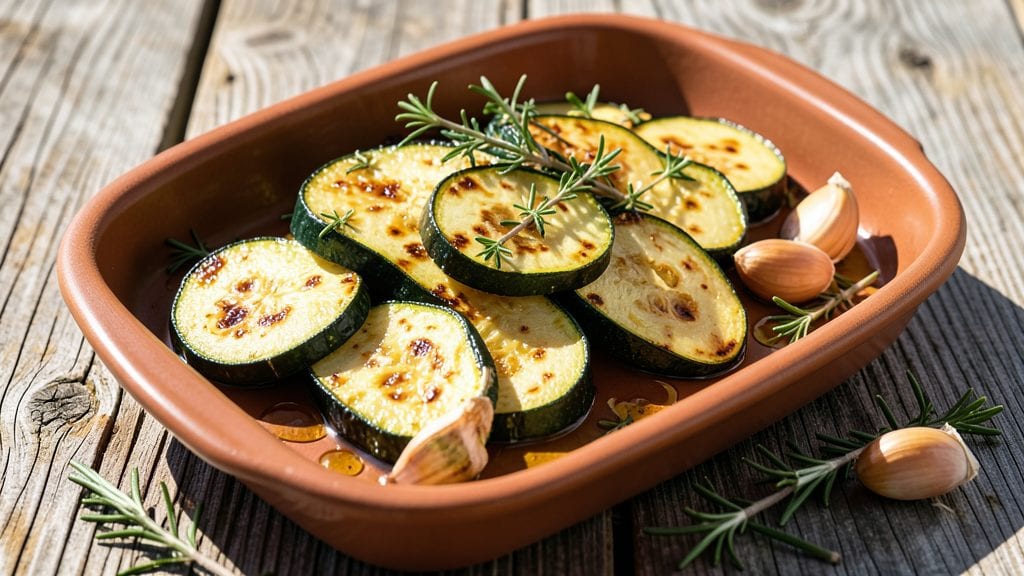
This zucchini and squash recipe transforms summer's most abundant vegetables into a crisp-tender roast that becomes the star of any meal. The secret lies in high-heat roasting with garlic and herbs—a technique that caramelizes the edges while keeping the centers perfectly tender.
I developed this method after years of testing, and it never fails to impress even the most skeptical eaters.
The beauty of this dish is its simplicity: just a handful of ingredients and 20 minutes of active time, but the results feel like a restaurant-quality side. Zucchini and squash absorb the aromatic garlic and herb blend beautifully, creating a dish that's both flavorful and nutritious.
The caramelized edges add a satisfying texture contrast that makes every bite irresistible.
What you'll achieve is a perfectly balanced side with crispy edges and tender centers, infused with savory garlic and fresh herbs. This recipe works equally well as a standalone vegetarian dish or paired with grilled meats, fish, or poultry.
The versatility makes it ideal for weeknight dinners or special occasions.
Ready to elevate your summer vegetables? This method guarantees restaurant-quality results with minimal effort, and the best part is how adaptable it is to different varieties of squash and zucchini. Let's get started on creating a side dish that will have everyone asking for seconds.
Ingredients for zucchini squash
Summer's bounty transformed into a restaurant-quality side with crisp edges and tender centers.
| Ingredient | Amount | Notes |
|---|---|---|
| Medium Zucchini 🥒 | 2 whole | Cut into 1-inch thick slices |
| Yellow Squash 🍈 | 2 whole | Cut into 1-inch thick slices |
| Garlic Cloves 🧄 | 4 cloves | Minced for maximum aromatic release |
| Extra-Virgin Olive Oil 🫒 | ¼ cup | High-quality for optimal flavor infusion |
| Fresh Thyme Leaves 🌿 | ½ tsp | Dried thyme at one-third amount |
| Fresh Rosemary 🌿 | ¼ tsp | Finely chopped for even distribution |
| Diamond Crystal Kosher Salt 🧂 | 1 tsp | For seasoning and caramelization |
| Freshly Ground Black Pepper 🌶️ | ½ tsp | Enhances depth of flavor |
| Red Bell Pepper 🌶️ | ½ cup | Diced for added color and crunch |
| Red Wine Vinegar 🍷 | 1 tbsp | Brightens the dish with acidity |
| Parmesan Cheese 🧀 | ¼ cup | Freshly grated for finishing |
The quality of your squash and zucchini makes all the difference. Local farmers markets often carry the freshest varieties, but standard grocery store selections work perfectly if they're firm and free from blemishes. Opt for medium-sized zucchini and squash—their size ensures even cooking and prevents overcrowding on the sheet pan, which is critical for achieving those coveted crisp-tender edges. For the garlic, Penzeys or Whole Foods carry premium bulbs that release more flavor when minced. Fresh herbs like thyme and rosemary should be vibrant green with no wilting, as they'll lose potency quickly once cut. The extra-virgin olive oil should have a fruity aroma—avoid the cheap supermarket brands that lack character.
No fresh thyme? Dried thyme at one-third the amount works in a pinch, though the flavor will be more muted. Substituting bell peppers? Yellow or orange bell peppers add a slightly different sweetness profile, but red maintains the classic color contrast. For the olive oil, any high-quality brand will do—California Olive Ranch or Colavita are reliable choices. If you're short on time, pre-minced garlic from the jar is acceptable, though freshly minced delivers superior flavor. The red wine vinegar can be swapped for balsamic vinegar if preferred, though it will add a slightly sweeter note. For a dairy-free option, omit the Parmesan or use a nutritional yeast alternative.
This dish reheats beautifully—simply toss the roasted vegetables with a splash of water or broth and warm in a skillet for 2-3 minutes. Store leftovers in an airtight container in the refrigerator for up to 4 days, though the texture may soften slightly. For longer storage, freeze the roasted vegetables for up to 3 months, though the crisp edges will convert to a more tender texture upon reheating. To maximize freshness, prep the vegetables and marinade just before roasting. The dish holds well at room temperature for up to 2 hours if properly covered, making it ideal for buffet-style serving.
Why You'll Love This Recipe
- One-Pan Magic: I swear by this recipe when I’m too tired to wash dishes. Toss sliced zucchini and yellow squash with olive oil, garlic, and thyme, then roast—no flipping, no fuss. The pan’s done when the squash is tender and golden, and honestly? That’s it.
- Garlic-Thyme Bomb: Between us, this combo is chef’s kiss—the garlic caramelizes just enough to make your kitchen smell like a bistro, while the thyme adds that earthy brightness. Not overpowering, just right. My husband steals bites straight from the pan.
- Meal Prep MVP: I make a big batch on Sundays and refrigerate it for the week. Cold or reheated, it’s perfect for salads, wraps, or even a quick pasta toss. (Yes, even on a Tuesday night when you’re craving something fresh but don’t want to cook.)
- Budget-Friendly Flex: Zucchini and yellow squash are the unsung heroes of summer—cheap, abundant, and zero waste. Roast extra, freeze it, or toss it into soups later. My wallet and my freezer thank me every time.
Step-by-step instructions for crisp-tender roasted zucchini and squash
Here's the method to achieve perfectly tender yet crisp edges on your summer vegetables—simple yet precise.
Prepare the Vegetables for Even Cooking
Begin by washing the 2 whole medium zucchini and 2 whole yellow squash thoroughly, then pat them completely dry with kitchen towels. Using a sharp chef's knife, cut each vegetable into 1-inch thick slices—this thickness ensures they cook through without becoming mushy. Arrange the slices on a clean cutting board in a single layer.
Season each slice immediately with ½ teaspoon of the diamond crystal kosher salt and ¼ teaspoon of the freshly ground black pepper, pressing gently to adhere. This early seasoning prevents the vegetables from absorbing too much oil later, which could make them greasy. I like to work in batches if needed, but keep the cut vegetables covered with a damp towel to maintain freshness while you prepare the remaining components.
Create the Herb-Infused Oil Mixture
In a small bowl, combine the ¼ cup extra-virgin olive oil, ½ teaspoon fresh thyme leaves, ¼ teaspoon fresh rosemary, and 2 cloves of the minced garlic cloves. Stir well with a fork or small whisk to fully emulsify the herbs into the oil. This infusion will carry the aromatic flavors directly into each vegetable slice during roasting.
Let this mixture sit for 5 minutes while you prepare your baking setup. The longer the herbs steep in the oil, the more pronounced their flavors will be. If you're short on time, simply proceed—though the flavor depth will be slightly less intense. Preheat your oven to 425°F while you finish preparing the vegetables.
Arrange and Roast for Perfect Texture
Line two rimmed baking sheets with parchment paper for easy cleanup. Arrange the seasoned vegetable slices in a single layer, leaving ½-inch gaps between each piece to allow hot air to circulate. This spacing is crucial for achieving crisp-tender results rather than steamed vegetables.
Using your hands or a pastry brush, generously coat each vegetable slice with the herb-infused oil mixture, ensuring all surfaces are well-coated. Transfer the baking sheets to the preheated oven and roast for 18-22 minutes, flipping the slices halfway through cooking at the 10-minute mark. The vegetables are done when they're golden brown at the edges with just a slight resistance when pierced with a fork.
Finish with Bright Acid and Crunchy Toppings
While the vegetables roast, dice the ½ cup red bell pepper into small, even pieces. In a small bowl, combine the diced red bell pepper with 1 tablespoon red wine vinegar and toss gently to marinate. This acidity will brighten the dish and cut through the richness of the roasted vegetables.
Once the vegetables are roasted to perfection, transfer them to a large serving platter. Immediately scatter the marinated red bell pepper mixture over the top, followed by the ¼ cup freshly grated parmesan cheese. The residual heat from the vegetables will cause the cheese to slightly soften, creating a delightful contrast of textures. Serve immediately while still warm for the best flavor and texture combination.
Pro Tips For Making Zucchini Squash
- Slice Thin, Cook Fast: Cut squash into ¼-inch slices—no thicker or they’ll turn mushy. I used to eyeball it and end up with uneven doneness, so grab a mandoline if you’re impatient (or a sharp knife and steady hand). High heat is your friend here—get the pan screaming hot before adding oil.
- Salt the Squash First: Toss sliced squash with a generous pinch of salt and let it sit for 10 minutes. This draws out moisture, so you’re not drowning in steam when you cook it. I learned this the hard way—skipping it means soggy, sad squash.
- Garlic Needs Time Too: Don’t rush the garlic—sizzle minced cloves in olive oil for 30 seconds until fragrant before adding squash. Raw garlic burns easily, and undercooked garlic tastes bitter. Low and slow here means big flavor payoff.
- Thyme Leaves Only: Strip thyme leaves from stems—whole sprigs won’t infuse properly. Tuck them into the oil at the end for aroma without bitterness. (Yes, even if you’re lazy, this makes a real difference.)
Regional styles of this dish
Italian Summer Style
In Italy, zucchini and squash are often roasted simply with olive oil, garlic, and rosemary—a technique that highlights their natural sweetness. I learned this method from my nonna, who always used San Marzano tomatoes as a side but preferred roasting the vegetables for their earthy depth.
The key is to use extra-virgin olive oil from Tuscany, which adds a fruity brightness that complements the vegetables perfectly. Serve with crusty focaccia or alongside grilled branzino for an authentic Italian meal. 🌿
Southern U.S. Twist
In the American South, this dish gets a smoky, spicy kick with Cajun seasoning and a dash of hot sauce after roasting. I love adding Andouille sausage to the pan during the last 5 minutes of cooking for extra richness.
The Southern approach often includes cornbread on the side to soak up any leftover juices. For a true Louisiana touch, finish with filé powder (ground sassafras leaves) to thicken any pan juices. 🌶️
Mediterranean Herb Focus
The Mediterranean style emphasizes fresh herbs like oregano and marjoram, often paired with lemon zest instead of vinegar. I swap the red wine vinegar for lemon juice and add 1 teaspoon of dried oregano to the herb-infused oil.
This variation works beautifully with grilled lamb chops or as a standalone dish with hummus for dipping. The bright citrus cuts through the richness of the roasted vegetables while keeping the dish light. 🍋
Asian-Inspired Stir-Fry
For an Asian twist, toss the roasted vegetables with a sauce made from soy sauce, rice vinegar, sesame oil, and grated ginger. I like to add sliced scallions and toasted sesame seeds for extra texture.
This version pairs perfectly with steamed jasmine rice or sushi rolls. The umami-rich sauce transforms the dish into a flavorful, protein-friendly side that feels fresh yet satisfying. 🥢
Mexican Street Corn Style
Inspired by elote, this version includes chili powder, cumin, and a sprinkle of cotija cheese after roasting. I add 1 tablespoon of mayonnaise and a squeeze of lime juice for creaminess.
Serve with warm tortillas or as a topping for tacos. The smoky, spicy flavors make this a crowd-pleaser at summer cookouts or taco nights. 🌮
French Market Approach
In French markets, zucchini and squash are often roasted with herbes de Provence and finished with balsamic glaze. I drizzle the roasted vegetables with 2 tablespoons of reduced balsamic vinegar and sprinkle with toasted pine nuts for crunch.
This elegant version pairs beautifully with seared duck breast or goat cheese salad. The sweet-tart contrast elevates the dish to restaurant-worthy status. 🍷
Nutrition facts
Frequently asked questions
Can I substitute yellow squash with zucchini in equal amounts?
Yes, you can use them interchangeably! Both vegetables have similar textures when roasted. For best results, stick to 1-inch thick slices and roast for the same 18-22 minutes to maintain crisp-tender edges. The flavor profile remains consistent since they're from the same botanical family.
Why do my roasted squash slices turn out soggy instead of crispy?
Overcrowding on the sheet pan is the most common culprit. Leave ½-inch gaps between slices and roast in a single layer. Also, ensure your oven is fully preheated to 425°F—even 25°F lower can prevent proper browning. Pat vegetables completely dry before seasoning.
What's the best way to store leftovers?
Store in an airtight container in the fridge for up to 4 days. For longer storage, freeze for 3 months—though the crisp edges will soften slightly upon reheating. To revive texture, warm in a skillet with a splash of water or broth for 2-3 minutes over medium heat.
Can I make this dish ahead of time?
Prep the vegetable slices and marinade up to 24 hours ahead, but roast just before serving for optimal texture. The dish holds well at room temperature for up to 2 hours if covered, making it perfect for buffet-style gatherings. For make-ahead convenience, roast the vegetables 10 minutes less than directed, then finish under the broiler for 2-3 minutes before serving.
What are the best protein pairings for this dish?
This roasted squash pairs beautifully with grilled proteins like chicken breast, salmon fillets, or shrimp skewers. For vegetarian options, serve with crusty bread or goat cheese to soak up the flavors. The herb-infused oil's richness complements lean proteins perfectly, balancing the dish's natural sweetness.