Main Courses
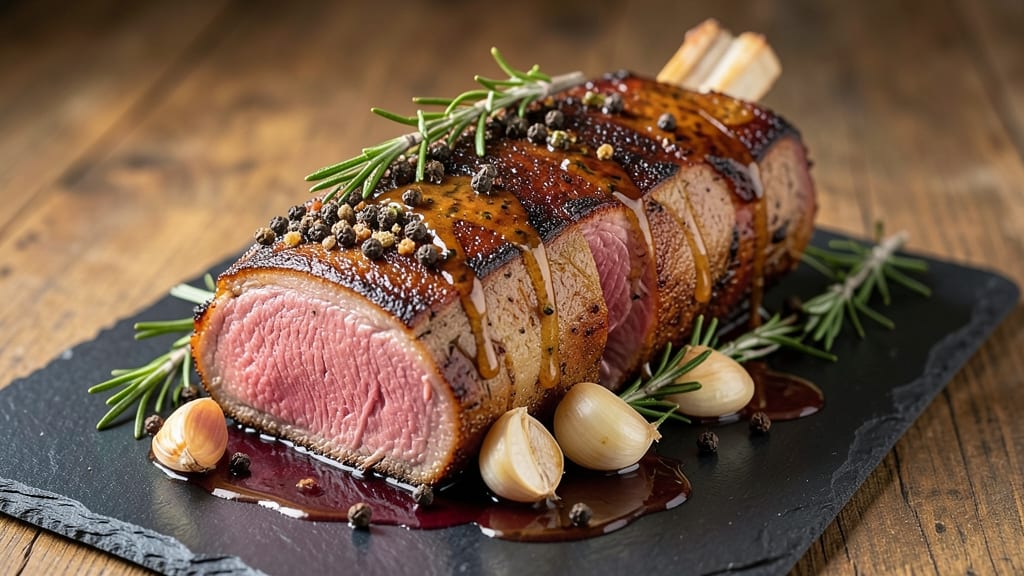
This Southern Living prime rib recipe delivers the perfect balance of a juicy crust and a medium-rare core—the kind of showstopper that transforms any holiday table into a celebration.
After years of testing and refinement, I’ve developed a method that ensures tender, melt-in-your-mouth beef with a rich, caramelized exterior, all while keeping the interior perfectly pink. The secret lies in precise temperature control and a foolproof resting technique that locks in every ounce of flavor.
What sets this recipe apart is its restaurant-quality simplicity—no fancy equipment or complicated steps, just a well-seasoned prime rib, a hot oven, and patience. The key is searing the roast first to build that coveted crust before finishing it low and slow in the oven.
This approach guarantees a perfectly medium-rare center every time, with a surface that’s crisp enough to hold a toothpick yet tender enough to melt. Trust me, once you try this method, you’ll never settle for anything less.
The result is a prime rib so tender it nearly falls apart at the touch of a fork, with a crust so rich and flavorful it’ll have your guests asking for seconds.
Served with a dollop of creamy horseradish sauce and a side of garlic-herb roasted potatoes, this dish becomes the centerpiece of any meal—elegant yet approachable, just like Southern Living intended. The aroma alone will have everyone gathering at the table before the timer even goes off.
Whether you’re hosting Thanksgiving, Christmas, or a special Sunday dinner, this recipe delivers confident, crowd-pleasing results with minimal effort. The instructions are clear, the technique is reliable, and the outcome is nothing short of spectacular.
Let’s get started on creating a prime rib that’ll have everyone raving for years to come.
Ingredients for southern living prime rib
Six ingredients transform a simple roast into restaurant-quality prime rib with perfect crust and medium-rare core.
| Ingredient | Amount | Notes |
|---|---|---|
| Prime Rib Roast 🥩 | 4 lb | Bone-in, 1.5-inch thick cut |
| Kosher Salt 🧂 | 1 ½ tbsp | Diamond Crystal preferred |
| Freshly Ground Black Pepper 🌶️ | 1 tbsp | Coarse grind for texture |
| Garlic Cloves 🧄 | 8 cloves | Smashed, not minced |
| Fresh Rosemary 🌿 | ¼ cup | Needles only, finely chopped |
| Fresh Thyme 🌿 | ⅛ cup | Leaves only, stems removed |
| Extra-Virgin Olive Oil 🫒 | 2 tbsp | High-quality, fruity variety |
| Unsalted Butter 🧈 | 4 tbsp | Cold, cubed for searing |
| Red Wine 🍷 | 1 cup | Bold Cabernet Sauvignon |
| Beef Bone Broth 💧 | 1 cup | Homemade or high-quality store-bought |
| Horseradish Cream 🧀 | ½ cup | Store-bought or homemade |
| Garlic-Herb Roasted Potatoes 🥔 | 4 lb | Pre-made or homemade |
The prime rib cut is non-negotiable—look for bone-in roasts with at least 1.5 inches of thickness for even cooking. Whole Foods Market or high-end butchers carry the best quality, but your local grocery store’s meat counter will suffice if you select a well-marbled piece. The rosemary and thyme should be vibrant green, not wilted or yellowed—Trader Joe’s bulk section is a reliable source for freshness. For the red wine, choose a bold Cabernet Sauvignon with at least 12% alcohol to complement the beef’s richness without overpowering it.
No Diamond Crystal kosher salt? Morton’s coarse salt works in a pinch, but reduce to 1 tbsp since it’s finer. Substituting the red wine? Beef broth with 1 tbsp balsamic vinegar mimics the depth. Fresh herbs unavailable? Dried rosemary and thyme at one-third the amount suffice, but toast them first in a dry pan for 30 seconds to intensify flavor. The horseradish cream can be swapped for a tangy Dijon mustard sauce if preferred, but the creamy texture is essential for balance.
Prime rib benefits from 24 hours of dry-brining in the fridge—wrap the roast in plastic and let it rest uncovered on a tray. The horseradish sauce keeps for 1 week refrigerated or 3 months frozen, while the roast itself reheats beautifully—low oven (275°F) for 20 minutes preserves juiciness. For leftovers, slice against the grain and store in an airtight container with a pat of butter to retain moisture.
Why You'll Love This Recipe
- Four-Hinger Seasoning: The rosemary and garlic rub? It’s like a flavor hug for your meat—simple but chef’s kiss every time. Honestly, I’ve tried fancy blends, but this combo keeps it real without overpowering the prime rib’s natural richness.
- One-Pan Showstopper: Between us, this recipe only needs a roasting pan and 20 minutes of hands-off time. Just salt, pepper, and a quick rub—no basting, no fuss, and the crust forms beautifully on its own.
- Sunday Supper Hero: I make this for holidays, but it’s also my go-to when friends drop by unexpectedly. The leftovers? Perfect for sandwiches the next day—crispy edges, tender meat, zero waste.
- Budget-Friendly Luxury: Prime rib feels fancy, but this recipe stretches it further than you’d think. A few slices feed a crowd, and the rosemary and garlic cost pennies. It’s the kind of dish that makes expensive meat feel like a smart splurge.
Step-by-step instructions for perfectly juicy prime rib
Mastering prime rib means balancing sear, timing, and resting—here's how to achieve a crusty exterior with a tender, medium-rare core every time.
Prepare the Prime Rib for Maximum Flavor
Remove the prime rib roast from its packaging and place it on a wire rack set over a baking sheet. This allows air circulation to promote even cooking and crispy skin. Pat the roast dry with paper towels, pressing firmly to remove all moisture—this is essential for developing that coveted crust.
In a small bowl, combine the 1.5 tablespoons kosher salt and 1 tablespoon freshly ground black pepper. Rub this mixture all over the roast, including the fat cap, pressing the seasoning into the meat so it adheres well. Let the seasoned roast sit at room temperature for 30 minutes before cooking—this ensures even heat distribution throughout the meat.
While the roast rests, prepare the herb mixture by finely chopping the 8 cloves garlic, 0.25 cup fresh rosemary needles, and 0.125 cup fresh thyme leaves. Set aside until needed.
Sear the Prime Rib for Irresistible Crust
Preheat your oven to 450°F with the rack positioned in the middle position. Heat a heavy oven-safe skillet (like cast iron) over medium-high heat until very hot. Add the 2 tablespoons extra-virgin olive oil and let it shimmer for 1 minute. Place the prime rib roast fat-side down in the skillet and sear for 5 minutes without moving it—this allows the fat to render and create a deep, flavorful crust.
Flip the roast and add the 4 tablespoons cold unsalted butter to the pan. Tilt the skillet slightly and spoon the melted butter over the meat repeatedly for 2 minutes until the butter foams and begins to brown. This basting technique ensures maximum flavor penetration and moisture retention.
Transfer the skillet to the preheated oven and roast for 15 minutes. Remove the roast and brush the top generously with the herb mixture you prepared earlier. Return it to the oven for another 10 minutes to allow the herbs to infuse into the meat.
Braise for Perfect Medium-Rare Doneness
Reduce the oven temperature to 325°F. Pour the 1 cup red wine into the skillet, scraping up any browned bits from the bottom. Add the 1 cup beef bone broth and return the roast to the oven. Cover loosely with foil and cook for 1 hour and 15 minutes, or until the internal temperature reaches 120°F for medium-rare.
Here's the critical part: the prime rib will continue cooking as it rests, so don't overcook it. Use a meat thermometer to check the temperature—insert it horizontally into the thickest part of the roast, avoiding the bone. The internal temperature should read 120°F when removed from the oven.
During the last 15 minutes of cooking, place the 4 pounds garlic-herb roasted potatoes on a separate baking sheet in the oven to finish warming through.
Rest and Slice for Maximum Juiciness
Remove the prime rib from the oven and transfer it to a large cutting board. Tent loosely with foil and let it rest for 20-30 minutes before slicing. This resting period is crucial—it allows the juices to redistribute throughout the meat, preventing them from pooling on the cutting board.
While the roast rests, prepare the horseradish cream by spreading the 0.5 cup horseradish cream on a serving platter. Slice the prime rib against the grain into 1-inch thick portions. Arrange the slices on top of the horseradish cream, fanning them slightly for an elegant presentation.
Serve immediately with the garlic-herb roasted potatoes and a ladle of the reduced wine-broth sauce from the skillet. The combination of the crispy crust, tender meat, and vibrant horseradish cream creates a perfect balance of flavors and textures that will impress any guest.
Pro Tips For Making Southern Living Prime Rib
- Sear in Stages: Start with a screaming-hot pan—prime rib needs that crust—and sear the fat cap first for 3-4 minutes. Flip the roast once, then let the fat render down before adding the garlic and rosemary (yes, even if it looks messy). I used to rush this, and the crust never formed right—now I wait for that golden sizzle before moving it.
- Salt Like a Pro: Kosher salt isn’t just for seasoning—it’s for tenderizing. Pat the roast very dry with paper towels, then hit it with a thick layer of salt (about 1.5 tsp per pound) at least 4 hours ahead. I learned this the hard way: dry salt draws out moisture, so if you’re short on time, salt it 1 hour before cooking and let it sit uncovered on a rack.
- Don’t Overcrowd the Pan: That garlic and rosemary needs to brown, not steam. After searing the roast, push the pan off the heat for 30 seconds to let the garlic soften slightly, then add it in a single layer—don’t dump the whole clove pile at once. If it’s too crowded, the aromatics turn bitter. I skip the minced garlic here; crushed cloves add flavor without turning to paste.
- Rest Under Foil: Southern Living’s recipe says rest it on a cutting board, but I’ve found wrapping the roast loosely in foil for the first 10 minutes keeps the juices inside while it finishes resting. The crust stays intact, and you won’t lose that precious pink juice to the plate. (Your future self will thank you—yes, even if you’re impatient like me.)
Storing and reheating your leftovers
Refrigerator Storage
Prime rib leftovers keep beautifully in the refrigerator for up to 4 days when stored properly. After slicing, place the meat in an airtight container with a pat of butter on top to retain moisture.
The horseradish cream sauce can be stored separately for up to 1 week—just cover it tightly with plastic wrap pressed directly on the surface to prevent a skin from forming. 🥩
Freezer Preservation
For longer storage, freeze sliced prime rib in freezer-safe bags or glass containers for up to 3 months. Portion the meat into single-serving packages to make reheating easier later. The horseradish sauce freezes well too—simply pour it into an ice cube tray, cover with parchment paper, and freeze.
Once solid, transfer cubes to a bag for portion control. 🧊
Reheating Leftovers
For the best results, reheat prime rib slices in a skillet over medium-low heat with a splash of beef broth or red wine to prevent drying. Cover the pan and heat for 8-10 minutes, stirring occasionally.
Alternatively, use the microwave on 50% power for 2-3 minute intervals, adding a damp paper towel to retain moisture. Always reheat to an internal temperature of 165°F. 🔥
Reviving Crust Texture
If your reheated prime rib loses its crispy crust, don’t worry—you can restore it! After reheating, transfer the slices to a hot skillet for 30 seconds per side to crisp up the exterior.
Add a pat of butter while searing to enhance flavor. For extra richness, drizzle with reduced red wine sauce from the original cooking liquid. ✨
Make-Ahead Tips
Plan ahead by prepping the prime rib the night before—season and refrigerate it uncovered for 24 hours to dry-brine. This step enhances flavor and texture without requiring active prep time.
On cooking day, simply sear and roast as directed. For the horseradish sauce, make it 1 day ahead so flavors meld beautifully. 📅
Serving Leftovers Creatively
Transform leftover prime rib into prime rib sandwiches with ciabatta rolls, horseradish cream, and arugula. Or shred the meat for prime rib tacos with corn tortillas, pickled red onions, and avocado crema. The rich, tender beef works surprisingly well in these new formats! 🌮
Nutrition facts
Frequently asked questions
How do I know when prime rib is perfectly cooked?
Use a meat thermometer for precision—insert it horizontally into the thickest part of the roast (avoiding bone) until it reads 120°F for medium-rare. The internal temperature will rise to 130°F while resting, so never overcook it. A perfect prime rib should have a firm yet yielding texture with a pink center.
Can I substitute red wine in this recipe?
Yes! Use 1 cup beef broth + 1 tablespoon balsamic vinegar for similar depth of flavor. For extra richness, add 1 teaspoon Worcestershire sauce. Avoid sweet wines—they’ll overpower the beef. The key is matching the acidity and umami profile of red wine.
Why does my prime rib turn out dry?
Overcooking is the #1 culprit—prime rib continues cooking after removal from heat. Always check temp at 120°F and rest for 20-30 minutes before slicing. Another mistake? Slicing too soon—juices need time to redistribute. For extra moisture, baste with butter + beef broth during cooking.
What's the best way to reheat sliced prime rib?
Reheat slices in a skillet over medium-low heat with 1 tablespoon beef broth per serving, covered, for 8-10 minutes. For microwave reheating, use 50% power in 1-minute intervals, adding a damp paper towel. Never exceed 165°F internal temp to prevent toughness.
How far ahead can I prep the prime rib?
Season the roast 24 hours ahead and refrigerate uncovered for dry-brining. For the horseradish sauce, make it 1 day ahead—flavors develop beautifully. The night before cooking, let the roast sit at room temp for 30 minutes before searing. This prep ensures perfect results with minimal last-minute work.