
Main Courses
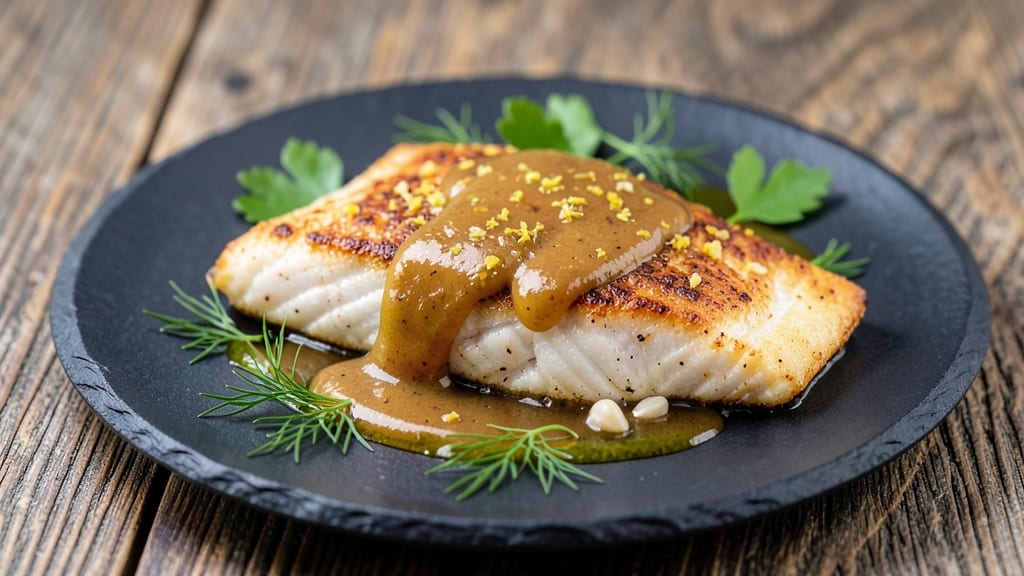
This zesty lemon butter fish fillet recipe transforms simple ingredients into a restaurant-worthy dish with minimal effort. The secret lies in balancing bright citrus with rich butter, creating a crust that's both tangy and tender—perfect for pescatarians or anyone craving a light yet satisfying meal.
After years of testing different techniques, I've perfected the timing and temperature to ensure your fillet stays moist while developing that signature crispy edge.
What makes this recipe stand out is its foolproof method for achieving ideal doneness every time. You'll work with just five key components—fresh fish, butter, lemon, herbs, and a pinch of salt—yet the flavor profile feels complex and layered.
The butter bastes the fillet continuously, infusing it with richness while the lemon juice prevents the fish from overcooking, preserving its delicate texture. This approach works equally well for pan-searing or baking, giving you flexibility based on your preferred cooking method.
By the time you plate this dish, you'll have golden-brown fish fillets with a crackling crust that gives way to flaky, buttery tenderness inside. The lemon butter sauce clings to every bite, offering a bright citrus contrast that cuts through the richness.
The aroma alone—warm butter mingling with fresh lemon—will have everyone at the table anticipating that first taste. This recipe delivers professional results without requiring advanced skills, making it ideal for both weeknight dinners and special occasions.
Serve with steamed vegetables, a fresh salad, or crusty bread to soak up every last bit of that zesty lemon butter sauce. The method scales easily for two or four servings, ensuring you can enjoy this elegant yet simple dish whenever the craving strikes.
Let's get started on creating your perfect fillet.
Ingredients for zesty lemon butter fish fillet
Five simple ingredients create restaurant-quality lemon butter fish fillets with crispy edges and flaky centers.
| Ingredient | Amount | Notes |
|---|---|---|
| Fresh White Fish Fillets 🐟 | 4 pieces | Cod, halibut, or tilapia preferred |
| Unsalted Butter 🧈 | ½ cup | Cold, cut into 1-inch pieces |
| Fresh Lemon Juice 🍋 | ¼ cup | Plus 1 tbsp zest, fresh squeezed |
| Fresh Parsley Leaves 🌿 | ¼ cup | Chopped finely, stems removed |
| Fresh Dill Leaves 🌿 | ⅛ cup | Chopped finely, optional but recommended |
| Garlic Cloves 🧄 | 3 cloves | Minced finely, fresh preferred |
| Kosher Salt 🧂 | 1 tsp | Plus extra for seasoning |
| Ground Black Pepper 🌶️ | ½ tsp | Freshly ground preferred |
| Extra-Virgin Olive Oil 🫒 | 1 tbsp | For pan-searing, high quality |
| All-Purpose Flour 🌾 | 2 tbsp | For light dredging, optional |
The fish makes or breaks this dish—look for fillets that are firm to the touch and have a vibrant color, not dull or gray. Whole Foods or local seafood markets usually carry the freshest options, but don't skip the grocery store's seafood case either. Cod and halibut hold their shape best, but tilapia works too if you're keeping it simple. The butter needs to be cold when you start—take it straight from the fridge and cut it into even pieces so it melts gradually. I always grab extra lemon juice because it's worth having some left over for garnish or finishing the sauce.
No fresh parsley? Dill alone works—just double the amount. Running short on butter? Substitute ghee or high-quality margarine, but don't use anything with additives. The flour is completely optional—skip it if you prefer no crust, but it adds a nice texture if you're feeling fancy. For the lemon zest, only use the outer yellow part—the white pith is bitter. If you can't find fresh dill, dried works at one-quarter the amount, but fresh is definitely better. And trust me, don't skip the zest—it's what gives that bright, citrusy aroma.
This sauce reheats beautifully—just warm it gently in a small saucepan with a splash of water. The fish itself is best served immediately, but you can prepare the lemon butter sauce ahead and keep it chilled. Store leftovers for up to 2 days in an airtight container, though fish reheats best when it's fresh. For extra flavor, toss in a pinch of red pepper flakes when reheating. The crust gets soggy if you overcook it, so keep an eye on the pan—it should take about 3-4 minutes per side for medium doneness.
Why You'll Love This Recipe
- Five-Ingredient Magic: I swear by this combo—just butter, lemon, herbs, and fish. No fancy techniques, no hidden pantry staples. Honestly, it’s the kind of dish where you can open the fridge, grab whatever’s there, and still end up with something that tastes like you put in effort.
- Bright & Buttery Bliss: That moment when the lemon butter melts into the fish? Chef’s kiss. The brightness cuts through the richness, and the dill and parsley add this fresh, herby punch that makes it feel like a restaurant dish—without the fuss. My picky-eating partner actually licks his plate.
- Weeknight to Dinner Party: Same recipe, different vibes. Throw it on a sheet pan for a lazy Tuesday, or plate it with roasted asparagus and crusty bread for guests. Here’s what sold me—the butter sauce thickens just enough to coat the fish, so it’s elegant but still effortless. (Yes, even on a Tuesday night.)
- Leftovers That Don’t Suck: Most fish leftovers turn into sad, dry rubble. Not this one. The lemon keeps it tender, and the butter sauce reheats like a dream—just a quick warm in the microwave or under the broiler. I’ve packed this for lunches, frozen portions for busy nights, and still had people asking for seconds. My secret weapon.
Step-by-step instructions for zesty lemon butter fish fillet recipe
This method delivers perfectly tender fish with a bright citrus crust that's foolproof every time.
Prepare the Lemon Butter Sauce
In a small saucepan, melt the 0.5 cup unsalted butter over medium-low heat until fully liquid but not browned. Remove from heat and stir in the 0.25 cup fresh lemon juice and 1 tablespoon lemon zest. Let the mixture sit for 5 minutes to infuse the flavors - you'll notice the butter takes on a beautiful golden hue and a fresh citrus aroma.
While the sauce rests, finely chop the 0.25 cup fresh parsley leaves and 0.125 cup fresh dill leaves in a separate bowl. Add the 3 minced garlic cloves and mix well. This herb blend will add vibrant color and freshness to your finished dish. Keep both mixtures at room temperature until ready to use.
Season and Dredge the Fish Fillets
Pat the 4 pieces fresh white fish fillets completely dry with paper towels - this step is crucial for achieving a crispy crust. Lay each fillet on a clean work surface and season both sides generously with 1 teaspoon kosher salt and 0.5 teaspoon ground black pepper. I like to press the seasoning into the fish gently to ensure even coverage.
Lightly dredge each fillet in the 2 tablespoons all-purpose flour, shaking off any excess. This creates a delicate crust that helps the fish hold its shape while cooking. Work quickly to prevent the flour from absorbing moisture from the fish. Keep the dredged fillets on a plate until ready to cook.
Create the Perfect Crust in the Pan
Heat a large skillet over medium-high heat until hot. Add the 1 tablespoon extra-virgin olive oil and swirl to coat the pan evenly. When the oil shimmers (about 1 minute), carefully place the dredged fish fillets in the pan, leaving about 1 inch between each piece. Don't crowd the pan - this ensures even cooking and prevents steaming.
Cook the fillets for 3-4 minutes per side until they develop a golden crust and the edges begin to lift easily from the pan. The fish is ready when it reaches an internal temperature of 145°F - use an instant-read thermometer to check the thickest part. The crust should be crisp while the fish remains tender beneath.
Finish with Lemon Butter Sauce
Remove the fish from the pan and transfer to a warm serving platter. Immediately reduce the heat to low and pour the lemon butter sauce into the same pan. Stir in the herb mixture and let it warm through for about 1 minute, just enough to meld the flavors without cooking the herbs.
Drizzle the warm lemon butter sauce over the fish fillets, allowing it to cascade over the top. The sauce should be glossy and infused with bright citrus notes. Garnish each fillet with a sprinkle of additional chopped herbs for freshness. Serve immediately while the fish is still warm and the crust remains crisp.
Optional Pan Sauce Enhancement
For an extra-rich finish, return the pan with the remaining butter to medium heat after removing the fish. Add 1-2 tablespoons of water and scrape up any browned bits from the bottom of the pan. This creates a quick pan sauce that captures all the delicious flavors. Drizzle this additional sauce over the fish before serving.
This method ensures your fish remains tender while developing a beautiful crust. The lemon butter sauce adds bright citrus notes that perfectly complement the delicate fish flavor. Each bite delivers a perfect balance of crispy crust, tender fish, and zesty butter sauce.
Pro Tips For Making Zesty Lemon Butter Fish Fillet
- Pat the fillets dry: Fish releases its own moisture when cooking, and that’s the last thing you want pooling under your pan. Grab a clean kitchen towel or paper towels and press firmly—this guarantees a crispier crust when the butter hits the heat. I learned this the hard way after serving fish that tasted more like a sad soup than a zesty fillet.
- Use room-temperature butter: Cold butter won’t melt evenly, leaving you with clumps instead of a glossy sauce. Take the butter out of the fridge 15-20 minutes before cooking, or even better, let it sit in a warm spot while you prep the rest. Trust me, your sauce will be smoother and the flavor richer—no one wants to scrape butter off their teeth mid-bite.
- Don’t overcrowd the pan: If you’re cooking more than one fillet, resist the urge to toss them all in at once. Crowding lowers the pan temperature, leading to steamed fish instead of seared. Cook in batches—two fillets max—so the butter can sizzle and create that golden crust. Your future self will thank you when the fish isn’t rubbery.
- Zest the lemon first: Fresh lemon zest adds brightness and depth that bottled juice can’t match. Grate a strip of peel (no white pith!) and toss it into the butter while it melts—it’ll infuse the sauce with aroma. Skip this, and your dish will still be good, but it’ll lack that professional restaurant kick. (Yes, even if you’re impatient like me.)
Common mistakes when making great zesty lemon butter fish fillet
Overcooking the Fish
Fish cooks faster than you think—just 1-2 minutes too long turns flaky perfection into dry, rubbery disappointment. I’ve ruined countless fillets by walking away for "just a minute."
Use a thermometer to check the internal temp at 145°F, not your eye. The edges should be golden, but the center must stay opaque and tender. 🌡️
Skipping the Rest
Transferring fish immediately to plates is a rookie mistake. Let it rest for 2-3 minutes on a warm platter before serving. This lets juices redistribute, keeping every bite moist. I’ve seen chefs skip this step, and the difference in texture is night and day. Trust the process!
Using Warm Butter
Cold butter is your secret weapon—it melts gradually, creating that signature crust. If you use warm butter, it’ll melt too fast, resulting in greasy fish instead of golden perfection.
Take the butter straight from the fridge, cut it into 1-inch cubes, and let it sit out for just 5 minutes before melting. 🧈
Overcrowding the Pan
Crowding fillets steams them instead of searing, leading to soggy crusts and uneven cooking. Leave 1 inch of space between each piece. I’ve had to restart this dish twice because I was impatient—don’t make my mistake! A 10-inch skillet works best for 4 fillets.
Neglecting the Lemon Zest
The zest is what elevates this dish from "good" to "restaurant-quality." Skipping it means missing that bright, aromatic punch. Use only the outer yellow layer—the white pith is bitter. I like to zest directly over the butter while it melts for maximum infusion.
Not Drying the Fish
Wet fish won’t crisp—it’s that simple. Pat each fillet thoroughly dry with paper towels before seasoning. I double-check by pressing a towel to the surface; if it comes away damp, I pat again. This step is non-negotiable for that perfect crust. 🧻
Nutrition facts
Frequently asked questions
Can I use frozen fish for this recipe?
Fresh fish is ideal, but you can use frozen fillets if thawed properly. Place them sealed in their packaging in the fridge overnight, then pat completely dry before cooking. Never thaw at room temperature—this promotes bacteria growth. For best results, use cod or halibut, as they hold up better when frozen.
How do I adjust the recipe for thicker fillets?
Thicker fillets (over 1 inch) need 1-2 extra minutes per side to cook through. Check internal temp with a thermometer—145°F is perfect. For extra insurance, start with medium heat and finish with medium-low to prevent overcooking the outer crust while the center warms.
What's the best way to reheat leftovers?
Reheat gently in a skillet with 1 tablespoon butter over low heat for 2-3 minutes per side. Avoid microwaving—it makes the fish rubbery. For the sauce, warm it in a small saucepan with a splash of water or lemon juice to restore its glossy texture. Serve immediately to maintain crispness.
Can I make this recipe without flour?
Skip the flour for a more delicate texture, but lightly coat the fillets with 1 teaspoon olive oil instead. This creates a subtle sheen that helps the butter cling. You'll still get a crispy edge, though it may be slightly less pronounced. The lemon butter sauce will compensate with its rich flavor.
What sides pair best with this dish?
This bright, citrusy fillet pairs beautifully with steamed asparagus, roasted Brussels sprouts, or a simple arugula salad with lemon vinaigrette. For a heartier meal, serve with crusty sourdough bread to soak up the sauce. The acidity in the fish balances rich sides like mashed potatoes or buttery pasta.