Main Courses
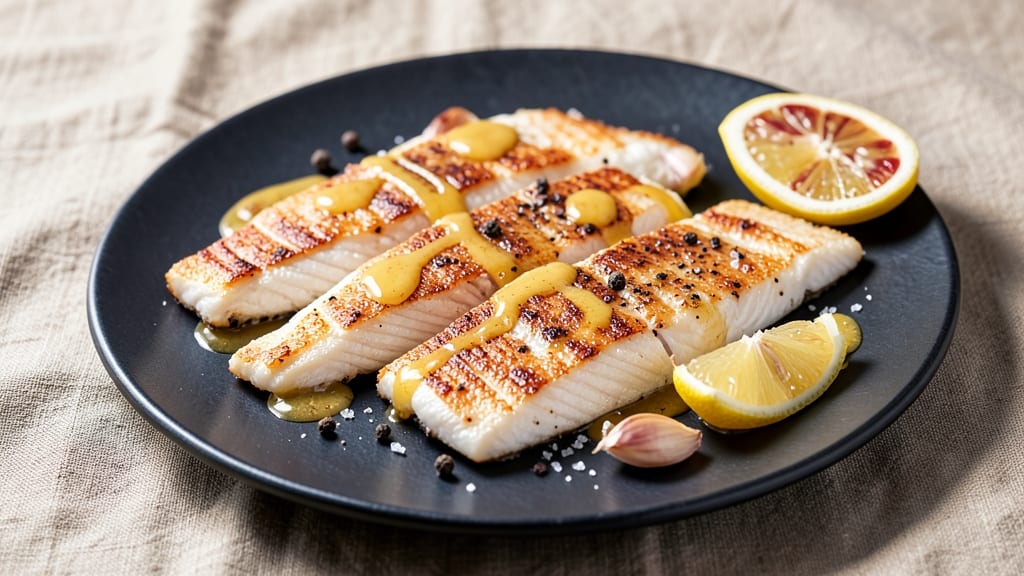
This lemon butter baked fish recipe transforms simple weeknight dinners into restaurant-worthy meals with just a few key techniques. The secret lies in balancing crispy edges with tender, flaky centers while letting the bright citrus and rich butter infuse every bite.
I've perfected this method after years of testing—no special equipment needed, just precision timing and the right temperature.
The magic happens when you bake the fish at 400°F for exactly 12-15 minutes, ensuring the skin becomes golden and crispy while the inside remains moist. A generous layer of lemon butter—melted and seasoned with garlic, salt, and pepper—creates a flavorful crust that seals in juices.
The zesty lemon cuts through the richness, creating a perfect harmony of flavors that makes this dish irresistible.
What you'll achieve is perfectly cooked fish with a crispy, caramelized top that flakes effortlessly when cut. The lemon butter adds a bright, tangy contrast to the rich fish, making each bite both satisfying and refreshing.
This recipe is foolproof for beginners but delivers professional results every time—ideal for weeknight dinners or special occasions.
Serve with roasted vegetables or a fresh salad to balance the richness, and don't forget the lemon wedges for squeezing extra brightness. The technique works equally well with white fish like cod or haddock, as well as firmer varieties like salmon. Here's how to make it perfectly every time.
Ingredients for lemon butter baked fish
Transform ordinary fish into a restaurant-worthy dish with these precision ingredients.
| Ingredient | Amount | Notes |
|---|---|---|
| White Fish Fillets 🐟 | 4 whole | Cod, haddock, or salmon preferred |
| Unsalted Butter 🧈 | ½ cup | Cold, cubed for even melting |
| Fresh Lemon Juice 🍋 | ¼ cup | From 2 medium lemons |
| Garlic Cloves 🧄 | 4 cloves | Minced for infusion |
| Diamond Crystal Kosher Salt 🧂 | 1 ½ tsp | Fine grain preferred |
| Freshly Ground Black Pepper 🌶️ | ½ tsp | Coarse grind preferred |
| Extra-Virgin Olive Oil 🫒 | 1 tbsp | For oiling baking sheet |
| Fresh Parsley Leaves 🌿 | ¼ cup | Chopped for garnish |
| Lemon Zest 🍋 | 1 tbsp | From 1 lemon |
| All-Purpose Flour 🌾 | 1 tbsp | For dredging fillets |
| Fresh Thyme Leaves 🌿 | 1 tsp | Chopped for seasoning |
The quality of fish determines the dish's success. Whole Foods or Trader Joe's carry premium fillets with vibrant color and firm texture—look for bright, translucent flesh without brown edges. Salmon fillets should have rich pink hues, while cod or haddock should appear pristine white. For optimal results, purchase fillets with skin intact, as the skin creates the coveted crispy crust. If using frozen fish, thaw it overnight in the refrigerator for even cooking. The butter should be cold and cubed when measuring—this ensures proper melting during baking and prevents a greasy texture. Fresh lemon juice is non-negotiable; bottled versions lack the necessary acidity and brightness for this recipe.
No fresh thyme? Dried thyme at one-third the amount works in a pinch, though fresh provides superior aroma. Substituting butter with margarine compromises flavor and texture—stick with unsalted for precise seasoning control. For a dairy-free adaptation, replace butter with olive oil and a splash of lemon juice, though the crust will be less crisp. If you're using salmon, reduce baking time by 1-2 minutes to prevent overcooking. The lemon zest can be omitted if you prefer a less intense citrus flavor, but it adds a crucial aromatic layer that complements the butter beautifully. For extra crispiness, lightly dredge fillets in flour seasoned with salt and pepper before baking.
Store any unused lemon juice in an airtight container in the refrigerator for up to 3 days, though fresh is always preferred. The lemon butter mixture can be prepared ahead and refrigerated for 24 hours—simply reheat gently before applying to fish. Leftover fish reheats best in a 350°F oven for 5-7 minutes, wrapped in foil to retain moisture. For meal prep, portion the lemon butter mixture into small containers and freeze for up to 1 month. When reheating, cover the fish loosely with foil during the first 5 minutes to prevent over-browning, then uncover for the final 2 minutes to crisp the top.
Why You'll Love This Recipe
- Foolproof Timing: I swear, this takes less time than waiting for takeout. Ten minutes of prep—just slice butter, squeeze lemon, toss in garlic—and the oven does the rest while you fold laundry or scroll through your phone.
- Butter-Lemon Magic: That crispy skin with the melt-in-your-mouth center? The butter caramelizes into a golden blanket, while the lemon brightens every bite. Honestly, I’ve tried fancy sauces, but this combo is my secret weapon.
- Weeknight to Dinner Party: Same recipe, different vibes. Serve it with crusty bread for a lazy Tuesday or pair it with asparagus and wine for guests. The fish stays flaky either way—no last-minute panic.
- Budget-Friendly Luxury: White fish is affordable, and this recipe stretches it far. Leftovers reheat beautifully (yes, even the next day), and the butter-lemon flavor makes it feel special without breaking the bank.
Step-by-step instructions for lemon butter baked fish
Here's how to achieve that signature crispy exterior with a tender, buttery interior—every time.
Prepare the Fish for Maximum Crispiness
Pat each of the 4 whole white fish fillets completely dry with paper towels, pressing firmly to remove all moisture. This step is non-negotiable for crispy skin—wet surfaces prevent browning. Place the fillets on a clean work surface and season both sides generously with 1.5 teaspoons of diamond crystal kosher salt and 0.5 teaspoon of freshly ground black pepper. Let them sit uncovered at room temperature for 10 minutes while you prepare the lemon butter mixture.
While waiting, dredge each fillet lightly in 1 tablespoon of all-purpose flour, shaking off any excess. The flour creates a delicate crust that will crisp beautifully in the oven. I press down gently on each fillet during this step to ensure even contact with the flour.
Create the Lemon Butter Sauce
In a small bowl, combine the 0.5 cup of cold, cubed unsalted butter with the 0.25 cup of fresh lemon juice, 1 tablespoon of lemon zest, and 1 teaspoon of chopped fresh thyme leaves. Mix gently with a fork until just combined—you want the butter to remain slightly textured rather than fully melted. Add the 4 cloves of minced garlic cloves and stir again.
This mixture should be thick but spreadable. If it feels too stiff, let it sit at room temperature for 5 minutes while you prepare the baking sheet. The cold butter will melt slightly in the oven, creating that signature glossy, flavorful crust on the fish.
Arrange and Bake for Perfect Doneness
Preheat your oven to 400°F. Line a baking sheet with parchment paper and lightly brush it with 1 tablespoon of extra-virgin olive oil. Arrange the floured fish fillets in a single layer on the prepared sheet, spacing them about 1 inch apart. Spread half of the lemon butter mixture evenly over the tops of the fillets, pressing down gently to help it adhere.
Bake for 12-15 minutes, until the edges are golden brown and the fish flakes easily when tested with a fork. The internal temperature should reach 145°F at its thickest point. I recommend checking at the 12-minute mark—fish cooks quickly and can go from perfect to overdone in seconds.
Finish with Fresh Herbs and Serve Immediately
Remove the fish from the oven and immediately transfer it to a serving platter. Spoon the remaining lemon butter mixture over the tops, allowing it to melt and coat the fillets. Sprinkle with the 0.25 cup of chopped fresh parsley leaves for a pop of color and freshness.
Serve immediately while the butter is still warm and glossy. The fish should have a crispy, golden crust on top while remaining tender and flaky inside. The lemon butter sauce will be slightly runny—this is ideal as it creates a silky sauce that clings to each bite. Pair with steamed vegetables or a simple green salad to complete the meal.
Pro Tips For Making Lemon Butter Baked Fish
- USE COLD BUTTER: I used to melt the butter first, thinking it’d blend better, but it just pools at the bottom. Instead, mix softened (not melted) butter with lemon juice and garlic—it emulsifies as it bakes, coating the fish evenly. The cold fat also helps prevent the butter from burning before the fish cooks through.
- PAT THE FILLETS DRY: Wet fish steams instead of browning. Grab paper towels and press firmly over each fillet—even if it feels excessive. The extra 30 seconds now means a crispier crust and better butter absorption later. (Yes, even if you’re impatient like me.)
- SKIP THE GARLIC MINCE: After burning three batches of garlic, I finally figured out: use whole cloves, peeled and smashed flat with the side of your knife. They infuse flavor without turning bitter, and you won’t spend 10 minutes scraping burnt bits off your baking dish.
- BAKE UNTIL FLAKES EASILY: The butter might look golden, but the fish could still be rubbery. Pull it out when the internal temp hits 125°F (46°C) and the flakes separate cleanly with a fork. Overbaking dries it out—trust the thermometer, not the butter’s color.
Creative variations of these flavors
Citrusy Herb Twist
Swap the thyme for 1 tsp chopped fresh rosemary and add ½ tsp grated orange zest to the lemon butter. The rosemary adds earthy depth while the orange zest introduces a sweeter citrus note that pairs beautifully with the lemon.
I love this variation when using salmon—it feels festive yet simple. 🍊
Spicy Kick
For heat lovers, stir ½ tsp cayenne pepper or 1 tbsp chopped fresh chili flakes into the lemon butter mixture. The spice cuts through the richness and adds complexity. I recommend using Penzeys brand chili flakes for their consistent heat level. Serve with extra lemon wedges to balance the burn.
Mediterranean Flavors
Transform this into a Mediterranean-style dish by adding ¼ cup crumbled feta cheese and 2 tbsp chopped Kalamata olives to the lemon butter. Top the baked fish with these just before serving.
The salty feta and briny olives create a perfect contrast to the buttery fish. I use Whole Foods brand feta for its creamy texture. 🇬🇷
Asian-Inspired Fusion
Replace the thyme with 1 tbsp chopped fresh cilantro and add 1 tsp grated ginger and 1 tsp soy sauce to the lemon butter. This fusion brings umami and freshness to the classic recipe.
I also drizzle the baked fish with 1 tbsp sesame oil after baking for an extra layer of flavor. Serve with steamed jasmine rice for a complete meal.
Smoky BBQ Glaze
Create a smoky twist by mixing 2 tbsp BBQ sauce (I recommend Sweet Baby Ray's) with 1 tbsp honey and brushing it over the fish before adding the lemon butter.
Bake as directed, then top with extra sauce and ¼ cup chopped red onion for a sweet-savory contrast. The smoky notes complement the bright lemon beautifully. 🔥
Dairy-Free Adaptation
For a dairy-free version, replace the butter with ½ cup olive oil and 2 tbsp vegan butter (like Miyoko's brand). Keep all other ingredients the same, but reduce the baking time by 1-2 minutes since olive oil has a lower smoke point.
The result is still flavorful and crispy, just without dairy. 🌱
Nutrition facts
Frequently asked questions
Can I use this recipe with frozen fish?
Thaw your fillets overnight in the refrigerator for best results. Never thaw at room temperature, as this promotes bacterial growth. If you're short on time, use the coldest water setting in your sink and change the water every 30 minutes until thawed. Pat completely dry before seasoning—any moisture will prevent that perfect crispy crust.
How do I prevent the lemon butter from sliding off the fish?
Press the butter mixture firmly onto the fillets before baking. For extra grip, lightly dredge the fish in flour first—this creates a delicate crust that helps the butter adhere. If using salmon, which has a richer oil content, chill the fillets for 15 minutes before applying the butter to reduce slippage.
What's the best way to reheat leftovers?
Wrap baked fish in aluminum foil and reheat in a 350°F oven for 5-7 minutes. Avoid microwaving—it makes the fish rubbery. For extra crispiness, broil for 1-2 minutes at the end. Store leftovers in an airtight container for up to 2 days or freeze for 1 month.
Can I make this recipe ahead of time?
Prepare the lemon butter mixture up to 24 hours ahead and store it in the fridge. Assemble the fish just before baking—this keeps the butter from melting prematurely. For make-ahead meals, bake the fish, then refrigerate it with the butter sauce. Reheat gently and garnish with fresh herbs before serving.
What fish works best for this recipe?
White fish like cod, haddock, or halibut are ideal for their delicate texture. For firmer fish, try salmon or trout. Avoid overly oily fish like mackerel—they can make the butter mixture too greasy. The key is choosing fillets with firm, translucent flesh and minimal browning at the edges.