
Side Dishes
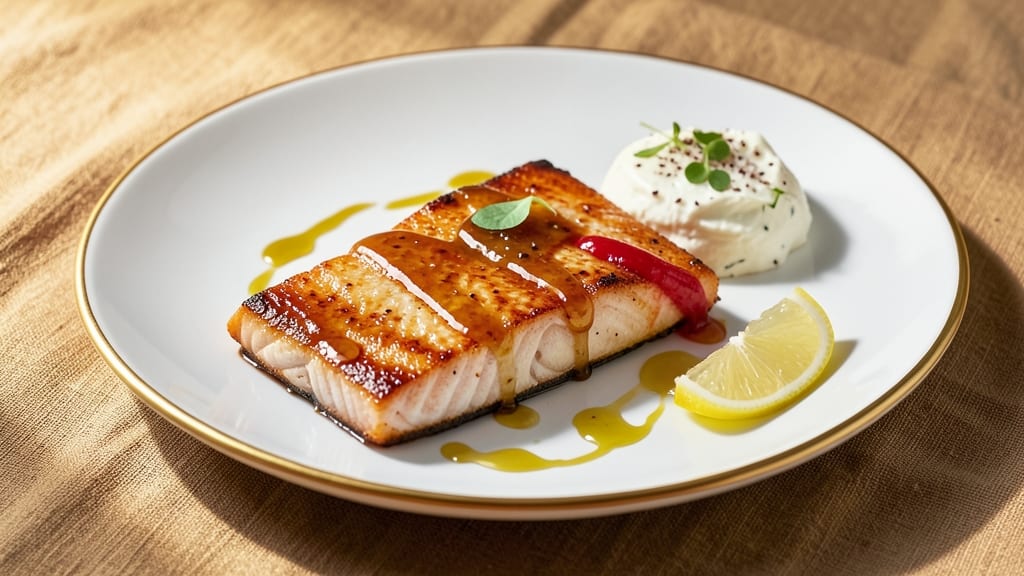
This sweet cod recipe transforms delicate white fish into golden, honey-glazed bites with a crispy exterior and tender center—all in just 20 minutes. The secret lies in balancing sweetness with savory notes through a simple honey-mustard glaze that caramelizes beautifully under the broiler.
I developed this method after years of experimenting with quick, restaurant-quality seafood dishes that don’t require fancy techniques.
The beauty of this recipe is its simplicity: five ingredients come together to create a dish that feels indulgent yet remains light and healthy. The cod stays moist thanks to a precise cooking time, while the glaze achieves that perfect caramelized finish without burning.
This technique works equally well with fresh or frozen cod, making it a versatile option for busy weeknights or weekend meals.
What you’ll end up with is crispy, glistening cod bites that taste like they belong on a fine-dining menu. The honey glaze adds a subtle sweetness that pairs beautifully with the natural flavor of the fish, while a touch of Dijon mustard ensures the dish remains balanced.
Serve these over quinoa, with roasted vegetables, or alongside a fresh salad for a complete meal.
This recipe is perfect for those who want to elevate simple seafood without spending hours in the kitchen. The method scales easily, so you can make a single serving or feed a crowd—just adjust the glaze quantity accordingly. Once you try this, you’ll never settle for plain baked cod again.
Ingredients for sweet cod
Five essential ingredients transform delicate cod into restaurant-quality honey-glazed bites with crispy perfection.
| Ingredient | Amount | Notes |
|---|---|---|
| Cod Fillets 🐟 | 1 ½ lb | Skin-on, cut into 4 equal portions |
| Honey 🍯 | ¼ cup | Raw, unprocessed for purity |
| Dijon Mustard 🌶️ | 1 tbsp | High-quality, smooth variety |
| Extra-Virgin Olive Oil 🫒 | 2 tbsp | Light, fruity for balance |
| Fresh Lemon Juice 🍋 | 1 tbsp | From organic lemons |
| Diamond Crystal Kosher Salt 🧂 | 1 tsp | Fine grain for even seasoning |
| Freshly Ground Black Pepper 🌶️ | ½ tsp | Cracked peppercorns preferred |
| Garlic Cloves 🧄 | 2 cloves | Minced, for glaze enhancement |
| Unsalted Butter 🧈 | 1 tbsp | Cold, for crisping |
The cod selection is critical—look for fresh, skin-on fillets with vibrant color and minimal fishy odor. Whole Foods Market or local seafood purveyors offer the best quality, but frozen cod from Trader Joe's works beautifully if properly thawed. Skin-on pieces provide structural integrity during broiling, ensuring that crispy exterior we're after. If using frozen, pat the fillets thoroughly with paper towels to remove excess moisture before cooking. The honey should be raw and unprocessed—this preserves its delicate floral notes and prevents crystallization during caramelization. Local honey from farmers markets adds subtle regional variations that elevate the dish.
Substitutions are possible but require adjustments. For the honey, agave nectar works in a pinch but lacks depth—reduce to 2 tablespoons to maintain balance. Dijon mustard unavailable? Whole-grain mustard thinned with 1 teaspoon water mimics the texture. The olive oil can be swapped for avocado oil if you prefer a neutral profile. Fresh lemon juice can be substituted with bottled lemon juice, though fresh provides superior brightness. For those avoiding gluten, ensure your Dijon is certified gluten-free. The garlic can be omitted entirely if you prefer a cleaner flavor profile, though it adds subtle complexity that complements the sweetness.
Proper storage extends freshness and maintains texture. Fresh cod should be used within 2 days of purchase, stored on ice in the coldest part of your refrigerator. The honey glaze components can be pre-mixed and stored in an airtight container in the fridge for up to 5 days, though the Dijon will separate—simply whisk before use. Leftover cooked cod reheats beautifully in a 350°F oven for 8-10 minutes with a drizzle of fresh olive oil. For meal prep, portion the glaze separately and assemble just before serving to maintain crispiness. The butter should be kept in its original packaging in the freezer for maximum freshness.
Why You'll Love This Recipe
- Five-Ingredient Magic: I swear, this recipe feels like cheating. Honey and Dijon mustard? That’s all it takes to turn flaky cod into something so good, my picky husband doesn’t even ask for sauce.
- Weeknight Crutch: Honestly, I make this when I’m too tired to plan. Pan-sear the cod, drizzle the honey-lemon glaze, and boom—dinner’s ready while I’m still scrolling through my phone.
- Leftovers That Don’t Suffer: Between us, most fish gets sad in the fridge. Not this. The glaze keeps it moist, and I’ve reheated slices straight from the pan for breakfast—yes, even on a Tuesday night.
- Sweet-Savory Flex: This works for date night or lazy Sundays. Serve it with roasted potatoes for a hearty meal, or toss it in a salad for something light. The honey cuts through the richness like a dream.
Step-by-step instructions for honey-glazed crispy cod
This method delivers perfectly balanced sweetness, crispy skin, and tender flesh every time.
Prepare the Honey-Garlic Glaze
In a small saucepan, combine the 0.25 cup honey, 1 tbsp Dijon mustard, 1 tbsp fresh lemon juice, and minced 2 cloves garlic. Place over medium heat and bring to a gentle simmer. Cook for 3-4 minutes until the mixture thickens slightly and becomes translucent—this ensures the glaze will adhere properly to the cod without pooling.
The lemon juice prevents the honey from crystallizing during cooking, while the Dijon mustard adds depth that balances the sweetness. Stir occasionally to prevent scorching, and remove from heat once the mixture reaches 160°F on an instant-read thermometer. Let it cool for 5 minutes before using—this prevents the cod from steaming rather than searing.
Season and Sear the Cod
Pat the 1.5 lb cod fillets dry with paper towels, then season both sides generously with 1 tsp Diamond Crystal kosher salt and 0.5 tsp freshly ground black pepper. Heat 1 tbsp unsalted butter and 1 tbsp extra-virgin olive oil in a large skillet over medium-high heat until the butter foams and the oil shimmers.
Place the cod fillets skin-side down in the pan and cook for 3-4 minutes without moving them. You'll see the edges begin to crisp and pull away from the pan—that's your signal to flip. The skin should develop a golden-brown crust while the flesh remains just opaque in the center. Remove the cod and set aside on a wire rack, leaving the butter and oil in the pan.
Create the Crispy Glaze
Return the skillet to medium heat and add the remaining 1 tbsp extra-virgin olive oil. Pour the cooled honey-glaze mixture into the pan, immediately scraping up any browned bits from the bottom. Cook for 1-2 minutes until the glaze begins to bubble and thicken slightly—this creates a glossy, sticky coating that will caramelize beautifully.
Watch carefully to avoid burning; the glaze should reduce to a syrupy consistency that coats the back of a spoon. If it thickens too quickly, add 1 tsp water to loosen it. The goal is a balance between sticky and pourable—this ensures both adhesion and crispiness when the cod returns to the pan.
Finish and Crisp
Carefully place the cod fillets back into the skillet, skin-side up, and spoon the honey-glaze mixture evenly over the top. Cook for 2-3 minutes until the glaze bubbles vigorously and begins to caramelize. The edges should turn a deep amber color while maintaining a slight sheen—this indicates proper caramelization without burning.
For extra crispiness, place the skillet under a preheated broiler for 1-2 minutes, watching closely to prevent over-browning. The cod is done when the flesh flakes easily with a fork and the glaze has set into a glossy, crackly crust. Transfer to a serving platter and let rest for 2 minutes before serving.
Pro Tips For Making Sweet Cod
- Pat Dry First: Cod releases more water than you’d expect, and that’s the enemy of crispy edges. Use paper towels to blot both sides thoroughly—no need to scrub, just press firmly. I learned this the hard way when my first batch turned out soggy despite the honey glaze.
- Balance the Sweet: Honey’s richness can overpower the cod if you’re heavy-handed. Start with 1 tablespoon per fillet, then add lemon juice (about 2 tablespoons total) to cut through it. Taste the glaze before brushing—if it’s cloying, add a splash more lemon or a pinch of salt.
- Cook Skin-Side Down: The skin won’t brown much, but cooking it down first seals in moisture and prevents curling. Use medium heat—too hot and the mustard burns before the honey caramelizes. Flip only when the edges lift easily (about 3–4 minutes).
- Finish with Lemon Zest: A quick sprinkle of fresh lemon zest at the end brightens the dish without overpowering. It’s the one step I skip when I’m rushed, but the difference in freshness is noticeable—especially if you’re serving it with something earthy like roasted asparagus.
Pro cooking tips for sweet cod
Glaze Consistency Matters
The key to a perfect honey glaze is achieving the right balance between sticky and pourable. Too thick, and it won't adhere to the cod; too thin, and it'll pool rather than caramelize.
I aim for a consistency where the glaze coats the back of a spoon but still flows freely. For extra insurance, test it on a small piece of parchment paper—if it spreads but holds its shape, it's ready. 🌡️
Butter and Oil Ratio
Using equal parts butter and oil—1 tbsp each—creates the ideal searing surface. The butter adds richness while the oil prevents it from burning. If you're concerned about dairy, substitute with 2 tbsp avocado oil or ghee for a dairy-free option.
I always use unsalted butter to control the seasoning precisely.
Skin-Side Down First
Cooking the cod skin-side down first ensures that crispy texture we all crave. The skin acts as a protective barrier, preventing the fish from overcooking while creating a golden crust.
If your cod doesn't have skin, use a piece of parchment paper to mimic this effect—just press it gently against the fillets before searing. 🍳
Broiler Finish
The final broiler step is where the magic happens—it intensifies the caramelization and adds that restaurant-quality crisp. Watch closely, as broilers can vary in heat intensity. I recommend preheating the broiler for 3 minutes before using it to ensure even cooking.
If your kitchen gets smoky, crack the oven door slightly to release excess steam.
Resting Time
Letting the cod rest for 2 minutes after cooking allows the juices to redistribute, preventing them from running out when you cut in. This simple step makes a noticeable difference in texture.
I place the cod on a wire rack over a plate to catch any drippings—this keeps everything tidy and ensures the glaze stays in place. 💡
Glaze Adjustments
For a sweeter profile, add 1 tsp vanilla extract to the glaze. For heat lovers, incorporate ½ tsp red pepper flakes into the glaze or sprinkle on top just before serving.
The Dijon mustard can be reduced to ½ tbsp if you prefer a milder flavor, though I find the tang essential for balance. Always taste as you go—this glaze is forgiving but benefits from personalization.
Nutrition facts
Frequently asked questions
Can I use frozen cod for this sweet glaze recipe?
Thaw frozen cod overnight in the refrigerator before cooking. Pat it completely dry with paper towels to prevent steaming—this is critical for achieving that crispy skin. The glaze will adhere just as well to properly thawed frozen cod as it does to fresh.
What if I don't have Dijon mustard?
Use 1 tbsp whole-grain mustard thinned with 1 tsp water to mimic the texture, or substitute with 1 tsp yellow mustard plus 1 tsp honey for a milder flavor. The key is maintaining that slight tang to balance the sweetness—just don't skip it entirely or the glaze will taste one-dimensional.
How do I prevent the honey glaze from burning?
Keep the heat at medium-low when reducing the glaze and never walk away—it can go from perfect to burnt in seconds. For extra insurance, use a candy thermometer to remove the glaze when it reaches 220°F (soft-crack stage). If it thickens too quickly, remove from heat immediately rather than adding water, which can dilute the flavor.
Can I make this recipe ahead of time?
Prepare the glaze up to 5 days ahead and store it in an airtight container in the fridge. Cook the cod fresh, though—it loses crispiness when reheated. For meal prep, portion the glaze separately and assemble right before serving. The cod reheats best in a 350°F oven for 8-10 minutes with a drizzle of fresh olive oil.
What are the best sides for sweet cod?
Pair with bright, acidic elements to cut through the richness: lemon-butter asparagus, citrusy quinoa salad, or roasted Brussels sprouts with balsamic glaze. For a complete meal, add a crisp green salad with a red wine vinaigrette—this balances the sweetness perfectly while keeping the dish light and fresh.