
Breakfast & Brunch
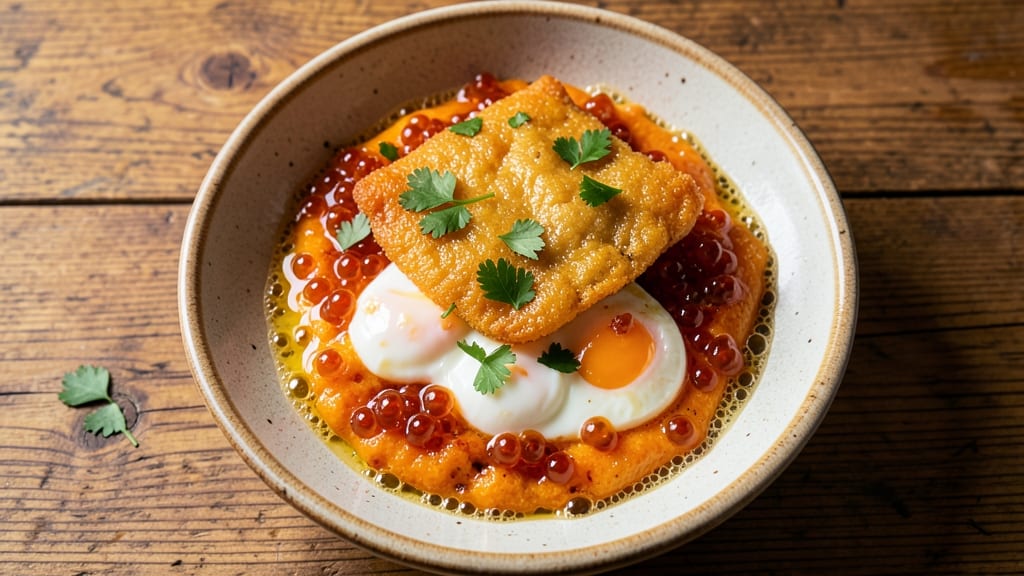
This fisherman's eggs recipe transforms delicate fish roe into golden, crispy bites with silky centers—each piece a perfect balance of texture and flavor. The technique originates from coastal cuisines where fishermen preserved their catch by frying the roe in simple batter, creating a dish that's both rustic and refined.
What makes this recipe special is how it preserves the roe's natural brininess while delivering that satisfying crunch on the outside and tender, custard-like interior.
The process is simpler than it sounds: clean the roe thoroughly, coat it in a light batter, and fry until golden brown. The key to success lies in using fresh roe and maintaining the right oil temperature—too hot, and it burns; too cool, and it stays raw.
Season with just a pinch of salt and pepper to let the natural flavors shine, though you can add fresh dill or a touch of chili flakes for extra depth if you like.
When served, these crispy bites are best enjoyed immediately while still warm, paired with lemon wedges to cut through the richness or arranged on toast for a satisfying breakfast. The contrast of textures—crispy, silky, and buttery—makes every bite unforgettable.
This dish is perfect for brunch gatherings, seafood platters, or as a unique appetizer that will impress even the most seasoned diners.
For those who want to experiment, try adding a splash of soy sauce or a sprinkle of smoked paprika to the batter for a modern twist. The possibilities are endless, but the foundation remains the same: crispy, golden perfection with a silky center that melts in your mouth.
Let’s get started on creating this coastal classic in your own kitchen.
Ingredients for fisherman's eggs
Four ingredients transform delicate fish roe into crispy, golden bites with silky centers—rustic meets refined right on your plate.
| Ingredient | Amount | Notes |
|---|---|---|
| Fresh Fish Roe (Salmon, Trout, or Cod) 🐟 | 1 cup | Freshly cleaned, no salt added |
| All-Purpose Flour 🌾 | ½ cup | Lightly sifted for smooth batter |
| Large Eggs 🥚 | 1 whole | Room temperature for even coating |
| Cold Beer (Light Lager or Pilsner) 🍺 | ¼ cup | Chilled, adds crispiness and lightness |
| Vegetable Oil 🫒 | 3 cups | High smoke point for frying |
| Granulated Sugar 🍚 | 1 tbsp | Balances brininess, optional |
| Salt 🧂 | ½ tsp | Kosher or sea salt preferred |
| Freshly Ground Black Pepper 🌶️ | ¼ tsp | Freshly cracked for best flavor |
| Fresh Dill (Optional) 🌿 | 2 tbsp | Chopped finely for garnish |
| Lemon Wedges 🍋 | 2 whole | For serving, fresh squeezed |
| Smoked Paprika (Optional) 🌶️ | ½ tsp | For modern twist in batter |
| Soy Sauce (Optional) 🍜 | 1 tbsp | For umami depth in batter |
The roe is everything here. Salmon or trout roe gives that perfect balance of brininess and richness, but cod roe works too if that's what you find. Grab it fresh from a seafood market—Whole Foods or local fishmongers usually have it cleaned and ready to go. If it's still salted, rinse it thoroughly under cold water to remove excess brine. The fresher, the better—look for vibrant color and a slightly sticky texture. Costco sometimes carries frozen roe, but fresh is absolutely essential for that authentic texture. Pro tip: buy extra—you'll want seconds!
No beer on hand? Cold sparkling water works in a pinch, though it won't add that same crispy texture. The batter needs to be light but sturdy—think pancake batter consistency. If your roe is extra briny, reduce the salt to just a pinch or skip it entirely. For the optional smoked paprika or soy sauce, Trader Joe's has great affordable options. Want to get fancy? Penzeys for the smoked paprika—it's worth the splurge. The dill? Fresh is ideal, but if you're out, dried dill at half the amount gets you close. And don't skip the lemon wedges—Mexican or Persian limes add a tangy twist if you're feeling adventurous.
Keep your roe refrigerated until ready to use—no more than 2 days after purchase. The batter can be prepped ahead and stored in the fridge for up to 4 hours, but the oil needs to be hot and ready to go when you fry. These crispy bites are best served immediately, but they'll keep warm for 10-15 minutes if covered loosely with foil. For leftovers (if there are any), store in an airtight container for 1 day—though honestly, they won't last that long. Freezing isn't recommended—they lose that perfect crunch. Make a double batch and freeze portions of the batter instead!
Why You'll Love This Recipe
- Here’s what sold me: you’re basically turning cheap pantry staples into something that tastes like a seafood restaurant. The fish roe might seem pricey, but a little goes a long way, and the rest—flour, eggs, beer—are things you’re probably already buying. It’s the kind of dish that makes you feel fancy without breaking the bank.
- No-Fuss Frying: I swear by this recipe because it’s the kind of dish that doesn’t demand perfection—just a hot pan, a little oil, and the confidence to let the beer and eggs work their magic. The fish roe adds that briny, pop-in-your-mouth texture without needing any fancy skills, and honestly? Even if the batter looks lumpy, it still turns out golden and addictive.
- Beer-Infused Magic: That cold lager isn’t just a gimmick—it’s the secret weapon. The effervescence lightens the batter, giving you a crispy shell with a tender, almost custardy center. And between us, the beer’s subtle bitterness cuts through the richness of the roe, balancing every bite like a well-paired cocktail. (Yes, even on a Tuesday night.)
- Game for Any Gathering: I’ve served these at tailgates, last-minute dinner parties, and lazy Sundays, and they’ve never failed to impress. The roe adds a luxurious touch that feels special, but the recipe itself is so simple it won’t stress you out. Plus, the leftovers reheat beautifully—just a quick pan-fry to revive that crispy edge.
Step-by-step instructions for fisherman's eggs recipe: crispy top, silky egg center magic
Here's how to transform simple ingredients into golden, crispy fisherman's eggs with a silky egg center—every time!
Prepare the Crispy Roe Coating
In a medium bowl, combine the 0.5 cup all-purpose flour, 0.5 tsp salt, 0.25 tsp freshly ground black pepper, and 1 tbsp granulated sugar (if using). If you're adding the optional 0.5 tsp smoked paprika or 1 tbsp soy sauce, include them now for that extra depth of flavor. Whisk everything together until smooth—you want a fine, even coating that will cling perfectly to the roe.
This dry mixture is your secret weapon for creating that signature crispy exterior. The sugar helps balance the brininess of the roe, while the pepper adds a subtle kick that complements the delicate fish flavor. I like to use a whisk for this step to ensure there are no lumps in the flour—those would create uneven crispiness when frying.
Create the Light Beer Batter
In a separate bowl, crack the 1 whole large egg and whisk it vigorously until the yolks and whites are fully combined. Slowly pour in the 0.25 cup cold beer while continuing to whisk—this creates a light, airy batter that will help the roe achieve that perfect crispy texture. The cold beer adds a subtle effervescence that makes the final product extra light and tender.
Here's the thing—don't rush this step. You want the batter to be smooth and well-aerated. If you notice any lumps from the flour mixture you prepared earlier, gently fold them in with a spatula until everything is uniformly combined. The beer should be cold (straight from the fridge) to maintain that crispy quality in the final product.
Combine and Chill the Batter
Gradually add the flour mixture to the egg-beer batter, whisking continuously until you achieve a smooth, pourable consistency—similar to heavy cream. The batter should coat the back of a spoon but still flow freely. If it's too thick, add a splash of cold beer (just a tablespoon or two) to reach the perfect texture.
Now for the crucial chilling step: cover the bowl with plastic wrap and refrigerate for at least 30 minutes (up to 2 hours). This resting period allows the batter to fully absorb the flavors and gives the flour time to hydrate properly. I know it seems counterintuitive to wait when you're eager to fry, but trust me—this makes all the difference in achieving that perfect crispy shell and silky interior.
Fry to Golden Perfection
Heat 3 cups vegetable oil in a deep skillet or Dutch oven over medium heat until it reaches 350°F—use a thermometer to be precise. While the oil heats, carefully dip each piece of 1 cup fresh fish roe into the chilled batter, allowing any excess to drip off. Gently lower the coated roe into the hot oil, working in batches to avoid overcrowding.
Fry for 2-3 minutes per side until the batter turns a beautiful golden brown color. You'll know it's ready when the exterior is crispy and the roe inside is just beginning to set. Don't walk away during this step—keep a close eye on the oil temperature. If it drops below 325°F, your roe won't crisp properly. Use a slotted spoon to transfer the fried roe to a paper towel-lined plate to drain excess oil.
Serve Immediately with Fresh Accents
Work quickly now—these are best served immediately while still hot and crispy! Arrange the fried roe on a platter and garnish with finely chopped 2 tbsp fresh dill (if using) and a squeeze of 2 whole lemon wedges. The bright acidity of the lemon cuts through the richness of the fried roe, while the dill adds a fresh herbal note that complements the fish flavor.
Serve with toothpicks for easy handling—these are perfect for appetizers, cocktails, or as a unique side dish. The contrast of the crispy exterior and the silky egg center is what makes fisherman's eggs so special. If you're feeling adventurous, try serving them with a side of spicy mayo or a tangy tartar sauce for dipping. Enjoy while they're hot!
Pro Tips For Making Fisherman'S Eggs
- Chill the Roe First: I learned this the hard way—straight-from-the-fridge roe sticks together like glue when you mix it into the batter. Give it 10 minutes in the freezer first, then gently break it up with your fingers. The cold shock loosens the grains so they distribute evenly, and your finished dish won’t have clumpy pockets of uncooked roe.
- Whisk Eggs Until Ribbon-Thick: Thin, watery egg mix means your fisherman’s eggs will fall apart when you flip them. Beat the eggs until they hold a slow, thick ribbon when you lift the whisk—about 2-3 minutes longer than you think you need. The beer will thin things out, but don’t skip this step or your crispy crust will turn into a sad, greasy mess.
- Skip the Crowding Pan: Sounds weird, but it works: cook your eggs in batches, even if it means two trips to the pan. Overcrowding steams them instead of searing, and you’ll end up with soggy bottoms. Two eggs at a time in a hot, oiled pan gives you that perfect golden crust every time—yes, even if you’re impatient like me.
- Use Lager, Not Lager Lite: My grandmother swore by this, and she was right: the maltiness in a standard light lager adds depth to the batter. Lager Lite or "light" beers are too watery and won’t give the same rich flavor. Stick with a crisp pilsner or lager—just enough to loosen the batter without drowning the fishy goodness.
Regional styles of this fisherman's eggs
British Coastal Tradition
Fisherman's eggs originated in the UK, particularly in coastal regions like Cornwall and Devon, where fishermen would preserve their catch by frying the roe in simple batter. Traditionally made with cod roe, these crispy bites were a quick, hearty snack for sailors and a delicacy for landlubbers alike.
The dish became a staple in British pubs during the 19th century, often served with malt vinegar or pickled onions to balance the richness. 🍽️
In modern British cuisine, fisherman's eggs are often paired with crispy fried bread or buttered toast for a satisfying breakfast or brunch. The simplicity of the dish—just roe, flour, beer, and a pinch of salt—reflects its humble origins, yet it remains a beloved classic.
For an authentic touch, use light British ale in the batter instead of lager, which adds a subtle malty depth.
Scandinavian Seafood Twist
Scandinavian countries like Sweden and Norway have their own take on fisherman's eggs, often using salmon or trout roe for a richer, more buttery flavor. The Swedish version, known as "fiskägg", sometimes includes a splash of aquavit in the batter for a distinctive Scandinavian kick.
This regional adaptation highlights how fisherman's eggs can evolve while keeping the core technique intact.
In Norway, these crispy bites are often served with dill-infused cream sauce or sour cream, adding a creamy contrast to the crispy exterior. For a Scandinavian-inspired twist, try adding fresh chives or a pinch of fennel seeds to the batter.
The colder climate of Scandinavia also means these are often enjoyed as a winter appetizer, paired with warm glögg (mulled wine) for a cozy touch.
Japanese Izakaya Style
While not a traditional Japanese dish, fisherman's eggs have found a home in izakayas (Japanese pubs) as "mentaiko-inspired" appetizers, often served with spicy mayo or ponzu sauce.
The Japanese adaptation focuses on salmon roe for its vibrant color and rich flavor, and sometimes includes mirin or sake in the batter for a subtle umami boost. This fusion style is all about balancing the crispy exterior with bold, flavorful dipping sauces.
For a Japanese-inspired version, try adding 1 tsp mirin and ½ tsp soy sauce to the batter, then serve with a side of spicy mayo (mix mayonnaise with sriracha and a pinch of sesame seeds).
Garnish with toasted sesame seeds or thinly sliced scallions for an extra layer of texture. The result is a dish that bridges coastal British tradition with Japanese izakaya flair.
American Seafood Bar Adaptation
In the US, fisherman's eggs are a popular appetizer at seafood bars and oyster houses, often served as part of a shared platter with fried oysters or shrimp cocktail.
The American version tends to be slightly bolder, with batters that include Cajun seasoning or smoked paprika for a spicy kick. This adaptation reflects the country's love for bold, flavorful seafood dishes.
For a Southern-inspired twist, add ½ tsp Cajun seasoning or ¼ tsp cayenne pepper to the batter, then serve with hot sauce or remoulade on the side. Pair these crispy bites with cornbread or hushpuppies for a full Southern seafood experience.
The key here is to keep the roe crispy while letting the bold flavors shine through.
Nutrition facts
Frequently asked questions
What type of fish roe works best for fisherman's eggs?
Cod roe is the traditional choice for that classic briny flavor, but salmon or trout roe works beautifully too. The key is using fresh, high-quality roe—look for vibrant color and a slightly sticky texture. Avoid pre-salted roe unless you rinse it thoroughly first, as excess salt can make the batter too heavy.
Can I make fisherman's eggs without beer in the batter?
Use cold sparkling water or even chilled white grape juice as a substitute. The beer adds crispiness and lightness, but these alternatives work in a pinch. For extra flavor, try adding a splash of lemon juice or a pinch of sugar to mimic the beer's effect on the texture.
Why did my fisherman's eggs turn out greasy instead of crispy?
Greasy results usually mean the oil wasn't hot enough (325°F minimum) or the roe was overcrowded in the pan. Keep batches small and maintain oil temperature—use a thermometer! Also, make sure your batter is properly chilled before frying, which helps create that perfect crispy shell.
How do I store leftover fisherman's eggs?
These are best eaten fresh, but you can store them in an airtight container for up to 1 day at room temperature. For longer storage, freeze the batter (not fried roe) for up to 1 month
What's the best way to serve fisherman's eggs at a party?
Arrange them on a platter with toothpicks for easy grabbing, and offer dipping sauces like spicy mayo or tartar sauce. Pair with lemon wedges, fresh dill, and warm toast or crackers. For a showstopper, create a seafood platter with fried oysters or shrimp cocktail for a complete coastal spread.