
Main Courses
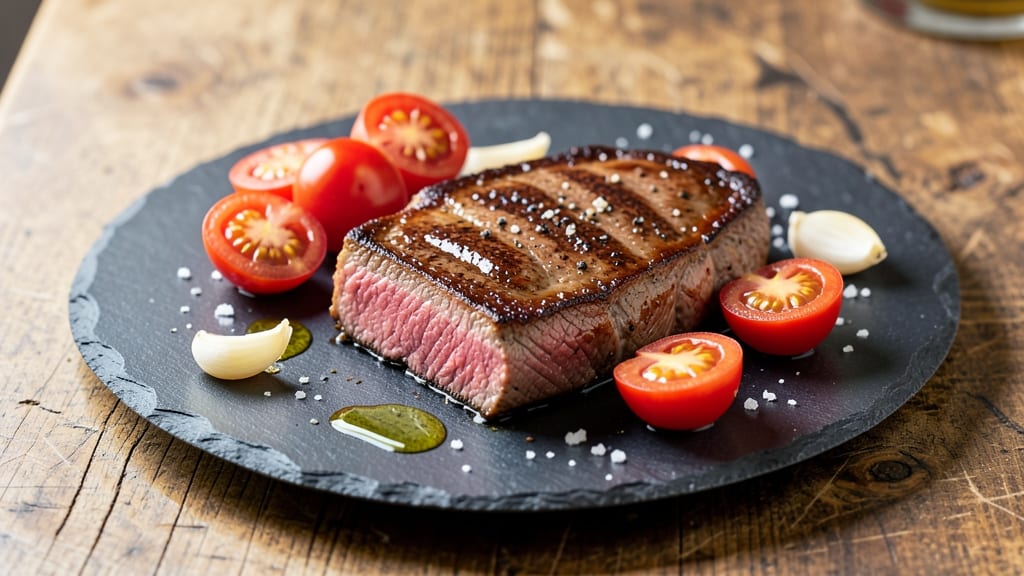
A perfectly pan-seared steak with tomatoes recipe transforms a simple weeknight dinner into an elegant meal that feels like a restaurant experience. The secret lies in achieving a crispy crust on the steak while balancing it with sun-ripened tomatoes that burst with sweetness and acidity.
I’ve refined this technique over years of testing—balancing high heat for the steak and gentle cooking for the tomatoes to ensure neither overpowers the other.
This method delivers restaurant-quality results in under 30 minutes, making it ideal for impressing guests or treating yourself. The tomatoes are roasted until caramelized, their juices reducing into a rich, tangy sauce that complements the steak’s richness.
Proper seasoning and resting the meat ensure a tender interior with a crusty exterior, while the tomatoes add brightness and depth.
By the end, you’ll have a dish that’s visually stunning—a golden-brown steak resting on a bed of glossy, roasted tomatoes with their edges slightly charred. The aromas alone will have everyone anticipating dinner, and the first bite delivers a perfect balance of textures and flavors.
This is the kind of meal that elevates an ordinary night into something memorable.
Pair it with creamy mashed potatoes or a simple arugula salad to round out the plate. The technique is straightforward, but the results are anything but basic—this is steak done right, with tomatoes that steal the show. Let’s get cooking.
Ingredients for steak with tomatoes
Restaurant-quality steak and tomatoes demand quality ingredients—this list delivers crispy crusts and sun-ripened sweetness.
| Ingredient | Amount | Notes |
|---|---|---|
| Ribeye Steak 🥩 | 1 ½ lb | Center-cut, 1-inch thick, room temperature |
| Cherry Tomatoes 🍅 | 1 ½ lb | Sun-ripened, vine-ripened preferred |
| Extra-Virgin Olive Oil 🫒 | ¼ cup | High quality, fruity, cold-pressed |
| Kosher Salt 🧂 | 1 ½ tsp | Diamond Crystal preferred, coarse grain |
| Freshly Ground Black Pepper 🌶️ | 1 tsp | Cracked peppercorns, freshly ground |
| Garlic Cloves 🧄 | 4 cloves | Fresh, peeled, smashed |
| Fresh Thyme Leaves 🌿 | ¼ cup | Finely chopped, stems removed |
| Balsamic Vinegar 🍷 | 2 tbsp | Aged, aged 10+ years preferred |
| Unsalted Butter 🧈 | 2 tbsp | European-style, 82% fat content |
| Red Wine 🍷 | ½ cup | Cabernet Sauvignon, dry, room temperature |
| Fresh Basil Leaves 🌿 | ⅛ cup | Torn, for garnish |
| Flaky Sea Salt 🧂 | 1 tsp | Maldon preferred, for finishing |
The ribeye is non-negotiable for this recipe—its marbling delivers unmatched tenderness and flavor when seared properly. Butcher shops often carry center-cut ribeye with ideal fat distribution, but high-end grocery stores like Whole Foods or Eataly carry excellent pre-packaged options. Look for steaks with a vibrant red color and visible fat marbling; thickness matters too—aim for 1-inch cuts that won't overcook before developing crust. The cherry tomatoes should be firm yet yielding to gentle pressure, with a deep red hue indicating full ripeness. Heirloom varieties from farmers markets elevate the dish further, though standard cherry tomatoes work perfectly well for weeknight cooking. Always buy tomatoes that feel heavy for their size—this indicates juiciness and sweetness.
Substitutions must preserve the dish's balance. For ribeye, New York strip steak works equally well but with slightly less marbling, while filet mignon requires more precise cooking to avoid overcooking. If cherry tomatoes aren't available, heirloom or beefsteak tomatoes halved work beautifully—their juices reduce into a richer sauce. For the red wine, Merlot or Pinot Noir provide excellent alternatives, though Cabernet Sauvignon's boldness complements the dish best. Fresh thyme can be substituted with dried thyme at one-third the amount, but the fresh herb's aroma is worth seeking out. The balsamic vinegar can be swapped for aged red wine vinegar, though it lacks the same depth of flavor. For butter, ghee provides a similar richness with higher smoke point, ideal for high-heat searing.
Proper storage maximizes flavor and texture. Ribeye should be removed from refrigeration 1 hour before cooking to reach room temperature—this ensures even cooking and optimal crust formation. Store raw steak in its original packaging for up to 5 days or freeze for 6-12 months in airtight containers. Cherry tomatoes keep best at room temperature for 2-3 days, though refrigeration extends their shelf life to 1 week. Once cooked, the steak and tomato mixture reheats beautifully—simmer gently in a skillet with a splash of red wine for 3-4 minutes to maintain moisture. The dish freezes well for 3 months when stored in airtight containers, though textures may slightly alter upon thawing. Fresh herbs like thyme and basil should be stored in damp paper towels within resealable bags for up to 5 days.
Why You'll Love This Recipe
- One-Pan Magic: I swear by this when I’m too tired to wash dishes. Cast iron or sheet pan—just sear the steak, toss in halved tomatoes, and let the residual heat blister them into sweet, juicy perfection. No chopping, no fuss, no stress.
- Juicy & Tangy: That first bite—seared ribeye with tomatoes bursting like little sunsets? The olive oil keeps the steak tender while the tomatoes add bright acidity that cuts through the richness. Honestly, it’s the kind of flavor that makes you pause mid-bite.
- Weeknight or Date Night: Same recipe, two vibes. Throw it on the table for a lazy Tuesday with crusty bread, or dress it up with a sprinkle of flaky salt and a glass of wine for when you’re pretending you’re not cooking in your pajamas. (Yes, even on a Tuesday night.)
- Leftover Luxury: Cook once, enjoy twice. The steak stays tender for days, and the tomatoes? They just get sweeter. I’ll often repurpose slices into a quick salad or wrap them in tortillas for a no-cook lunch—zero waste, all flavor.
Step-by-step instructions for steak with tomatoes
Master this technique and you'll achieve a perfect balance of caramelized crust, tender steak, and sweet-tart tomato sauce every time.
Prep the Steak and Tomatoes for Maximum Flavor
Pat the 1.5 lb ribeye steak completely dry with paper towels—this ensures maximum surface area for browning. Season both sides generously with 1.5 tsp kosher salt and 1 tsp freshly ground black pepper, pressing the seasoning into the meat. Let the steak sit at room temperature for 30 minutes while you prepare the tomatoes.
Halve the 1.5 lb cherry tomatoes lengthwise and remove the cores. In a bowl, toss them with 0.25 cup extra-virgin olive oil, 0.25 cup finely chopped fresh thyme leaves, and 1 tsp flaky sea salt. Set aside—this marinade will enhance their natural sweetness while preventing them from releasing too much liquid during cooking.
Sear the Steak to Develop Deep Flavor and Crust
Heat a 12-inch cast-iron skillet over high heat until it's screaming hot—you should see a shimmer of heat when you hold your hand about 3 inches above it. Add the 2 tbsp unsalted butter and let it foam for 30 seconds. Place the steak in the pan and sear for 3 minutes without moving it, until a deep golden-brown crust forms.
Flip the steak and sear the opposite side for another 3 minutes. Then add the 4 smashed garlic cloves and 0.5 cup red wine, scraping up any browned bits from the bottom of the pan. This deglazing step captures all the concentrated flavors that would otherwise burn. Reduce heat to medium and let the wine simmer for 2 minutes until reduced by half.
Cook the Tomatoes Until Sweet and Jammy
Add the prepared cherry tomatoes to the skillet, nestling them around the steak. They should sizzle gently—if they're not, increase heat slightly. Cook for 8-10 minutes, stirring occasionally, until the tomatoes collapse slightly and release their juices, forming a glossy, jammy sauce. The steak should reach an internal temperature of 130-135°F for medium-rare.
Here's where timing matters: the tomatoes need to soften and caramelize, but you don't want them to turn mushy. You'll know they're perfect when they're deeply colored, slightly shriveled, and release their juices easily when pressed. If the sauce becomes too thin, reduce heat and let it thicken naturally.
Rest the Steak and Finish with Herbs
Transfer the steak to a cutting board and tent loosely with foil. Let it rest for 8-10 minutes—this crucial step allows the juices to redistribute throughout the meat. While it rests, spoon the tomato sauce over the steak and sprinkle with 0.125 cup torn fresh basil leaves. Add 2 tbsp balsamic vinegar to the sauce and toss gently to combine.
Return the skillet to medium-low heat and let the sauce reduce for another 2 minutes until it coats the back of a spoon. The balsamic vinegar adds a bright acidity that cuts through the richness of the steak and butter. The basil leaves should wilt slightly, releasing their aromatic oils into the sauce.
Slice and Serve with Confident Technique
Slice the steak against the grain into ½-inch thick pieces, working quickly so the meat stays warm. Arrange the slices on warm plates, spooning the tomato sauce generously over each portion. The sauce should cling to the steak, creating a beautiful contrast of colors and textures.
Garnish each serving with additional torn fresh basil leaves and a sprinkle of flaky sea salt just before serving. The salt enhances the natural flavors of the steak and tomatoes, while the basil adds a fresh, bright finish. Serve immediately with crusty bread or roasted potatoes to soak up the delicious sauce.
Pro Tips For Making Steak With Tomatoes
- SEAR FIRST, THEN TOMATOES: High heat for the steak first—drop those tomatoes in later. The tomatoes will blister beautifully while the steak develops its crust, and you won’t steam the steak with their juices.
- HALVE THE TOMATOES: Cut them in half lengthwise, not crosswise—this exposes more surface area for browning and keeps them intact while releasing flavor. (Yes, even if it looks messy at first.)
- SALT THE STEAK BEFORE SEARING: Generously salt the ribeye 40 minutes before cooking—it seasons deeper and prevents over-salting later. Skip this, and you’ll end up chasing flavor with extra salt after the pan sear.
- LET THE STEAK REST WITH TOMATOES: Transfer the steak to a warm plate, then pile the seared tomatoes on top. The residual heat finishes cooking them while the steak rests—no extra pan needed, and the tomatoes stay juicy. (Your knife will thank you.)
Storing and reheating this dish
Refrigerator Storage
Steak and tomatoes reheat beautifully when stored properly in the fridge. After cooking, let the dish cool to room temperature for no more than 2 hours before transferring to an airtight container—I use glass Pyrex with snap-on lids.
Store at 40°F or below for up to 3 days, though the steak’s texture softens slightly over time. The tomato sauce actually improves in flavor as it rests, developing deeper caramelized notes. 💡
Freezer-Friendly Tips
For longer storage, freeze the dish in a quart-sized freezer bag or airtight container, leaving 1-inch headspace for expansion. It keeps for 2-3 months without significant quality loss. Thaw overnight in the fridge, then reheat gently—never microwave directly from frozen.
The steak’s crust may soften, but the tomato sauce retains its richness. Label with the date to track freshness.
Stovetop Reheating
My preferred method preserves the steak’s texture perfectly. Heat a skillet over medium-low heat and add 1 tbsp olive oil. Pour in the steak and tomato mixture, then cover to trap steam. Warm for 5-7 minutes, stirring occasionally, until reaching 165°F internal temperature.
Add a splash of red wine or beef broth if the sauce seems dry. Taste and adjust seasoning—reheated dishes often need extra salt. 🔥
Microwave Shortcuts
For quick reheating, transfer portions to a microwave-safe dish and cover with a damp paper towel. Heat on 50% power for 2-3 minutes, stirring halfway. The steak will stay tender, but the tomato sauce may separate slightly.
Stir vigorously to recombine before serving. This method works best for leftovers you plan to eat within 1-2 days of reheating.
Reviving the Crust
If reheating steak, the crust inevitably softens. To restore it, sear the slices in a hot skillet for 30 seconds per side after reheating. This quick step creates a fresh crust while keeping the interior warm.
For extra flavor, add a pat of butter to the pan while searing—it melts into the crust, adding richness. The tomato sauce benefits from this too, as the heat intensifies its caramelized flavors.
Tomato Sauce Rescue
If your reheated tomato sauce looks watery, return it to the stove and simmer uncovered for 3-5 minutes to reduce. Add 1 tsp cornstarch mixed with 1 tbsp water if needed, stirring until thickened.
Avoid overcooking—just enough to restore its glossy consistency. The acidity from the balsamic vinegar will help balance any excess moisture, keeping the sauce vibrant and flavorful. ✨
Nutrition facts
Frequently asked questions
What's the best cut of steak for this recipe?
Ribeye is ideal for its marbling and flavor, but New York strip works equally well. Avoid lean cuts like sirloin—they won't develop the same rich crust. A 1-inch thick cut ensures perfect doneness without overcooking the exterior.
Can I use regular tomatoes instead of cherry tomatoes?
Halve heirloom or beefsteak tomatoes for a meatier texture. Their juices create a deeper, jammy sauce. Cherry tomatoes work best for their sweetness and quick cooking time, but larger tomatoes add heartiness to the dish.
How do I fix undercooked or overcooked steak?
For undercooked steak, return it to the skillet for 1-2 minutes per side on medium heat. Overcooked steak can't be revived, but slice thinly and serve with extra tomato sauce to compensate. Always use a meat thermometer—130-135°F for medium-rare is perfect.
What's the secret to the perfect crust?
Start with a screaming hot skillet and pat the steak bone-dry. Use high heat for 3 minutes per side without moving it, then baste with butter. The key is patience—don't rush the searing or the crust will be uneven.
Can I make this dish ahead of time?
Yes! Cook the steak and tomatoes completely, then refrigerate in an airtight container for up to 3 days. Reheat gently on the stove—never microwave. The flavors actually improve overnight as the tomatoes caramelize further.