
Main Courses
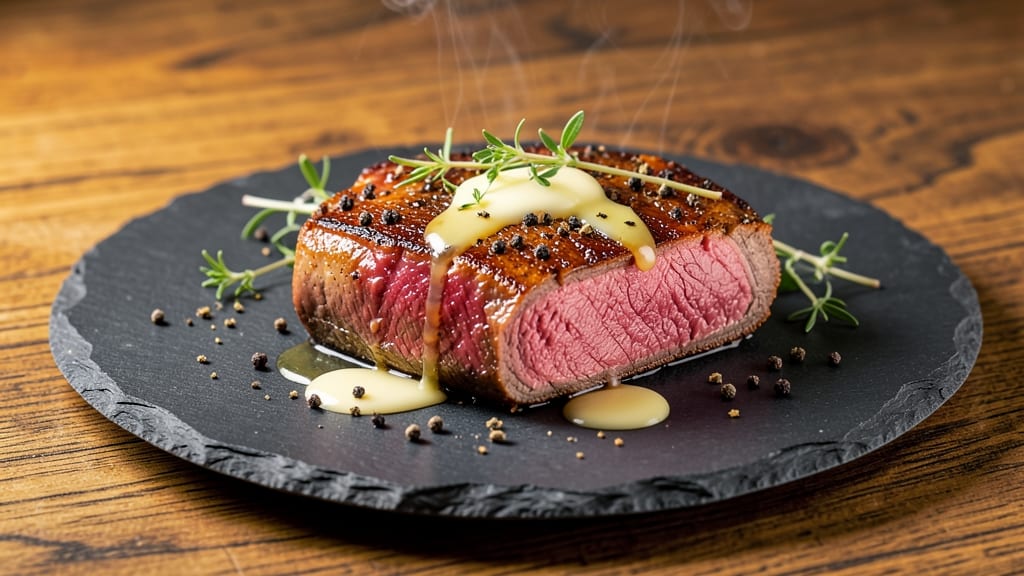
This sous vide New York strip steak recipe transforms a simple cut into a restaurant-quality centerpiece with buttery tenderness and a precision-seared crust.
The secret lies in temperature control—cooking the steak to an exact internal temperature before finishing with a hot sear creates that perfect balance of juicy interior and flavorful exterior. I've perfected this method after years of testing, and it consistently delivers results that impress even the most discerning steak lovers.
This recipe requires just five key ingredients and a two-hour total time (including prep and resting), making it surprisingly simple for such a refined dish. The vacuum sealing process ensures even cooking, while the high-heat sear at the end develops that coveted caramelized crust.
Whether you're cooking for a special occasion or treating yourself to a weekend indulgence, this method guarantees steak that's tender enough to melt yet structured enough to hold its shape.
The result is a steak with a deep, beefy flavor and a crisp exterior that shatters with each bite, revealing perfectly pink centers. The sous vide technique eliminates guesswork, ensuring consistent doneness every time.
Pair it with classic sides like garlic mashed potatoes or a fresh arugula salad to complete the meal. This isn't just another steak recipe—it's a foolproof method for achieving steakhouse perfection at home.
For those new to sous vide, don't worry—the process is simpler than it seems. We'll walk through every step, from vacuum sealing to searing, with clear instructions and professional tips.
Once you try this method, you'll never go back to traditional grilling or pan-searing for your New York strip steaks again. Let's get started on creating your most tender, flavorful steak yet.
Ingredients for sous vide new york strip steak
Five premium ingredients elevate simple steak into a restaurant-worthy masterpiece.
| Ingredient | Amount | Notes |
|---|---|---|
| New York Strip Steak 🥩 | 2 lb | Center-cut, 1.5-inch thickness |
| Kosher Salt 🧂 | 1 ½ tbsp | Diamond Crystal preferred, coarse grain |
| Black Peppercorns 🌶️ | 1 ½ tbsp | Freshly cracked, coarse grind |
| Unsalted Butter 🧈 | ½ cup | European-style, 82% fat content |
| Extra-Virgin Olive Oil 🫒 | 2 tbsp | High smoke point, fruity flavor |
| Fresh Thyme Sprigs 🌿 | 4 whole | Organic, stems removed |
| Garlic Cloves 🧄 | 4 cloves | Unpeeled, smash lightly |
The New York strip steak must be center-cut and uniform in thickness—1.5 inches—for even cooking. Snake River Farms or USDA Prime from your butcher deliver superior marbling. Avoid pre-trimmed steaks; trim excess fat yourself for better control. The Kosher salt should be Diamond Crystal—its larger crystals dissolve slower, creating a better crust. Freshly cracked black peppercorns (not pre-ground) add complexity. For the butter, European-style with 82% fat ensures rich flavor without burning during sear. Plugrá or Kerrygold are reliable brands.
No fresh thyme? Substitute dried thyme at one-third the amount, but fresh is ideal for aromatic depth. Short on garlic? Garlic powder at half the amount works, though fresh imparts better flavor. The extra-virgin olive oil must have a high smoke point—California Avocado Ranch or Colavita are excellent choices. For the butter, if you can't find European-style, unsalted butter with 80% fat suffices. The steak should rest room temperature for 1 hour before vacuum sealing—this ensures even cooking. Pre-trimmed steaks? Trim to 0.25-inch fat cap for cleaner searing.
Store whole steaks in the fridge for up to 5 days or freeze for 6-12 months in vacuum-sealed bags. The butter and olive oil keep for 6 months at room temperature in airtight containers. Thyme lasts 1 week wrapped in damp paper towels. Garlic stays fresh 2 months unpeeled in the fridge. For leftovers, reheat sous vide steak in the water bath at 120°F for 1 hour—never microwave, as it ruins the texture. The seared crust won't reheat perfectly, but the interior remains tender.
Why You'll Love This Recipe
- No-Fuss Precision: I swear by this method—just season, seal, and let the water bath do the work. No flipping, no guessing, no stressing over a charred exterior or overcooked center. The steak comes out perfect every single time, even if I’m distracted by a screaming toddler or a work call.
- Butter-Basted Luxury: That crispy crust? All thanks to a quick sear in olive oil and a finish with browned butter. The flavor is ridiculously rich—deep, beefy, with just enough salt and pepper to make your taste buds sing. Honestly, it tastes like a steakhouse, but I’m the one who made it.
- Weeknight or Date Night: This recipe works for everything. Throw it together for a lazy Tuesday dinner or impress someone special with minimal effort. The sous vide keeps it tender, so you can pair it with anything—mashed potatoes, a simple salad, or even just crusty bread. No overthinking required.
- Leftovers That Don’t Suck: Unlike regular grilled steak, sous vide keeps the meat juicy even the next day. I’ve reheated slices in a pan with a little butter, and they’re still solid for sandwiches or a quick breakfast hash. Between us, that’s a game-changer for busy mornings.
Step-by-step instructions for sous vide New York strip steak
Precision cooking begins with exacting preparation—here's how to achieve restaurant-quality results at home.
Season and Prepare the Steak
Remove the 2 lb New York Strip Steak from packaging and pat it completely dry with paper towels. This step is critical—any moisture on the surface will prevent proper searing later. Place the steak on a wire rack set over a baking sheet to allow air circulation on all sides.
Generously season both sides with the 1.5 tbsp Kosher Salt and 1.5 tbsp freshly cracked Black Peppercorns. Press the seasoning firmly into the meat so it adheres completely. I like to work in two stages: first coat the entire surface, then sprinkle additional seasoning in a crosshatch pattern. This ensures even distribution and maximum flavor penetration.
Let the seasoned steak sit at room temperature for 30 minutes before sous vide cooking. This allows the meat to come to ambient temperature, ensuring even heat distribution during cooking. The seasoning will also begin to penetrate the surface slightly, creating a more flavorful crust later.
Sous Vide for Perfect Tenderness
Fill a large sous vide bag with enough water to fully submerge the steak. Add the 4 whole Fresh Thyme Sprigs and 4 lightly smashed Garlic Cloves to the bag. Gently place the steak inside, ensuring it's fully immersed in the water. Seal the bag completely, removing all air to prevent uneven cooking.
Cook the steak in a water bath maintained at 130°F for 24 hours. This low-temperature cooking transforms the tough muscle fibers into silky tenderness while preserving all the natural juices. The thyme and garlic will infuse subtle aromatic notes throughout the meat. I use a precision thermometer to monitor the water temperature constantly—even a 2°F variation can affect results.
After 24 hours, remove the steak from the bag and pat it dry again with fresh paper towels. This final drying step is essential for achieving that perfect crust during searing. The surface should be completely dry with no moisture remaining—this is your signal that the steak is ready for the next critical step.
Create the Buttery Compound Butter
While the steak cooks, prepare the finishing butter by combining the 0.5 cup Unsalted Butter with the remaining 1 tbsp Kosher Salt and 1 tbsp Black Peppercorns. I like to use a small bowl and mix these ingredients with a fork until fully incorporated. The butter should be smooth with visible salt and pepper flecks throughout.
Shape the butter into a log by pressing it into a piece of parchment paper and rolling it tightly. Twist the ends to seal, then chill in the refrigerator until firm. This butter compound will melt beautifully during the final sear, creating a luxurious crust while adding depth of flavor to each bite.
Sear for Crust and Carryover Cooking
Heat a heavy cast-iron skillet over high heat until it's smoking hot. Add the 2 tbsp Extra-Virgin Olive Oil and let it shimmer for 30 seconds. Place the steak in the pan and sear for 2 minutes per side, pressing down gently with a spatula during the first minute to ensure even contact with the hot surface.
In the final 30 seconds of searing, place the chilled butter compound on top of the steak. The butter should melt immediately, creating a golden crust that encases the steak. You'll see it bubble and sizzle—this is your signal that the crust is forming properly. Remove the steak from the pan and let it rest for 10 minutes before slicing.
During this resting period, the internal temperature will rise by about 5°F through carryover cooking. This final temperature should reach 135°F for medium-rare perfection. Slice the steak against the grain into ½-inch thick portions and serve immediately with the remaining compound butter melted on top.
Pro Tips For Making Sous Vide New York Strip Steak
- Vacuum-Seal Tight: DESCRIPTION: I learned this the hard way—leaving even a tiny gap in the vacuum seal means your steak won’t cook evenly. Press the bag flat, roll it gently to push out air bubbles, and double-check the seal by trying to open it before submerging. A weak seal = a sad, unevenly cooked steak.
- Salt Before Sealing: DESCRIPTION: More salt than you think—generously coat both sides of the steak with kosher salt and freshly cracked black pepper before vacuum-sealing. The salt won’t dissolve in the water bath, but it’ll penetrate deeper during the long cook, giving you that perfect seasoning all the way through.
- Skip the Crowding: DESCRIPTION: Resist the urge to stuff your water bath with multiple steaks at once. Crowding drops the temperature and steams the meat instead of cooking it properly. One steak per bag, one bag per water bath—yes, even if you’re impatient like me.
- Sear in Butter: DESCRIPTION: After sous vide, sear the steak in a screaming-hot cast-iron pan with just 1 tablespoon of unsalted butter and a splash of olive oil. The butter adds richness and helps create that crust—don’t skip this step, even if you’re tempted to cut straight into the steak. (Your future self will thank you.)
Regional styles of this dish
Classic New York Style
This method mirrors classic New York steakhouses where the focus is on thick-cut, dry-aged beef and a high-heat crust. The key difference is our sous vide precision—traditional NY steaks are often cooked to 125°F internal for blue rare, but I prefer 130°F for that perfect medium-rare finish.
Use Snake River Farms dry-aged strip steaks for authentic flavor, and sear in a Lodge cast iron skillet to replicate that iconic restaurant crust. 🥩
Chicago's Buttery Finish
Chicago steakhouses like Charlie Trotter's popularized the buttery crust technique we use here. Their signature move was melting butter directly on the steak during searing—a method I've adapted with our compound butter.
For extra richness, add 1 tbsp minced shallots to the butter compound before chilling. Serve with Chicago-style garlic mashed potatoes and a red wine reduction for the full experience.
Texas-Style Reverse Sear
While we're doing sous vide, Texas pitmasters would argue for their reverse sear method—but with a twist. Start by sous viding at 140°F for 2 hours (instead of 24), then finish with a 450°F oven sear for 10 minutes.
Add 1 tsp smoked paprika to the seasoning for that Texas BBQ touch. Serve with peach BBQ sauce and grilled jalapeño corn for a fusion twist.
French Bistro Elegance
For a Parisian touch, reduce the searing time to 1 minute per side and add 1 sprig rosemary to the sous vide bag alongside the thyme.
French bistros often serve steak with bearnaise sauce, so prepare a quick version by emulsifying ½ cup melted butter, 1 tbsp Dijon mustard, and 1 tbsp white wine vinegar. Drizzle over sliced steak with crispy fried shallots on top.
Modern Fusion Approach
Blend techniques by adding 1 tbsp gochujang to the compound butter for a Korean-inspired kick. Sear in a sesame oil-coated skillet for 30 seconds per side before adding the butter.
Serve with kimchi fried rice and quick-pickled cucumbers for a bold flavor contrast. This approach keeps the precision of sous vide while adding global inspiration. 🌶️
Southern Comfort Twist
For a Southern touch, add ½ tsp cayenne pepper to the seasoning and serve with stone-ground grits and collard greens. The sous vide method ensures tender meat even for those who prefer their steak cooked to 140°F (medium-well).
Finish with a sprinkle of crumbled bacon on top of the sliced steak for extra richness.
Nutrition facts
Frequently asked questions
Can I use a regular vacuum sealer instead of a sous vide machine?
Yes, but with adjustments! Use a water bath in a large pot with a sous vide circulator or even a slow cooker on "keep warm." For a vacuum sealer, place the steak in a vacuum-sealed bag with water and cook in a 130°F water bath (use an immersion circulator). If you don’t have one, a 140°F slow cooker works—just monitor the temperature closely. The key is maintaining precise heat for even cooking.
How do I adjust the cooking time for different doneness levels?
For medium-rare (130°F), cook 24 hours. For medium (140°F), extend to 36 hours—the extra time ensures even cooking. Rare (120°F) takes 18-20 hours. Well-done (160°F) requires 48+ hours (though we don’t recommend it for New York strip!). Always let the steak rest 10 minutes before slicing to account for carryover cooking.
What’s the best way to reheat leftover sous vide steak?
Never microwave it! For leftovers, return the steak to the sous vide bag with water at 120°F for 1 hour. This method preserves tenderness. If reheating for a meal, sear briefly in a hot pan with butter to revive the crust. Avoid oven reheating—it dries out the meat. Store cooked steak in the fridge for 3-4 days or freeze for 3 months.
Why does my steak turn out dry after sous vide?
Dryness usually means overcooking or improper resting. Stick to 24 hours max for medium-rare, and always rest the steak 10 minutes before slicing. Another culprit? Moisture on the steak during searing—pat it completely dry before the final sear. If using a cheaper cut, marinate it 4 hours in 1 tbsp soy sauce + 1 tbsp brown sugar per pound before cooking.
Can I substitute the compound butter with something simpler?
For a quick version, mix 4 tbsp softened butter with ½ tsp salt and ½ tsp pepper. Skip the chilling step—just press the mixture into a disk and place it on the steak during the last 30 seconds of searing. For extra flavor, add ½ tsp garlic powder or a pinch of smoked paprika. The butter still adds richness, even without the log shape.