Main Courses
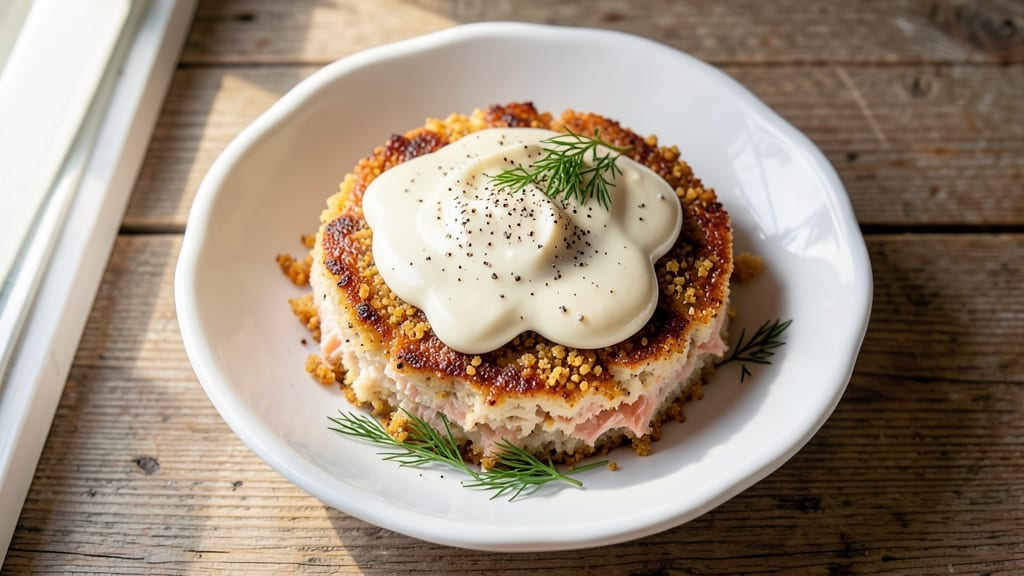
This Southern salmon cake recipe delivers the perfect balance of crispy edges and moist, flaky centers with minimal prep and cleanup. The secret lies in a blend of cornmeal and panko for that signature Southern crunch, while cream cheese and mayo bind the mixture into tender, cake-like patties.
I developed this recipe after years of perfecting Southern-style seafood dishes, and it never fails to impress—whether you're serving it at a weekend brunch or a weeknight dinner.
The beauty of this method is its versatility and simplicity. You'll start with fresh salmon, finely chopped and mixed with just a few pantry staples to create a mixture that holds together beautifully.
The cornmeal coating creates that coveted crispy exterior, while the interior remains tender and flavorful. This recipe is designed for foolproof results every time, with precise measurements and clear instructions to ensure success.
By the time you flip those golden-brown patties, you'll have a dish that's crispy on the outside and perfectly moist inside, with a subtle Southern flair. The cornmeal adds a delightful texture, while the herbed seasoning infuses each bite with aromatic depth.
Serve with lemon wedges and a side of roasted vegetables for a complete, restaurant-quality meal without the fuss.
This salmon cake is ideal for feeding a crowd or meal prepping for the week—it reheats beautifully and tastes even better the next day. Whether you're a seasoned home cook or new to Southern-style seafood dishes, this recipe will become a staple in your rotation.
Let's get started on creating these delicious, no-fuss patties!
Ingredients for southern salmon cake
Fresh salmon meets Southern crunch—just eight ingredients for golden patties with zero fuss.
| Ingredient | Amount | Notes |
|---|---|---|
| Fresh Atlantic Salmon Fillet 🐟 | 1 lb | Skin removed, finely chopped |
| Cornmeal 🌾 | ½ cup | Fine grind preferred |
| Panko Breadcrumbs 🍞 | ½ cup | Japanese-style for extra crunch |
| Cream Cheese 🧀 | 4 oz | Full-fat, softened |
| Mayonnaise 🥛 | ¼ cup | Duck or avocado mayo works too |
| Large Egg 🥚 | 1 whole | Room temperature |
| Dried Parsley Flakes 🌿 | 1 tbsp | Fresh parsley if available |
| Dried Dill 🌿 | 1 tsp | Or 1 tbsp fresh chopped |
| Garlic Powder 🧄 | ½ tsp | Freshly ground preferred |
| Ground Black Pepper 🌶️ | ½ tsp | Freshly cracked |
| Salt 🧂 | 1 tsp | Kosher or sea salt |
| Extra-Virgin Olive Oil 🫒 | 2 tbsp | For cooking |
| Lemon Wedges 🍋 | 4 whole | For serving |
The salmon makes or breaks this. Wild-caught Atlantic has the best texture, but any fresh fillet works—just make sure it's sushi-grade or similar quality. Trader Joe's and Whole Foods carry great options, or grab it from your local seafood counter. Skinless is a must (peel it yourself if buying whole fillets), and chop it finely—almost like a salsa texture. The cornmeal is non-negotiable for that Southern crunch, but Stone Ground Grits cornmeal gives the best results. Panko should be the Japanese-style kind—it's lighter and crunchier than regular breadcrumbs.
No panko? Crushed cornflakes or Ritz crackers work in a pinch, though they won't be as crispy. Short on fresh parsley? Dried flakes at double the amount or sub with dried basil. The cream cheese needs to be full-fat—low-fat won't bind properly. For extra richness, swap half the mayo for Greek yogurt. The lemon wedges? Meyer lemons if you can find them—they're sweeter and add a nice floral note. Want to make it ahead? Shape the patties and refrigerate them (uncooked) for up to 4 hours before frying.
These patties reheat like a dream—just pop them in a 350°F oven for 8-10 minutes until warmed through. Store leftovers in an airtight container for 3 days in the fridge or freeze for 2 months. I like to portion them into single servings before freezing so they're ready for quick meals. The cornmeal coating gets soggy if stored with sauce, so keep dressings separate until serving.
Why You'll Love This Recipe
- No-Fuss Assembly: I swear, this recipe feels like cheating—just mix the flaked salmon with mayo, fold in the cream cheese, and press it into a pan. The cornmeal and panko handle the crisping while you’re still wiping your hands.
- Southern Comfort: That creamy, buttery crunch from the panko crust and the slight tang of cream cheese? It’s like a hug in food form—familiar, comforting, and impossible to resist. Honestly, the first bite makes me think of Sunday suppers.
- Leftovers That Shine: The cake reheats beautifully, whether I’m tossing it in a skillet for breakfast hash or serving it cold with a simple salad. (Yes, even on a Tuesday night.) It’s the kind of dish that tastes just as good the third time around.
- Budget-Friendly Luxury: Fresh salmon feels fancy, but this recipe stretches it—no waste, no fuss. The cornmeal and panko add texture without breaking the bank, and a single fillet feeds four. My wallet and my dinner guests thank me.
Step-by-step instructions for Southern salmon cake recipe
Here's how to create a golden, crispy salmon cake with a tender interior that holds together perfectly.
Prepare the Salmon Mixture
In a large mixing bowl, combine the 1 lb fresh Atlantic salmon fillet (finely chopped) with the 4 oz softened cream cheese. Use a fork or your hands to break up the salmon into small, even pieces while mixing with the cream cheese until fully incorporated. This step is crucial for creating a uniform texture throughout the cake.
Add the 0.25 cup mayonnaise, 1 whole large egg, 1 tbsp dried parsley flakes, 1 tsp dried dill, 0.5 tsp garlic powder, 0.5 tsp ground black pepper, and 1 tsp salt. Mix everything together until you have a smooth, well-combined mixture. The salmon should look like a thick, spreadable paste. If it feels too dry, add a splash of water, but avoid making it too wet—this can prevent the cake from holding its shape.
Add Cornmeal and Panko for Structure
In a separate bowl, mix the 0.5 cup cornmeal and 0.5 cup Panko breadcrumbs. These ingredients are key to achieving that perfect crispy exterior while keeping the inside moist. Sprinkle the cornmeal and Panko mixture over the salmon mixture and gently fold everything together with a spatula or your hands. Be careful not to overmix—just combine until the dry ingredients are evenly distributed.
Once fully incorporated, cover the bowl with plastic wrap and refrigerate for at least 30 minutes. This chilling step is essential—it helps the mixture firm up slightly, making it easier to handle and ensuring the cake holds its shape when baking. If you have time, let it chill for up to 2 hours for even better results.
Shape and Pan the Salmon Cake
Preheat your oven to 375°F. Lightly grease an 8-inch round cake pan or a similar-sized baking dish with 1 tbsp extra-virgin olive oil to prevent sticking. This step is simple but critical—oil ensures the cake won’t stick, making removal much easier later.
Remove the chilled salmon mixture from the refrigerator and transfer it to the prepared pan. Use a spatula to spread it evenly into the pan, pressing down gently to compact the mixture. The top should be smooth but not overly packed—you want it to hold its shape while still allowing for a crispy crust. If the mixture feels too sticky, wet your hands slightly to help shape it without sticking to your fingers.
Bake to Golden Perfection
Place the pan in the preheated oven and bake for 25-30 minutes. You’ll know it’s ready when the top is golden brown and the edges are set. Avoid opening the oven door during baking—this can cause the cake to collapse or develop a soggy top. If you’re unsure whether it’s done, insert a toothpick into the center. It should come out clean or with just a few moist crumbs.
Once baked, remove the cake from the oven and let it cool in the pan for 5 minutes. This brief resting period helps the cake set slightly, making it easier to remove without falling apart. After cooling, run a knife around the edges to loosen it from the pan, then carefully transfer the cake onto a serving plate. Serve immediately with the 4 whole lemon wedges for a bright, tangy contrast to the rich salmon cake.
Serve with Confidence
The salmon cake should have a crispy, golden-brown top that gives way to a moist, flaky interior with just the right amount of crunch from the Panko. Slice it into wedges or leave it whole for a rustic presentation. The lemon wedges add a refreshing zing that cuts through the richness of the salmon and cream cheese, balancing the flavors perfectly.
If you’re serving this as part of a meal, pair it with a simple green salad or steamed vegetables. The crispy texture and creamy filling make it a standout dish that feels special but is surprisingly easy to prepare. Enjoy your Southern-style salmon cake—it’s sure to impress!
Pro Tips For Making Southern Salmon Cake
- PAT THE FILLETS DRY: I learned this the hard way—salmon cake falls apart when it’s damp. Use paper towels to blot every inch of the fillet before chopping, even if it feels like overkill. Wet skin = soggy crumb.
- CHILL THE MIX 30 MINUTES: Don’t rush the binding step. After mixing salmon, mayo, and cream cheese, cover the bowl and refrigerate for at least 30 minutes. The cornmeal and panko need time to absorb the juices—skipping this makes the cake greasy and crumbly.
- DON’T OVERMIX THE BATTER: A few gentle folds with a spatula are all you need. Overworking the mix breaks down the salmon fibers, turning your cake into mush. Stop when it just holds together—no need for a smooth batter.
- PAN SEAR IN BATCHES: Crowding the pan steams the salmon cake instead of searing it. Use 2 tablespoons of oil per batch and cook in a single layer—yes, it’ll take two rounds, but the crust will be golden and crisp, not sad and greasy.
Make-ahead tips for this recipe
Prep Ahead Strategy
Shape the salmon mixture into patties or a cake and refrigerate them (uncooked) for up to 4 hours before cooking. This chilling step firms up the mixture, making it easier to handle and ensuring a cleaner bake.
I like to portion them into 4 equal-sized patties using a ¼ cup scoop for even cooking. 💡
Freezer-Friendly Prep
For meal prep, assemble the patties, wrap them individually in parchment paper, then place in a quart-sized freezer bag. They’ll keep in the freezer for up to 2 months.
When ready to cook, transfer frozen patties directly to a cold skillet—no thawing needed! This is a game-changer for busy weeknights. ❄️
Thawing & Cooking
If using frozen patties, cook them in a nonstick skillet over medium heat for 4-5 minutes per side until golden. The cornmeal coating will crisp up beautifully without falling apart. For best results, avoid overcrowding the pan—cook in batches if needed. 🔥
Storage & Reheating
Store cooked salmon cakes in an airtight container for 3 days in the fridge. Reheat in a 350°F oven for 8-10 minutes or until warmed through. The cornmeal stays crispy, and the interior remains tender. I love reheating leftovers for quick lunches or adding them to salads. 💫
Make-Ahead Sauce
Prep a simple lemon-dill sauce ahead of time by mixing ½ cup Greek yogurt, 1 tbsp lemon juice, 1 tsp fresh dill, and ½ tsp garlic powder.
Store it in a small container in the fridge for up to 3 days. This sauce pairs perfectly with the salmon cakes and adds a bright, herby contrast. 🌿
Portioning for Crowds
Double the recipe and portion the mixture into 8-inch round cake pans or muffin tins for individual servings. Bake as directed, then store in airtight containers. This makes entertaining effortless—just reheat and serve. The cornmeal crust holds up beautifully even when reheated. 🍽️
Nutrition facts
Frequently asked questions
Can I use canned salmon instead of fresh for this recipe?
Fresh salmon is ideal for the best texture, but you can use high-quality canned salmon in a pinch. Drain it well, remove any bones, and pat it dry thoroughly before mixing. The texture will be slightly different, but the flavor will still shine through. Just expect a slightly denser final product.
Why does my salmon cake fall apart when baking?
This usually happens when the mixture is too wet or wasn't chilled long enough. Make sure to measure ingredients precisely and refrigerate the mixture for at least 30 minutes before baking. Also, avoid overmixing the cornmeal and panko—they need to be just combined, not fully incorporated.
What's the best way to make these into individual patties instead of a cake?
Divide the chilled mixture into 4 equal portions (about ¼ cup each) and shape them gently into flat patties. Place them on a parchment-lined baking sheet and bake at 375°F for 12-15 minutes, flipping halfway, until golden. They'll be easier to handle and serve individually.
Can I bake this salmon cake in a skillet instead of an oven?
Yes! Heat 2 tbsp olive oil in an 8-inch skillet over medium heat until shimmering. Add the shaped mixture and cook for 8-10 minutes, covering with a lid for the first 5 minutes to help it set. Uncover and cook until golden brown. This method gives extra crispiness!
What are the best sides to serve with this dish?
This salmon cake pairs beautifully with bright, fresh sides like lemon-herb quinoa, roasted asparagus with garlic, or a crisp arugula salad. For a Southern touch, try collard greens or buttery corn on the cob. The lemon wedges you serve with it will complement all these options perfectly.