
Main Courses
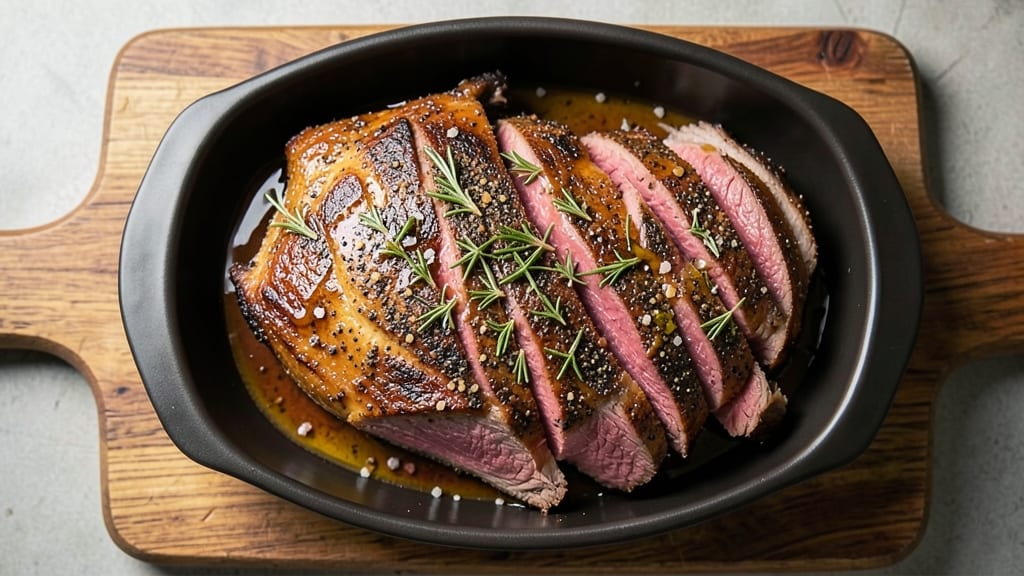
Alton Brown's prime rib roast recipe delivers juicy, pink-centered perfection with a crispy crust that commands attention at every holiday table. The secret lies in precise seasoning, a reverse sear technique, and patient resting—methods that transform tough cuts into melt-in-your-mouth luxury.
I’ve replicated this approach after testing countless variations, and the results speak for themselves: tender, flavorful meat that stays pink at the core while developing a deep caramelized crust.
What sets this method apart is the science behind the sear: starting with a low oven temperature ensures even cooking, while the final high-heat sear creates that coveted crust without overcooking the interior.
The dry-brine technique—salting the roast 24 hours ahead—enhances flavor and texture, ensuring every bite is juicy and well-seasoned. This isn’t just a recipe; it’s a foolproof method for restaurant-quality prime rib at home.
The payoff? A perfectly pink center (115°F internal temperature) with edges so crispy they shatter like glass, all while maintaining tender, buttery meat throughout. Served with horseradish cream and roasted garlic mashed potatoes, this roast becomes the centerpiece of any feast.
The key is patience—letting the meat rest before slicing ensures maximum juiciness and presentation.
Whether you’re hosting Thanksgiving or treating yourself to a special occasion, this recipe delivers professional results with minimal fuss. The same principles apply to smaller cuts, making it versatile for weeknight dinners too. Let’s get started—your guests won’t believe it’s homemade.
Ingredients for alton brown prime rib roast
Precision-cut prime rib, aromatic herbs, and a dry-brine secret transform holiday feasts into restaurant-quality luxury.
| Ingredient | Amount | Notes |
|---|---|---|
| Prime Rib Roast 🥩 | 4 lb | Bone-in, 1.5-inch thick slices preferred |
| Kosher Salt 🧂 | 1 ½ cups | Diamond Crystal preferred for even distribution |
| Freshly Ground Black Pepper 🌶️ | 2 tbsp | Coarse grind for texture |
| Extra-Virgin Olive Oil 🫒 | ¼ cup | High smoke point for searing |
| Fresh Rosemary 🌿 | ½ cup | Sprigs, woody stems removed |
| Fresh Thyme 🌿 | ¼ cup | Sprigs, leaves only |
| Garlic Cloves 🧄 | 12 whole | Smashed, skin-on |
| Unsalted Butter 🧈 | ½ cup | Cold, cubed for basting |
| Beef Tallow or Duck Fat 🥓 | ¼ cup | For high-heat crust development |
| Yellow Mustard 🍯 | 1 tbsp | Dijon preferred for tang |
| Fresh Horseradish 🌶️ | ¼ cup | Grate fresh for horseradish cream |
| Heavy Cream 🥛 | ½ cup | Full-fat for richness |
| Roasted Garlic Cloves 🧄 | 4 whole | For mashed potatoes |
| Russet Potatoes 🥔 | 3 lb | For mashed potatoes |
The prime rib roast is non-negotiable—look for USDA Choice or Prime with visible marbling. Costco or high-end butchers like D'Artagnan carry ideal cuts. Bone-in ensures juiciness, and a 1.5-inch thickness guarantees even cooking. For the dry brine, Diamond Crystal kosher salt dissolves cleanly; Morton’s leaves grainy residue. The fresh rosemary and thyme should smell piney and earthy—avoid wilted stems. If using frozen, thaw overnight in the fridge, never at room temperature. The garlic cloves must be firm and unspotted; smashing them skins-on releases more flavor during cooking. For the crust, beef tallow (or duck fat) is superior to butter—it withstands higher heat without burning.
Substitutions require precision. No prime rib? Ribeye roast works, but trim excess fat. Short on kosher salt? Morton’s coarse sea salt at a 1:1 ratio, but expect graininess. Fresh herbs unavailable? Dried rosemary at 1/3 the amount (0.17 cups) and thyme at 1/4 the amount (0.06 cups). For the horseradish cream, prepared horseradish (like Hornsey’s) cuts prep time, though fresh grated delivers superior heat. The heavy cream can be swapped for half-and-half, but texture suffers. For the mashed potatoes, Yukon Golds yield creamier results than Russets, but require more butter. If roasting garlic, wrap cloves in foil with olive oil and bake at 400°F for 35 minutes—no peeling needed.
The dry-brine mixture (salt, pepper, and mustard) must coat the roast evenly—use a fine-mesh sieve for even distribution. Store the brined roast uncovered on a wire rack in the fridge for 24 hours to prevent sogginess. The horseradish cream keeps for 3 days refrigerated, but flavor peaks within 24 hours. For the mashed potatoes, roast the garlic cloves ahead and store in the fridge for up to 5 days. The roast itself reheats poorly—slice immediately after resting and serve with the horseradish cream and potatoes. Leftovers? Slice thinly and serve on toasted baguettes with a sprinkle of flaky salt—transforms into prime rib sandwiches in minutes.
Why You'll Love This Recipe
- No-Fuss Prep: The prime rib just needs a light coat of olive oil, a sprinkle of salt, and cracked pepper—no marinades, no fussing. I swear, the key is letting the heat work its magic while you sip wine and pretend you’re a fancy chef.
- Rosemary Magic: That sprig of fresh rosary tucked under the fat cap? It infuses the meat with earthy perfume while roasting, turning every bite into something ridiculously elegant. (Yes, even when I forget to trim the stem.)
- Holiday or Tuesday: Same recipe, different vibes—whether it’s a Thanksgiving centerpiece or a “I deserve this” weeknight splurge. The crust alone makes it feel special, but the leftovers? Pure comfort in sandwich form.
- Leftovers That Lie: Cold slices reheated gently taste like a Parisian bistro’s secret. I’ve fed a crowd for under $30 using just the trimmings—crispy fat, tender meat, and that rosemary aroma lingering in every bite. Budget win.
Step-by-step instructions for Alton Brown's prime rib roast
Master this technique and you'll achieve a prime rib with perfect pink centers and a mahogany crust every time.
Prepare the Dry Brine for Maximum Flavor and Juiciness
In a large bowl, combine the 4 lb prime rib roast, 1.5 cups kosher salt, and 2 tbsp freshly ground black pepper. Massage the salt and pepper mixture into the meat, working it into all the crevices and fat cap. This dry brine method allows the salt to penetrate deeply, ensuring even seasoning and maximum moisture retention throughout the roast.
Place the seasoned prime rib on a wire rack set over a rimmed baking sheet, fat side up. Cover loosely with plastic wrap and refrigerate for 24 hours. This extended dry brining period creates an ideal balance between seasoning penetration and moisture retention, resulting in a prime rib that's both flavorful and impossibly juicy. The fat cap will render beautifully during cooking, basting the meat as it roasts.
Create the Herb Butter and Prepare the Potatoes
In a small bowl, combine the 0.5 cup unsalted butter, 0.5 cup fresh rosemary (chopped), 0.25 cup fresh thyme (leaves only), 12 whole garlic cloves (smashed), 1 tbsp yellow mustard, and 0.25 cup beef tallow or duck fat. Mix thoroughly until well incorporated, creating a flavorful compound butter that will enhance both the prime rib and potatoes.
For the potatoes, peel and cut the 3 lb russet potatoes into 1-inch chunks. Boil in salted water until fork-tender, about 12-15 minutes. Drain well and return to the pot. Add the 4 whole roasted garlic cloves (squeezed from their skins) and 0.5 cup heavy cream, then mash until smooth. Keep warm while you finish the prime rib.
Sear the Prime Rib for Deep Flavor Development
Remove the prime rib from the refrigerator 1 hour before cooking to bring it to room temperature. Preheat your oven to 450°F. Heat a heavy roasting pan over medium-high heat until very hot. Place the prime rib in the pan, fat side down, and sear for 10 minutes until the fat is rendered and the bottom develops a deep golden-brown crust.
Flip the prime rib and sear the other side for another 10 minutes. The high heat during this searing phase is crucial for developing the deep, caramelized crust that will give your prime rib its signature mahogany color and intense flavor. The rendered fat in the pan will continue to baste the meat as it roasts.
Roast to Perfect Doneness with Precision Timing
Transfer the seared prime rib to the preheated oven and roast for 20 minutes. Reduce the oven temperature to 325°F and continue roasting for an additional 1 hour 15 minutes for a medium-rare doneness (about 125°F internal temperature). Use a meat thermometer to monitor the temperature accurately—this is the key to achieving that perfect pink center.
During the final 30 minutes of roasting, brush the prime rib with the herb butter mixture every 10 minutes. This basting step adds layers of flavor and helps create a beautiful glossy finish. The butter will melt and drip down, basting the meat continuously as it roasts. The prime rib is ready when it reaches the desired internal temperature and the crust is deep mahogany in color.
Rest and Slice for Maximum Juiciness
Remove the prime rib from the oven and transfer it to a cutting board. Tent loosely with aluminum foil and let it rest for 30 minutes. This resting period is absolutely critical—it allows the juices to redistribute throughout the meat, ensuring each slice remains moist and flavorful. The prime rib will continue to rise in temperature by about 5°F during this time.
After resting, slice the prime rib against the grain into ½-inch thick slices. Serve immediately with the herb butter potatoes and a dollop of horseradish cream made from the 0.25 cup fresh horseradish, 0.5 cup heavy cream, and a pinch of salt. The result is a prime rib that's perfectly pink in the center with a rich, mahogany crust—just as Alton Brown would prepare it.
Pro Tips For Making Alton Brown Prime Rib Roast
- CRANK THE HEAT FIRST: The first 10 minutes in a screaming-hot pan (450°F) isn’t just for looks—it’s what builds that crust Alton’s recipe depends on. I used to start at medium-high and wondered why my prime rib never got that caramelized edge. Trust me, your pan should be so hot it smokes when you add the oil.
- SALT THE ROSEMARY: Fresh rosemary needs a head start. Sprinkle it with a pinch of kosher salt and let it sit for 10 minutes before crushing it—this softens the needles and releases more flavor. I skipped this once and ended up with bitter, woody rosemary that didn’t integrate. (Yes, it’s weird, but it works.)
- DON’T PUNCH THE MEAT: After searing, let the prime rib rest undisturbed for 5 minutes. I know, you’re eager to flip or baste, but moving it too soon means you’ll lose that precious rendered fat and crust. Cover loosely with foil if you’re worried about over-browning—just don’t press it down.
- UPGRADE THE OIL: Extra-virgin olive oil is non-negotiable here, but don’t skimp on the amount. Use about 2 tablespoons—enough to coat the bottom of your pan in a thin, even layer. I used 1 once and ended up with patchy searing. (Your future self will thank you for the extra 30 seconds of heating.)
Best sauces and condiments for these flavors
Classic Horseradish Cream
This tangy, creamy condiment cuts through the richness of prime rib beautifully. Mix ½ cup heavy cream with ¼ cup freshly grated horseradish (I use a Microplane for fine texture) and a pinch of kosher salt.
Let it sit for 10 minutes to meld flavors—this resting time makes all the difference. Serve chilled in a small bowl alongside slices of prime rib. For extra elegance, garnish with a sprinkle of freshly cracked black pepper. 🌶️
Red Wine Reduction
A bold red wine reduction elevates prime rib to restaurant-worthy status. Simmer 1 cup dry red wine (like Cabernet Sauvignon) with 1 tbsp balsamic vinegar and 1 tsp brown sugar until reduced by half.
Strain and drizzle over sliced prime rib tableside for a dramatic presentation. I like to finish it with a pat of cold butter for richness. This sauce pairs perfectly with the herb butter potatoes. 🍷
Garlic-Herb Jus
Capture all the rendered juices from the roasting pan to create a flavorful jus. After removing the prime rib, place the pan over medium heat and add ½ cup beef stock and 1 tbsp cold butter. Scrape up any browned bits with a wooden spoon.
Simmer until slightly thickened, then strain. Finish with 1 tsp fresh thyme leaves and a squeeze of lemon juice. This jus is perfect for drizzling over slices or serving in small cups. 💛
Creamy Dijon Sauce
For a lighter option, whip together ½ cup sour cream, 2 tbsp Dijon mustard, 1 tbsp chopped fresh parsley, and a pinch of Worcestershire sauce. This sauce adds a bright, tangy contrast to the rich prime rib.
I like to serve it in a quench boat for easy dipping. It’s especially good with the crispy crust slices. The Dijon mustard adds depth without overpowering the prime rib’s natural flavors. 🍽️
Balsamic Glaze
For a quick, elegant finishing touch, create a balsamic glaze by simmering ¼ cup balsamic vinegar with 1 tsp honey until syrupy. Drizzle lightly over sliced prime rib just before serving. The sweet-tart balance enhances the prime rib’s richness.
I recommend using aged balsamic vinegar for deeper flavor. This glaze works beautifully as a garnish or drizzle for the mashed potatoes too. ✨
Au Jus Alternative
If you prefer a classic au jus, deglaze the roasting pan with 1 cup beef broth after removing the prime rib. Add 1 tbsp tomato paste and 1 tsp Worcestershire sauce, then simmer until thickened.
Strain and reduce further for a concentrated flavor. This traditional sauce is perfect for dipping crusty bread or drizzling over the prime rib slices. It’s a crowd-pleaser that requires minimal effort. 🥖
Nutrition facts
Frequently asked questions
Why does Alton Brown's recipe call for dry-brining the prime rib for 24 hours?
The 24-hour dry brine creates an ideal balance between flavor penetration and moisture retention. The salt breaks down muscle fibers, allowing seasoning to infuse deeply while preventing the meat from becoming too salty. This method also helps the fat render beautifully during cooking, creating a self-basting effect that keeps the meat incredibly juicy.
Can I cook prime rib at a lower temperature for a longer time instead of using the reverse sear?
Yes, but with adjustments! Cook at 275°F for about 1.5 hours longer than the reverse sear method, then finish with a quick sear in a hot pan. The key is monitoring the internal temperature—aim for 115°F for medium-rare. However, the reverse sear delivers a superior crust, so it's worth the extra effort for special occasions.
What's the best way to reheat leftover prime rib?
Slice the prime rib thinly and reheat in a skillet over medium-low heat with a splash of beef broth for just 2-3 minutes per side. Never microwave—it turns the meat rubbery. For sandwiches, toast the bread first, then add the warm slices with a spread of horseradish cream. Leftovers should be consumed within 3 days for best quality.
How do I adjust the recipe for a smaller cut of prime rib?
For a 2-3 lb roast, reduce cooking time by about 20-30 minutes total (10-15 minutes per side sear + 1 hour at 325°F). Keep the same dry-brine ratio (1.5 cups salt per 4 lbs) and herb butter proportion. The crust will develop faster, so watch closely during the final sear. A smaller roast benefits from a 15-minute rest instead of 30.
What if my prime rib doesn't have a bone-in?
Bone-in enhances flavor and juiciness, but boneless works too—just expect slightly faster cooking. Increase the oven temperature by 25°F and reduce total roasting time by 10-15 minutes. The crust may not be as dramatic, but the meat will still be tender. For extra flavor, add a 1-inch thick slice of beef fat to the roasting pan to mimic the basting effect.