
Main Courses
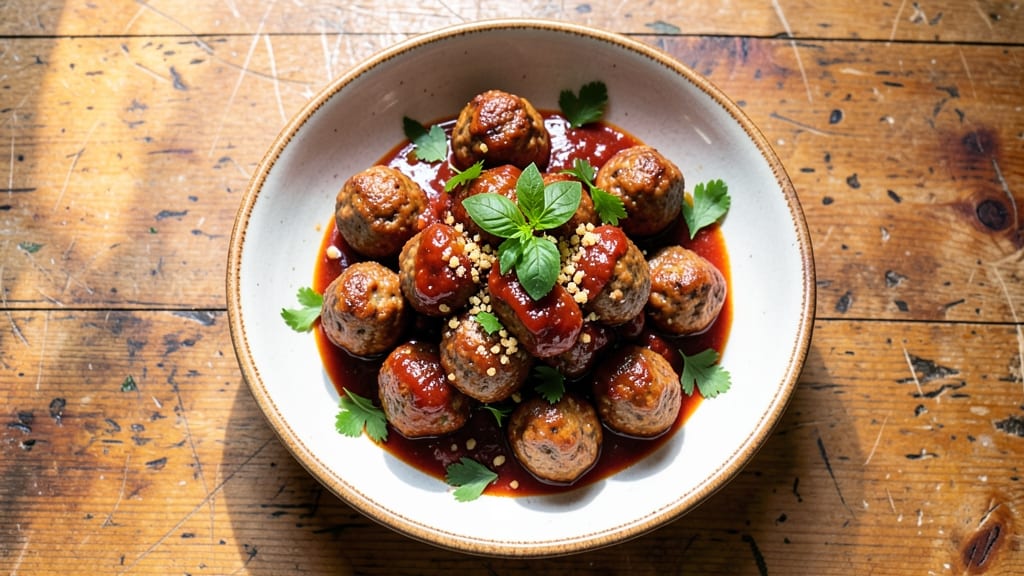
When my nonna's meatballs recipe first landed on my kitchen counter, I knew it was more than just a dish—it was a piece of family history wrapped in dough and herbs.
The secret lies in balancing ground meat, breadcrumbs, and fresh herbs to create meatballs that stay juicy while developing a golden, crispy exterior. I've spent years perfecting this method, ensuring every bite delivers that perfect harmony of savory, herby, and slightly tangy flavors that define true Italian comfort food.
What makes these meatballs truly special is the technique: no overmixing, no skipping the rest, and absolutely no shortcuts. The meatballs are shaped by hand, not rolled, to keep them tender and flavorful throughout.
Whether you pan-fry them for a quick weeknight dinner or bake them for a Sunday family meal, the result is always the same—juicy, herby bites that disappear faster than you can say "mangia!"
The key is letting them cook low and slow, ensuring they develop that rich, caramelized crust without drying out.
Once you've mastered the meatballs, the possibilities are endless. Toss them in a rich tomato sauce for a classic spaghetti dinner, serve them on garlic bread for a hearty appetizer, or pair them with a crisp green salad for a lighter meal.
The aroma alone will have everyone gathering around the table, and the first bite will remind them why homemade always tastes better. This is the kind of recipe that turns a simple weeknight into a celebration.
Ready to bring a taste of nonna's kitchen to your own table? Here's everything you need to create meatballs that are juicy, herby, and packed with flavor—just like she made them.
Ingredients for nonna's meatballs
Juicy meatballs start with these simple, quality ingredients—just like nonna's kitchen.
| Ingredient | Amount | Notes |
|---|---|---|
| Ground Beef 🥩 | 1 ½ lb | 80% lean, finely ground |
| Ground Pork 🐖 | ½ lb | Finely ground for tenderness |
| Fresh Breadcrumbs 🍞 | ½ cup | Pulverized dry bread, not pre-seasoned |
| Fresh Parsley Leaves 🌿 | ¼ cup | Finely chopped, stems removed |
| Fresh Basil Leaves 🌿 | ¼ cup | Finely chopped, stems removed |
| Garlic Cloves 🧄 | 3 cloves | Minced, not pre-minced jarred |
| Large Eggs 🥚 | 2 whole | Room temperature, beaten |
| Grated Parmesan Cheese 🧀 | ½ cup | Freshly grated from block |
| Extra-Virgin Olive Oil 🫒 | 1 tbsp | For shaping, not cooking |
| Kosher Salt 🧂 | 1 ½ tsp | Adjust to taste |
| Freshly Ground Black Pepper 🌶️ | ½ tsp | Coarse grind preferred |
| Dried Oregano 🍃 | 1 tsp | Italian oregano preferred |
| Red Wine (optional) 🍷 | ¼ cup | Dry, for extra depth |
The meat is everything. 80% lean ground beef gives you that rich flavor, but adding pork makes them juicier. Most grocery stores have pre-ground meat, but if you're feeling fancy, ask the butcher to grind it fresh. For the breadcrumbs, pulverize dry bread in a food processor—none of that pre-seasoned stuff. The herbs? Fresh is non-negotiable here. Trader Joe's usually has great parsley and basil, but any farmers market will have better quality. And that Parmesan? Grate it yourself from a wedge—pre-grated has anti-caking agents that ruin the texture.
No red wine? Beef broth or a splash of balsamic works just fine. Short on pork? Double the beef and add a pinch of fennel seeds for that Italian touch. Fresh herbs wilting? Dried oregano at half the amount gets you close, but honestly, it's worth grabbing fresh. The breadcrumbs can be toasted lightly in the pan before mixing—just 2 minutes on medium heat adds extra flavor. And if you're worried about overmixing, use your hands like nonna did. No food processor here—just gentle folding until just combined.
Meatballs keep best in the fridge for 3 days, but they reheat even better the next day. Freeze extras on a tray first, then bag them—6 months in the freezer, no problem. For serving, I always pan-fry them first to get that crispy crust, then finish in the oven. Double batch and freeze half—you'll thank me later when you're craving comfort food on a Tuesday night.
Why You'll Love This Recipe
- No-Chop Required: I swear by the fresh parsley and basil—just rough chop them, no measuring. The pork and beef mix stays juicy because of those breadcrumbs (toasted lightly, because crispy matters), and honestly? No food processor, no fuss.
- Herb-Packed Punch: That basil and parsley combo isn’t just for show—it’s the secret. The meatballs stay tender but develop a crust that’s ridiculously good when seared. My nonna swore by it, and now my kids fight over the last bite.
- Freezer-Friendly Magic: Make a double batch and freeze half. Toss them straight from frozen into sauce or a pan—no thawing, no stress. I’ve pulled these out for Sunday dinners, potlucks, and even lazy weeknights when I forgot to meal prep.
- Budget Meal, Big Payoff: Ground pork and beef stretch far, and fresh herbs feel fancy without breaking the bank. Leftovers reheat like a dream, and I’ve fed six people (plus my dog’s begging eyes) for under $15. That’s a win.
Step-by-step instructions for nonna's meatballs
Here's the method that delivers meatballs so tender they practically melt in your mouth.
Mix the Wet Ingredients
In a large bowl, combine the 1.5 pounds of ground beef and 0.5 pound of ground pork. This mix gives you that perfect balance of rich beef flavor and tender pork texture. Using your hands, gently break up any large clumps but don't overwork the meat—this keeps the meatballs tender rather than dense.
In a separate small bowl, whisk together the 2 whole large eggs (at room temperature) with 1 tablespoon of extra-virgin olive oil. The oil helps bind the meatballs and adds subtle richness. Add the 0.25 cup of red wine (if using) and mix well—this adds depth of flavor that you won't get with just water or broth.
Combine and Season
Add the egg mixture to the meat mixture and combine gently with your hands. Now it's time for the herbs—fold in the 0.25 cup of finely chopped fresh parsley leaves, 0.25 cup of finely chopped fresh basil leaves, and 3 cloves of minced garlic. The fresh herbs give these meatballs that bright, aromatic quality that sets them apart from store-bought versions.
In a small bowl, mix together the 1.5 teaspoons of kosher salt, 0.5 teaspoon of freshly ground black pepper, 1 teaspoon of dried oregano, and 0.5 cup of freshly grated parmesan cheese. Sprinkle this seasoning blend evenly over the meat mixture and combine thoroughly. The parmesan adds umami depth and helps bind everything together. If the mixture feels too wet, add the 0.5 cup of fresh breadcrumbs gradually until it holds together when pressed.
Form the Meatballs
Wet your hands with cold water and gently roll the mixture into 1.5-inch diameter meatballs—about 16 total for four servings. I like to keep them slightly irregular rather than perfectly round, as this helps them brown more evenly. Place them on a plate and cover with plastic wrap. Refrigerate for at least 30 minutes (up to 24 hours) before cooking. This resting time is crucial—it allows the flavors to meld and makes the meatballs hold their shape beautifully when they hit the hot pan.
Here's the thing—don't skip this chilling step. I've made this mistake and ended up with meatballs that fell apart when cooking. The cold temperature also helps the breadcrumbs absorb moisture, creating that perfect tender-yet-firm texture we're after.
Brown the Meatballs
Heat a large skillet over medium-high heat and add the meatballs in a single layer—don't crowd the pan or they'll steam instead of brown. Cook for 4-5 minutes per side until they develop a deep golden brown crust. You'll know they're ready when they release easily from the pan and the internal temperature reaches 160°F when checked with an instant-read thermometer.
For extra flavor, I like to add 1 tablespoon of olive oil to the pan before adding the meatballs. This helps create a better sear and prevents sticking. If you're making a large batch, work in two batches to avoid overcrowding. The browning step is what gives these meatballs their irresistible crust—don't rush it.
Finish Cooking
Once all the meatballs are browned, transfer them to a plate and tent loosely with foil. This keeps them warm while you finish cooking if needed. For a complete meal, you can simmer them in 2 cups of marinara sauce for 10-15 minutes until heated through. The residual heat from the pan will carry them to perfect doneness.
Here's the secret to juicy meatballs: don't overcook them. They'll continue cooking slightly as they rest and absorb the sauce. The internal temperature should reach 165°F when fully cooked. Serve immediately with your favorite pasta and extra sauce for dipping—every bite should be packed with herby, meaty goodness that practically melts in your mouth.
Pro Tips For Making Nonna'S Meatballs
- Chill the Mix First: Nonna’s meatballs stay together because the fat firms up when cold. After mixing beef, pork, breadcrumbs, and herbs, form the balls immediately and refrigerate them uncovered for 30 minutes—this dries the surface just enough for a better sear. (Yes, even if you’re impatient like me.)
- Toast the Breadcrumbs: Fresh breadcrumbs absorb moisture and turn mushy. Pulse them in a food processor for 10 seconds, then toast in a dry pan over medium heat until golden—about 2 minutes. The extra crunch holds up better during cooking, and the flavor’s deeper. (I learned this the hard way after a soggy batch.)
- Don’t Overwork the Meat: Handle the mixture just until combined—overmixing develops gluten, and those meatballs turn dense and chewy. Wet your hands, scoop gently, and roll them loosely (they’ll shrink). My grandmother swore by this, and she was right: the texture stays tender.
- Sear in Batches: Crowding the pan steams the meatballs instead of browning. Use a 12-inch skillet and cook 8–10 at a time over medium-high heat until deeply browned—about 3 minutes per side. Start hot, finish low if needed, but don’t rush. (Your future self will thank you.)
Storing and reheating this dish
Refrigerator Storage
Store cooked meatballs in an airtight container with a splash of marinara sauce or olive oil to keep them moist. I use glass Pyrex containers because they reheat evenly and prevent freezer burn.
Keep them refrigerated for up to 4 days—the flavors actually deepen as the herbs meld together. Label with the date to track freshness. 🧊
Freezer Prep
For long-term storage, freeze meatballs on a parchment-lined tray for 1 hour before transferring to quart-sized freezer bags. This prevents sticking. They'll keep for 6 months without losing texture. I like to portion them into single-serving bags for easy reheating. Just thaw overnight in the fridge before reheating. ❄️
Stovetop Reheating
My favorite method is pan-frying to restore that golden crust. Heat 1 tablespoon olive oil in a skillet over medium heat and cook meatballs for 3-4 minutes per side until heated through.
Add 2 tablespoons water or broth to the pan to prevent drying. Taste and adjust seasoning—they often need a pinch more salt after reheating. 🔥
Oven Method
For hands-off reheating, bake at 375°F on a parchment-lined tray for 15-20 minutes, flipping halfway. Brush with 1 teaspoon olive oil before baking to help crisp the exterior.
This works well for batch reheating when serving a crowd. I often use this method for Sunday dinners when I've made extra. 🍽️
Microwave Shortcut
When I'm in a hurry, I reheat individual meatballs in the microwave for 1-2 minutes on 50% power, covered with a damp paper towel. This keeps them moist but loses the crust. For best results, always reheat from room temperature—not straight from the fridge. 💡
Sauce Sauce
For extra flavor, simmer reheated meatballs in 1 cup marinara sauce for 5-10 minutes on low heat. This restores their juicy texture while infusing them with fresh sauce flavors.
I also add a pinch of red pepper flakes if I want a little heat. Serve immediately with crusty bread for dipping. 🍝
Nutrition facts
Frequently asked questions
Why do your meatballs stay juicy while others dry out?
The secret is the meat blend and resting time. Using 50% ground pork keeps them tender, while chilling the mixture for 30+ minutes lets flavors meld and breadcrumbs absorb moisture. Never skip this step—it's what prevents dry meatballs! Also, cooking them to 160°F (not higher) preserves juiciness.
Can I make these meatballs ahead of time?
Formed meatballs can chill 24 hours before cooking, and cooked ones last 4 days refrigerated. For freezer prep, freeze uncooked meatballs on a tray for 1 hour before bagging—this prevents sticking. Thaw overnight in the fridge before cooking. The flavors actually improve with time!
What's the best way to cook them if I don't want to pan-fry?
Bake at 400°F for 20-25 minutes on a parchment-lined tray, flipping halfway. For extra crispiness, broil for 2 minutes at the end. The oven method works great for large batches and keeps them moist. Just don't overcrowd the pan or they'll steam instead of brown.
How do I fix meatballs that fell apart when cooking?
This usually happens from overmixing or skipping the rest. Next time, handle the mixture gently (just until combined) and chill 30+ minutes before cooking. For future batches, add 1 extra tablespoon breadcrumbs if the mixture feels too wet. Also, use your hands—not a fork—to shape them. They'll hold together beautifully!
Can I use ground turkey or chicken instead of beef/pork?
Yes, but expect a lighter texture. Use 100% ground turkey (no pork) and add 1 extra egg for binding. Cook at 375°F instead of pan-frying to prevent drying. For extra moisture, mix in 2 tablespoons grated zucchini (squeeze out water first). The flavor will be milder but still delicious!