
Main Courses
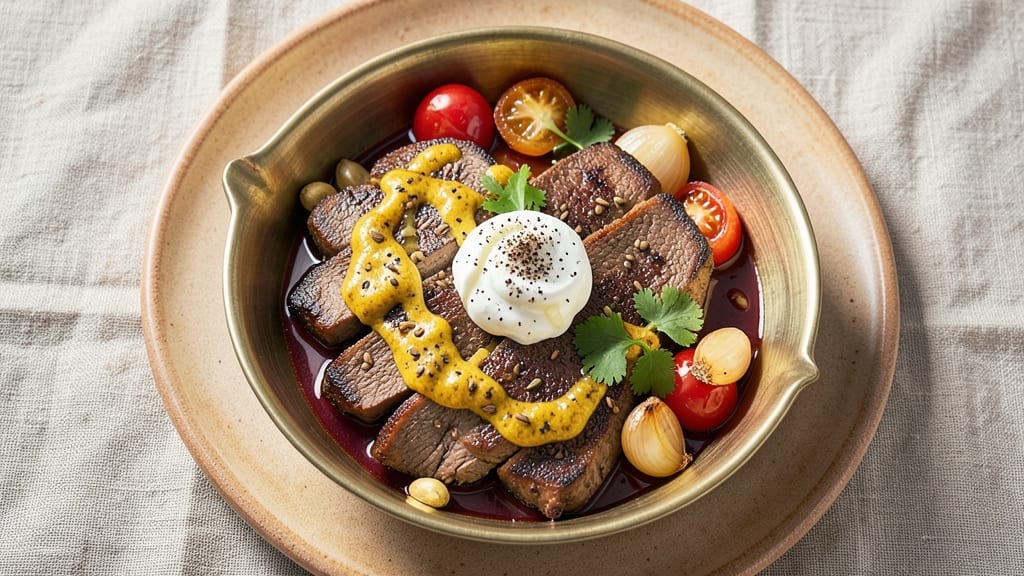
Mutton liver curry delivers a bold, umami-rich flavor profile that transforms a humble ingredient into a showstopping centerpiece dish. The key lies in balancing earthy spices with tender, slow-cooked liver and a deeply aromatic tomato gravy that develops layers of complexity over time. I've perfected this recipe through years of testing, ensuring the liver remains tender while absorbing the rich, spiced flavors without becoming greasy.
This recipe draws from traditional South Asian techniques where mutton liver is marinated in yogurt and spices to tenderize before being gently fried until golden. The gravy builds slowly with onions, tomatoes, and a blend of whole spices that toast until fragrant—this step is non-negotiable for authentic depth.
What sets this apart is the careful balance of sweetness from tomatoes and heat from red chili, creating a sauce that coats every bite without overpowering the liver's natural richness.
The result is a dish with deep caramelized edges on the liver pieces, a velvety gravy that clings perfectly, and a spice profile that's both complex and harmonious.
The aroma alone transforms any meal into something special, while the texture delivers that satisfying contrast between tender liver and the slight crispness from the initial searing. This is comfort food at its finest—warm, flavorful, and deeply satisfying.
Serve with steamed basmati rice or warm naan to soak up every last drop of that rich gravy. The recipe scales beautifully for gatherings, and leftovers reheat wonderfully, making it perfect for meal prep. Let's create this restaurant-quality curry at home.
Ingredients for mutton liver curry
Transform humble mutton liver into a restaurant-worthy centerpiece with these carefully selected ingredients.
| Ingredient | Amount | Notes |
|---|---|---|
| Mutton Liver 🍖 | 1 ½ lb | Fresh, trimmed of connective tissue |
| Plain Yogurt 🥛 | 1 cup | Full-fat, unsweetened, room temperature |
| Ginger Root 🌿 | 2 tbsp | Freshly grated, aromatic |
| Fresh Tomatoes 🍅 | 2 medium | Ripe, Roma preferred, chopped |
| Yellow Onions 🧅 | 2 large | Finely sliced, for caramelization |
| Garlic Cloves 🧄 | 6 whole | Crushed, aromatic intensity |
| Ground Cumin 🌿 | 1 tbsp | Toasted for depth |
| Ground Coriander 🌿 | 1 tbsp | Freshly ground preferred |
| Turmeric Powder 🌶️ | ½ tsp | Vibrant, fresh |
| Red Chili Powder 🔥 | 1 tsp | Adjust for heat preference |
| Garam Masala 🌶️ | 1 tsp | Homemade or quality brand |
| Extra-Virgin Olive Oil 🫒 | ½ cup | High smoke point, fruity |
| Fresh Fenugreek Leaves 🌿 | ½ cup | Optional, traditional touch |
| Salt 🧂 | 1 ½ tsp | Diamond Crystal preferred |
| Black Peppercorns 🌶️ | ½ tsp | Freshly cracked |
The liver quality is paramount—opt for fresh, pale pieces from a trusted butcher, avoiding any with greenish tints or strong odors. Whole Foods or local specialty markets typically carry the best cuts, though your regular grocery store's meat department may suffice if you request the freshest available. For the tomatoes, Roma variety provides the ideal balance of sweetness and acidity; avoid vine-ripened grocery store tomatoes which lack the necessary depth. The yogurt should be full-fat plain yogurt—Greek or Indian-style—never low-fat or flavored, as these compromise the gravy's richness. Toast your whole spices (cumin, coriander, black peppercorns) in the olive oil until fragrant—this non-negotiable step develops the complex aroma that defines authentic mutton liver curry.
No fresh fenugreek leaves? Skip them entirely—this dish still shines without them, though they add a distinctive bitterness that pairs beautifully with the liver. Substituting tomatoes? Canned San Marzano tomatoes work in a pinch, but their concentrated sweetness requires halving the quantity. For the yogurt marinade, plain Greek yogurt at double the amount can replace the full-fat version if needed, though the texture will differ slightly. The ginger and garlic should be freshly grated and crushed respectively—pre-minced garlic loses its aromatic punch when exposed to air. When selecting chili powder, Madras or Kashmiri varieties provide the most authentic heat profile, though any quality red chili powder will suffice. The garam masala blend should contain at least five whole spices; MDH or Everest brands are widely available and reliable.
Fresh liver marinates best for 2-4 hours in the refrigerator before cooking, though it can be marinated overnight if needed. The completed curry reheats beautifully—simmer gently on low heat for 5-7 minutes to restore its velvety texture. Store in an airtight container for 3-4 days in the fridge, though the flavor deepens with each passing day. For longer storage, portion into freezer-safe containers with a thin layer of olive oil on top to prevent drying; it keeps for up to 3 months without significant flavor degradation. The gravy's consistency will thicken upon reheating, so add 1-2 tbsp water as needed to restore its ideal texture.
Why You'll Love This Recipe
- Pantry Magic: I swear by this recipe when I’m staring at a fridge full of onions and tomatoes but zero plan. The yogurt and ginger do all the heavy lifting—just sear the livers until they’re golden, toss in the onions, and let the tomatoes melt into a rich sauce. No fancy techniques, just honest flavor.
- Umami Bomb: That first bite? Rich, meaty, and packed with depth thanks to the livers’ natural ironiness. The ginger and tomatoes cut through the richness just enough to keep it balanced—like a hug from your grandma’s kitchen, but with more protein.
- Leftovers That Shine: I make double batches because this curry actually improves the next day. The flavors meld, the yogurt thickens just right, and it reheats like a dream. Perfect for lunches or when unexpected guests show up—no stress, just satisfaction.
- Budget Powerhouse: Mutton liver is cheaper than most cuts, and this recipe stretches it far. A single onion and tomato go a long way, and the yogurt adds creaminess without breaking the bank. Honestly, it’s the kind of dish that makes me feel like I’m feeding a crowd without sacrificing taste.
Step-by-step instructions for mutton liver curry with spiced tomato gravy
Here's the precise method to transform tender mutton liver into a rich, aromatic curry with balanced umami and spice.
Prepare the Liver for Cooking
Begin by trimming any visible connective tissue or silver skin from the 1.5 lb mutton liver using a sharp knife. This ensures a clean texture and prevents bitterness. Rinse the liver thoroughly under cold water and pat it completely dry with paper towels—moisture is the enemy of even cooking in this dish.
Cut the liver into 1-inch cubes, ensuring each piece is uniform in size. This promotes even cooking throughout the curry. Place the cubed liver in a bowl and set aside. Here's the thing—don't wash the liver again after cutting, as this removes natural oils that contribute to flavor development during cooking.
Create the Spiced Tomato Base
Heat the 0.5 cup extra-virgin olive oil in a heavy-bottomed pot over medium heat. Add the 2 large yellow onions that have been finely sliced and cook for 8-10 minutes until they develop a deep golden caramelization. This step is crucial—it forms the flavor foundation of your curry.
Add the 2 tbsp freshly grated ginger root and 6 crushed garlic cloves, stirring constantly for 1 minute until the raw aroma gives way to something more aromatic and inviting. Immediately sprinkle in the 1 tbsp ground cumin and 1 tbsp ground coriander, stirring for 30 seconds to toast the spices gently. This activates their essential oils and deepens their flavor profile.
Develop the Curry Gravy
Add the 2 medium chopped fresh tomatoes to the pot and cook for 5-6 minutes until they soften and begin to break down into a thick paste. This process concentrates their natural sweetness and acidity, which balances the richness of the liver. Stir in the 0.5 tsp turmeric powder, 1 tsp red chili powder, and 1.5 tsp salt, cooking for another 2 minutes to allow the spices to bloom fully.
Pour in the 1 cup plain yogurt slowly while stirring continuously to prevent curdling. The mixture will thicken noticeably as the yogurt incorporates. Reduce the heat to low and simmer for 3-4 minutes until the yogurt has fully integrated and the sauce begins to coat the back of a spoon. This is your flavor base—smooth, aromatic, and ready to receive the liver.
Cook the Liver to Perfection
Add the prepared liver cubes to the pot and gently stir to coat them evenly with the spiced tomato gravy. Increase the heat to medium-low and let the liver cook for 8-10 minutes, stirring occasionally. You're looking for the liver to become tender but not fall apart—it should still hold its shape when pierced with a fork. The curry should develop a rich, reddish hue from the spices and tomatoes.
During the final 2 minutes of cooking, stir in the 0.5 cup fresh fenugreek leaves and 1 tsp garam masala. These ingredients add a subtle bitterness and earthy depth that perfectly complement the liver's natural richness. Taste and adjust seasoning with additional salt or red chili powder if needed—remember, the liver itself is quite flavorful, so balance is key.
Finish and Rest for Optimal Texture
Remove the pot from heat and let the curry rest for 5 minutes. This resting period allows the flavors to meld and the liver to absorb the remaining cooking liquid, resulting in a more cohesive texture. The curry should have a velvety consistency with tender liver pieces suspended throughout.
Gently stir in the 0.5 tsp freshly cracked black peppercorns just before serving. This final touch adds a bright, aromatic finish that cuts through the richness of the dish. Serve the mutton liver curry immediately with steamed basmati rice or warm naan bread to soak up the flavorful gravy. The liver should be tender with just a slight resistance when pierced, and the sauce should coat the back of a spoon with a perfect balance of spice and umami.
Pro Tips For Making Mutton Liver Curry
- SEAR LIVERS FAST: High heat is your friend here—don’t let those livers sit in the pan like sad, soggy pancakes. Work in batches if needed, and get them golden in 2-3 minutes per side. Overcrowding steams them instead of searing, and you’ll end up with a mushy curry.
- WHISK YOGURT THIN: Skip the clumpy mess by thinning the yogurt with 2 tablespoons of water before adding it to the pan. I learned this the hard way—lumpy yogurt curdles into a sad, rubbery blob when it hits the heat. Stir it smooth first, or regret it later.
- PULSE TOMATOES COARSE: Don’t turn your tomatoes into paste—pulse them in the blender until they’re chunky, not smooth. You want texture in that curry, not a gluey sauce. Aim for 3-4 rough pulses, and resist the urge to over-blend.
- LOW AND SLOW FOR LIVER: Once the livers hit the simmering sauce, drop the heat to medium-low. High heat turns them tough and dry; you’re cooking them gently now, not frying them. Cover the pan and let them melt into the curry in 8-10 minutes—patience here makes all the difference.
Essential equipment for great mutton liver curry
Heavy-Bottomed Pot
Your heavy-bottomed pot is non-negotiable for this recipe—I use a 5-quart Dutch oven from Le Creuset because it distributes heat evenly and prevents scorching. The thick base ensures the onions caramelize properly without burning, which is crucial for building that deep, sweet flavor foundation.
A lighter pot will cause hot spots, leading to uneven cooking and potentially bitter flavors in your gravy. 🔥
Sharp Knife Set
Invest in a high-quality chef's knife (I recommend Wüsthof or Shun) for trimming liver and chopping onions. A dull knife crushes liver fibers, releasing bitter juices and creating a mushy texture.
Keep a boning knife handy for delicate trimming of connective tissue—this step is critical for clean bites. Always keep your knives sharp with a Japanese whetstone for best results.
Fine-Mesh Strainer
A fine-mesh strainer (like the OXO Good Grips) is essential for rinsing liver thoroughly without tearing the tissue. After trimming, rinse under cold water while gently squeezing the liver through the strainer to remove blood and impurities.
This step prevents bitterness and ensures your curry has a clean, rich flavor profile. I also use it to drain fenugreek leaves after washing if using fresh.
Spice Toasting Pan
For authentic spice flavor, toast your whole spices in a small skillet (I use All-Clad) over medium heat until fragrant. This simple step develops complex aromas that ground spices alone can't replicate.
Keep a spice grinder (like Spice & Tea) nearby to freshly grind toasted spices—pre-ground spices lose their potency quickly. The toasted spices should be added to the oil during the onion caramelization stage for maximum flavor infusion.
Measuring Tools
Precision matters with spices and liquids—I use a digital kitchen scale for accurate measurements of liver (1.5 lb) and a set of stainless steel measuring spoons (like OXO) for spices.
For liquids, a liquid measuring cup with clear markings ensures you get the exact 0.5 cup olive oil and 1 cup yogurt required. Never eyeball measurements—especially with spices where even ¼ tsp too much can overpower the dish.
Resting Tools
After cooking, let your curry rest in a clean, warm pot covered with a lid or aluminum foil. I use a large stainless steel bowl lined with a clean kitchen towel to catch any drips while resting. This step allows flavors to meld and liver to absorb the gravy properly.
For serving, transfer to a heatproof serving dish—I love using Corelle stoneware because it maintains temperature beautifully while looking elegant on the table. ⏰
Nutrition facts
Frequently asked questions
Why does mutton liver need marinating before cooking?
The 2-4 hour yogurt marinade serves two critical purposes: it tenderizes the dense liver fibers and creates a protective barrier against bitterness during cooking. The acidity in yogurt breaks down proteins while the spices infuse flavor. Skipping this step risks tough, bitter liver pieces that lack depth.
Can I substitute chicken or beef liver for mutton liver?
While chicken liver works in a pinch (it's milder and cooks faster), mutton liver offers a richer, gamey depth that's essential for authentic flavor. Beef liver is too strong and requires longer cooking. For best results, stick with mutton liver—its texture and umami perfectly balance the spiced tomato gravy.
What's the secret to preventing the curry from becoming greasy?
Grease control comes from two key steps: pat the liver completely dry before marinating, and simmer on medium-low heat after adding the liver. Avoid high heat which causes excess oil release. The yogurt in the marinade also helps emulsify natural fats, keeping the gravy velvety rather than greasy.
How can I adjust the spice level for sensitive eaters?
Reduce the red chili powder to ½ tsp and omit fresh fenugreek leaves (which add subtle heat). For extra mildness, add ½ cup coconut milk at the end to balance flavors. Always taste before serving—you can add more chili later if needed, but you can't remove it.
Can I make this curry ahead of time?
This curry actually improves overnight! Store in an airtight container and refrigerate for up to 3 days. Reheat gently on low heat, adding 1-2 tbsp water if the gravy thickens too much. The flavors meld beautifully, making it perfect for meal prep. The liver remains tender when reheated properly.