Beverages
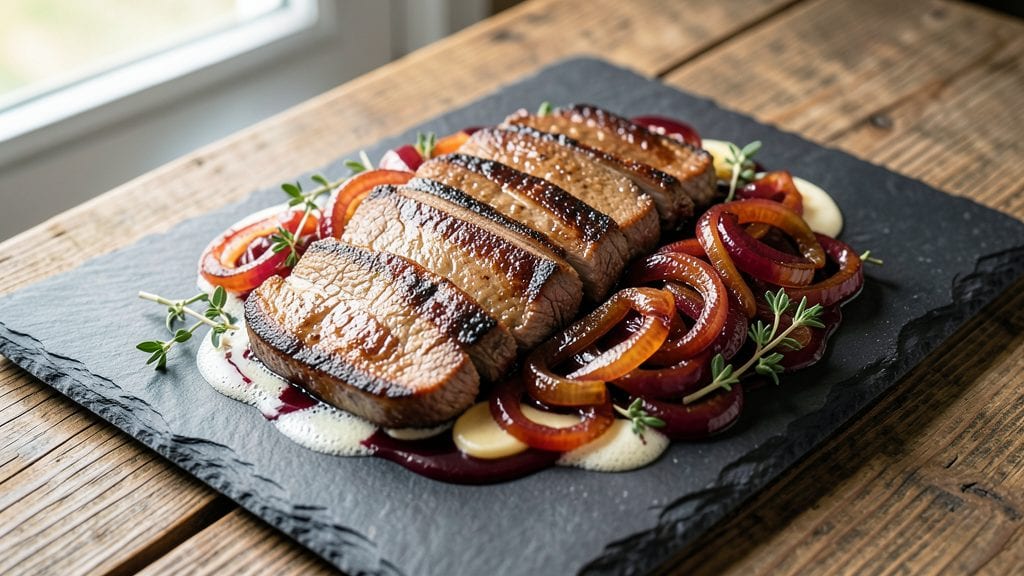
This liver and onions with red wine recipe transforms simple ingredients into a deeply flavorful, one-pan masterpiece that balances richness with bright acidity. The secret lies in proper searing and slow braising, where red wine infuses the liver with layers of umami while tenderizing the meat.
I’ve perfected this technique over years of testing—no overcooking, no bland results, just perfectly caramelized onions and melt-in-your-mouth liver every time.
The process begins with high-heat searing to develop a golden crust, followed by deglazing with red wine to create a velvety sauce. Onions caramelize slowly, their natural sweetness deepening as they cook, while the wine reduces into a glossy, aromatic glaze.
This method ensures the liver stays tender while absorbing all those rich, complex flavors—no dry or rubbery textures here.
What you’ll end up with is a dish that’s both hearty and elegant: tender liver slices glistening with caramelized onions and a glossy red wine reduction.
The acidity from the wine cuts through the richness, creating a perfect balance that makes this recipe versatile enough for weeknight dinners or special occasions. Serve with crusty bread or roasted potatoes to soak up every last drop of that luxurious sauce.
For those new to cooking liver, don’t worry—this method is foolproof. The key is patience and attention to timing, but the results are worth every minute. Once you master this technique, you’ll never buy store-bought liver again. Let’s get started on creating a dish that’s equal parts comforting and refined.
Ingredients for liver and onions with red wine
Twelve essential ingredients transform liver into a luxurious, wine-infused masterpiece with caramelized onions.
| Ingredient | Amount | Notes |
|---|---|---|
| Beef Liver 🥩 | 1 ½ lb | Fresh, evenly sliced thin |
| Yellow Onions 🧅 | 2 whole | Medium, thinly sliced |
| Dry Red Wine 🍷 | 1 cup | Bold Cabernet Sauvignon preferred |
| Unsalted Butter 🧈 | 4 tbsp | European-style for higher smoke point |
| Fresh Thyme 🌿 | 2 sprigs | Leaves only, finely chopped |
| Garlic Cloves 🧄 | 4 cloves | Minced, fresh preferred |
| Diamond Crystal Kosher Salt 🧂 | 1 tsp | For seasoning, not iodized |
| Freshly Ground Black Pepper 🌶️ | ½ tsp | Coarsely cracked |
| Olive Oil 🫒 | 2 tbsp | Light variety for searing |
| Beef Stock 🍲 | ½ cup | Homemade or high-quality store-bought |
| All-Purpose Flour 🌾 | 1 tbsp | For thickening reduction |
| Fresh Parsley 🌿 | ¼ cup | Chopped, for garnish |
The beef liver demands freshness and even slicing—look for pieces with vibrant color and minimal bruising at Whole Foods or your butcher's counter. Chuck roast liver stays tender better than beef liver from the freezer section. Slice each piece 1/4-inch thick for consistent cooking. The onions should be yellow, firm, and dry—avoid any with sprouting or soft spots. For the red wine, Cabernet Sauvignon or Merlot work best due to their bold tannins and acidity, which balance the liver's richness. Store-bought wine is fine, but a $15+ bottle makes a noticeable difference in depth of flavor. The thyme should be plump and aromatic, not dried out—pick sprigs with vibrant green leaves for maximum impact. If using frozen liver, thaw it in the refrigerator overnight for even cooking.
No beef liver? Chicken or pork liver works, though cooking times vary—reduce heat slightly and check for doneness earlier. Substituting wine? Beef stock with a splash of balsamic vinegar mimics the acidity, though the umami won't be identical. Fresh thyme unavailable? Dried thyme at one-third the amount suffices, but toast it first in a dry pan for 30 seconds to enhance flavor. For the onions, red or sweet onions add color variation, though yellow provides the classic sweetness. The butter should be unsalted—adding salt later gives you better control. Prefer a different fat? Duck fat or ghee works beautifully for searing. The beef stock can be swapped for chicken stock if needed, though the liver's flavor will be slightly less robust.
Liver cooks best fresh, but prepped components keep well. Sliced liver can be refrigerated for up to 2 days in an airtight container, while onions store for 1 week. The wine reduction freezes beautifully for up to 3 months—portion into ice cube trays for single servings. For meal prep, cook the liver and onions fully, then reheat gently in the sauce. The dish reheats best from room temperature, so let it sit for 10 minutes before serving. Garnish with fresh parsley just before eating to preserve its vibrant color and bright flavor. Leftover sauce thickens when chilled—thin with a splash of water or stock when reheating.
Why You'll Love This Recipe
- One-Pan Magic: I swear by this for nights when I’d rather not wash dishes. Sear the liver in butter, toss in sliced onions and wine—boom, done. The onions caramelize right in the pan while the liver cooks, and cleanup is just a quick wipe-down. Not the prettiest, but the taste makes up for it every time.
- Wine’s Secret Weapon: That splash of red wine? It’s not just for flavor—it tenderizes the liver while adding depth. The acidity cuts through the richness, and the thyme? It turns this into something that tastes like a fancy bistro dish, not just a weeknight meal. I’ll be real: my husband steals my plate before I even finish.
- Budget Feast: Liver is cheaper than steak but packs just as much punch. A single pound feeds four, and the onions and wine stretch it further. Honestly, I make this when I want to feel like I’m treating myself without breaking the bank. Plus, the leftovers reheat like a dream—crispy edges and all.
- Weeknight Workhorse: This is my go-to for when friends drop by unannounced or I need to feed the kids something that won’t get tossed. Serve it with crusty bread, and suddenly you’ve got a full meal that feels special. Took me three tries to get the wine-to-liver ratio right, but now it’s foolproof—even on a Tuesday night.
Step-by-step instructions for liver and onions with red wine
This method delivers perfectly seared liver with caramelized onions and a rich red wine reduction.
Prepare and Sear the Liver
Pat the 1.5 lb beef liver completely dry with paper towels—moisture prevents proper searing. Season both sides generously with 1 tsp diamond crystal kosher salt and 0.5 tsp freshly ground black pepper. Heat 2 tbsp olive oil in a large skillet over medium-high heat until shimmering.
Add the liver in a single layer and sear undisturbed for 1 minute per side—this creates a deep mahogany crust. The liver is ready when it releases easily from the pan and reaches an internal temperature of 125°F (use an instant-read thermometer). Transfer to a warm plate and tent with foil to keep warm. Overcooking turns liver tough, so precision matters here.
Caramelize the Onions
In the same skillet (no need to clean), reduce heat to medium and add 2 tbsp unsalted butter. Toss in the 2 whole yellow onions, sliced into ¼-inch rounds, and cook for 10 minutes until softened. Sprinkle with 2 sprigs fresh thyme and 4 cloves garlic cloves, mincing the garlic directly into the pan.
Continue cooking for another 8-10 minutes, stirring occasionally, until the onions develop a deep golden-brown color and the garlic becomes fragrant. This caramelization builds sweetness that balances the liver's richness. If the onions stick, add 2 tbsp dry red wine to deglaze and scrape up any browned bits from the bottom.
Build the Red Wine Reduction
Pour in the remaining 1 cup dry red wine and bring to a simmer, scraping the pan to incorporate all flavorful fond. Let it reduce by half—3-4 minutes—until syrupy. Stir in 0.5 cup beef stock and 1 tbsp all-purpose flour, whisking until smooth. Simmer for 2-3 minutes until the sauce thickens enough to coat the back of a spoon.
Return the liver to the skillet, spooning sauce over the top. Let it warm through for 1 minute, just enough to meld flavors without overcooking. The liver should remain tender with a slightly firm center—this is the ideal texture. Taste and adjust seasoning with additional salt or pepper if needed.
Finish and Garnish
Remove from heat and stir in 0.25 cup fresh parsley, chopped. The parsley brightens the dish with a fresh contrast to the deep umami flavors. Plate immediately, ensuring each serving gets an even distribution of onions, sauce, and liver. Serve with crusty bread or buttery mashed potatoes to soak up the rich reduction.
This technique transforms simple ingredients into a restaurant-quality dish. The key lies in precise timing—searing the liver quickly, caramelizing the onions thoroughly, and balancing the wine reduction with acidity and sweetness. Each bite should deliver a perfect harmony of textures and flavors, with the liver's natural richness complemented by the wine's depth and the onions' caramelized sweetness.
Pro Tips For Making Liver And Onions With Red Wine
- Sear Liver Fast: DESCRIPTION: Get your pan screaming hot—like, non-negotiable "oil smokes at a whisper" hot—before adding the liver. I learned this the hard way: dragging it in cool butter makes it sweat instead of brown, and you end up with gray, rubbery slices instead of caramelized perfection. Two minutes max per side, then it’s out of there.
- Slice Onions Thin: DESCRIPTION: No, "chopped" isn’t the word here. You want paper-thin half-moons—so delicate they almost dissolve when you look at them wrong. Thick slices turn mushy and cloying, drowning the liver’s richness. Use a sharp knife and stack them like a pro; this isn’t the time for lazy cuts.
- Deglaze Early: DESCRIPTION: As soon as the liver hits the pan, push those browned bits to the edge and pour in the wine immediately. That crust is your flavor insurance—let it sit too long, and you’ll lose half the depth to a sad, watery pan sauce. Scrape hard, too; those bits are non-negotiable.
- Salt the Liver Last: DESCRIPTION: I used to salt the liver first, thinking it’d help with seasoning. Wrong. Salt draws out moisture, and you’ll end up with a dry, tough slice. Instead, season the pan with butter and thyme first, then add the liver unsalted until it’s cooked. Finish with a pinch of flaky salt—trust me, it makes a real difference.
Wine and beer pairings for liver and onions with red wine
Red Wine Essentials
The star of this dish is the red wine—Cabernet Sauvignon or Merlot work best due to their bold tannins and acidity. I recommend a $15+ bottle from Napa Valley or Bordeaux for depth of flavor.
The wine’s acidity cuts through the liver’s richness while its tannins help tenderize the meat. Avoid sweet wines or those with high residual sugar—they’ll make the dish taste cloying. 🍷
Beer Pairings
A dark Belgian ale like Duvel Moortgat or a malty brown ale from New Belgium Brewing balances the dish’s richness. The beer’s caramel and roasted malt notes complement the caramelized onions and red wine reduction.
For a lighter option, try a crisp German Pilsner—its clean finish cleanses the palate between bites. Avoid heavy stouts or IPAs, which can overpower the delicate flavors.
Wine Service Tips
Serve the red wine slightly chilled—55-60°F—to enhance its acidity and brighten the dish’s flavors. I use a wine fridge set to this temperature for consistent results.
For beer, serve at 45-50°F to preserve its crispness. A Riedel Veritas glass with a broad bowl helps concentrate the wine’s aromas, making each sip more enjoyable. 💫
Non-Alcoholic Swaps
Need a substitute? Use 2 tbsp balsamic vinegar plus ½ cup beef stock to mimic the wine’s acidity and depth. For a fruity twist, add 1 tbsp blackberry jam to the reduction—it adds natural sweetness that pairs beautifully with the liver.
The key is balancing the acidity and richness, just like the wine does. This works surprisingly well for kids or those avoiding alcohol.
Wine Reduction Hacks
If your wine reduction isn’t thick enough, simmer it longer or whisk in 1 tsp cornstarch mixed with 1 tbsp water. For extra richness, stir in 1 tbsp cold butter at the end—this adds a luxurious mouthfeel.
I also like adding ½ tsp smoked paprika to the reduction for a subtle smoky depth that ties everything together. 🔥
Nutrition facts
Frequently asked questions
Why does the recipe call for beef liver specifically?
Beef liver offers the perfect balance of richness and tenderness for this dish. Its deep umami flavor pairs beautifully with the caramelized onions and red wine reduction. Chicken or pork liver can work, but they require slightly different cooking times and may not yield the same luxurious texture.
Can I use a different type of red wine?
Yes, but stick to bold varieties like Cabernet Sauvignon or Merlot—their tannins help tenderize the liver while adding depth. Avoid sweet wines or those with high residual sugar, as they can make the dish taste overly cloying. A $15+ bottle from Napa Valley or Bordeaux works best for maximum flavor.
How do I prevent the liver from becoming tough?
Overcooking is the enemy! Sear the liver for just 1 minute per side over medium-high heat until it reaches 125°F internally. Remove it from the pan immediately and tent with foil to keep it warm. The sauce will finish cooking later, so no additional heat is needed.
What's the best way to reheat leftovers?
Reheat gently in the sauce over low heat for 2-3 minutes—never microwave, as it dries out the liver. If the sauce thickens, thin it with a splash of water or stock. For best results, let the dish sit at room temperature for 10 minutes before serving to redistribute flavors.
Can I make this dish ahead of time?
Cook the liver and onions fully, then store them in an airtight container with the sauce. Reheat slowly on the stove, adding a splash of water or stock if needed. The flavors actually improve overnight as the wine reduction deepens. Garnish with fresh parsley just before serving to keep it vibrant.