
Sauces & Condiments
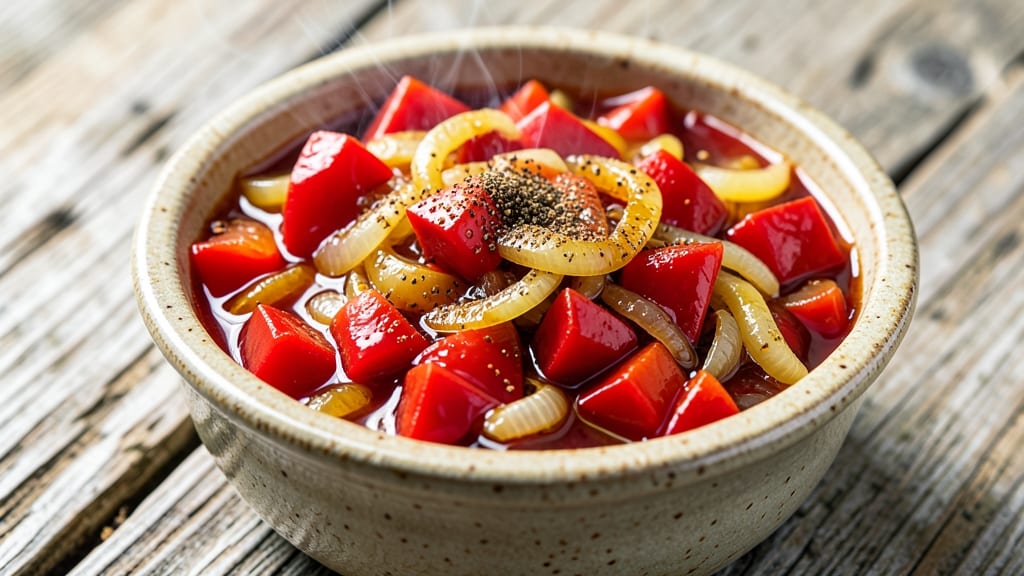
This Howard's sweet pepper relish recipe delivers a perfect balance of sweetness and heat that elevates sandwiches, hot dogs, and grilled meats to restaurant-quality levels. The secret lies in slow-cooking sweet peppers with vinegar, sugar, and warm spices until they develop deep, complex flavors while maintaining that signature tangy crunch.
I developed this recipe after years of testing variations, and it's now a staple in my kitchen—especially during summer BBQ season.
The process is straightforward but requires patience to achieve that ideal texture and flavor profile. You'll combine sweet peppers, onions, vinegar, sugar, and spices in a pot, simmering until the mixture thickens and the flavors meld together.
The result is a vibrant, slightly chunky relish that's sweet, tangy, and just spicy enough to keep things interesting. This recipe makes about 4 pints, perfect for gifting or stocking your pantry.
What sets this relish apart is its versatility—it works as a condiment for sandwiches, a topping for burgers, or even a side for grilled vegetables. The sterilization process ensures it stays fresh for months, making it ideal for meal prep or holiday giving.
Once you taste the difference between homemade and store-bought, you'll never go back to the jarred versions again.
Ready to make a batch that'll impress? This recipe includes detailed instructions for sterilizing jars and proper storage, so you can enjoy your relish all year round. Let's get started on creating a condiment that'll become a household favorite.
Ingredients for howard's sweet pepper relish
Sweet peppers, vinegar, and spices combine for a tangy, sweet-heat relish that transforms sandwiches and grilled meats.
| Ingredient | Amount | Notes |
|---|---|---|
| Sweet Red Bell Peppers 🍅 | 4 whole | Seeds and stems removed |
| Yellow Onions 🧅 | 2 whole | Medium size, sliced thin |
| White Vinegar 💧 | 2 cups | Distilled for best flavor |
| Granulated Sugar 🍚 | 1 ½ cups | White or light brown |
| Cayenne Pepper 🔥 | 1 tsp | Adjust for heat preference |
| Ground Allspice 🌶️ | ½ tsp | Warm, aromatic spice |
| Ground Cloves 🌿 | ¼ tsp | Freshly ground preferred |
| Salt 🧂 | 1 ½ tsp | Kosher or sea salt |
| Water 💧 | 1 cup | For thinning if needed |
| Sweetener (optional) 🍯 | ½ cup | Honey or maple syrup |
The bell peppers are the star here—look for plump, firm ones with vibrant color at the grocery store. Trader Joe's and Whole Foods usually carry the sweetest varieties. I always grab a few extra because they're so versatile. For onions, yellow or white work best—they caramelize nicely during cooking. If you're short on time, pre-sliced onions from the salad bar save chopping work, though fresh is always better. The vinegar should be distilled white—it's the most neutral and lets the pepper flavors shine.
No cayenne? Red pepper flakes at half the amount works in a pinch. Short on allspice? Cinnamon plus nutmeg can mimic that warm depth. The sugar can be swapped for honey or maple syrup if you prefer—just reduce the water slightly since these are thicker. If you're feeling adventurous, add a pinch of cinnamon too. The relish thickens as it cools, so if it seems too runny when hot, simmer uncovered for 5 more minutes. For a smoother texture, blend half before jarring—though I love the little crunch.
This relish keeps beautifully—6-12 months in sterilized jars. I always make a double batch because it disappears fast. Store in a cool, dark place, and the flavors only get better with time. The sterilization process is key here—use new jars and lids every time. If you're gifting, the pretty colors make it look extra special. For serving, I like to spoon it directly from the jar—no need to transfer. The sweetener (if using) can be added at the end if you want to adjust the sweetness level.
Why You'll Love This Recipe
- No-Chop Nightmare: The peppers and onions go in raw—no dicing, no julienne, just rough chop if you’re feeling fancy. I’ve made this while scrolling through emails, and the only real work is stirring the pot.
- Sweet Heat Balance: That cayenne sneaks up on you—just enough to wake your taste buds without stealing the show. The sugar caramelizes with the vinegar, giving it this tangy-sweet crunch that’s weirdly addictive.
- BBQ’s Best Sidekick: Slather it on burgers, mix it into deviled eggs, or spoon it over grilled chicken. It’s the kind of relish that makes everything taste like it’s been blessed by a food truck chef.
- Pantry Goldmine: A jar lasts me weeks, and the ingredients cost pennies. Plus, it’s one of those recipes where you’ll make a double batch and forget you even have leftovers—until someone else in the house clears you out.
Step-by-step instructions for Howard's sweet pepper relish
Here's how to create a vibrant, perfectly balanced relish that shines on sandwiches or as a tangy side.
Prepare and Cook the Vegetables
Cut the 4 whole sweet red bell peppers into ½-inch dice, removing seeds and stems first. Thinly slice the 2 whole yellow onions. In a large, heavy-bottomed pot, combine the peppers and onions with the 2 cups white vinegar. Bring to a boil over medium-high heat, then reduce to medium-low and simmer uncovered for 15 minutes until the vegetables soften and the liquid reduces slightly.
Here's the thing—don't rush this step. You want the vegetables to break down just enough to release their natural sweetness while still maintaining some texture. Stir occasionally to prevent sticking, and watch for the mixture to develop a deep, rich color. If the vegetables aren't soft enough after 15 minutes, give them another 5 minutes—they should be tender but not mushy.
Add Sweetener and Spices
Remove the pot from heat and stir in the 1.5 cups granulated sugar and the 0.5 cup sweetener (optional) if using. This is where the magic happens—the sugar will begin to dissolve and create a syrupy base for your relish. Return the pot to medium-low heat and cook for 5 minutes, stirring constantly, until the sugar is completely dissolved and the mixture is smooth.
Next, add the 1 tsp cayenne pepper, 0.5 tsp ground allspice, 0.25 tsp ground cloves, and 1.5 tsp salt. Stir well to distribute the spices evenly. The mixture should smell warm, slightly spicy, and deeply aromatic. If you're sensitive to heat, taste the relish now—you can always add a pinch more sugar later to balance it out.
Simmer to Thicken and Develop Flavor
Return the relish to a gentle simmer over low heat and cook uncovered for 20-25 minutes. This slow cooking allows the flavors to meld and the mixture to thicken naturally. Stir occasionally to prevent sticking and to ensure even cooking. You're looking for a consistency that's thicker than a sauce but still spreadable—it should coat the back of a spoon.
Here's what to watch for: the relish should reduce by about ¼, and the vegetables should be tender with no resistance when pierced with a fork. If it thickens too quickly, add the 1 cup water in small amounts to achieve the right texture. The relish is ready when it's glossy, vibrant, and has a perfect balance of sweet, tangy, and spicy flavors.
Cool and Store for Best Results
Remove the pot from heat and let the relish cool to room temperature, stirring occasionally. This step is crucial—it allows the flavors to fully develop and the texture to set properly. Once cooled, transfer the relish to clean, airtight jars or containers. It will thicken even more as it sits, so don't worry if it looks a bit runny while still warm.
Store the relish in the refrigerator for up to 3 months. The flavors will continue to deepen over time, making it even more delicious as it ages. When ready to serve, give it a good stir—it should be thick, glossy, and ready to brighten up sandwiches, burgers, or even as a topping for grilled meats. Enjoy the perfect sweet-heat balance!
Pro Tips For Making Howard'S Sweet Pepper Relish
- CHAR THE ONIONS FIRST: I learned this the hard way—sautéing onions until their edges turn translucent and just start to caramelize (about 8-10 minutes on medium heat) makes the relish taste deeper, not just sweeter. Skipping this step means you’re basically eating raw onion in a sweet sauce, and nobody wants that.
- COOK THE PEPPERS UNTIL MUSHY: Don’t stop when the peppers soften—keep them in the pot until they’re practically falling apart (another 5-7 minutes after they first yield). This breaks down their fibers and makes the relish silky, not chunky. (Yes, even if it looks like you’re overcooking them.)
- WEIGH THE SUGAR: Granulated sugar packs differently—don’t eyeball it. Use a kitchen scale for the vinegar-to-sugar ratio (usually 1:1 by weight) to avoid a cloyingly sweet or tart mess. I’ve ruined batches both ways, and the scale is your friend here.
- STIR IN THE CAYENNE LAST: Add the cayenne when the relish is off the heat—it burns easily and can turn bitter if it sits in the vinegar too long. A quick toss at the end keeps the heat bright, not smoky. (And if you’re sensitive to spice, start with half the amount and adjust.)
Troubleshooting this recipe
Relish Too Thin?
If your relish turns out too runny after cooking, don’t panic—this is an easy fix. Simmer uncovered for an extra 5-10 minutes on low heat to let the liquid evaporate. Stir occasionally to prevent burning.
For a quicker solution, mix in 1-2 tablespoons of cornstarch dissolved in 1 tablespoon cold water, then simmer for another 2-3 minutes until thickened. 💡
Vegetables Not Soft Enough
If your peppers and onions remain crunchy after simmering, extend the cooking time by 5-10 minutes on medium-low heat. Covering the pot with a lid can help steam the vegetables more evenly.
Avoid boiling vigorously, as this can turn the relish cloudy. For stubborn texture, add ¼ cup extra vinegar and cook uncovered for another 5 minutes—the acidity will break down the fibers faster.
Relish Too Sweet?
Balance excessive sweetness by adding ½ teaspoon more cayenne pepper or a pinch of smoked paprika to introduce depth. Alternatively, stir in 1 tablespoon of lemon juice for brightness.
If the relish is still too sweet after cooling, thin it slightly with 1 tablespoon water and simmer for another 2 minutes—this helps dilute the sugar concentration. Honestly, I’ve had to adjust this before, and a little acidity always saves the day.
Mold or Fermentation Issues
If your relish develops mold or an off smell, it’s likely due to improper sterilization or sealing. Always use new, clean jars and lids, and process them in a boiling water bath for 10 minutes to ensure a proper seal.
Store relish in the fridge if you’re unsure about long-term shelf life—it’ll keep for 3 months this way. For gifting, double-check seals by pressing the lid center: if it doesn’t pop back, the jar is sealed correctly. ❄️
Spices Too Strong?
If the cayenne or allspice overpowers the sweetness, reduce the heat by adding ½ teaspoon more sugar or a pinch of baking soda (just ¼ teaspoon) to neutralize some of the spiciness. Stir well and taste again after cooling.
For a smoother flavor profile, blend half the relish before jarring—this mellows out the spices while keeping the texture interesting. I’ve found that blending just a portion works best for balancing intensity.
Relish Separating?
If the relish splits into layers (liquid on top, solids at the bottom), stir in 1 tablespoon of vinegar and reheat gently until fully combined. For a more permanent fix, blend the entire batch until smooth.
If you prefer texture, add 1 teaspoon of xanthan gum dissolved in 2 tablespoons cold water, then stir vigorously into the relish. This thickener binds the mixture without altering flavor. 💫
Nutrition facts
Frequently asked questions
Can I substitute other peppers for sweet red bell peppers?
Yes! Yellow or orange bell peppers work beautifully—they just have slightly different sweetness levels. For a milder relish, use 1 extra tablespoon of sugar. Avoid hot peppers like jalapeños unless you want extra heat.
How long does homemade sweet pepper relish last?
When stored in sterilized jars in the pantry, this relish keeps for 6-12 months. Once opened, refrigerate and use within 3 months. The flavors actually improve over time! Always check for proper seals before storing long-term.
Can I make this relish without vinegar?
Vinegar is key for both preservation and tangy flavor, but you can substitute apple cider vinegar for a milder taste. For a non-vinegar version, use lemon juice + water (1:1 ratio) and reduce cooking time to 15 minutes—it won't last as long though. The texture will be less stable.
What's the best way to use up extra relish?
This versatile condiment works on hot dogs, grilled cheese sandwiches, burgers, or even as a dipping sauce for fries. Try it as a glaze for baked chicken or mixed into mayo for a sweet-spicy spread. Freeze extras in ice cube trays for single-use portions!
Why did my relish turn cloudy?
Cloudiness usually means the mixture boiled too vigorously or wasn't cooked long enough. For next time, simmer gently on low heat and cook until the vegetables are completely tender. If it's already made, blend half the batch for a smoother texture.