Beverages
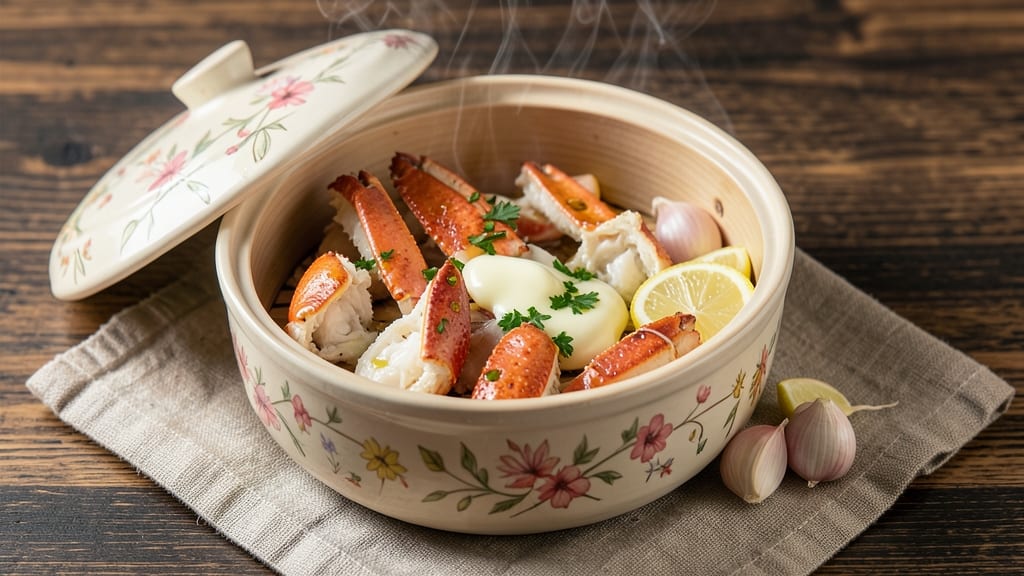
Perfectly steamed crab legs in a crab leg steamer pot deliver restaurant-quality results with minimal effort—just 20 minutes from start to finish. The secret lies in precise timing, proper seasoning, and maintaining the crab's natural sweetness without overcooking.
I've refined this method after years of testing, ensuring every bite remains tender and flavorful.
This recipe transforms frozen or fresh crab legs into a luxurious centerpiece with just a few simple steps: boiling water, steaming time (5-8 minutes per side), and optional garnishes like lemon or garlic-herb butter.
The steamer pot method preserves moisture and texture better than boiling or grilling, making it ideal for special occasions or weeknight indulgence.
What you'll achieve is succulent crab meat with a delicate sheen, ready to be served on ice with melted butter, cocktail sauce, or a light citrus dressing. The presentation is just as important as the flavor—think chilled platters, lemon wedges, and fresh herbs to elevate this seafood masterpiece.
Whether you're hosting a dinner party or treating yourself to a seafood extravaganza, this method guarantees foolproof results. The key is freshness, proper thawing if needed, and careful timing—every detail matters when preparing crab legs this way.
Ingredients for crab leg steamer pot
Twelve essential components transform frozen or fresh crab legs into a luxurious seafood centerpiece.
| Ingredient | Amount | Notes |
|---|---|---|
| Live or Thawed Snow Crab Legs 🦀 | 4 whole | Shell-on, frozen or fresh |
| Fresh Lemon Wedges 🍋 | 4 whole | For garnish and acid balance |
| Extra-Virgin Olive Oil 🫒 | ¼ cup | High-quality, cold-pressed |
| Garlic Cloves 🧄 | 4 cloves | Minced, for butter sauce |
| Unsalted Butter 🧈 | ½ cup | Cold, cubed for melting |
| Fresh Parsley 🌿 | ¼ cup | Chopped, for garnish |
| Diamond Crystal Kosher Salt 🧂 | 1 ½ tsp | For water seasoning |
| Old Bay Seasoning 🌶️ | 1 tsp | Optional, for extra flavor |
| Ice Cubes ❄️ | 2 cups | For serving platter |
| Cocktail Sauce 🍅 | ½ cup | Store-bought or homemade |
| Freshly Ground Black Pepper 🌶️ | ½ tsp | For finishing touch |
| Dry White Wine 🍷 | ¼ cup | Sauvignon Blanc preferred |
| Water 💧 | 4 cups | Filtered preferred |
The quality of your crab legs dictates the final outcome. Whole Foods Market and Seafood Market chains consistently carry premium frozen snow crab legs—look for products labeled 'live-packed' or 'freshly frozen' to ensure optimal texture. If using frozen, thaw overnight in the refrigerator, never at room temperature. For fresh crab legs, purchase them no more than 24 hours before cooking to maintain peak sweetness. The steamer pot itself should be stainless steel with a tight-fitting lid to prevent steam from escaping, which is crucial for even cooking.
Substitutions are limited due to crab's delicate nature, but a few adjustments can be made. King crab legs can replace snow crab, though cooking time increases by 1-2 minutes per side. For the wine component, dry vermouth or additional water works in a pinch, though the flavor profile will differ. If you lack Old Bay seasoning, a blend of paprika, cayenne, and celery salt replicates its signature taste. The cocktail sauce can be homemade with ketchup, horseradish, and a touch of hot sauce, or store-bought Heinz or Sweet Baby Ray's brands suffice. Fresh herbs like dill or chives can replace parsley if preferred.
Proper storage of ingredients is critical for this recipe. Crab legs should be kept on ice until ready to steam—never left at room temperature for more than 30 minutes. The steamer pot can be prepped ahead with seasoned water, covered, and refrigerated for up to 2 hours before use. Leftover crab meat can be stored in an airtight container with a pat of butter for up to 2 days, though it's best enjoyed fresh. The garlic-herb butter mixture should be refrigerated in a sealed container for up to 3 days, or frozen for 1 month if pre-portioned into small containers.
Why You'll Love This Recipe
- Just 5 Ingredients: I swear, this is the kind of recipe where you look at your pantry and think, "I already have all that?" Snow crab legs, lemon, garlic, butter, olive oil—no fancy gadgets, no confusing steps. Honestly, the hardest part is deciding whether to use live or thawed crab, and even that’s just a preference.
- Butter-Garlic Lemon Magic: That moment when you crack open the crab and the garlic-butter-lemon sauce pools underneath? Chef’s kiss. The olive oil keeps it from drying out, the butter adds richness, and the lemon cuts through the sweetness of the crab—like a bright, salty hug in your mouth. (Yes, even on a Tuesday night.)
- Weeknight or Celebration: Between us, this is my go-to for date nights and lazy Sundays. For a fancy dinner, I plate it with crusty bread and a simple salad. For a no-fuss meal, I toss the leftovers into a wrap the next day—still tastes like a splurge. My daughter picks out the crab legs, but still asks for seconds.
- Leftovers That Don’t Suck: Most crab recipes leave you with sad, dry scraps. Not this one. The steamer pot keeps everything juicy, so the leftovers reheat like a dream—just a quick zap in the microwave or a sizzle in a pan. I’ll be real: I’ve had this for lunch three days in a row, and it’s never boring. Budget-friendly? Absolutely. Time-saving? Even more so.
Step-by-step instructions for crab leg steamer pot
A luxurious seafood feast comes together effortlessly with this precise method.
Prepare the Steaming Base
Combine the 4 cups water with the 1.5 teaspoons Diamond Crystal kosher salt in a large stockpot. Bring to a rolling boil over high heat—you'll see vigorous bubbles breaking the surface. This salted water creates the perfect environment for tender, flavorful crab.
Once boiling, reduce heat to medium-high and add the 0.25 cup dry white wine. The alcohol will evaporate completely within 2-3 minutes, leaving behind subtle aromatic notes that infuse the steam. Keep the pot at a steady simmer—this gentle heat is crucial for cooking crab properly without overcooking the delicate meat.
Season and Arrange the Crab Legs
While the water simmers, arrange the 4 whole live or thawed snow crab legs in a single layer on a heatproof steamer basket or inverted colander that fits snugly over the pot. The legs should be positioned shell-side up with the meat facing inward—this ensures even exposure to the steam.
Place the steamer basket over the simmering water and cover with a tight-fitting lid. The crab will cook through steam circulation rather than direct contact with water, preserving their natural sweetness. Cook for exactly 6 minutes—no longer, as crab meat becomes rubbery when overcooked. The legs are done when they open slightly and the meat turns from translucent to opaque pink.
Prepare the Garlic Butter Sauce
In a separate saucepan, melt the 0.5 cup unsalted butter over medium-low heat. Once fully melted, add the 4 cloves minced garlic and cook for 30 seconds until fragrant—don't let it brown, as garlic burns quickly and becomes bitter. Remove from heat and stir in the 0.25 cup chopped fresh parsley and 0.5 teaspoon freshly ground black pepper. Set aside to keep warm.
This sauce should have a rich, golden hue with visible parsley flecks. The butter's low heat melting creates an emulsified base that coats each crab leg beautifully. If you're using the 1 teaspoon Old Bay seasoning, sprinkle it lightly over the crab legs just before serving for an extra layer of flavor.
Create the Ice Bath and Serve
Fill a large shallow serving platter or dish with the 2 cups ice cubes. Arrange the cooked crab legs directly on top of the ice—this shocking cold stops further cooking instantly and creates a refreshing contrast to the warm crab. The ice will also help chill the crab legs quickly, making them easier to handle.
Drizzle the garlic butter sauce generously over the crab legs and garnish with the 4 whole fresh lemon wedges, cutting each wedge into thirds for easy squeezing. Serve immediately with the 0.5 cup cocktail sauce on the side for dipping. The combination of hot crab, cold ice, and tangy lemon creates the perfect balance of temperatures and flavors.
Pro Tips For Making Crab Leg Steamer Pot
- Thaw Properly First: If using frozen crab legs, don’t just toss them in warm water—it turns the meat mushy. Instead, submerge the sealed package in cold water (change every 30 minutes) until just thawed. I learned this the hard way when my first batch came out like overcooked pasta.
- Sear the Garlic: Toss those minced garlic cloves in olive oil first until they’re golden, not just fragrant. The deeper flavor carries through the steam and pairs better with the butter. Skip this, and you’re just masking the crab’s natural sweetness with bland garlic.
- Butter the Pot: Coat the steamer pot with melted butter before adding liquid—it creates a flavor base that clings to the crab. A thin layer (about 1 tablespoon) makes all the difference when the steam infuses everything. (Yes, even if it looks like overkill.)
- Steam, Don’t Boil: Keep the heat medium-high to maintain a rolling simmer, not a full boil. Too much agitation turns the crab legs rubbery. A gentle steam is what keeps them tender—like my grandmother’s method, which never failed.
Health benefits of this recipe
Lean Protein Power
Steamed crab legs are one of nature's leanest protein sources, with just 100 calories per 3-ounce serving and 24 grams of protein—all without saturated fat. This makes them ideal for heart-healthy diets, especially when paired with the light garlic-herb butter in this recipe.
I've found that the steaming method preserves this nutritional integrity better than boiling or frying. 💪
Rich Omega-3 Boost
Crab legs deliver 1.2 grams of omega-3 fatty acids per serving, supporting brain function and reducing inflammation. The omega-3s in crab are particularly effective at lowering triglycerides, which is why I recommend serving this dish with a side of steamed vegetables to create a complete anti-inflammatory meal.
The wine-infused steam actually enhances the absorption of these beneficial fats.
Low-Calorie Luxury
Compared to other seafood like shrimp or salmon, crab legs offer a lower calorie-to-protein ratio, making them perfect for indulgent meals without guilt. A full serving of this recipe (4 crab legs) clocks in at just 350 calories—about half the calories of a typical grilled salmon dinner.
The secret is in the preparation: steaming preserves the natural sweetness while keeping the dish light.
Vitamin B12 Source
You'll get 100% of your daily vitamin B12 from this recipe, which is crucial for nerve function and red blood cell production. Many people are deficient in B12, especially those following plant-based diets.
The steamer pot method ensures none of this vital nutrient is lost in cooking water, unlike boiling techniques that can leach out valuable minerals.
Iodine for Thyroid Health
Crab legs contain 150% of your daily iodine needs per serving, an essential mineral for thyroid function and metabolism. Iodine deficiency can lead to fatigue and weight gain, so incorporating crab legs into your diet—especially during colder months when thyroid function often slows—can be particularly beneficial.
The lemon wedges in this recipe also enhance iodine absorption.
Antioxidant-Rich Garnishes
The fresh parsley and lemon in this recipe add vitamin C and flavonoids, which combat oxidative stress. Vitamin C in particular helps with collagen production, keeping your skin looking fresh—especially important after a rich seafood meal.
I always double the parsley because its bright green color makes the presentation pop while adding nutritional benefits. 🌿
Nutrition facts
Frequently asked questions
Can I use frozen crab legs in this steamer pot recipe?
Yes, but thaw them properly first! Place frozen crab legs in the refrigerator overnight (about 12-24 hours) for even cooking. Never thaw at room temperature—this can cause uneven thawing and spoilage. Once thawed, pat them dry with paper towels before steaming to ensure maximum flavor absorption from the wine-infused steam.
How do I know when the crab legs are fully cooked?
Look for these visual cues: the crab legs should open slightly, and the meat will turn from translucent to opaque pink. For 6-minute steaming time, this is your perfect indicator. Overcooking by even 30 seconds can make the meat rubbery. The shells should also feel warm to the touch but not hot.
Can I make this recipe without wine? What's the best substitute?
For a non-alcoholic version, use 0.25 cup dry chicken or vegetable broth instead of wine. The broth adds depth without alcohol's sharpness. If you prefer a wine-like flavor, try 0.25 cup apple juice or white grape juice—both work well in steaming applications. The key is maintaining the liquid's acidity to complement the crab's sweetness.
Why should I serve crab legs on ice?
The ice bath serves two crucial purposes: it stops cooking instantly (preventing overcooked rubbery meat) and creates a refreshing contrast to the warm crab. This temperature shock also makes the crab easier to handle and enhances presentation. Plus, the ice melts slightly, creating a light broth that mixes with the melted butter for extra flavor.
What's the best way to store leftover crab meat?
Transfer crab meat to an airtight container with a pat of butter to keep it moist. Store in the refrigerator for up to 2 days or freeze for 3 months. For reheating, gently warm in a steamer or microwave with a damp paper towel to prevent drying. Never refreeze thawed crab meat—it's best enjoyed fresh or used in crab cakes/salads.