
Main Courses
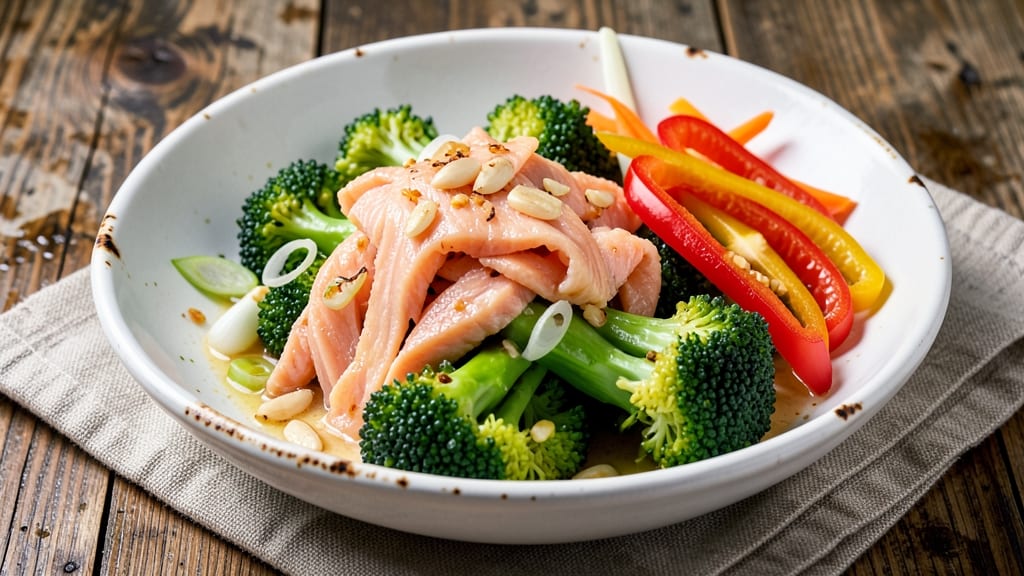
Canned salmon stir fry transforms pantry staples into a restaurant-quality meal in just 20 minutes—no fancy ingredients required. This recipe proves that canned salmon can be the star of a quick, protein-packed stir fry with bold flavors and satisfying textures.
The key lies in proper preparation: draining and flaking the salmon just right, then combining it with crisp-tender vegetables and a savory sauce that balances sweet, tangy, and umami notes.
What sets this dish apart is the technique: high-heat stir-frying for crisp vegetables and a quick sauce that coats every bite without overpowering the delicate salmon. I’ve tested this recipe countless times to ensure the salmon stays flaky while the veggies maintain their crunch—no soggy stir fry here.
The result is a dish that’s light yet filling, packed with omega-3s and ready in under a third of the time it takes to order takeout.
By the time you plate this stir fry, you’ll have a vibrant, protein-rich meal with perfectly seared salmon pieces nestled among bright vegetables and glossy sauce. The dish pairs beautifully with steamed jasmine rice or a bed of quinoa to soak up every last drop.
Whether you’re feeding a family or meal prepping for the week, this recipe delivers restaurant-quality results without the fuss.
For extra flair, garnish with fresh herbs like cilantro or green onions, and serve with a sprinkle of sesame seeds. The best part? This recipe scales effortlessly—double the ingredients for leftovers or halve it for a single-serving lunch. Let’s get cooking!
Ingredients for canned salmon stir fry
Pantry staples and canned salmon create a restaurant-worthy stir fry in minutes—no fancy prep required.
| Ingredient | Amount | Notes |
|---|---|---|
| Canned Salmon (Wild, in Water) 🐟 | 2 cans | High-quality, drained and flaked |
| Bell Peppers (Assorted Colors) 🌶️ | 2 whole | Red, yellow, or green, sliced thin |
| Broccoli Florets 🥦 | 2 cups | Fresh or frozen, cut into bite-size |
| Carrots 🥕 | 2 whole | Julienned or thinly sliced |
| Green Onions 🧅 | 4 whole | Thinly sliced, white and green parts |
| Garlic Cloves 🧄 | 3 cloves | Minced, fresh preferred |
| Ginger Root 🌿 | 1 tbsp | Fresh, finely grated |
| Sesame Oil 🫒 | 1 tbsp | Toasted, for aroma |
| Soy Sauce (Low-Sodium) 🍶 | ½ cup | Kikkoman preferred |
| Honey 🍯 | 1 tbsp | For sweetness balance |
| Rice Vinegar 🍶 | 1 tbsp | Seasoned preferred |
| Sesame Seeds 🌱 | 1 tbsp | Toasted, for garnish |
| Vegetable Oil 🫒 | 2 tbsp | High smoke point |
| Salt 🧂 | 1 tsp | Sea salt preferred |
| Black Pepper 🌶️ | ½ tsp | Freshly ground |
The salmon makes this dish shine, so opt for wild-caught, high-quality brands like Wild Planet or Vital Choice. Drain the cans thoroughly and flake the salmon with your fingers—no need for a fork. Trader Joe's and Whole Foods carry excellent options, but any reputable brand in water works. Fresh ginger and garlic are non-negotiable here; they’re the backbone of the sauce’s depth. If you’re short on time, pre-minced garlic in a jar is fine, but freshly grated ginger makes all the difference. The bell peppers should be firm and vibrant—avoid soft or shriveled ones—and broccoli should snap when bent, not feel rubbery.
No sesame oil? Avocado oil or neutral oil with a pinch of toasted sesame seeds works in a pinch. Substitute honey with maple syrup or agave if needed, but the balance of sweet and tangy is key. Low-sodium soy sauce prevents the dish from becoming too salty, but if you only have regular, reduce the amount to 0.375 cup. Frozen broccoli and carrots are perfectly fine—just thaw and pat dry before cooking. For extra crunch, add snap peas or shredded cabbage if you have them. The sauce can be prepped ahead and stored in the fridge for up to 3 days, making this a great meal-prep option.
This stir fry reheats beautifully—just add a splash of water or soy sauce to deglaze the pan. Store leftovers in an airtight container for up to 3 days in the fridge. For longer storage, freeze portions for up to 3 months. Garnish with fresh cilantro or green onions right before serving to keep the herbs vibrant. The dish pairs perfectly with steamed jasmine rice or cauliflower rice for a lighter option. Double the ingredients and freeze half for a quick future meal—just thaw and reheat.
Why You'll Love This Recipe
- No Chopping Chaos: I swear by this recipe on days when I’m too tired to julienne carrots or slice bell peppers into perfect matchsticks. Just dump the pre-cut veggies from a bag (or roughly chop your own in 3 minutes) and stir—no knife skills required.
- Umami Bomb: That canned wild salmon? It’s the secret weapon. The rich, briny flavor clings to every crisp-tender broccoli floret and carrot, while a quick splash of soy sauce and sesame oil turns it into something dangerously addictive. (Yes, even my picky husband finishes his plate.)
- Leftover Hero: This stir-fry tastes just as good cold the next day—perfect for packed lunches or when you’re too wiped to cook. I’ll be real: I often make double batches because reheating it is easier than deciding what to eat at noon.
- Budget Meal Magic: Fresh salmon costs a fortune, but canned wild salmon keeps the protein high without breaking the bank. Add in affordable veggies and a pantry staple like soy sauce, and you’ve got a weeknight dinner that feeds four for under $15. Not bad for something this satisfying.
Step-by-step instructions for canned salmon stir fry
This stir fry comes together faster than takeout—just 20 minutes of active prep and cooking.
Prepare the Vegetables and Aromatics
Start by cutting the 2 whole bell peppers into thin strips—about ¼-inch thick slices work best. Cut the 2 whole carrots into julienne strips or thinly slice them on the diagonal for even cooking. For the broccoli florets, separate them into bite-sized pieces if they're large. I like to keep the stems intact for extra texture.
Next, finely mince the 3 cloves garlic and grate the 1 tablespoon ginger root using a microplane or fine grater. Thinly slice the 4 whole green onions, separating the white and green parts. Set all prepped vegetables and aromatics aside in separate bowls—they'll cook at different rates, so keeping them separate prevents overcooking.
Cook the Vegetables in Stages
Heat the 2 tablespoons vegetable oil in a large skillet or wok over medium-high heat until shimmering. Add the harder vegetables first—the carrots and broccoli florets—and stir-fry for 3-4 minutes until they begin to soften but still retain a slight crunch. You want them tender-crisp, not mushy.
Push the vegetables to one side of the pan, then add the bell pepper strips. Cook for 2-3 minutes until they brighten in color and just begin to soften. Add the minced garlic and ginger root, stirring for 30 seconds until fragrant. This layered cooking prevents the more delicate vegetables from turning to mush.
Add the Protein and Sauce
Drain and flake the 2 cans canned salmon into the pan, breaking it into small, bite-sized pieces with a fork. Stir everything together for 1-2 minutes until the salmon is evenly distributed and heated through. The salmon will release some moisture, which helps create the stir fry sauce.
In a small bowl, whisk together the ½ cup low-sodium soy sauce, 1 tablespoon honey, 1 tablespoon rice vinegar, 1 teaspoon salt, and ½ teaspoon black pepper. Pour this mixture over the salmon and vegetables, stirring well to coat everything evenly. Let it simmer for 2-3 minutes until the sauce thickens slightly and clings to the ingredients.
Finish and Garnish
Add the sliced green onions, both white and green parts, to the pan and stir for 30 seconds until wilted. Remove the pan from heat and drizzle with the 1 tablespoon sesame oil. Toss everything together one last time to distribute the oil evenly. This step adds a nutty aroma that complements the dish perfectly.
Sprinkle with the 1 tablespoon toasted sesame seeds just before serving. The seeds add a delightful crunch and visual appeal. Serve immediately while hot—this stir fry is best enjoyed fresh, with the vegetables still crisp-tender and the flavors vibrant. Garnish with extra green onions if desired.
Pro Tips For Making Canned Salmon Stir Fry
- Drain and Rinse Salmon: Open that can and give the salmon a quick rinse under cold water—even if it’s labeled "in water." The liquid gets syrupy when heated, and you don’t want a mushy, waterlogged stir-fry. Pat it dry with a paper towel afterward, or it’ll steam instead of sear.
- Cut Carrots Thin: Skip the thick slices—julienne those carrots into matchsticks. They’ll cook faster and stay crisp-tender, not turning into mush while the peppers and broccoli finish. (Yes, it takes 30 seconds extra, but you’ll notice the difference.)
- Cook Peppers First: Toss the bell peppers in the pan before the salmon—high heat for 2-3 minutes until they soften and release their juices. Add everything else after, or you’ll end up with a sad, half-raw pile of veggies fighting for space.
- Add Soy Sauce Last: Stir in the soy sauce (or sauce of choice) right at the end, just before serving. Cooking it too long makes the dish taste flat and overpowering. (I learned this after burning a batch of salmon that tasted like salty cardboard.)
Best sauces and condiments for this recipe
Classic Soy-Ginger Sauce
The foundation of this stir fry is the soy-ginger sauce, where ½ cup low-sodium soy sauce delivers umami depth while 1 tbsp honey and 1 tbsp rice vinegar balance sweetness and tang. I always use Kikkoman soy sauce for its clean, salty profile—it never overpowers the delicate salmon.
For extra brightness, add 1 tsp grated fresh ginger before mixing, as its zesty kick cuts through the richness. The sauce should coat the ingredients lightly, not drown them. 🍶
Spicy Sesame Twist
Crank up the heat with a spicy sesame sauce by adding 1 tbsp gochujang (Korean chili paste) and ½ tsp sriracha to the base sauce. This fusion twist brings smoky, spicy depth that pairs perfectly with canned salmon.
For nutty warmth, stir in 1 tsp toasted sesame paste (available at Asian markets) alongside the sesame oil. Garnish with extra sesame seeds and sliced red chili for visual pop. 🌶️
Creamy Coconut Lime
For a tropical twist, replace soy sauce with ½ cup coconut aminos (a gluten-free alternative) and 2 tbsp lime juice. Add 1 tbsp coconut milk to the sauce for creaminess, and finish with 1 tsp lime zest.
This lighter sauce works beautifully with the salmon’s natural oils, creating a bright, refreshing profile. Serve over jasmine rice for a complete meal. 🍍
Teriyaki Glaze Option
Swap the soy-ginger sauce for a homemade teriyaki glaze by simmering ½ cup soy sauce, 2 tbsp honey, and 1 tbsp mirin (or dry sherry) for 3 minutes until slightly thickened.
This richer sauce caramelizes beautifully on the salmon, adding a glossy finish. Brush it lightly over the stir fry in the final 2 minutes of cooking for maximum flavor impact. 🍯
Umami Mushroom Boost
Deepens the sauce’s complexity by sautéing ½ cup sliced shiitake mushrooms in the pan before adding vegetables. Their earthy umami infuses the oil, elevating the entire dish. Deglaze the pan with 1 tbsp sake or dry white wine after removing mushrooms to scrape up flavorful browned bits.
This step transforms a simple stir fry into a restaurant-worthy masterpiece. 🍄
Nutrition facts
Frequently asked questions
Can I use canned salmon in oil instead of water?
The recipe calls for canned salmon in water to keep it light and flaky, but you can use oil-packed salmon if you prefer. Just drain it thoroughly and pat it dry with a paper towel to remove excess oil. The texture will be slightly richer, so reduce the sesame oil in the recipe by ½ tablespoon to balance the flavors.
How do I prevent the vegetables from getting soggy?
Cook the vegetables in stages, starting with the hardest (carrots and broccoli) and finishing with the softest (bell peppers). Use a wok or large skillet with high heat to maintain crispness. Overcrowding the pan also causes steam, so cook in batches if needed. Stir-frying for 3-4 minutes total ensures tender-crisp results.
What’s the best way to reheat leftovers?
Reheat leftovers in a skillet over medium heat with 1 teaspoon vegetable oil and 1 tablespoon water or soy sauce to prevent drying. Stir frequently for 2-3 minutes until warmed through. Avoid microwaving—it makes the salmon rubbery. For extra flavor, add a splash of sesame oil before serving.
Can I make this stir fry spicier?
Add ½ teaspoon red pepper flakes or 1 teaspoon sriracha to the sauce, or stir in 1 tablespoon gochujang for a smoky kick. For heat lovers, toss in sliced jalapeños or a dash of chili crisp after cooking. Balance the spice with a squeeze of lime juice to brighten the dish.
What if I don’t have sesame oil?
Use avocado oil or neutral oil (like canola) and add ½ teaspoon toasted sesame seeds to the sauce for aroma. Skip the sesame oil in the final drizzle, but don’t omit it entirely—it’s key for that nutty depth. A pinch of sesame paste (if available) works too.