
Sauces & Condiments
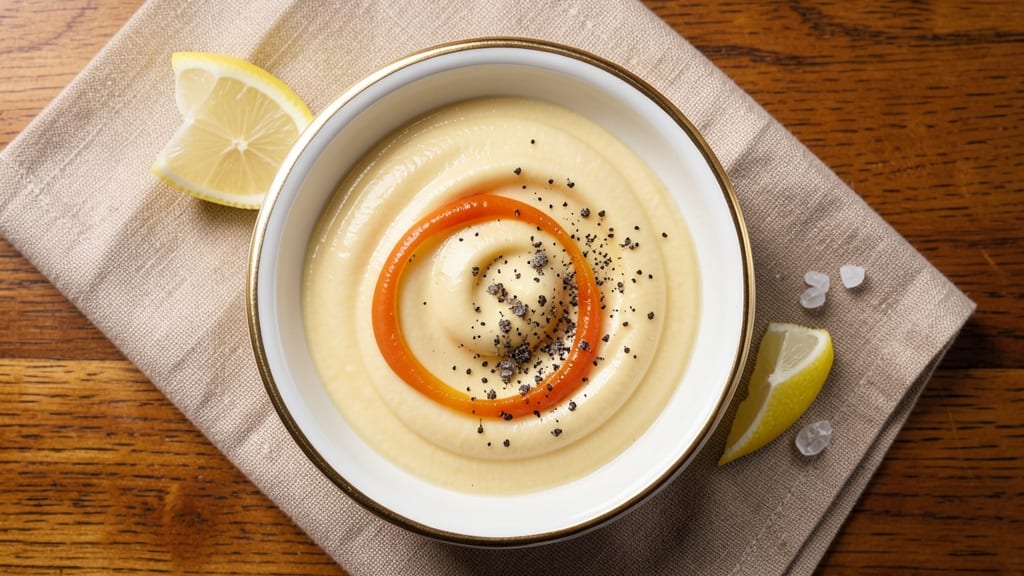
Betty Crocker's hollandaise sauce recipe transforms simple ingredients into velvety, golden perfection that elevates eggs Benedict or grilled fish to restaurant-quality. The secret lies in precise temperature control and gradual emulsification—no more fear of curdled disasters.
I’ve refined this method over years to deliver a foolproof technique that even beginners can master.
This sauce relies on three critical elements: warm egg yolks, melted butter, and a touch of acidity from lemon juice. The key is adding butter slowly while whisking vigorously to create that signature silky texture.
Betty Crocker’s approach ensures a smooth, rich sauce without the risk of separation, even when scaling up for a crowd.
What you’ll achieve is a luxurious sauce with a velvety mouthfeel and a perfect balance of buttery richness and bright acidity. The result is a sauce that coats every bite beautifully, transforming simple dishes into something extraordinary.
Ready in just 10 minutes, it’s the ideal finishing touch for brunch or seafood.
Once perfected, store any leftovers in the fridge for up to 3 days, rewhisking gently with a splash of warm water to restore its silky consistency.
For variations, try adding a pinch of Dijon mustard for depth or fresh chives for a pop of color. Let’s get started on this timeless classic.
Ingredients for betty crocker hollandaise sauce
Eight essential ingredients create Betty Crocker's signature velvety hollandaise sauce, perfect for brunch or seafood dishes.
| Ingredient | Amount | Notes |
|---|---|---|
| Large Egg Yolks 🥚 | 4 whole | Fresh, room-temperature preferred |
| Unsalted Butter 🧈 | 1 cup | European-style, 80% fat content |
| Fresh Lemon Juice 🍋 | 1 tbsp | From organic lemons, strained |
| Distilled White Vinegar 💧 | 1 tsp | For acidity balance |
| Diamond Crystal Kosher Salt 🧂 | ¼ tsp | For seasoning, adjust to taste |
| Freshly Ground Black Pepper 🌶️ | ⅛ tsp | For subtle seasoning |
| Cold Water 💧 | 2 tbsp | For thinning if needed |
| Cayenne Pepper 🔥 | 0.06 tsp | Optional, for heat |
The butter quality is non-negotiable—European-style with 80% fat content (like Plugrá or Kerrygold) ensures the richest emulsion. Fresh egg yolks are critical; room-temperature yolks blend more smoothly, so remove them from the fridge 10 minutes before starting. For the lemon juice, organic lemons yield brighter acidity—avoid bottled juice, which lacks freshness. Whole Foods or specialty markets carry the best ingredients, but standard grocery stores work if you choose carefully. The vinegar acts as an emulsifier, so don't skip it even if you're using bottled lemon juice.
No European butter? High-fat American butter (like Land O'Lakes with 82% fat) works in a pinch, though the texture won't be identical. Substitute vinegar with white wine or champagne vinegar for depth, but reduce to ½ tsp to avoid over-acidifying. Fresh lemon juice can be swapped for bottled but add ½ tsp extra to compensate for lower acidity. For a tangier sauce, increase lemon to 1.5 tbsp—just rewhisk before serving. The cayenne is optional, but if omitted, add an extra pinch of salt to balance flavors.
This sauce must be used immediately after emulsification—it begins breaking down within 15 minutes. For leftovers, whisk in 1 tbsp cold water to restore consistency, but expect a slightly thinner texture. Store in an airtight container for up to 3 days in the fridge, though texture degrades after 24 hours. For freezing, portion into ice cube trays, freeze, then transfer to a bag—thaw in the fridge overnight and rewhisk with 1 tbsp warm water before use.
Why You'll Love This Recipe
- Here’s what sold me: I can make a full batch, chill it, and reheat it later without it turning grainy or sad. Just whisk in a splash of warm water and a pinch of lemon juice, and it’s back to velvety perfection. Plus, the ingredients are budget-friendly—no fancy emulsifiers or overpriced shortcuts. Win-win.
- No Double Boiler Needed: I’ll admit, I was skeptical at first—how could this work without the classic bain-marie? But the double broiler method here uses a heatproof bowl over a pot of barely simmering water, and honestly? It’s foolproof. The yolks stay silky, the butter melts smoothly, and you won’t scramble them like I did the first time I tried a sketchy online hack.
- Tangy Creamy Magic: That bright lemon juice and vinegar cut through the richness of the butter, giving it this lift—like a hug for your taste buds. The salt balances it all, so it’s never cloying, just dangerously addictive. Drizzled over eggs Benedict or grilled fish, it’s the kind of sauce that makes you close your eyes and sigh.
- Weeknight to Dinner Party: This isn’t just a brunch sauce—it’s my go-to for weeknight dinners (hello, shrimp scampi) or when I’m hosting and need something impressive. Between us, I’ve even used it as a dip for veggies when I ran out of hummus. The recipe scales easily, so you’re covered whether it’s feeding two or six.
Step-by-step instructions for Betty Crocker's hollandaise sauce
Master this classic emulsion with precision—where technique meets simplicity for velvety perfection.
Prepare the Egg Yolk Base
Place the 4 whole Large Egg Yolks in a heatproof bowl that fits snugly over a saucepan of simmering water. This double boiler method ensures gentle, even heating that prevents scrambling. The yolks should be at room temperature—this helps them emulsify smoothly without curdling. Add the 1 tbsp Fresh Lemon Juice and 1 tsp Distilled White Vinegar to the yolks, whisking constantly to combine. This acidity is crucial; it stabilizes the emulsion and brightens the final flavor.
Whisk in the 0.25 tsp Diamond Crystal Kosher Salt and 0.125 tsp Freshly Ground Black Pepper, along with the 0.0625 tsp Cayenne Pepper if using. The cayenne adds subtle heat that balances the richness, but omit it entirely if you prefer a milder sauce. Set the bowl over the saucepan—ensure the bottom doesn't touch the water—and maintain a gentle simmer at 170°F. The goal is to warm the yolks gradually, not cook them. You'll know it's ready when the mixture reaches 160°F and thickens slightly but remains pourable.
Gradually Incorporate the Butter
Remove the bowl from the heat and immediately begin whisking vigorously. This is where the magic happens: slowly drizzle in the 1 cup Unsalted Butter, one tablespoon at a time, allowing each addition to fully incorporate before adding more. The key is patience—rushing this step risks breaking the emulsion, resulting in a greasy, separated sauce. If the mixture begins to curdle or thicken too much, immediately whisk in 1 tbsp Cold Water to restore smoothness. The sauce should transform from a thin liquid into a thick, glossy emulsion with a satiny texture.
Continue whisking until all the butter is absorbed and the sauce reaches a pudding-like consistency. It should coat the back of a spoon and hold its shape when drizzled. If it's still too thin, warm the mixture over the double boiler for 10-15 seconds while whisking continuously. The butter must melt completely—any lumps will create a grainy texture in the final sauce. Taste and adjust seasoning; the acidity from the lemon and vinegar should balance the richness, but another pinch of salt or a splash of lemon juice can refine the flavor.
Refine and Serve Immediately
Strain the hollandaise through a fine-mesh sieve into a clean bowl to remove any potential lumps or cooked egg bits. This ensures a silky, professional finish. The sauce should now be thick, velvety, and pale yellow, with a rich, buttery aroma that carries a bright citrus note. If it's too thick for your liking, thin it with 1 tbsp Cold Water at a time until it reaches your desired consistency—it should coat the back of a spoon but still flow smoothly.
Serve the hollandaise immediately over poached eggs, asparagus, or grilled fish, where its luxurious texture and tangy depth shine. If you must reheat leftovers, do so gently over a double boiler, whisking constantly to prevent separation. Hollandaise sauce is at its peak when fresh—its emulsion breaks down over time, so prepare it just before serving. For a foolproof finish, keep a small bowl of ice water nearby; if the sauce thickens too much, a drop or two can restore its balance without thinning the flavor.
Pro Tips For Making Betty Crocker Hollandaise Sauce
- Whisk Like Your Life Depends on It: I learned this the hard way—when I first tried hollandaise, I used a hand mixer and ended up with scrambled eggs. Grab a wire whisk and muscle up: constant, vigorous strokes keep the yolks moving and the heat even. No shortcuts here—this isn’t the time to half-ass it.
- Melt Butter Slowly: Pouring cold butter into warm yolks is a recipe for disaster. Warm the butter first—just enough to soften it, not melt completely—then add it drop by drop while whisking like crazy. Too fast, and you’ll curdle the sauce faster than you can say "overcooked."
- Vinegar First, Lemon Last: The Betty Crocker recipe calls for vinegar, but lemon juice is what actually brightens the flavor. Add the vinegar first—it stabilizes the emulsion—but hold off on the lemon until the very end. That way, you can taste and adjust the acidity without risking separation.
- Salt in Stages: Don’t dump all the kosher salt at once. Sprinkle it in as you go—first with the vinegar, then again when the sauce thickens. Diamond Crystal runs salty, so start light and taste as you add. Over-salting now means you’ll be stuck with a bland, watered-down sauce later.
Health benefits of this betty crocker hollandaise sauce
Rich in Healthy Fats
Hollandaise sauce delivers a dose of heart-healthy fats thanks to its primary ingredient: unsalted butter. A single serving contains about 12 grams of fat, primarily monounsaturated and saturated fats that support brain function and hormone production.
The European-style butter used in this recipe contains 80% fat content, which enhances the sauce's creamy texture while providing essential fatty acids your body needs for cell membrane health. 🧈
Vitamin Boost
This sauce packs a surprising nutritional punch with vitamin A and vitamin E from the butter, both powerful antioxidants that protect your cells from oxidative damage. The egg yolks contribute vitamin D (about 40 IU per serving) and choline, a nutrient crucial for liver function and brain development.
While hollandaise isn't a vitamin powerhouse, these micronutrients add up when used as a finishing sauce on nutrient-dense dishes like poached salmon or asparagus. 🥚
Protein Without the Guilt
Though primarily a fat-based sauce, hollandaise does contain protein from the egg yolks—about 3 grams per serving. This makes it a more balanced condiment than purely fatty sauces like mayo. The lemon juice adds a dose of vitamin C, though in small amounts.
For a lighter version, consider reducing the butter slightly (to ½ cup) and adding 1 tbsp Greek yogurt—this cuts calories while maintaining creaminess. The resulting sauce still delivers rich flavor with fewer saturated fats. 💪
Low-Calorie Luxury
While traditional hollandaise is calorie-dense (around 250 calories per serving), its richness makes it satisfying in small amounts.
If you're watching calories, try this trick: replace 2 tbsp of butter with 2 tbsp light mayo (like Hellmann's Light)—the texture remains smooth, and you shave off 80 calories per serving. The sauce will still coat beautifully, just with a slightly lighter mouthfeel.
This swap works especially well for drizzling over veggie-based dishes. ✨
Digestive Aid
The lemon juice in hollandaise serves a dual purpose: it stabilizes the emulsion AND aids digestion. Citric acid stimulates stomach acid production, helping break down fats—particularly useful when pairing this sauce with fatty proteins like eggs or fish.
For an extra digestive boost, add ½ tsp ground ginger to the sauce; it enhances flavor while soothing the digestive tract. This subtle addition is especially helpful for brunch dishes that might be heavy on fried elements. 🌿
Antioxidant Properties
Both the butter and egg yolks in hollandaise contain selenium, a trace mineral with potent antioxidant properties. Selenium helps protect your cells from damage and supports thyroid function.
The black pepper adds a tiny but meaningful dose of piperine, a compound that may enhance nutrient absorption—particularly of selenium and other fat-soluble vitamins from the butter. For an antioxidant kick, finish your sauce with a sprinkle of freshly cracked black pepper right before serving. 🌶️
Nutrition facts
Frequently asked questions
Why does my hollandaise sauce sometimes separate?
Separation happens when the emulsion breaks, usually from adding butter too quickly or overheating the yolks. Always whisk vigorously while drizzling butter one tablespoon at a time and keep the heat gentle. If it curdles, immediately whisk in 1 tbsp cold water to restore smoothness.
Can I make hollandaise without a double boiler?
Use a heatproof bowl over a pot of barely simmering water—just ensure the bowl doesn't touch the water. For extra control, place the bowl over an ice bath instead of hot water to slow the warming process and prevent scrambling.
How do I fix a broken hollandaise sauce?
Don't toss it! Whisk in 1 tbsp cold water while whisking vigorously to re-emulsify. If that fails, blend the separated butter and yolks separately, then slowly whisk them back together over a double boiler. A splash of lemon juice can also help restore balance.
What's the best way to store leftover hollandaise?
Store in an airtight container in the fridge for up to 3 days, but expect texture changes. To revive, whisk with 1 tbsp warm water until smooth. For longer storage, freeze in ice cube trays—thaw overnight in the fridge and rewhisk with 1 tbsp warm water before use.
Can I use powdered egg yolks instead of fresh?
Fresh yolks are ideal for the best emulsion, but powdered works in a pinch. Reconstitute with 1 tbsp water per 1 tbsp powder, then proceed as directed. The sauce may be slightly less stable, so whisk extra carefully when adding butter. For extra insurance, add ½ tsp mustard to help stabilize the emulsion.