Appetizers
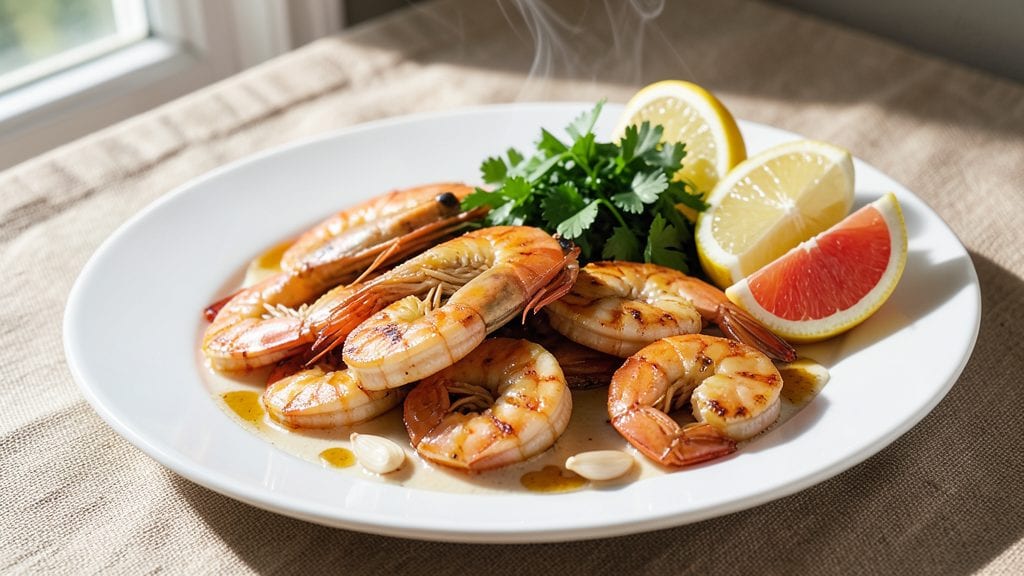
This copycat shrimp scampi recipe delivers restaurant-quality garlicky butter magic that transforms simple shrimp into a luxurious appetizer in just 20 minutes.
The secret lies in high-heat searing for crisp-tender shrimp, followed by a quick deglaze that builds layers of garlic, white wine, and lemon—all finished with a velvety butter sauce. I’ve perfected this technique after years of testing, ensuring every bite delivers that signature crispness and aromatic sauce.
The recipe requires only six core ingredients, making it surprisingly simple for such an impressive dish. Fresh shrimp, garlic, white wine, butter, lemon, and parsley work together to create a dish that’s elegant yet approachable.
The key to success is timing—sauté the shrimp just until they turn pink, then remove them from the pan to prevent overcooking while the sauce develops. This method guarantees a restaurant-style result without the fuss.
By the time you plate this dish, you’ll have golden shrimp with crisp edges and tender centers, swimming in a rich, garlicky butter sauce that’s bright from lemon and aromatic from fresh parsley.
Serve it over linguine or with crusty bread to soak up every last drop. The combination of textures—crisp shrimp, creamy sauce, and buttery pasta—makes this a standout appetizer for any occasion.
This recipe scales effortlessly, whether you’re feeding a crowd or treating yourself to a special weeknight dinner. The technique is foolproof, and the flavors are impossible to resist. Let’s bring that classic shrimp scampi experience home with professional results every time.
Ingredients for copycat shrimp scampi
Six core ingredients transform simple shrimp into restaurant-style scampi with velvety garlic butter sauce.
| Ingredient | Amount | Notes |
|---|---|---|
| Large Shrimp (Peeled and Deveined) 🦐 | 1 ½ lb | Frozen thawed or fresh preferred |
| Unsalted Butter 🧈 | ½ cup | Cold, cubed for even cooking |
| Garlic Cloves 🧄 | 6 cloves | Fresh, thinly sliced for maximum flavor |
| Dry White Wine 🍷 | ½ cup | Sauvignon Blanc or Pinot Grigio preferred |
| Fresh Lemon 🍋 | 1 whole | Juiced, zest optional for extra brightness |
| Fresh Parsley 🌿 | ¼ cup | Chopped, for garnish and finishing |
| Kosher Salt 🧂 | 1 ½ tsp | Adjust to taste, sea salt works too |
| Ground Black Pepper 🌶️ | ½ tsp | Freshly cracked for best flavor |
| Extra-Virgin Olive Oil 🫒 | 1 tbsp | For initial searing, not cooking butter |
The shrimp make or break this dish. Wild-caught or farm-raised with heads on (if you want to make shrimp stock) are ideal, but frozen thawed works perfectly. Look for 16/20 count shrimp—they're large enough to stay tender but small enough to cook quickly. Trader Joe's and Whole Foods carry excellent frozen shrimp that thaws in 15 minutes under cold water. If using fresh, buy live shrimp and keep them in the fridge until ready to cook. The butter should be unsalted and cold—this ensures proper searing and prevents the sauce from separating. Grab a European-style butter like Plugrá if you want extra richness.
No white wine? Dry vermouth or chicken broth works in a pinch, but the acidity will differ slightly. Fresh garlic is non-negotiable here—jarred minced garlic lacks the aromatic depth. The parsley is for garnish, but don't skip it—it brightens the dish and adds freshness. For extra lemon flavor, zest the peel before juicing (about 1 tsp zest). If you're serving this over pasta, cook 8 oz linguine separately and toss with a little reserved pasta water. The olive oil is just for initial searing—don't substitute butter here, or your shrimp will steam instead of sear.
This dish comes together in minutes but tastes even better the next day. Store leftovers in an airtight container in the fridge for up to 3 days. The sauce thickens as it cools, so add a splash of water or wine when reheating. For a crowd, double the shrimp and sauce—it scales perfectly. If you have extra butter, freeze it in cubes for future batches. The parsley wilts quickly, so add it last or store it separately. This recipe reheats beautifully, making it ideal for meal prep.
Why You'll Love This Recipe
- One-Pan Magic: I swear by this recipe when I’m too tired to scrub a million dishes. Butter, garlic, and shrimp sizzle together in the same pan—no extra bowls, no fuss—just that golden, garlicky sauce coating everything. The wine reduces in minutes, and by the time the shrimp turns pink, the kitchen’s already cleaner than it was when I started.
- Garlic-Lemon Bliss: That first bite? Pure brightness. The butter melts into a silky sauce, but the lemon cuts through it like a refreshing slap—no heaviness, just zing. And the garlic? Honestly, I don’t even measure it; I just pile it in until the pan smells like a Parisian bistro. The shrimp soaks up the flavor while staying tender, not rubbery.
- Weeknight to Date Night: This dish works for everything. Toss it over pasta for a lazy Tuesday, serve it with crusty bread for a last-minute dinner party, or pair it with roasted asparagus when you’re trying to impress. (Yes, even on a Tuesday night.) The wine adds a touch of sophistication without requiring a sommelier—just grab whatever’s open in your fridge.
- Budget-Friendly Luxury: Shrimp scampi feels fancy, but this version won’t break the bank. A pound of shrimp and a bottle of cheap white wine stretch farther than you’d think, especially if you double the batch. Leftovers reheat beautifully—just a splash of lemon and butter to revive the sauce—and it’s still better than takeout. My wallet and taste buds agree.
Step-by-step instructions for garlicky butter shrimp scampi
This classic restaurant dish delivers bold garlic flavor and buttery richness in just minutes.
Prepare the Shrimp and Aromatics
Pat the 1.5 lb large shrimp (peeled and deveined) completely dry with paper towels. This step is crucial—any moisture will prevent proper searing. While the shrimp dries, thinly slice the 6 cloves garlic cloves. I like to cut them as thinly as possible to maximize flavor infusion into the butter.
Zest the 1 whole fresh lemon and set aside the zest for finishing later. Juice the lemon and set the juice aside as well. You'll use both the zest and juice in the final step to brighten the dish. Chop the 0.25 cup fresh parsley finely and set it aside for garnish.
Sear the Shrimp in Olive Oil
Heat a large skillet over medium-high heat. Add the 1 tbsp extra-virgin olive oil and let it warm for about 30 seconds until it shimmers. Add the shrimp in a single layer, making sure they don't overlap. Cook undisturbed for 1-2 minutes per side until they turn opaque and develop a golden sheen.
This quick sear creates the perfect foundation for your scampi. You'll know they're ready when they release easily from the pan. Transfer the cooked shrimp to a plate and set aside, keeping them warm.
Build the Garlic Butter Sauce
Reduce the heat to medium and add the 0.5 cup unsalted butter (cubed) to the same skillet. Let it melt completely, about 1 minute, then add the sliced garlic. Cook for 30-45 seconds until the garlic becomes fragrant but doesn't brown—burnt garlic will make the sauce bitter.
I like to stir constantly during this step to prevent the garlic from sticking. When the garlic is just beginning to turn golden, pour in the 0.5 cup dry white wine. Let it simmer for 2-3 minutes until it reduces by about half, creating a more concentrated flavor base.
Finish with Lemon and Seasonings
Return the shrimp to the skillet and add the lemon juice, 1.5 tsp kosher salt, and 0.5 tsp ground black pepper. Stir gently to combine, letting the shrimp heat through for about 1 minute. The sauce should coat the shrimp beautifully, creating that signature creamy yet garlicky texture.
Taste and adjust the seasoning if needed. The lemon juice should brighten the dish, cutting through the richness of the butter. Finish with the lemon zest and chopped parsley, tossing everything together one last time. Serve immediately over linguine or crusty bread to soak up every last bit of that garlicky butter sauce.
Pro Tips For Making Copycat Shrimp Scampi
- COOK SHRIMP IN BATCHES: Don’t dump all your shrimp in at once—split them into two pans if needed. Crowding steams them instead of searing, and you’ll end up with sad, gray shrimp instead of golden, crisp edges. Trust me, your first batch will look perfect, but the second half will suffer if you ignore this.
- SWEAT GARLIC LOW AND SLOW: After mincing, cook your garlic on actual low heat—just until it’s fragrant and barely golden. I used to rush this and ended up with bitter, burnt bits that ruined the whole dish. Let it breathe; it’s not a race.
- DEGLAZE WITH WINE IMMEDIATELY: As soon as you remove the shrimp, pour in that wine right away—don’t wait. The residual heat will help it reduce faster, and you’ll get a glossy, flavorful sauce instead of a thin, watery one. Skip this, and you’re left scraping burnt bits off the bottom later.
- ZEST THE LEMON FIRST: Grate the zest into the butter before adding the wine—it melts right in and brightens the sauce instantly. I was skeptical until I tried it; now I can’t imagine skipping it. Just don’t use the whole zest—half a lemon is plenty, and you’ll still have juice for finishing.
Flavor customization for this recipe
Spicy Heat Boost
Add ½ tsp red pepper flakes or 1 tbsp minced fresh chili (like jalapeño or serrano) when you deglaze with wine. For extra heat, stir in 1 tsp gochujang or ½ tsp cayenne pepper with the butter.
This works especially well with Sauvignon Blanc wine, which stands up to the spice. Garnish with extra chili flakes for visual drama. 🌶️
Herb Variations
Swap parsley for ½ tsp dried oregano or 1 tbsp chopped basil for a Mediterranean twist. For a Thai-inspired version, add 1 tsp fish sauce and ½ tsp lime zest> after cooking, then finish with cilantro.
Fresh herbs like dill or tarragon add unexpected brightness that pairs beautifully with the garlic butter.
Creamy Upgrade
For a richer sauce, stir in 2 tbsp heavy cream or 1 tbsp crème fraîche with the lemon juice. If you prefer dairy-free, use 2 tbsp coconut cream> (ensure it's full-fat for best texture).
This works especially well if you're serving over pasta—just toss the linguine directly in the pan with the sauce at the end. The creaminess balances the acidity beautifully.
Umami Depth
Boost savory notes by adding 1 tsp fish sauce or ½ tsp soy sauce> when you deglaze with wine. For extra depth, stir in 1 tbsp miso paste> (white or red) with the butter before adding garlic.
This works surprisingly well and adds a subtle complexity that complements the shrimp perfectly. 💡
Citrus Twists
Replace lemon with orange juice and zest> for a sweeter, more floral profile. Or try ½ tsp grapefruit zest> with the lemon juice—it adds a tangy bite that cuts through the butter beautifully.
For a tropical version, add 1 tsp pineapple juice> when finishing the sauce. These citrus variations work especially well with shrimp that have a slightly sweet flavor profile.
Cheesy Finish
Stir in ¼ cup grated Parmesan> or 2 tbsp cream cheese> with the lemon juice for a creamy, cheesy twist. This works wonderfully if you're serving over pasta—just toss the linguine in the pan at the end.
For a vegetarian-friendly version, use ½ cup chickpeas> instead of shrimp and add extra lemon to balance the richness. The cheese adds a luxurious finish that feels indulgent. 🧀
Nutrition facts
Frequently asked questions
Can I use frozen shrimp for this recipe?
Yes, frozen shrimp works perfectly! Just thaw them completely in cold water for 15 minutes before cooking. Pat them very dry to ensure that crisp-tender texture. For best results, use 16/20 count shrimp—they're large enough to stay tender but small enough to cook quickly.
What's the best white wine to use if I don't have Sauvignon Blanc?
Pinot Grigio or Chardonnay work beautifully as substitutes. Avoid sweet wines—they'll make the sauce taste cloying. Dry vermouth or even chicken broth in a pinch will work, though the acidity will differ slightly. The key is using something dry and crisp.
Why did my shrimp turn rubbery instead of staying tender?
Overcooking is the most common cause. Shrimp cook in just 1-2 minutes per side—remove them immediately when they turn opaque. Also, never cook them in their own juices (from thawing) or they'll steam instead of sear. Pat them completely dry first!
Can I make shrimp scampi ahead of time?
Store cooked shrimp and sauce separately in an airtight container for up to 3 days. Reheat gently, adding a splash of water or wine to loosen the sauce. The flavors actually improve overnight as the garlic infuses deeper. Just add fresh parsley when reheating.
What's the secret to getting that perfect garlicky butter sauce?
Low-and-slow is key. Cook the garlic in butter just until fragrant (30-45 seconds)—never let it brown. Then deglaze with wine and let it reduce by half. The secret is patience: don't rush the sauce development, or it'll taste flat.