Soups & Stews
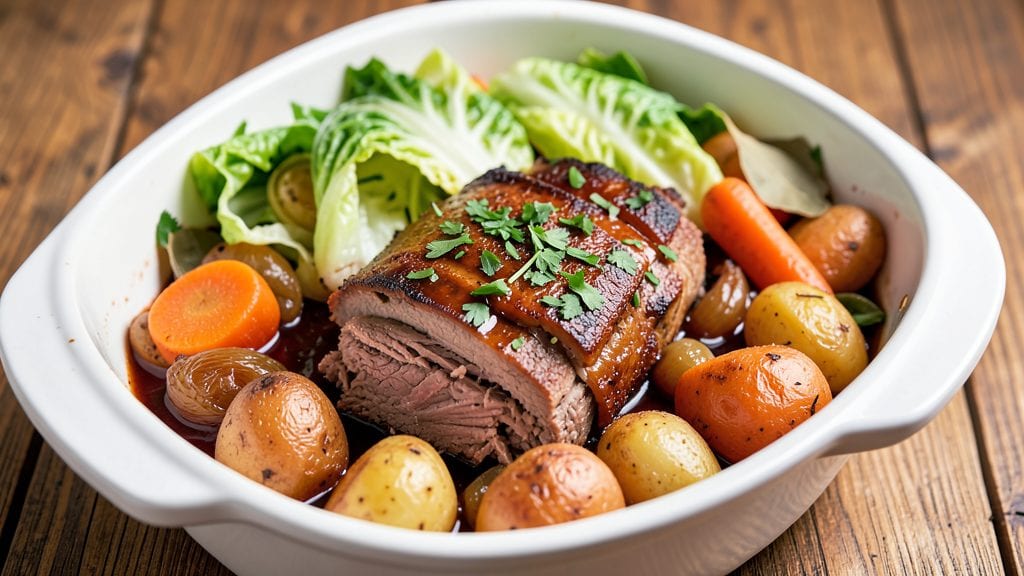
Betty Crocker’s corned beef and cabbage recipe delivers the classic St. Patrick’s Day comfort you’ve been craving—rich, savory beef with tender cabbage and potatoes, all slow-simmered to perfection.
This isn’t just a holiday dish; it’s a foolproof method that transforms tough cuts into melt-in-your-mouth tenderness while keeping the flavors bold and traditional. The secret lies in the slow cooking, which infuses the meat with deep, herby notes and ensures the cabbage stays crisp yet tender.
What sets this recipe apart is the balance of simplicity and depth—no complicated techniques, just precise timing and a few key ingredients that elevate the dish. You’ll start with a brined corned beef brisket, simmered with aromatic bay leaves, peppercorns, and a touch of mustard for complexity.
The cabbage and potatoes absorb the rich broth, turning into a hearty side that pairs perfectly with the beef. It’s the kind of meal that tastes like a hug on a cold day.
By the time you’re done, you’ll have a restaurant-quality pot of corned beef and cabbage, ready to serve with buttered rolls or a simple green salad. The aroma alone will draw everyone to the table, and the first bite will confirm why this dish has been a staple for generations.
Whether you’re hosting a celebration or just craving comfort food, this recipe delivers every time.
For those short on time, a pressure cooker speeds up the process without sacrificing flavor—just follow the same steps, and you’ll have dinner ready in under an hour. The slow-cooked version, however, is worth the wait for that unmatched depth of flavor. Let’s get cooking!
Ingredients for betty crocker corned beef and cabbage
Six ingredients transform into restaurant-quality corned beef and cabbage—slow-simmered to perfection.
| Ingredient | Amount | Notes |
|---|---|---|
| Corned Beef Brisket 🥩 | 3 lb | Pre-brined, 3-4 lbs preferred |
| Green Cabbage 🥬 | 2 lb | Heads cut into wedges |
| Russet Potatoes 🥔 | 4 medium | Peeled, cut into chunks |
| Yellow Onion 🧅 | 1 whole | Quartered, skin on |
| Carrots 🥕 | 4 medium | Whole, unpeeled |
| Bay Leaves 🌿 | 2 whole | Dried, standard size |
| Black Peppercorns 🌶️ | 10 whole | Crushed lightly |
| Dijon Mustard 🍯 | 1 tbsp | For depth of flavor |
| Salt 🧂 | 1 ½ tsp | Kosher or sea salt |
| Water 💧 | 8 cups | Enough to cover meat |
| Butter 🧈 | 2 tbsp | Unsalted, for serving |
| Fresh Parsley 🌿 | ¼ cup | Chopped, for garnish |
The corned beef brisket is the star, so don’t skimp on quality. 3-4 pounds gives you the perfect amount for six servings, and most grocery stores carry pre-brined briskets—just check the label for 3-4 days of curing time. If you’re feeling ambitious, brining your own at home with pickling spices and salt makes all the difference. For the cabbage, green or purple varieties both work, but green holds up better during cooking. Look for heads that are heavy for their size and have crisp outer leaves—those are your telltale signs of freshness. The potatoes should be firm and starchy, like Russets or Yukon Golds, and cutting them into even chunks ensures they cook at the same rate.
No fresh bay leaves? Dried work perfectly fine—just use the same amount. Short on mustard? Dijon or whole-grain mustard both add that tangy kick. The carrots can be baby carrots if that’s what you’ve got, but whole carrots add a nice rustic touch. For extra depth, add a pinch of ground allspice or a star anise pod to the water while the beef simmers. If you’re using a pressure cooker, reduce the water by half and cook for 45 minutes on high pressure instead of simmering for hours. The potatoes and cabbage can go in during the last 30 minutes of cooking to keep them from turning mushy.
Leftovers taste even better the next day—trust me on this. Store in an airtight container in the fridge for up to 5 days, or freeze portions for 3 months. I like to portion it out into individual containers so I can grab a quick lunch. The broth freezes beautifully too, perfect for making corned beef hash later in the week. For serving, a dollop of melted butter and a sprinkle of fresh parsley make all the difference—worth the extra minute.
Why You'll Love This Recipe
- One-Pot Magic: The corned beef brisket simmers right alongside the potatoes and cabbage—no extra pans, no fuss. I swear, by the time those potatoes fork apart in the broth, I’ve already got the table set and the kids asking when dinner’s ready.
- Salty-Sweet Perfection: That brisket? Pre-seasoned with just the right balance of garlic, peppercorns, and bay leaves—no guessing, no extra spices needed. The cabbage softens into tender layers while the carrots caramelize at the edges, and honestly? It’s the kind of flavor that makes you reach for seconds without even thinking.
- Leftovers That Shine: Between us, this recipe begs for leftovers. Shred the brisket for tacos the next night, dice the potatoes into hash browns, or toss the cabbage into a quick stir-fry. I’ve turned a Sunday dinner into three meals without breaking a sweat.
- Budget-Friendly Feast: A whole brisket feeds six for under $20, and the veggies stretch that into a full meal. No fancy ingredients, no waste—just pure, hearty comfort food that makes you feel like you’re celebrating, even on a Tuesday. (Yes, even on a Tuesday night.)
Step-by-step instructions for Betty Crocker corned beef and cabbage
Here's the foolproof method to create tender corned beef with perfectly cooked vegetables.
Prepare the Corned Beef and Vegetables
Place the 3 lb corned beef brisket in a large stockpot and cover it completely with the 8 cups water. Bring to a boil over high heat, then immediately reduce to a low simmer. Let it cook uncovered for 3 hours, skimming off any foam that rises to the surface. This initial simmer helps tenderize the meat and removes impurities.
While the beef simmers, peel the 4 medium russet potatoes and cut them into 1-inch chunks. Quarter the 1 whole yellow onion, leaving the skin on for extra flavor. Cut the 2 lb green cabbage into wedges, keeping the core intact. Leave the 4 medium carrots whole and unpeeled. These vegetables will cook perfectly in the same pot as the beef, creating a flavorful broth.
Add Vegetables and Seasonings
After the initial 3 hours of cooking, gently add the prepared potatoes, onion, carrots, and cabbage wedges to the pot. Stir lightly to submerge them in the broth. Add the 2 whole bay leaves and the 10 lightly crushed black peppercorns to the pot. The bay leaves will infuse the broth with aromatic depth, while the peppercorns add a subtle, warm kick.
Increase the heat to medium and bring the mixture to a gentle boil. Once boiling, reduce the heat to low again and let it simmer uncovered for another 2 to 2.5 hours. You'll know it's ready when the beef is fork-tender and the vegetables are soft but still hold their shape. The corned beef should easily pull apart with a fork, and the carrots should be tender when pierced with a knife.
Finish with Dijon Mustard and Rest
Remove the pot from the heat and stir in the 1 tbsp Dijon mustard. This adds a tangy depth that complements the rich, savory flavors of the corned beef and cabbage. Let the dish rest for 15 minutes off the heat, allowing the flavors to meld together. This resting time also helps the vegetables absorb more of the flavorful broth.
Before serving, skim off any excess fat from the surface of the broth. The corned beef and vegetables should be bathed in a rich, aromatic liquid that's packed with flavor. The cabbage should be tender but still hold its shape, the potatoes should be soft and fluffy, and the carrots should be tender with a slight bite.
Serve with Butter and Parsley
Transfer the corned beef to a cutting board and let it rest for 5 minutes before slicing it against the grain. Serve the sliced beef alongside the vegetables, ladling the flavorful broth over the top. Place 2 tbsp unsalted butter on the side for each serving, allowing everyone to add it to their plate as desired.
Garnish each serving with the 0.25 cup chopped fresh parsley just before serving. The parsley adds a bright, fresh contrast to the rich, savory flavors of the dish. The butter enhances the tenderness of the corned beef and adds a luxurious touch. This classic combination is perfect for a hearty meal that's sure to impress.
Pro Tips For Making Betty Crocker Corned Beef And Cabbage
- Parboil Potatoes First: The Betty Crocker recipe calls for raw potatoes in the pot, but trust me—this is where things go wrong. Parboil them for 5-7 minutes until just tender, then drain. This keeps them from turning to mush later, and they’ll absorb all that rich corned beef flavor instead of turning into glue.
- Don’t Crowd the Pot: I used to pack everything in there like a sardine can, thinking more = better. Wrong. Leave at least an inch of space between veggies so the cabbage and carrots can steam properly. Crowding turns your dish into a sad, waterlogged mess—no one wants that.
- Slice Cabbage Evenly: Uneven cabbage slices mean uneven cooking. Quarter the head, then slice each quarter into ½-inch-wide strips—consistent size guarantees everything cooks at the same rate. No one likes a pot where some cabbage is still crunchy while the rest is falling apart.
- Add Carrots Last: The recipe might say to toss everything in at once, but carrots take longer to soften. Drop them in during the final 20 minutes of cooking so they don’t turn to mush while the beef and potatoes are already done. This small tweak keeps them tender but still hold their shape.
Regional styles of this recipe
Irish-American Tradition
This recipe traces its roots to Irish-American immigrants who brought corned beef and cabbage to the US in the 19th century. While traditional Irish cuisine used salted beef, American adaptations incorporated spices like mustard and bay leaves to create the rich, aromatic dish we know today.
The slow-cooking method mimics Irish pot-roasting techniques but with a New World twist. I love how this dish became a St. Patrick's Day staple—it's comfort food with deep cultural significance. 🍀
Boston-Style Twist
In Boston, corned beef and cabbage often includes a touch of ginger and cloves in the spice blend, giving it a slightly warmer, more complex flavor profile. The beef is typically brined longer (sometimes up to 5 days) for extra tenderness.
For a Boston-inspired version, add 1 tsp ground ginger and 2 whole cloves to the pot during the initial simmer. This regional variation keeps the same hearty foundation but adds a subtle warmth that pairs beautifully with the cabbage.
Southern Comfort Version
The Southern US takes this dish in a different direction by adding smoked paprika and a splash of apple cider vinegar to the cooking liquid. This creates a slightly tangy, smoky depth that contrasts with the richness of the beef.
I recommend using 1 tsp smoked paprika and 1 tbsp apple cider vinegar during the final 30 minutes of cooking. The result is a dish that feels both familiar and uniquely Southern—perfect for a cozy family dinner. 🔥
New York Deli Style
New York delis often serve corned beef with caramelized onions and a side of horseradish cream. For a deli-inspired version, caramelize 2 large onions in a separate pan with 2 tbsp butter and 1 tbsp brown sugar until golden.
Fold them into the dish during the final 15 minutes of cooking. Serve with a side of horseradish cream (mix ¼ cup sour cream with 1 tbsp prepared horseradish and a pinch of salt). This adds a sweet, crunchy contrast that feels like a true NYC deli experience.
Modern Shortcut Adaptation
For a quicker version, use a pressure cooker or Instant Pot. Place the corned beef in the pot with 4 cups water, add all vegetables, and cook on high pressure for 45 minutes.
Release the pressure naturally, then add the Dijon mustard and let it rest for 10 minutes. This cuts the cooking time in half while keeping the flavors rich and tender. It’s perfect for busy weeknights but still delivers that classic comfort-food feeling. ⏰
Nutrition facts
Frequently asked questions
Can I use a smaller cut of corned beef for this recipe?
A 3 lb brisket is ideal, but you can use 2-2.5 lbs if that's what you have. Just reduce the cooking time by 30-45 minutes total (about 15 minutes less per hour). The vegetables will cook faster too, so add them after 2 hours instead of 3 hours. The dish will still be delicious, just slightly smaller.
Why does my cabbage turn mushy when slow-cooked?
Cabbage gets mushy from overcooking or too much liquid. To fix this, add the cabbage wedges only during the final 30-45 minutes of cooking, and use just enough water to cover the beef (about 6 cups instead of 8 cups). Also, keep the heat at a gentle simmer—not a rolling boil—to preserve texture. For extra crispness, serve with a side of raw coleslaw.
What’s the best way to reheat corned beef and cabbage?
Reheat gently in a pot with a splash of water or broth over low heat for 10-15 minutes, stirring occasionally. Avoid microwaving—it makes the cabbage soggy. For leftovers, the flavors actually deepen overnight! Store in an airtight container for up to 5 days. To revive dryness, add a few spoonfuls of broth or water while reheating.
Can I make this dish in a Dutch oven?
A Dutch oven is perfect for this recipe—it distributes heat evenly and traps moisture. Use a 6-quart pot and follow the same steps, but reduce the water to 6 cups (the lid will create steam for cooking). The beef will stay juicier, and the cabbage will hold its shape better. Just remember to skim foam during the first 3 hours of cooking.
How can I make this dish gluten-free?
Check your corned beef brisket first—some brands use gluten-containing brining solutions. If needed, substitute with a gluten-free brined beef (available at specialty stores). For the recipe itself, all other ingredients are naturally gluten-free. The Dijon mustard should also be gluten-free (check the label). Serve with gluten-free rolls or a simple salad to keep it safe.