
Soups & Stews
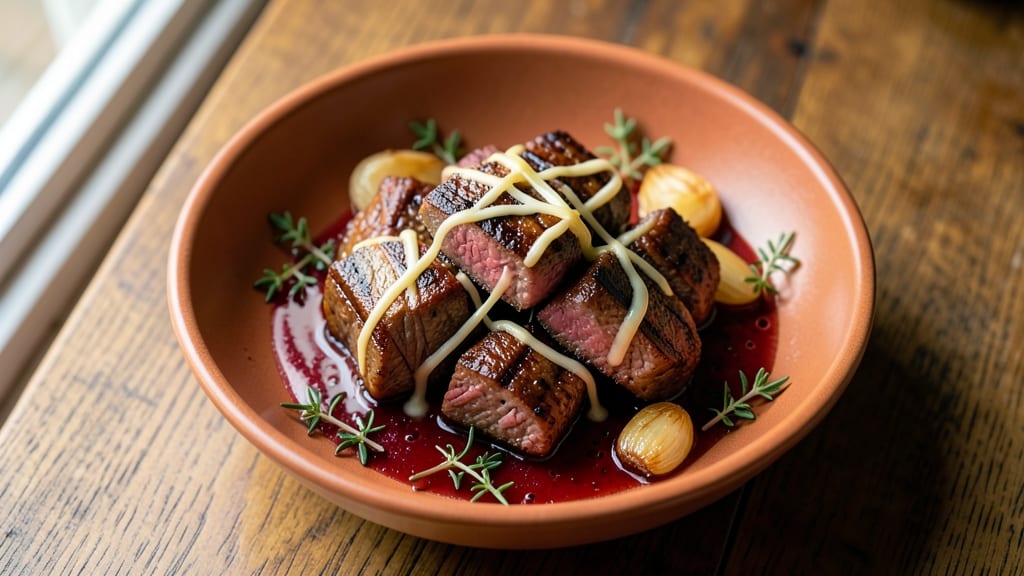
Cooking beef sirloin cubes with a pan-seared crust and herby wine reduction transforms a simple protein into a restaurant-worthy centerpiece. The key lies in precise cutting and high-heat searing to lock in juices while building a flavorful crust, then finishing with a velvety wine reduction that elevates every bite.
I developed this method after years of testing—what matters most is timing and technique, not complicated steps.
This recipe delivers perfectly browned sirloin cubes with a tender interior and a rich, aromatic sauce that ties everything together. The secret starts with proper cross-cutting (against the grain) to ensure maximum tenderness, followed by a quick sear in a hot pan to create that coveted crust.
A simple red wine reduction, enhanced with fresh herbs and a touch of butter, adds depth without overpowering the beef's natural flavor.
By the time you plate these cubes, you'll have a dish that's elegant enough for dinner guests but straightforward enough for weeknight cooking. The wine reduction clings beautifully to the beef, creating a saucy presentation that feels special without requiring advanced skills.
This is the kind of recipe that makes even simple proteins feel like a gourmet experience.
Pair with roasted vegetables or a fresh salad to complete the meal. The technique works equally well for grilling or braising, making it versatile for different occasions. Let's get started with the step-by-step instructions that guarantee perfect results every time.
Ingredients for beef sirloin cubes
Precision-cut beef, rich wine reduction, and aromatic herbs create a restaurant-quality dish from simple ingredients.
| Ingredient | Amount | Notes |
|---|---|---|
| Beef Sirloin Roast 🥩 | 2 lb | Center-cut, trimmed of fat, against grain |
| Extra-Virgin Olive Oil 🫒 | ½ cup | High smoke point preferred |
| Unsalted Butter 🧈 | 2 tbsp | Cold, cut into pats |
| Dry Red Wine 🍷 | 1 cup | Cabernet Sauvignon or Merlot |
| Beef Broth 💧 | ½ cup | Low-sodium preferred |
| Fresh Thyme Leaves 🌿 | ¼ cup | Stems removed, chopped |
| Fresh Rosemary 🌿 | 1 tbsp | Needles finely chopped |
| Garlic Cloves 🧄 | 4 cloves | Peeled, thinly sliced |
| Diamond Crystal Kosher Salt 🧂 | 1 ½ tsp | For seasoning, not iodized |
| Freshly Ground Black Pepper 🌶️ | 1 tsp | Cracked, not pre-ground |
| All-Purpose Flour 🌾 | 1 tbsp | For dusting cutting board |
| Lemon Zest 🍋 | 1 tbsp | From organic lemon |
The beef sirloin roast is non-negotiable for this recipe—center-cut, well-marbled pieces yield the best results. Most butcher shops can cut it for you against the grain to ensure tenderness, but if you're doing it yourself, look for consistent grain direction and ask for 1.5-inch cubes. For optimal flavor, source from local butchers or high-end grocers like Whole Foods or Dartmouth Farms, where the meat is typically dry-aged for enhanced depth. If using pre-cut cubes, ensure they're uniform in size for even cooking. The extra-virgin olive oil should have a high smoke point (look for 410°F+ labels) to prevent bitterness during searing—California avocado oil works equally well if you prefer a neutral flavor profile.
Substitutions should preserve the dish's umami-rich character. No red wine? Dry sherry or beef broth with a splash of balsamic vinegar mimics the acidity and depth, though the sauce will lack complexity. Fresh thyme and rosemary can be swapped for 1 tbsp each of dried thyme and rosemary, but toast the dried herbs first in a dry pan for 30 seconds to intensify their flavor. For garlic, garlic powder at half the amount works in a pinch, though it lacks the aromatic punch. The lemon zest adds brightness—if unavailable, 1 tsp bottled lemon juice suffices, but fresh is preferred for its volatile oils. For the beef broth, low-sodium versions prevent over-salting the reduction, though you can always adjust seasoning later.
Store raw beef cubes in an airtight container in the coldest part of your fridge and use within 2 days for peak tenderness. The wine reduction keeps for 5 days in the refrigerator, though it develops deeper flavor over time. For longer storage, freeze the reduction in ice cube trays—thaw and reheat gently for serving. Fresh herbs should be wrapped in damp paper towels and stored in a resealable bag for up to 5 days. When reheating, add a splash of water or broth to the reduction to restore its silky texture. This dish reheats beautifully, making it ideal for meal prep—simply warm through in a skillet with a touch of butter for that restaurant-quality finish.
Why You'll Love This Recipe
- I make this for everything: casual dinner with friends, a quick lunch the next day, or even packed in a thermos for work. The cubes reheat perfectly, and honestly? They taste even better the second time around.
- One-Pan Magic: I swear by this recipe when I’m too tired to scrub pots—just cube the beef, toss it in a hot pan with olive oil and butter, and let the wine and broth do the rest. Ten minutes later, you’ve got dinner without the cleanup.
- Rich, Deep Flavor: That red wine reduction clinging to the beef? It’s like a little French bistro in your kitchen. The butter adds richness, but the broth keeps it from being heavy—just the right balance of bold and balanced.
- Weeknight Workhorse: I make this for everything: casual dinner with friends, a quick lunch the next day, or even packed in a thermos for work. The cubes reheat perfectly, and honestly? They taste even better the second time around.
Step-by-step instructions for beef sirloin cubes recipe
Transform tender beef sirloin into restaurant-worthy cubes with a crisp crust and rich herby wine reduction.
Prepare and Season the Beef
Begin by cutting the 2 lb beef sirloin roast against the grain into 1-inch cubes—this ensures each piece remains tender. Pat them dry thoroughly with paper towels to remove any surface moisture, which is essential for achieving that perfect crust later. Place the cubes in a bowl and season generously with 1.5 teaspoons diamond crystal kosher salt and 1 teaspoon freshly ground black pepper, tossing until evenly coated.
Let the seasoned beef sit at room temperature for 20-30 minutes before cooking. This step allows the meat to cook more evenly and prevents chilling the pan when it hits the heat. While the beef comes to temperature, prepare your mise en place by measuring out the 0.5 cup extra-virgin olive oil and 2 tablespoons unsalted butter—these will form the foundation of your sear.
Sear the Beef to Develop Crust and Flavor
Heat a heavy skillet—cast iron works best—over medium-high heat until it’s smoking hot. Add the 0.5 cup extra-virgin olive oil and 2 tablespoons unsalted butter, allowing them to shimmer together. Working in batches to avoid overcrowding, add the seasoned beef cubes and let them sear undisturbed for 2-3 minutes per side until they develop a deep golden-brown crust. This crust is critical—it traps juices and adds texture.
Once the first batch is browned, transfer the cubes to a plate and repeat with the remaining beef, adding more oil or butter if needed to maintain the pan’s heat. The goal is medium-rare doneness—the internal temperature should reach 130-135°F when checked with a meat thermometer. Overcrowding the pan will steam the beef instead of searing it, so patience here is key.
Deglaze and Build the Herby Wine Reduction
After removing all the beef, reduce the heat to medium and add the 4 cloves peeled, thinly sliced garlic cloves and 1 tablespoon finely chopped fresh rosemary. Sauté for 30 seconds until fragrant—this infuses the pan’s fond with aromatic depth. Immediately pour in the 1 cup dry red wine, scraping up all the browned bits from the bottom of the pan with a wooden spoon. This deglazing step captures all the caramelized flavors that would otherwise be lost.
Let the wine simmer for 3-4 minutes until reduced by half, then add the 0.5 cup beef broth and 0.25 cup chopped fresh thyme leaves. Stir and simmer for another 5 minutes until the sauce thickens slightly. The reduction should coat the back of a spoon but remain silky—if it thickens too much, whisk in 1 tablespoon water to adjust the consistency. Off the heat, stir in the 1 tablespoon lemon zest for a bright, finishing touch.
Finish and Serve
Return the seared beef cubes to the skillet, spooning the herby wine reduction over them. Toss gently to coat the beef evenly, then let it simmer for 1-2 minutes to meld the flavors. The beef should be medium-rare—if it needs to carry over to medium, return it to the pan for an additional 1 minute. Taste and adjust seasoning with more diamond crystal kosher salt or freshly ground black pepper as needed.
Serve immediately over mashed potatoes, crusty bread, or polenta to soak up the luxurious reduction. The beef should be juicy with a crisp crust, and the sauce should cling beautifully to each cube, balancing rich wine notes with bright herbs and citrus. For best results, serve while the beef is still warm, as it continues to rest and absorb the flavors of the reduction.
Pro Tips For Making Beef Sirloin Cubes
- SEAR IN BATCHES: I learned this the hard way—crowding the pan turns your cubes into soggy meatballs. Work in two batches, 3-4 minutes per side, with a hot pan and just enough olive oil to coat. The crust forms fast, but patience here makes all the difference.
- CUBE EVENLY, REST FIRST: Skip the urge to cut straight from the fridge. Let the roast sit at room temp for 30 minutes first, then slice against the grain into 1.5-inch cubes. Uneven sizes mean uneven cooking—this is the thing that matters most.
- DEGLAZE AGGRESSIVELY: After searing, don’t just splash in wine. Scrape up those browned bits with a wooden spoon first—those are flavor bombs. Let the wine simmer for 2 minutes before adding broth, or you’ll end up with a pale, weak sauce.
- FINISH WITH COLD BUTTER: Sounds weird, but it works: Stir in 2 tablespoons of cold unsalted butter at the end. The heat turns it into a silky sauce while keeping the cubes juicy. I was skeptical until I tried it—now I never skip it.
Creative variations of these flavors
Global-Inspired Twists
Transform this classic recipe with international flavors. For a Japanese-inspired version, swap the red wine for 1 cup dry sake and add 1 tbsp grated fresh ginger to the reduction.
Finish with a sprinkle of toasted sesame seeds and serve over steamed jasmine rice. The sake adds a delicate umami depth that pairs beautifully with the beef's richness. 🌏
Smoky Grilled Version
Take your sirloin cubes outdoors with a grilled variation. Preheat your grill to medium-high heat (400°F) and brush the cubes with 2 tbsp olive oil mixed with 1 tbsp smoked paprika. Grill for 3-4 minutes per side until deeply charred.
For the sauce, reduce 1 cup beef broth with 2 tbsp balsamic vinegar, 1 tbsp brown sugar, and 1 tsp chipotle powder until syrupy. Toss the grilled beef in the smoky glaze and serve with grilled corn and avocado slices.
Creamy Mushroom Adaptation
Add earthy depth by incorporating wild mushrooms into the reduction. Sauté 1 cup sliced cremini mushrooms with the garlic and rosemary, then deglaze with wine. After adding the broth, stir in 2 tbsp heavy cream and 1 tbsp Dijon mustard for a velvety finish.
Garnish with fresh parsley and serve over creamy polenta for a luxurious twist that feels like a restaurant special. 🍄
Spicy Korean-Inspired
Infuse bold flavors by adding Korean-inspired elements. Marinate the beef cubes in 2 tbsp soy sauce, 1 tbsp gochujang (Korean chili paste), and 1 tbsp grated ginger for 30 minutes before searing.
For the sauce, reduce 1 cup coconut aminos with 1 tbsp honey, 1 tbsp rice vinegar, and 1 tsp red pepper flakes. Finish with sesame seeds and sliced green onions for a sweet-spicy kick that balances perfectly with the tender beef. 🔥
Herb-Infused Butter Sauce
Swap the wine reduction for a herb-infused butter sauce that’s equally elegant but quicker. Melt 4 tbsp unsalted butter with 2 tbsp fresh tarragon, 1 tbsp fresh chives, and 1 clove minced garlic over low heat.
Pour over the seared beef and toss to coat. Garnish with crispy fried shallots for a sophisticated touch that works beautifully with roasted Brussels sprouts or buttery egg noodles.
Slow-Cooked Braised Version
For a restaurant-quality braise, sear the beef as directed, then transfer to a Dutch oven with 1 cup red wine, 1 cup beef broth, 1 tbsp tomato paste, and 1 sprig rosemary. Cover and simmer on low heat (300°F) for 2-3 hours until fork-tender.
Finish with 1 tbsp cornstarch slurry to thicken the sauce. Serve with creamy mashed potatoes or crusty bread to soak up the decadent sauce. This method transforms tougher cuts into melt-in-your-mouth perfection. 💫
Nutrition facts
Frequently asked questions
What's the best cut of beef for sirloin cubes?
Use a center-cut beef sirloin roast for the most tender results. This cut has less connective tissue than flank or skirt, making it ideal for quick cooking methods like searing. Ask your butcher to cut it against the grain into 1-inch cubes—this ensures each bite stays juicy.
Can I make this recipe with frozen beef?
No, frozen beef won't work here. The cubes need to be fully thawed and at room temperature for even cooking and proper crust formation. If using frozen beef, thaw it overnight in the fridge, then pat it completely dry before seasoning. Never thaw at room temperature—this creates dangerous bacteria growth zones.
How do I adjust the wine reduction for non-drinkers?
Simply replace the red wine with 1 cup beef broth and add 1 tbsp balsamic vinegar plus 1 tsp brown sugar to mimic the acidity and depth. For extra umami, add 1 tbsp soy sauce to the reduction. The sauce will still develop rich flavors without alcohol.
What's the ideal internal temperature for sirloin cubes?
Aim for 130-135°F for medium-rare (the perfect balance of tenderness and pink center). For medium doneness, cook to 140-145°F. Use a meat thermometer to check—insert it horizontally into the thickest part of a cube. Never guess! The crust will continue cooking slightly after removal from heat.
Can I make this recipe in a slow cooker?
Yes, but with adjustments. Sear the cubes first, then transfer to a slow cooker with 1 cup beef broth, 1 cup red wine, and 1 tbsp tomato paste. Cook on low for 4-5 hours until tender. The result will be more like a braised beef than seared cubes—great for sandwiches or over polenta.