
Main Courses
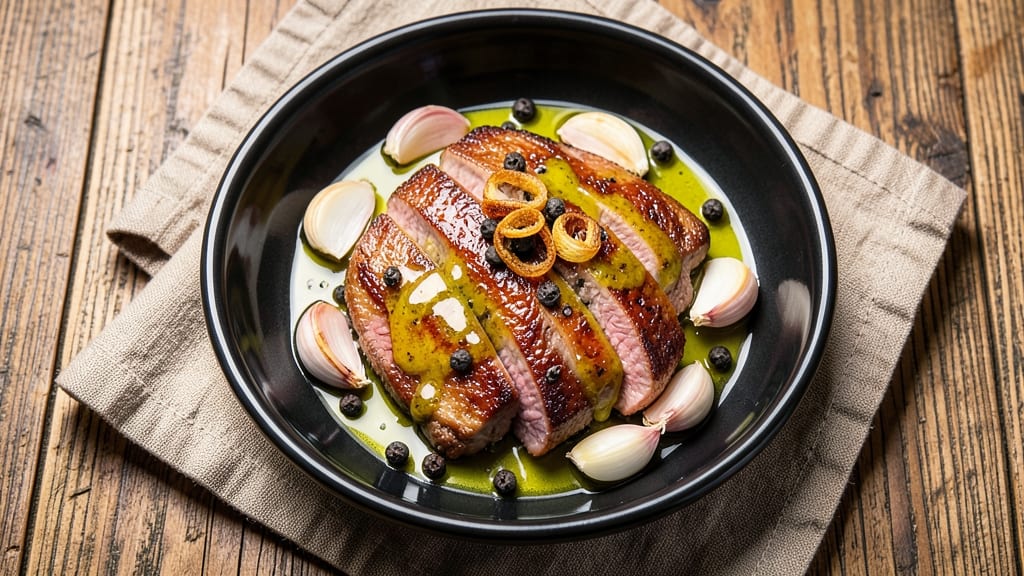
This Pinoy beef liver recipe delivers the perfect balance of crispy edges and tender centers, elevated by the bright tang of calamansi—a citrus staple in Filipino kitchens. The secret lies in proper pan-searing and a marinade that tenderizes while building depth, transforming what many find intimidating into a restaurant-worthy dish.
I developed this method after years of refining traditional techniques, ensuring every bite delivers that satisfying contrast of textures and flavors.
What makes this recipe stand out is its authentic Filipino twist, where the natural richness of beef liver is brightened by calamansi juice and balanced with garlic, black pepper, and soy sauce.
The liver cooks quickly—just 5 minutes per side—to maintain its signature crispy exterior while keeping the inside juicy and tender. This dish is a staple in Filipino cuisine, often served with steamed rice and atchara (pickled papaya) to cut through its richness.
By the time you finish cooking, you’ll have perfectly seared beef liver with a golden crust and a tangy, aromatic marinade that clings to every bite.
The calamansi adds a refreshing zing that makes this dish feel vibrant and full of life, while the garlic and black pepper provide warmth and depth. It’s the kind of meal that transforms a simple dinner into a celebration of Filipino flavors.
Pair this with garlic fried rice or a crisp green salad to complete the meal. The leftovers keep well for 2 days, making this an excellent recipe for meal prep or entertaining.
Let’s get cooking—this dish is simpler than it looks and packed with flavor you’ll crave again and again.
Ingredients for beef liver pinoy
Twelve ingredients transform beef liver into a crispy, tangy Filipino masterpiece.
| Ingredient | Amount | Notes |
|---|---|---|
| Beef Liver 🥩 | 1 ½ lb | Fresh, trimmed of connective tissue |
| Calamansi Juice 🍋 | ½ cup | Freshly squeezed, or substitute lime |
| Garlic Cloves 🧄 | 6 cloves | Minced, for marinade and searing |
| Black Peppercorns 🌶️ | 1 tbsp | Freshly ground, coarse grind |
| Soy Sauce 🍶 | 2 tbsp | Light or regular, not reduced |
| Olive Oil 🫒 | ½ cup | Extra-virgin, for searing |
| Salt 🧂 | 1 tsp | Kosher or sea salt |
| Brown Sugar 🍬 | 1 tbsp | Lightly packed, for balance |
| White Vinegar 🍶 | 1 tbsp | For brightness, optional |
| Green Onions 🧅 | 3 whole | Sliced, for garnish |
| Butter 🧈 | 2 tbsp | Unsalted, for basting |
| Steamed White Rice 🍚 | 2 cups | Cooked, for serving |
The liver is the star, so freshness is non-negotiable. Look for vibrant, reddish-purple pieces at Asian markets or well-stocked butcher shops—they often carry it pre-trimmed. If buying whole, ask for the liver to be trimmed of any connective tissue or gallbladder remnants. Costco or Whole Foods typically stock it, but call ahead to confirm availability. The calamansi juice is the Filipino secret—if unavailable, lime juice works in a pinch, though it lacks the same depth. For the garlic, freshly minced is ideal, but pre-minced from a jar is fine if you’re short on time. The soy sauce should be light, not dark or reduced, to avoid overpowering the dish’s delicate balance.
No calamansi? Lime or lemon juice will work, but reduce the amount to 3 tbsp to avoid over-acidifying. Swapping the olive oil for avocado oil gives a slightly higher smoke point, though extra-virgin olive oil is preferred for its flavor. The brown sugar adds a subtle caramel note—white sugar in a pinch, but it won’t caramelize as beautifully. For the green onions, scallions or chives are acceptable, though they’ll alter the dish’s signature freshness. If you’re serving this to guests who dislike liver, marinate the liver longer (up to 30 minutes) to enhance tenderness. The butter used for basting should be unsalted to control the seasoning precisely.
Leftover liver reheats best in a skillet over medium heat for about 2 minutes per side—just enough to warm through without re-crisping. Store in an airtight container for up to 2 days in the fridge, though it’s best enjoyed fresh. The marinade components (soy sauce, garlic, calamansi) can be prepped ahead and stored separately for 3 days in the fridge. For meal prep, cook the liver fully, then reheat portions as needed. Pair with steamed jasmine rice or garlic fried rice to complete the Filipino experience.
Why You'll Love This Recipe
- Five-Ingredient Magic: I swear by this—just liver, garlic, a squeeze of calamansi, peppercorns, and soy sauce. That’s it. No fancy prep, no hidden pantry raids, and the result? A dish that tastes like it simmered all day.
- Tangy Kick: The calamansi juice cuts through the richness of the liver like a bright, citrusy hug. I’ll be real: I didn’t think I’d like it at first, but now I crave that sharp contrast with every bite—especially when the garlic’s caramelized just right.
- Lunchbox Hero: Between us, this is my secret weapon for packed lunches. Cook a big batch on Sunday, and you’ve got protein-packed meals all week—no sad desk salads here. My coworkers still ask how I always bring food that actually tastes good.
- Pocketbook Win: Beef liver is one of those ingredients that delivers serious flavor without emptying your wallet. A single pound feeds four, and the soy sauce stretches the budget further. Honestly, it’s the kind of recipe that makes me feel like a smart shopper and a good cook.
Step-by-step instructions for crispy pan-seared beef liver
Here’s how to achieve perfectly crispy edges and tender centers with this classic Filipino dish.
Prepare the Marinade and Sear the Beef Liver
In a medium bowl, combine the 0.5 cup calamansi juice, 2 tbsp soy sauce, 1 tbsp brown sugar, 1 tbsp white vinegar, 1 tsp salt, and 1 tbsp freshly ground black peppercorns. Stir until the brown sugar dissolves completely. This marinade balances the richness of the liver with bright acidity and a touch of sweetness.
Cut the 1.5 lb beef liver into ½-inch thick slices (about 4 pieces) and place them in a shallow dish. Pour the marinade over the liver, ensuring each piece is fully coated. Let it marinate for at least 15 minutes—this tenderizes the meat and infuses it with flavor. For best results, marinate for up to 30 minutes in the refrigerator.
Sear the Liver for Crispy Perfection
Heat a large skillet over medium-high heat and add 0.5 cup olive oil. Once the oil shimmers (about 2 minutes), carefully add the marinated liver slices. Cook undisturbed for 2-3 minutes per side until the edges turn deep golden brown and the surface develops a crispy crust. The liver should release easily from the pan when ready—don’t rush this step, as it’s critical for achieving that signature crispiness.
Remove the liver from the skillet and set it aside on a plate. Reduce the heat to medium and add 2 tbsp butter to the same skillet. Let the butter melt and foam, then add the 6 minced garlic cloves. Sauté for 30 seconds until fragrant—this step deepens the flavor and prevents the garlic from burning.
Finish with Tangy Calamansi and Serve
Return the seared liver to the skillet and spoon the garlic butter mixture over the top. Cook for an additional 1 minute to let the flavors meld. The liver should now be crispy on the outside and tender on the inside—test by cutting into a slice to check doneness. If it’s still slightly pink in the center, cook for another 30 seconds to ensure it’s fully cooked.
Transfer the liver to a serving platter and garnish with 3 sliced green onions. Serve immediately over 2 cups steamed white rice, allowing the crispy edges to contrast beautifully with the soft rice. The tangy calamansi marinade ties everything together, balancing the richness of the liver with a refreshing finish.
Optional Basting for Extra Crispiness
For an even crispier texture, baste the liver with the remaining marinade while searing. After flipping the first side, spoon 2-3 tablespoons of the reserved marinade over the liver. This basting step adds an extra layer of flavor and ensures a perfectly crispy exterior every time. Just be sure to work quickly—high heat is key to achieving that coveted texture.
The liver should be served immediately, as it continues to cook slightly off the heat. Pair with a simple green salad or additional steamed vegetables to round out the meal. The contrast of crispy liver, tender rice, and bright calamansi makes this a standout dish worth the effort.
Pro Tips For Making Beef Liver Pinoy
- Slice Liver Evenly: Use a sharp knife and cut against the grain—thin, uniform slices (about ½-inch thick) cook faster and soak up the calamansi-soy marinade better. I used to leave them thick, and they’d turn rubbery before the edges browned.
- Marinate Just 15 Minutes: Toss the liver in calamansi juice, soy sauce, and minced garlic for no longer than 15 minutes—any more and the acid starts breaking down the texture. My first batch sat 30 minutes, and it turned mushy.
- Sear in Batches: Crowd the pan, and you’ll steam the liver instead of sear it. Cook in single layers over medium-high heat with enough oil (about 1 tablespoon per batch) to get a crisp crust—skip the oil, and it’ll stick like glue.
- Pepper Last, Not First: Crush whole black peppercorns fresh and sprinkle them after cooking—this keeps the aroma intact and prevents the oil from burning too fast. I used ground pepper early on, and the flavor faded into the sauce.
Regional styles of beef liver pinoy
Classic Filipino Style
The most traditional approach to Pinoy beef liver is to pan-sear it with a simple marinade of soy sauce, calamansi, and garlic, then serve it with steamed rice and atchara. This method keeps the liver tender while developing a crispy crust.
I like to add black pepper and a touch of brown sugar to balance the tangy calamansi and enhance the natural richness of the meat. 🌶️
For an authentic touch, some Filipino families add a splash of vinegar to the marinade, which helps tenderize the liver while adding brightness. The dish is often finished with sliced green onions for freshness. This version is a staple in Filipino homes, especially during family gatherings or special occasions.
Visayan Twist
In the Visayas region, beef liver is often cooked with bagoong (fermented shrimp paste) for an umami depth that’s hard to replicate. I recommend using 1 tablespoon of bagoong mixed into the marinade along with the calamansi and soy sauce.
This adds a funky, savory note that pairs beautifully with the liver’s natural flavors. 🍤
Visayan cooks also sometimes include chili flakes in the marinade for a subtle heat. The dish is typically served with garlic fried rice instead of plain steamed rice, adding another layer of texture and flavor to the meal. This version is popular in Cebu and nearby provinces.
Manila Street Food
In Manila, beef liver is often prepared as a quick street food snack, where it’s sliced thin and pan-fried until crispy.
The marinade here is simpler—just soy sauce, garlic, and a pinch of sugar—and the liver is served with pickled vegetables like atchara or sinigang (sour soup) to cut through the richness. 🍴
For a true Manila-style experience, I like to add a dash of MSG to the marinade for extra umami. The liver is sliced into ¼-inch thick pieces and cooked in small batches to maintain high heat and achieve that signature crispiness. This version is perfect for a quick, flavorful meal.
Modern Filipino Fusion
For a contemporary take, I experiment with adding a splash of coconut milk to the marinade, which adds a creamy texture and balances the acidity of the calamansi.
This fusion approach is popular in urban Filipino restaurants and works beautifully with roasted root vegetables or a mango salad on the side. 🥥
Another modern twist is to serve the liver with garlic butter rice instead of plain steamed rice. The butter adds richness that complements the crispy liver, while the garlic enhances the overall flavor profile. This version is ideal for special occasions or when entertaining guests.
Regional Variations
In the Bicol region, beef liver is often cooked with chili and coconut milk, creating a slightly spicy and creamy dish. This version is served with bagoong isda (fermented fish paste) on the side for dipping.
The combination of heat and creaminess makes this a unique take on the classic recipe. 🌶️
Meanwhile, in Northern Luzon, beef liver is sometimes braised in a soy-based sauce with ginger and garlic, resulting in a softer texture that’s less crispy but equally flavorful. This method is slower but produces a dish that’s rich and aromatic, perfect for hearty meals.
Nutrition facts
Frequently asked questions
Why does Filipino beef liver need calamansi?
Calamansi brightens the dish with its sharp citrus tang, cutting through the richness of the liver. It’s a Filipino staple that tenderizes the meat while adding a refreshing contrast to the savory flavors. Without it, the dish would taste flat—like missing a key ingredient in a perfect balance.
Can I substitute calamansi with lemon or lime?
Yes, but reduce the amount to 3 tbsp instead of 0.5 cup—calamansi is more potent. Lime works best for a similar tang, while lemon adds a slightly bitter note. For authenticity, use lime juice + 1 tsp sugar to mimic calamansi’s sweet-tart profile.
How do I avoid overcooking the liver?
Cook liver over medium-high heat for 2-3 minutes per side—it’s done when edges are crispy and the center is still slightly pink (145°F internal temp). Overcooking makes it tough. Use a meat thermometer for precision, and never skip the marinade—it helps tenderize.
What’s the best way to serve leftover beef liver?
Reheat gently in a skillet over medium heat for 2 minutes per side—just enough to warm through. Store in an airtight container for 2 days max. Serve with garlic fried rice or a crisp salad to refresh the flavors. Avoid microwaving to prevent rubbery texture.
Can I make this recipe with chicken liver instead?
Chicken liver cooks faster (1-2 minutes per side) and has a milder flavor. Use 1 lb chicken liver and reduce calamansi to 0.3 cup to avoid overpowering. The crispy technique remains the same—just watch it closely.