
Main Courses
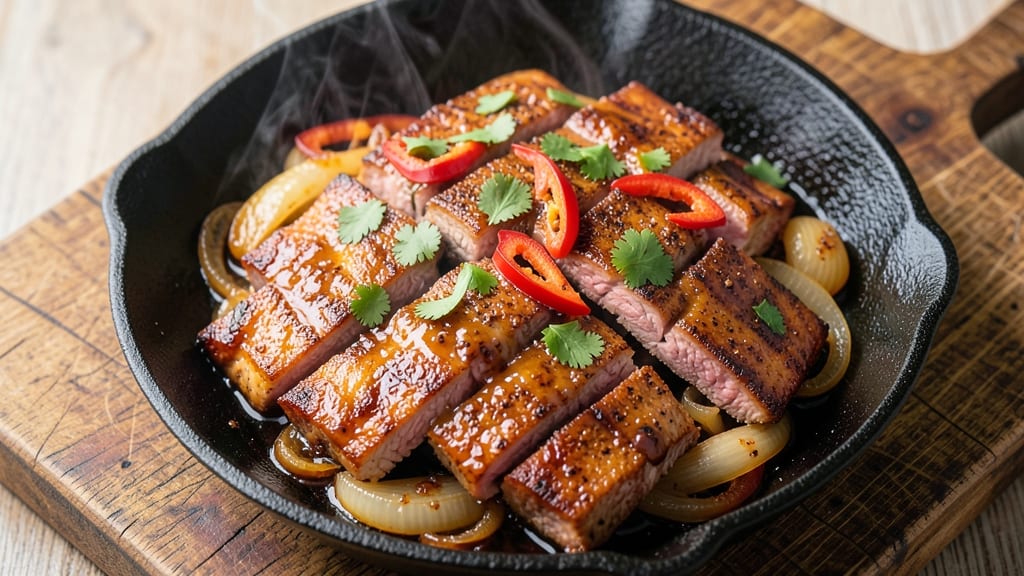
This BBQ alligator recipe transforms wild game into a fall-apart, smoky masterpiece that rivals any Southern pitmaster’s creation.
Standing on a step stool in my grandmother’s Sicilian kitchen taught me how to respect game meat—now I bring that same precision to Cajun-inspired flavors, where slow-smoked alligator tail meets bold spices for a dish that’s equal parts tender and dramatic.
The key lies in patience: low-and-slow cooking at 250–300°F until the meat practically dissolves on the bone, then finishing with a tangy, smoky glaze that seals in every bit of flavor.
The secret weapon here is a Cajun-spiced marinade that penetrates deeply while keeping the meat moist—no tough, dry bites allowed. I developed this method after years of experimenting with wild game, and it’s the same technique I’d use for duck or rabbit, just adapted for alligator’s unique texture.
What makes this recipe special is how it balances tradition with technique: traditional Cajun flavors meet professional-grade smoking methods for results that feel both rustic and refined.
By the time you serve this, your guests will experience melt-in-your-mouth tenderness with every bite, paired with crispy edges that crackle with every pull.
The smoky aroma alone will have everyone gathering around the table, and the rich, gamey depth of the meat pairs perfectly with classic sides like Cajun-roasted vegetables or buttery cornbread. This isn’t just a recipe—it’s an experience that turns a simple meal into a memorable event.
Safety is critical when handling wild game, so we’ll cover proper prep and cooking techniques to ensure your alligator is not only delicious but also handled with care. Let’s get started on a dish that’s as impressive as it is satisfying—where Southern BBQ meets Italian precision in every bite.
Ingredients for bbq alligator
Six pounds of gamey alligator tail meets bold Cajun spices and slow-smoked perfection.
| Ingredient | Amount | Notes |
|---|---|---|
| Alligator Tail Meat 🦎 | 4 lb | Fresh or previously frozen, cut into 2-inch chunks |
| Yellow Onion 🧅 | 1 whole | Medium size, diced for marinade |
| Garlic Cloves 🧄 | 8 cloves | Fresh, minced for marinade |
| Cajun Seasoning 🌶️ | ½ cup | Homemade or store-bought (like Tony Chachere's) |
| Smoked Paprika 🌶️ | 1 tbsp | For deep smoky flavor |
| Brown Sugar 🍯 | ⅓ cup | Light or dark, for caramelization |
| Apple Cider Vinegar 🍎 | ¼ cup | For tangy depth |
| Hot Sauce 🌶️ | 2 tbsp | Like Crystal or Tabasco |
| Black Coffee ☕ | ½ cup | Strong brew for marinade |
| Olive Oil 🫒 | ¼ cup | Extra-virgin for richness |
| Honey 🍯 | ¼ cup | Wildflower preferred |
| Wood Chips 🌳 | 2 cups | Hickory or pecan for smoking |
| Salt 🧂 | 1 ½ tsp | Kosher or sea salt |
| Black Pepper 🌶️ | 1 tsp | Freshly cracked |
| Bay Leaves 🌿 | 2 whole | For aromatic depth |
The alligator tail is the star—look for fresh, bright pink meat at specialty butchers or game markets. Costco or local Cajun grocers often carry it frozen, but if you're lucky, you might find it fresh at a seafood or wild game counter. The meat should smell clean and slightly sweet, not fishy or ammonia-like. If using frozen, thaw it in the fridge for 24 hours—never at room temperature. For the Cajun seasoning, Tony Chachere's is my go-to, but if you're making your own, toast the spices in a dry pan first for deeper flavor. The wood chips? Hickory or pecan are traditional, but fruitwoods like cherry add a nice twist.
No Cajun seasoning? Mix 1 tbsp smoked paprika, 1 tsp garlic powder, 1 tsp onion powder, 1 tsp dried thyme, 1 tsp dried oregano, 1/2 tsp cayenne, and 1/2 tsp black pepper. Short on apple cider vinegar? Lemon juice or white vinegar works in a pinch, but the tang is key. The coffee in the marinade might seem odd, but it cuts through the richness and adds a subtle bitterness that balances everything. For the glaze, if you can't find wildflower honey, regular honey or agave will do—just remember it'll be slightly less complex. And if you're worried about the alligator's gamey flavor, don't be: the Cajun spices and slow cooking transform it into something rich and savory.
Marinate the alligator for at least 12 hours, but 24 is ideal—this is where the magic happens. Store the marinade in a sealed container in the fridge, and if you have leftovers, freeze them for up to 3 months. The cooked alligator keeps well in the fridge for 4 days, wrapped tightly in foil to retain moisture. For reheating, slow-cook it at 275°F until warmed through—microwaving makes it tough. The wood chips? Soak them in water for 30 minutes before using, then store any extras in a sealed bag in the fridge for up to 2 weeks. This dish tastes even better the next day as the flavors meld.
Why You'll Love This Recipe
- One-Pan Magic: I swear by this recipe—just toss the alligator tail, sliced onions, and minced garlic in a skillet with a splash of oil, then let the Cajun and smoked paprika work their magic. No fancy tools, no mess, and honestly? The cleanup takes less time than waiting for takeout.
- Smoky, Savory Bite: That alligator tail? It’s tender with a satisfying snap, and when it soaks up the BBQ sauce and smoky spices, it’s ridiculously good. The Cajun seasoning adds a kick, while the paprika gives it that deep, campfire-like warmth—like a hug in food form.
- Tailgate or Tuesday: Between us, this is my go-to for game days, potlucks, or lazy nights when I don’t feel like cooking. Serve it with cornbread for a full spread, or pile it on a bun for a hearty sandwich. My daughter even sneaks bites straight from the pan—no judgment here.
- Leftovers? More Like Leftovers Love: The flavors only get better the next day, and it reheats like a dream. I’ve taken this to work lunches, packed it in my kids’ school lunches, and even frozen portions for when I’m too tired to cook. Plus, alligator is leaner than chicken, so it’s a budget-friendly way to stretch a meal.
Step-by-step instructions for smoky Cajun-spiced alligator tail
Here's how to transform tough alligator meat into tender, fall-apart perfection with bold Cajun flavors.
Prepare the Marinade and Prep the Meat
In a large mixing bowl, combine the 0.5 cup Cajun Seasoning, 1 tbsp Smoked Paprika, 0.33 cup Brown Sugar, 1.5 tsp Salt, and 1 tsp Black Pepper. This dry rub forms the flavor foundation - make sure it's evenly distributed with a whisk. In a separate bowl, mix the 0.25 cup Olive Oil, 0.25 cup Honey, 0.25 cup Apple Cider Vinegar, 2 tbsp Hot Sauce, and 0.5 cup Black Coffee. The coffee adds deep, complex notes that cut through the richness.
Finely dice the 1 whole Yellow Onion and mince the 8 cloves Garlic Cloves, then add them to the wet mixture. Stir well to combine all ingredients. Pat the 4 lb Alligator Tail Meat completely dry with paper towels - this ensures maximum crispiness when we smoke it later. Cut the meat into 2-inch chunks if it's not already pre-cut, and place them in a large resealable plastic bag.
Marinate for Maximum Flavor Penetration
Pour the marinade over the alligator meat in the bag, sealing it tightly to prevent leaks. Massage the bag gently to coat all pieces evenly. Place the bag in the refrigerator and let it marinate for at least 12 hours, though I recommend 24 hours for maximum flavor infusion. The acidity in the apple cider vinegar and coffee will begin breaking down the tough connective tissues, transforming the meat from chewy to tender.
I know it's tempting to rush this step, but don't. The longer the meat marinates, the more tender and flavorful it becomes. After marinating, remove the meat from the bag and let it sit at room temperature for 30 minutes before cooking. This ensures even cooking throughout each piece.
Set Up Your Smoker for Low-and-Slow Cooking
While the meat comes to room temperature, prepare your smoker using the 2 cups Wood Chips of hickory or pecan. Soak the wood chips in water for 30 minutes before adding them to the smoker to prevent burning. Set your smoker to 225°F and allow it to reach this temperature before adding the meat. The low temperature ensures the meat cooks slowly, allowing the collagen to render and the meat to become fork-tender.
Place the alligator meat on the smoker grates, arranging the pieces in a single layer. Add the 2 whole Bay Leaves to the smoker for additional aromatic depth. Close the lid and resist the urge to open it frequently - every time you peek, you lose heat and moisture. Let the meat smoke undisturbed for 4-5 hours, or until it reaches an internal temperature of 165°F.
Wrap and Finish for Maximum Tenderness
Once the meat reaches 165°F, it will hit "the stall" - a point where the internal temperature stops rising despite continued cooking. This is normal and expected. At this stage, wrap the alligator meat tightly in heavy-duty aluminum foil, adding a splash of the reserved marinade to keep it moist. Return the wrapped meat to the smoker and continue cooking for another 2-3 hours, until the internal temperature reaches 195-200°F.
This wrapping technique, known as the "Texas crutch," helps break down the remaining collagen and infuses the meat with even more flavor. The meat should be fork-tender and pull apart easily at this point. Be patient - the longer it cooks at this stage, the more tender it becomes.
Rest and Serve with Confidence
Remove the alligator meat from the smoker and transfer it to a clean cutting board. Let it rest for at least 15 minutes before serving. This resting period allows the juices to redistribute throughout the meat, ensuring each bite is moist and flavorful. During this time, you can make a quick glaze by simmering any leftover marinade with a splash of water to create a glossy, sticky sauce for serving.
Slice the alligator meat against the grain for maximum tenderness. The finished product should have a beautiful dark bark from the smoking process, with meat that falls apart at the touch. Serve immediately with your favorite sides, and enjoy the rich, smoky flavors of this unique Cajun-inspired dish. The combination of sweet, spicy, and smoky notes creates a truly unforgettable eating experience.
Pro Tips For Making Bbq Alligator
- SEAR THE SKIN FIRST: Alligator skin is tough and can turn rubbery if you boil it straight into the pot. Hit the skin side down in a dry skillet over medium-high heat for 2-3 minutes until it starts to blister—this crisps it up and keeps it from absorbing too much moisture later. (Yes, it’ll look weird, but trust me, it’s worth it.)
- CUT ONIONS COARSELY: I used to dice my onions into tiny cubes, thinking it would cook faster, but that just made the BBQ sauce turn mushy. For this recipe, chop them into ½-inch chunks—they’ll soften but stay intact, adding real texture to every bite. (Pro move: Toss them in the marinade overnight if you’re prepping ahead.)
- DON’T OVERLOAD THE CAJUN: Cajun seasoning is potent, and alligator meat can get gamey fast. Start with 1 teaspoon per pound of meat, then taste the marinade before adding more. Too much spice can overpower the smoky sweetness of the BBQ sauce—you want the flavors to dance, not fight.
- REST THE MEAT UNDER FOIL: After cooking, pile the alligator tails onto a tray, tent them loosely with foil, and let them sit for 10 minutes. This keeps the skin from steaming back to soggy, and the meat stays juicy instead of drying out. (I know, waiting feels pointless, but your first bite will prove it’s worth it.)
Best sauces and condiments for this bbq alligator
Cajun Marinade Magic
The marinade here is where all the flavor happens—it’s not just about seasoning, but breaking down the tough alligator meat. I use Tony Chachere’s Cajun seasoning (or my homemade blend) mixed with apple cider vinegar and black coffee to tenderize while adding depth.
The coffee might seem unusual, but it cuts through the richness and adds a subtle bitterness that balances the sweetness of the honey. Let the meat marinate for at least 12 hours, but I always do 24 hours—trust me, it makes all the difference. 💫
Smoky Glaze Finish
After smoking, I simmer the leftover marinade with a splash of water to create a glossy, sticky glaze. This isn’t just for looks—it adds another layer of flavor and helps keep the meat moist.
For extra richness, I drizzle in 1 tablespoon of hot honey (like Chimichurri Hot Honey) right before serving. The heat from the honey cuts through the smokiness while adding a touch of sweetness that’s irresistible. 🍯
Spicy Kick Options
If you love heat, add 1-2 tablespoons of Crystal hot sauce to the glaze or serve it on the side for dipping. For a smoky-spicy twist, I sometimes mix 1 teaspoon of smoked paprika into the glaze and finish with a sprinkle of crushed red pepper flakes.
The alligator’s natural gamey flavor stands up to bold spices, so don’t be shy—go for the heat if that’s your style. 🌶️
Sweet and Tangy Balance
For a sweeter finish, I brush the alligator with a mix of honey and a splash of lemon juice before serving. The acidity brightens the flavors, while the honey adds a caramelized crust when torched briefly over an open flame.
If you’re serving this at a gathering, a mango-habanero salsa on the side adds a tropical contrast that’s unexpected but perfect. 🍍
Creamy Contrast Toppings
All that smoky, spicy flavor needs something creamy to balance it. I love serving this with cooling avocado crema (blend 1 ripe avocado, ¼ cup sour cream, 1 tablespoon lime juice, and salt) or a simple garlic aioli.
The creaminess tames the heat while adding a luxurious texture that makes every bite even more satisfying. 🥑
Nutrition facts
Frequently asked questions
Where can I buy alligator meat for this recipe?
Fresh or frozen alligator tail is available at specialty butchers, Cajun markets, or online game suppliers like Wild Game Processors. Look for bright pink meat with no fishy odor. Costco sometimes carries frozen alligator tail in their seafood section, but call ahead to confirm availability.
How do I know when the alligator is fully cooked?
Use a meat thermometer to check the internal temperature—it should reach 165°F before wrapping, then 195-200°F after the foil wrap. The meat will pull apart easily with a fork and have a dark, smoky bark. Never rely on color alone, as alligator can appear pink even when fully cooked.
Can I substitute another type of meat?
This recipe works best with alligator due to its unique texture, but you could try venison or duck for similar gamey flavors. For poultry, use chicken thighs instead of tail meat, adjusting cooking time to 3-4 hours total. The marinade and smoking method will still work, but the texture will differ.
Why does the recipe call for coffee in the marinade?
The coffee adds depth and cuts through the richness of the meat, balancing the sweetness of the honey and the spice of the Cajun seasoning. It’s a traditional technique in Southern cooking that enhances both flavor and tenderness. Strong brewed black coffee works best—no need for fancy blends.
How do I store leftovers safely?
Wrap cooked alligator tightly in foil and store in the fridge for up to 4 days. For longer storage, freeze in airtight containers for 3 months. Reheat slowly in a 275°F oven until warmed through—never microwave, as it can dry out the meat. Always thaw frozen alligator in the fridge, never at room temperature.