
Desserts
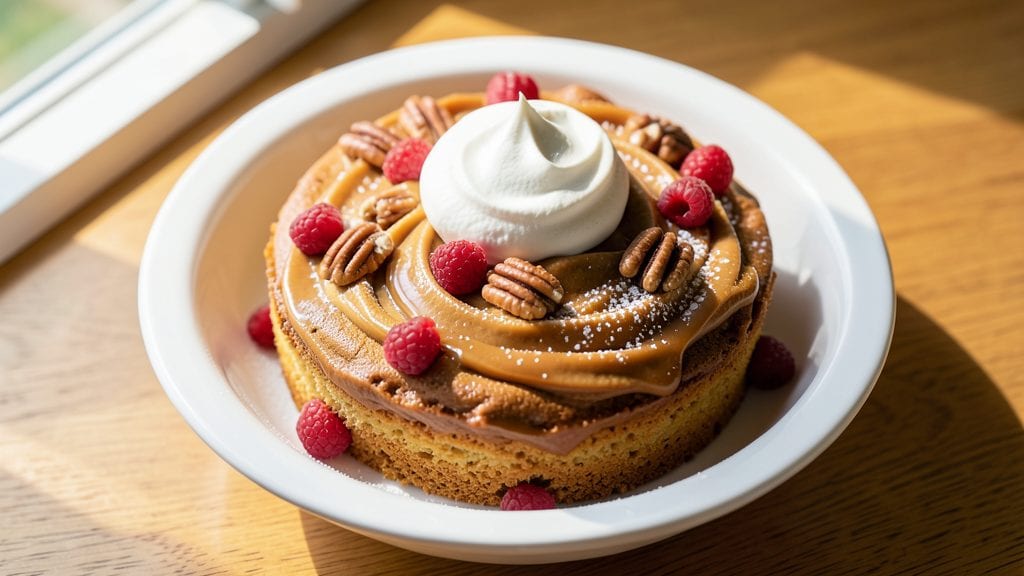
This Southern old-fashioned pound cake recipe delivers the classic buttery, moist crumb and vanilla swirls that make it a timeless dessert favorite. The secret lies in precise measurements and gentle folding of the batter to maintain that signature tender texture.
I've perfected this version over years of baking, ensuring every slice stays perfectly moist without being dense.
The foundation of an authentic pound cake is equal parts butter, sugar, and flour by weight, creating a rich yet balanced flavor. What sets this recipe apart is the vanilla-butter swirl technique, where swirls of sweetened butter are folded into the batter for marbled beauty.
Baking at a steady 325°F ensures even cooking, while a simple syrup glaze keeps the crumb tender after baking.
What you'll end up with is a cake that's richly buttery, perfectly moist, and light enough to cut cleanly—no dry crumb here. The vanilla swirls add visual appeal and subtle sweetness that complements the cake's natural flavor.
This is the kind of dessert that tastes even better the next day, making it ideal for special occasions or everyday indulgence.
For variations, consider adding lemon zest or orange extract for a citrus twist, or fold in crushed pecans for added texture. The recipe scales perfectly for larger gatherings, and the simple glaze can be adjusted to your preference. Let's get baking—this classic never disappoints.
Ingredients for southern old fashioned pound cake
Twelve classic ingredients for a Southern pound cake that's buttery, moist, and swirled with vanilla perfection.
| Ingredient | Amount | Notes |
|---|---|---|
| Unsalted Butter 🧈 | 1 lb | Cold, cut into 1-inch cubes |
| Granulated Sugar 🍚 | 1 ½ cups | Superfine preferred for smoothness |
| All-Purpose Flour 🌾 | 2 cups | Sifted, spooned lightly |
| Pure Vanilla Extract 🌿 | 1 tbsp | High-quality Madagascar bourbon |
| Baking Powder 🍞 | 1 ½ tsp | Aluminum-free preferred |
| Salt 🧂 | ½ tsp | Fine sea salt |
| Large Eggs 🥚 | 4 whole | Room temperature |
| Vanilla Bean Paste 🌸 | 1 tbsp | For swirls, optional but recommended |
| Sweetened Condensed Milk 🥛 | ½ cup | For swirls, not evaporated |
| Whole Milk 🥛 | ½ cup | Room temperature |
| Granulated White Sugar 🍚 | ½ cup | For simple syrup glaze |
| Water 💧 | ¼ cup | For simple syrup glaze |
The butter and sugar ratio is non-negotiable for authentic pound cake texture. European-style unsalted butter like Plugrá or Land O'Lakes is ideal—it has higher fat content for that rich mouthfeel. If using salted, reduce the added salt slightly. Sift the flour twice to avoid dense crumbs, and measure by spooning lightly into the cup (don't pack it). King Arthur or Gold Medal flour are my go-tos for consistent results. The vanilla extract should be pure—Madagascar bourbon vanilla adds depth that imitation can't match. For the swirls, I always use vanilla bean paste from Trader Joe's—it's affordable and packs serious flavor without the mess of scraping seeds.
No vanilla bean paste? Double the vanilla extract plus 1 tsp vanilla sugar works in a pinch. Short on condensed milk? Heavy cream sweetened with 2 tbsp sugar mimics the richness. The simple syrup glaze keeps the cake moist—if you prefer a more pronounced flavor, add 1 tsp lemon juice. For a citrus twist, zest 1 lemon and fold it into the batter along with the vanilla. Want extra crunch? Add 1 cup chopped pecans to the batter before baking. The baking powder must be fresh—if it's over a year old, toast it in a dry pan for 10 minutes to revive its lift.
This cake keeps beautifully for 5 days in an airtight container at room temperature, wrapped in plastic. For longer storage, freeze individual slices wrapped tightly for up to 3 months. The glaze sets completely after 2 hours, making it perfect for gifting. To reheat, wrap slices in a damp towel and microwave for 10 seconds—no dry crumb here. Double the recipe for gatherings, but bake in two 9-inch pans for even cooking. The batter should be thick but pourable—if it's too stiff, add 1 tbsp milk.
Why You'll Love This Recipe
- No-Fuss Mixing: I swear by this recipe—just cream butter and sugar, fold in dry ingredients, and you’re done. No whisking eggs, no sifting flour like a baking competition. The secret’s in the light hand here; overmixing ruins the tender crumb, but this? One bowl, one spatula, and you’ve got it.
- Butter-Sugar Bliss: That rich, golden crumb? All thanks to equal parts butter and sugar—no shortcuts, just pure Southern decadence. The vanilla? Not an afterthought; it’s the soul of this cake, warm and deep, like a hug in dessert form. (Yes, even on a Tuesday night.)
- Slice It Any Way: Too big for one serving? Good—it stays moist for days. Serve it fresh with tea, toast it for French toast, or cube it for trifle. Honestly, I’ve even used it to soak up jam like a sponge. The flour-to-butter ratio keeps it sturdy enough to handle whatever you throw at it.
- Budget Baking Wins: Five ingredients, all pantry staples. No specialty flours or pricey extracts—just good old butter and sugar doing their magic. And since it’s dense, a single loaf stretches for breakfast, dessert, or even gifts. My go-to for when I need to impress but don’t want to break the bank.
Step-by-step instructions for Southern old-fashioned pound cake
Here's the classic method for a tender, moist pound cake with signature vanilla-butter swirls.
Prepare the Swirl Ingredients
In a medium bowl, combine the 0.5 cup sweetened condensed milk, 1 tbsp vanilla bean paste, and 1 tbsp pure vanilla extract. Mix until smooth and set aside. This mixture will create those signature swirls throughout the cake. The vanilla bean paste adds depth of flavor beyond regular extract, making this cake truly special.
In a small saucepan, combine the 0.5 cup granulated white sugar and 0.25 cup water over medium heat. Stir until the sugar dissolves completely, forming a simple syrup. Let this cool to room temperature before using. This syrup will add moisture and a subtle gloss to the finished cake.
Cream Butter and Sugar
In a stand mixer fitted with the paddle attachment, beat the 1 lb unsalted butter (cut into 1-inch cubes) and 1.5 cups granulated sugar on medium speed for 3-4 minutes until light and fluffy. You're looking for a pale, creamy mixture that nearly doubles in volume. This step is crucial for creating that signature tender crumb - don't rush it.
Scrape down the sides of the bowl with a rubber spatula to ensure all the butter is incorporated. The mixture should be smooth with no visible butter chunks remaining. At this point, I like to taste a small spoonful - you should notice the rich butter flavor developing, which is the foundation of this classic pound cake.
Add Eggs and Dry Ingredients
Add the 4 whole large eggs, one at a time, beating well after each addition until fully incorporated. The mixture will thicken slightly as you add each egg. Then add the 0.5 cup whole milk and mix until combined. This creates the perfect balance of richness from the butter and eggs with just enough moisture from the milk.
In a separate bowl, whisk together the 2 cups all-purpose flour, 1.5 tsp baking powder, and 0.5 tsp salt. Sift the flour mixture directly into the wet ingredients and mix on low speed just until combined. Be careful not to overmix - you should still see some flour streaks. Overmixing develops gluten and can make the cake dense rather than tender.
Fold in Swirl Mixtures
Using a rubber spatula, gently fold about one-third of the batter into the swirl mixture (condensed milk, vanilla bean paste, and vanilla extract) until well combined. Then fold this mixture back into the remaining batter, being careful not to overmix. This creates those beautiful swirls throughout the cake.
Drizzle the cooled simple syrup evenly over the batter and gently fold it in just until combined. The syrup will add moisture and help create that signature tender crumb. At this point, the batter should be thick but still pourable. If it's too thick, you can add an additional 1-2 tablespoons of whole milk to achieve the right consistency.
Bake to Golden Perfection
Preheat your oven to 350°F and grease two 9-inch round cake pans thoroughly with butter, then line the bottoms with parchment paper. Divide the batter evenly between the prepared pans. Bake for 50-55 minutes or until a toothpick inserted into the center comes out clean.
The cake is done when the top is golden brown and springs back when gently pressed in the center. Rotate the pans halfway through baking for even cooking. Let the cakes cool in the pans for 10 minutes, then transfer to a wire rack to cool completely before slicing. This cooling period is essential for preventing a gummy texture and allowing the flavors to develop fully.
Pro Tips For Making Southern Old Fashioned Pound Cake
- CREAM BUTTER AND SUGAR LOW: I used to whip this mixture until it looked like frosting, but that traps too much air—this cake’s all about dense, tender crumb. Beat the butter and sugar on medium until they’re just combined, about 2-3 minutes. The moment you see tiny ribbons form when you lift the beaters, stop. Overmixing here means a cake that’s more air than pound.
- WEIGH YOUR FLOUR: Scooping flour from the bag packs in extra air, and this recipe can’t handle it. Use a kitchen scale for precision—3 cups of all-purpose flour should weigh 13.5 ounces (385g) if it’s sifted. If you’re measuring by volume, spoon the flour into the cup, then level it off with a knife. No guessing, no dense spots.
- DON’T OVERMIX THE BATTER: That last tip sets you up for this one: once you fold in the dry ingredients, mix just until combined. Two or three gentle swirls with a spatula are all it takes. I learned this after a batch turned out gummy—overmixing develops the gluten, and this cake’s supposed to be soft, not chewy.
- LET THE BATTER REST: Pour the batter into your greased pan, then walk away for 15 minutes. This lets the flour absorb any excess liquid, which means fewer cracks and a more even rise. I know, I know—it feels like wasted time, but that extra step guarantees a cake that’s uniform and moist, not dry on top.
Pro cooking tips for this dish
Butter Temperature Matters
The butter in this recipe must be cold when you start creaming it with sugar. I always cut my 1 lb unsalted butter into 1-inch cubes and let it sit in the fridge for 30 minutes before using.
Cold butter creates tiny pockets of air when beaten, which gives that signature tender crumb. If your butter is too soft, the cake will turn out dense and greasy. I recommend Plugrá European-style butter for its higher fat content and richer flavor. 🧈
Gentle Folding Technique
When folding in the swirl mixture, use a spatula and work in smooth, gentle strokes from the bottom up. Overmixing after adding the flour can develop gluten and make the cake tough. I like to fold just until the batter is mostly combined—you should still see some streaks of flour.
The key is patience; rushing this step can break down the air pockets you worked so hard to create earlier. 💫
Baking Powder Freshness
This recipe calls for 1.5 tsp aluminum-free baking powder, and freshness is critical. If your baking powder is older than 6 months, toast it in a dry skillet over medium heat for 5 minutes to revive its lift. I keep mine in the freezer to preserve potency.
The baking powder works with the butter to create that signature light, airy texture—don't skip this step. A toothpick inserted into the center should come out clean when the cake is done. 🍞
Oven Thermometer Check
Preheat your oven to 350°F, but here's the pro tip: use an oven thermometer to confirm accuracy. Many home ovens run hot, and baking at 375°F instead of 350°F can dry out your cake.
I use a Thermoworks Thermapen for precision. Place the pans on the middle rack and rotate them halfway through baking for even cooking. The cake is done when the internal temperature reaches 205°F. 🌡️
Cooling Can't Be Skipped
Let the cakes cool in their pans for 10 minutes before transferring to a wire rack. This short rest prevents them from collapsing. Then, cool completely before slicing—at least 2 hours is ideal. The simple syrup glaze needs time to set, and the crumb will firm up properly.
I often wrap the cooled cake in plastic and refrigerate it overnight; the flavors meld beautifully, and the texture becomes even more tender. ⏳
Swirl Consistency Tips
For even swirls, divide the batter into two bowls before folding in the swirl mixture. This ensures you get consistent marbling throughout both cakes. If your swirl mixture is too thick, thin it with 1 tsp whole milk before folding.
I like to use a piping bag with a small round tip to create decorative swirls on top before baking—just pipe them right after dividing the batter into pans. 🎨
Nutrition facts
Frequently asked questions
Why is this called an "old-fashioned" pound cake?
This recipe follows the classic Southern tradition where equal parts butter, sugar, and flour by weight create the "pound" reference (originally 1 lb each). The "old-fashioned" label highlights its timeless simplicity—no fancy ingredients, just rich butter, vanilla, and a tender crumb that's been perfected for generations.
Can I make this cake in a different pan shape?
Yes! For a 9x13-inch pan, reduce baking time to 40-45 minutes and check for doneness early. For a bundt pan, bake 50-55 minutes but grease it thoroughly to prevent sticking. The batter volume stays the same—just adjust pan size and time accordingly.
What if my cake turns out dry?
Dryness usually means overbaking or old baking powder. Always use an oven thermometer (many ovens run hot) and bake until a toothpick comes out with a few moist crumbs, not wet batter. For extra moisture, brush warm slices with simple syrup before serving.
How do I store leftovers?
Wrap tightly in plastic wrap and store at room temperature for 3 days or refrigerate for 5 days. For longer storage, freeze slices wrapped individually for up to 3 months. Reheat wrapped slices in the microwave for 10 seconds to restore moisture.
Can I substitute vanilla bean paste?
Use 2 tbsp pure vanilla extract plus 1 tsp vanilla sugar (or powdered sugar + vanilla extract). For a citrus twist, replace half the vanilla with 1 tbsp lemon or orange zest. The key is maintaining the same sweetness level in the swirl mixture.