
Appetizers
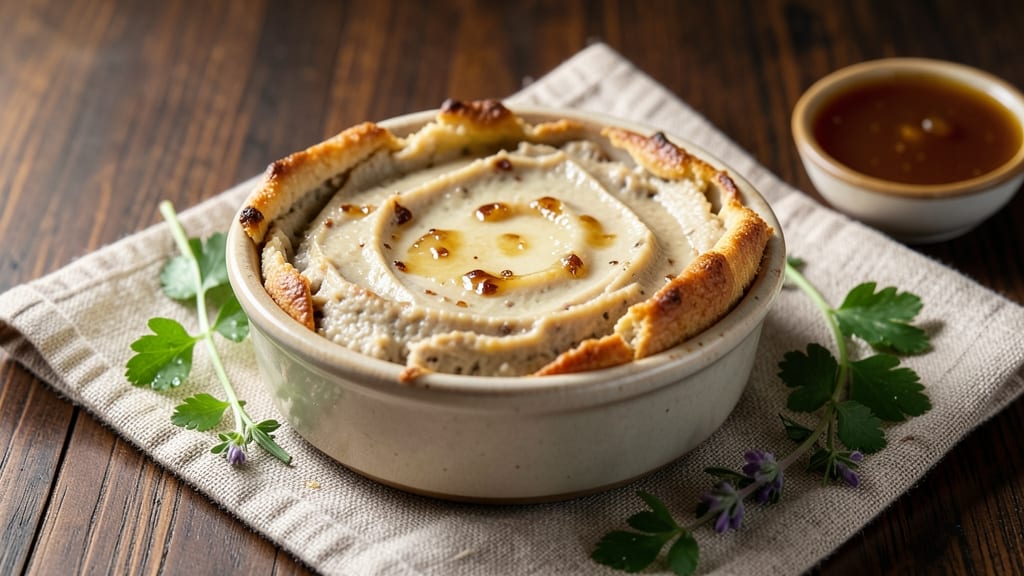
Creating the perfect baked chicken liver pâté transforms humble ingredients into a luxurious spread that delivers restaurant-quality umami depth in every bite. This recipe balances tradition with precision—rendering liver fat for richness while developing a velvety texture through careful baking.
The French technique of slow cooking livers with butter and cream creates that signature smoothness, but we’ll add modern twists like aromatic herbs and a touch of mustard for complexity.
What sets this pâté apart is its foolproof texture—neither too grainy nor overly runny—achieved through precise cooking times and ingredient ratios. You’ll start by rendering liver fat (never waste it!), then simmer livers until just tender before blending with cream, butter, and seasonings.
The baking step ensures a silky, spreadable consistency that’s perfect for serving on crusty bread or as a sophisticated appetizer. Professional results require just 45 minutes of active time, plus 30 minutes of baking.
The final product delivers intense umami flavor with a velvety mouthfeel that pairs beautifully with crackers, toasted baguettes, or even as a sandwich filling. This version includes classic elements like shallots and thyme, but the spiced variation (with smoked paprika or chili flakes) adds depth for modern palates.
The key is patience—letting flavors meld during baking creates a pâté that’s rich, cohesive, and impossible to resist.
Equipment is simple: ramekins or a loaf pan for baking, plus a food processor for blending. Store leftovers in the fridge for up to 5 days or freeze for months—though you’ll likely eat it all at once.
Whether you’re hosting a dinner party or craving a gourmet snack, this pâté delivers elegance without complexity. Let’s get started on creating your perfect spread.
Ingredients for baked chicken liver pate
Twelve ingredients transform simple livers into velvety luxury pâté with restaurant-quality umami depth.
| Ingredient | Amount | Notes |
|---|---|---|
| Chicken Livers 🍗 | 1 ½ lb | Fresh, trimmed of connective tissue |
| Unsalted Butter 🧈 | ¾ cup | Cold, cut into small cubes |
| Heavy Cream 🥛 | 1 cup | Full-fat for maximum richness |
| Shallots 🧅 | 4 whole | Finely minced, vibrant purple-red |
| Fresh Thyme Leaves 🌿 | ¼ cup | Stems removed, finely chopped |
| Fresh Parsley Leaves 🌿 | ¼ cup | Flat-leaf preferred, chopped |
| Dijon Mustard 🍯 | 2 tbsp | High-quality, smooth variety |
| Diamond Crystal Kosher Salt 🧂 | 1 tsp | Fine grain for even seasoning |
| Freshly Ground Black Pepper 🌶️ | ½ tsp | Cracked peppercorns preferred |
| Smoked Paprika 🌶️ | ½ tsp | For subtle smoky depth |
| Extra-Virgin Olive Oil 🫒 | 1 tbsp | For finishing, fruity variety |
| Freshly Squeezed Lemon Juice 🍋 | 1 tbsp | Brightens the umami flavors |
| Crusty Baguette 🍞 | 1 whole | For serving, sliced into rounds |
The chicken livers are the star—freshness is non-negotiable. Grab them from Whole Foods or your local butcher, ideally within 48 hours of purchase. Look for bright red, moist livers with no yellowing or off smells. Trim away any connective tissue or blood vessels before using. The butter matters too—European-style unsalted like Plugrá adds extra richness. Thyme and parsley should be bright green with no wilt, and the shallots? Vibrant purple-red means peak flavor. Don't skip the lemon juice—it's the secret to balancing that deep umami richness.
No fresh thyme? Dried works at one-third the amount, but fresh is ideal. Out of Dijon mustard? Whole-grain mustard thinned with water gives a similar tang. The smoked paprika can be swapped for regular paprika plus a pinch of cayenne if you want more heat. For a vegetarian twist, mushroom stems or hearts of palm can replace half the livers (though purists will notice the difference). The heavy cream is crucial—half-and-half thinned with a splash of milk works in a pinch, but you'll lose that luxurious mouthfeel. And if you're feeling adventurous, add a dash of fish sauce for next-level umami depth.
This pâté keeps beautifully—5 days in the fridge sealed tightly, or 3 months frozen in airtight containers. For serving, let it come to room temperature first—15-20 minutes does the trick. I love drizzling extra-virgin olive oil on top right before serving for that restaurant-fresh finish. The baguette? Toast it until crisp and golden—the contrast with the silky pâté is pure magic. Make extra—it disappears faster than you'd think, especially when you're hosting. The leftovers? Even better the next day as flavors meld.
Why You'll Love This Recipe
- No Fuss, Big Payoff: I swear by this recipe because it’s the kind of dish that feels fancy but takes less effort than boiling water. Just sear the livers in butter, toss them in cream and thyme, and bake—no stirring, no stress, no mess. The only real work is peeling the shallots, and honestly, that’s the fun part.
- Rich Without Trying: That first bite? Buttery, silky, and packed with umami from the livers—no heavy spices or weird ingredients. The heavy cream smooths out any gaminess, while the thyme and shallots add just enough brightness to keep it from being too heavy. It’s the kind of flavor that lingers without screaming for attention.
- Weeknight or Holiday: Between us, this pate is my go-to for when I want to impress but don’t have time to slave over a dish. Serve it with crusty bread for a quick dinner, or dollop it on toast for a lazy Sunday brunch. (Yes, even on a Tuesday night.) It’s also the star of my holiday charcuterie board—elegant enough for guests but easy enough to make ahead.
- Budget-Friendly Luxury: Chicken livers are cheap, and a single batch stretches across multiple meals. I’ll make a big batch on Sunday, then use it for breakfast toast, sandwich fillings, or even a quick pasta sauce later in the week. It’s the kind of dish that makes you feel like you’re eating well without breaking the bank.
Step-by-step instructions for baked chicken liver pâté
This method delivers a velvety, restaurant-quality pâté with perfect texture every time.
Prepare the Chicken Livers for Cooking
Begin by trimming any connective tissue or silver skin from the 1.5 lb chicken livers using a sharp knife. This step is crucial—it prevents bitterness and ensures a smooth final texture. Rinse the livers thoroughly under cold water to remove any blood, then pat them completely dry with paper towels. The dryness helps them sear properly later.
Cut the livers into ¼-inch thick slices for even cooking. Arrange them in a single layer on a plate and season generously with 1 tsp Diamond Crystal kosher salt, 0.5 tsp freshly ground black pepper, and 0.5 tsp smoked paprika. Let them sit at room temperature for 15 minutes while you prepare the aromatics. This resting period ensures even cooking and prevents the centers from staying underdone.
Sear the Livers and Build the Flavor Base
Heat 1 tbsp extra-virgin olive oil in a large skillet over medium-high heat until shimmering. Add the seasoned livers in a single layer, being careful not to overcrowd the pan. Sear for 2-3 minutes per side until they develop a deep golden-brown crust. Remove the livers and set them aside on a plate.
In the same skillet, reduce heat to medium and add 0.75 cup cold unsalted butter cut into small cubes. Let it melt completely, then add the 4 whole finely minced shallots. Cook for 3-4 minutes until the shallots soften and turn translucent. Stir in the 0.25 cup chopped fresh thyme leaves and 0.25 cup chopped fresh parsley leaves, cooking for another 30 seconds until fragrant. This aromatic base forms the flavor foundation of your pâté.
Simmer and Create the Rich Base
Pour in the 1 cup heavy cream and 2 tbsp Dijon mustard, stirring to combine. Bring the mixture to a gentle simmer over medium-low heat, then reduce heat to maintain a bare simmer. Add the seared livers back to the skillet, along with any accumulated juices. Simmer for 8-10 minutes, stirring occasionally, until the livers are fully cooked through and the mixture thickens slightly.
Here's where the magic happens: the cream should reduce just enough to coat the back of a spoon but still maintain a velvety consistency. If the mixture looks too thin, simmer for another 2-3 minutes to thicken. The livers should be tender but not falling apart—press one gently with a fork to test. Once satisfied, remove from heat and stir in the 1 tbsp freshly squeezed lemon juice. This brightens the rich umami flavors and balances the dish.
Bake for Silky Perfection
Preheat your oven to 350°F. Transfer the liver mixture to a 4-cup oven-safe baking dish (or individual ramekins for portioning). Cover tightly with aluminum foil and bake for 20-25 minutes. The foil traps steam, creating that signature silky texture we're after.
After baking, let the pâté rest for 10 minutes before serving. This resting period allows the flavors to meld completely and the texture to set properly. If using ramekins, chill them in the refrigerator for 30 minutes before unmolding for elegant presentation. The result should be a glossy, velvety spread with just the right amount of body—neither too thick nor too runny.
Serve with Crusty Baguette
Slice the whole crusty baguette into ½-inch thick rounds and toast lightly if desired. Spoon the warm pâté onto the baguette slices or serve it in small bowls alongside the toast. The contrast between the rich, umami pâté and the crisp baguette creates an unforgettable eating experience.
For an extra touch of elegance, drizzle with a few drops of extra-virgin olive oil and sprinkle with additional chopped parsley. This pâté keeps well in the refrigerator for 3-4 days, making it perfect for entertaining. The flavors only deepen with time, so it's even better the next day!
Pro Tips For Making Baked Chicken Liver Pate
- Trim the Connective Tissue: Chicken livers have those nasty white strings—don’t just eyeball them. Run cold water over the livers while peeling away the membrane with your fingers. I learned this the hard way after biting into a chunky bite in my first batch. Takes 2 minutes but makes a smoother pate every time.
- Sear Livers in Batches: Crowd the pan, and you’ll steam them instead of sear. Work in 1-inch-high layers over medium-high heat—no oil needed, just the butter melting. Flip once for a deep brown crust. After burning three batches, I finally figured out: patience here means velvety texture later.
- Reduce Shallots to Paste: Dice them fine, then cook with butter until they’re nearly waterless. Pulse in a food processor for 10 seconds—this turns shallots into a silky base, not just chopped bits. My grandmother swore by this, and she was right: it blends seamlessly with the cream.
- Whisk Cream Cold: Warm cream separates; cold cream emulsifies. Whisk the heavy cream into the liver mixture last, straight from the fridge, and keep the whole thing chilled until baking. Sounds weird, but it works: the pate stays luscious, not greasy. (Yes, even if you’re impatient like me.)
Best sauces and condiments for these flavors
Classic Mustard Cream
This is my go-to sauce for serving pâté—it cuts through the richness beautifully. Mix ¼ cup heavy cream with 1 tbsp Dijon mustard and ½ tsp lemon juice until smooth.
Thin with 1 tsp water if needed for dipping. The tangy mustard and creamy texture complement the pâté's umami perfectly. 🍯
Spicy Harissa Swirl
For heat lovers, blend 2 tbsp harissa paste with ¼ cup olive oil and a pinch of smoked paprika. Drizzle this vibrant red sauce over the pâté just before serving.
The smoky, spicy kick balances the pâté's richness while adding visual drama. Start with 1 tbsp per serving and adjust to taste.
Champagne Reduction
Elevate your pâté presentation with a champagne reduction. Simmer ½ cup dry champagne with 1 tbsp shallots and 1 tsp sugar until reduced by half. Finish with ½ tsp lemon zest for brightness. This luxurious sauce adds effervescent notes that cleanse the palate between bites.
Herbed Olive Oil
A simple yet elegant drizzle transforms any pâté spread. Blend ¼ cup extra-virgin olive oil with 1 tbsp chopped parsley, 1 tsp chopped thyme, and ½ tsp lemon zest.
Drizzle generously over the pâté right before serving. The fresh herbs and bright citrus notes enhance the pâté's natural flavors without overpowering them.
Sweet Onion Jam
Caramelize 1 cup thinly sliced red onions with 2 tbsp balsamic vinegar and 1 tbsp brown sugar until jammy. Spread this sweet-savory jam on toasted baguette slices before adding the pâté. The deep caramelized flavors create a perfect contrast to the pâté's umami richness.
Whiskey Cream Sauce
For a decadent twist, simmer ¼ cup heavy cream with 2 tbsp bourbon and 1 tsp honey until slightly thickened. Finish with a pinch of sea salt. The whiskey adds a subtle warmth that pairs beautifully with the pâté's deep flavors. Serve warm for maximum aroma impact. 🍸
Nutrition facts
Frequently asked questions
Can I substitute duck or pork liver for chicken liver in this recipe?
You can use duck or pork liver, but flavor and texture will change significantly. Duck liver is richer and more intense, while pork liver is slightly milder than chicken. Adjust cooking times—duck liver is ready in 2-3 minutes per side due to its higher fat content, while pork liver may need 3-4 minutes. Start with 1 lb instead of 1.5 lb to avoid overpowering the dish.
What if my pâté turns out too runny after baking?
This usually happens if the cream didn't reduce enough or the livers weren't cooked long enough. For a quick fix, transfer the pâté to a saucepan and simmer uncovered over low heat for 5-8 minutes, stirring constantly, until it thickens. If it's still too thin, stir in 1 tbsp cold butter to help stabilize the texture. Prevent this by ensuring the cream reduces to a thickened consistency before baking.
How do I store and reheat leftover pâté?
Store leftovers in an airtight container in the fridge for up to 5 days or freeze for 3 months. To reheat, place the pâté in a small saucepan over low heat and warm gently, stirring frequently, until just heated through (2-3 minutes). Avoid microwaving—it can make the texture grainy. For best results, let it come to room temperature before serving to preserve that velvety consistency.
Can I make this pâté ahead of time for a dinner party?
This pâté actually tastes even better the next day as flavors meld. Prepare it 1-2 days ahead, store it in the fridge, and let it sit at room temperature for 30-45 minutes before serving. For a showstopping presentation, chill the baked pâté in ramekins for 2 hours before unmolding. The texture will be perfect, and you'll avoid last-minute stress.
What's the best way to serve this pâté for maximum impact?
For an elegant presentation, spoon the pâté into small ramekins or onto crusty baguette slices arranged on a platter. Garnish with a drizzle of herbed olive oil or a sprinkle of fresh parsley. Serve with an assortment of accompaniments like cornichons, pickled vegetables, or the mustard cream sauce mentioned in the recipe. The contrast of textures and flavors makes it feel like a restaurant-worthy appetizer.