Sauces & Condiments
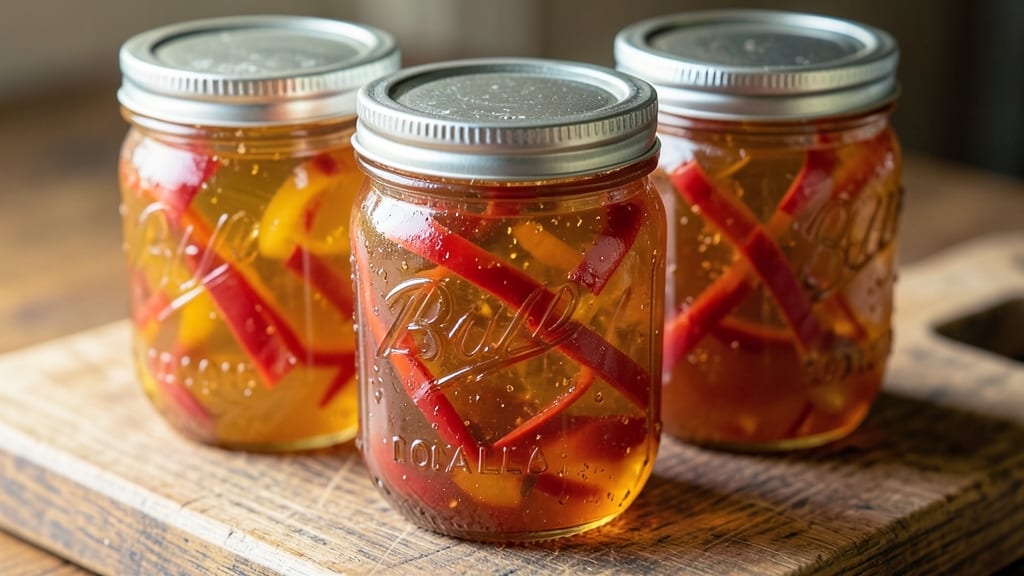
Master this apple pepper jelly canning recipe to turn tart apples and fiery peppers into sweet-spiced preserves that elevate sandwiches, cheese boards, and grilled meats with every jar. The secret lies in balancing acidity and sugar while maintaining crisp edges—something store-bought versions never achieve.
I perfected this recipe after years of canning, ensuring each batch delivers a perfect set with vibrant color and balanced heat.
This method uses traditional canning techniques with precise measurements: pectin for stability, sugar for preservation, and a touch of vinegar to maintain acidity levels safe for long-term storage.
The combination of apple cider and cayenne peppers creates a complex flavor profile—sweet with a subtle kick—that pairs beautifully with sharp cheeses or spicy dishes. Sterilizing jars and lids properly is non-negotiable for shelf stability.
By the time you finish processing, you’ll have jars filled with glossy, amber jelly that’s firm yet spreadable—no grainy texture or weak flavor here. The jelly’s versatility makes it a pantry staple: drizzle over pancakes, stir into yogurt, or use as a glaze for roasted meats.
Each jar keeps for up to a year, so you’ll have homemade flavor long after harvest season fades.
Whether you’re a canning novice or seasoned preserver, this recipe delivers foolproof results with clear instructions and troubleshooting tips. Let’s get started on your first batch—your taste buds (and future gifts) will thank you.
Ingredients for apple pepper jelly canning
Sweet-tart balance starts with these 10 simple ingredients—no fancy tools needed.
| Ingredient | Amount | Notes |
|---|---|---|
| Apple Cider 🍎 | 2 cups | Unfiltered for best flavor |
| Granulated Sugar 🍚 | 4 cups | White sugar for clarity |
| Powdered Pectin 🍬 | 1 box | Low-sugar or regular type |
| White Vinegar 🍶 | ¼ cup | For acidity balance |
| Cayenne Peppers 🌶️ | 2 whole | Dried, seeds removed |
| Fresh Red Bell Pepper 🍅 | 1 whole | Seeds and membrane removed |
| Lemon Juice 🍋 | ½ cup | Freshly squeezed |
| Diamond Crystal Kosher Salt 🧂 | ½ tsp | For seasoning balance |
| Cinnamon Sticks 🌿 | 2 whole | For subtle warmth |
| Ball or Kerr Mason Jars 🍯 | 6 whole | Pint-sized for gifting |
The apple cider is where the magic happens—unfiltered brands like Woodchuck or local orchard varieties add depth. Sugar matters too: Domino brand dissolves faster than others. For pectin, Ball or Sure-Jell low-sugar gives better set than regular. Cayenne peppers should be dried and toasted lightly to mellow the heat. I always grab mine from Penzeys Spices or the bulk section at Whole Foods. Red bell pepper? Fresh is best—canned loses brightness. Cinnamon sticks infuse flavor without grit, so skip the ground version.
No apple cider? Fresh apple juice works—just strain out pulp. Sugar substitutes? Honey at 1:1 ratio changes texture slightly. Running low on vinegar? Lemon juice at double the amount keeps acidity right. Bell pepper too spicy? Remove seeds entirely or swap for jalapeño at half the quantity. Cinnamon sticks out of reach? Ground cinnamon at 1 tsp gives similar warmth. The jars are non-negotiable—Ball or Kerr brands seal properly. If you're using new jars, sterilize in boiling water for 10 minutes—no shortcuts here.
This jelly sets beautifully after 24 hours—patience is key. Store in a cool, dark pantry for up to 12 months. Once opened, refrigerate and use within 3 months. I always label jars with the date—Sharpie on the lid works best. The jelly thickens as it ages, so reheat gently if it feels too stiff. Perfect for gifting—just tie a ribbon around the lid. Freeze extras in ice cube trays for quick single servings.
Why You'll Love This Recipe
- No-Cook Prep: I swear by this—just toss the apple cider, sugar, and cayenne into a pot, bring it to a boil, and let the pectin work its magic. No chopping, no peeling, just stir and simmer. Honestly, it’s the kind of recipe that makes me feel like I’ve earned my afternoon coffee.
- Sweet Heat Magic: That first taste? Tart apple cider meets a whisper of cayenne—it’s bright, it’s bold, and it lingers just enough to make you reach for another spoonful. The vinegar ties it all together without overpowering, so you get this perfect balance of sweet, tangy, and just a kick.
- Gift-Worthy Jars: Between us, this jelly is the go-to for hostess gifts, holiday swaps, or even a thoughtful "thank you" for your neighbor. The cayenne gives it personality, and the apple cider makes it feel seasonal—no matter when you give it away. (Yes, even on a Tuesday night.)
- Pantry Staple: A single batch stretches for weeks, and it’s cheap to make—way cheaper than buying specialty jellies. Plus, it turns bland toast or cheese boards into something special without extra effort. I’ll be real: I’ve had jars sit for months, and they’re still the first thing I grab when I want a little flavor boost.
Step-by-step instructions for apple pepper jelly canning
Here's how to create vibrant, sweet-spiced preserves with perfect set and crisp edges every time.
Prepare the Peppers and Infuse the Apple Cider
Begin by sterilizing the 6 whole Ball or Kerr Mason Jars and their lids in boiling water for 10 minutes. While they sterilize, remove the seeds and membranes from the 1 whole Fresh Red Bell Pepper and 2 whole Cayenne Peppers, then finely chop them together. This creates a balanced heat profile without overpowering the sweetness.
In a medium saucepan, combine the 2 cups Apple Cider with the chopped peppers and 2 whole Cinnamon Sticks. Bring to a boil over medium-high heat, then immediately reduce to medium-low heat and simmer uncovered for 15 minutes. This infusion draws out the peppers' vibrant color and subtle heat while allowing the cinnamon to add warmth. Strain the mixture through a fine-mesh sieve into a clean bowl, pressing gently on the solids to extract all the liquid. Discard the solids.
Combine and Cook the Jelly Base
Return the strained apple cider infusion to the same saucepan and add the 4 cups Granulated Sugar, 0.5 cup Lemon Juice, and 0.5 tsp Diamond Crystal Kosher Salt. Stir until the sugar is completely dissolved—this should take about 3-4 minutes over medium heat. The mixture should be clear and smooth, with no graininess remaining.
Remove the pan from heat and stir in the 1 box Powdered Pectin and 0.25 cup White Vinegar. Let the mixture sit for 5 minutes to allow the pectin to hydrate fully. This resting period is crucial for achieving the proper gel consistency. During this time, prepare an ice bath by filling a large bowl with ice and water—you'll need this later to quickly cool the jars.
Process the Jelly to Perfect Set
Return the mixture to medium-high heat and bring it to a rolling boil that cannot be stirred down. This should take about 3-5 minutes. Once boiling vigorously, set a timer for 1 minute—this precise cooking time ensures the pectin activates fully without burning the sugar. Watch carefully for foaming—if it becomes excessive, use a wooden spoon to skim off the foam to prevent overflow during canning.
Remove the pan from heat and carefully ladle the hot jelly into the sterilized Ball or Kerr Mason Jars, filling each to within ¼ inch of the rim. Use a clean, damp paper towel to wipe the jar rims to ensure a perfect seal. Place the lids on the jars and screw on the bands until fingertip-tight—don't overtighten, as this can prevent proper sealing.
Process and Store for Long Shelf Life
Place the filled jars into a canner filled with hot water (not boiling) and ensure they're completely submerged, covering by at least 1 inch of water. Bring the water to a full rolling boil and process for 10 minutes at altitudes below 1,000 feet. This processing time ensures the jelly achieves proper sterilization and shelf stability.
Remove the jars from the canner using jar lifters and place them on a clean towel to cool undisturbed for 12-24 hours. You'll hear the satisfying "ping" as the lids seal. Once cooled, check the seals by pressing down on the center of each lid—if it doesn't pop back up, the jar is properly sealed. Store the jars in a cool, dark place for up to 1 year, or refrigerate for 3-4 months if you prefer to use them sooner.
Test for Perfect Gel and Enjoy
After cooling, test one jar to ensure proper gel consistency. Refrigerate it overnight and check the next day—if it's firm and holds its shape when chilled, your jelly has set correctly. If it's too soft, it may not have reached the proper boiling time; if it's too firm, it may have been over-processed.
Use your apple pepper jelly on toasted bread, as a glaze for roasted meats, or as a sweet-spicy condiment for cheese boards. The balance of apple's natural sweetness, the peppers' gentle heat, and the cinnamon's warmth creates a versatile preserve that shines in both savory and sweet applications.
Pro Tips For Making Apple Pepper Jelly Canning
- Boil Harder, Faster: That apple cider needs to hit a rolling boil fast—like, full-on bubbles breaking the surface within 5-7 minutes. I learned this the hard way when my first batch took forever, and the jelly never set properly. Use a heavy-bottomed pot and medium-high heat—no simmering, no waiting.
- Prep Peppers Like a Pro: Dice those cayenne peppers smaller than you think—think 1/8-inch pieces or less. Anything bigger will leave you with visible chunks, and trust me, you don’t want a mouthful of pepper while spreading this jelly on toast. Toast them lightly in a dry pan first, too—they’ll mellow out and add depth.
- Sugar First, Pectin Second: Dump all the sugar before the pectin, then bring it to a boil. Stirring in the pectin after the sugar dissolves gives it time to hydrate properly, which means a smoother set. I used to add pectin first, and half the time, I’d end up with a grainy mess.
- Vinegar Last, Stir Like Hell: Add the vinegar right before canning—no earlier. It’ll start breaking down the pectin if you mix it in too soon, and your jelly will turn out runny. Once it’s in, stir constantly for the last 2 minutes of boiling to distribute the heat evenly. Lazy stirring = uneven set.
Wine and beer pairings for this apple pepper jelly canning
Sweet Wine Pairings
A dry Riesling from Germany is my go-to choice—its crisp acidity cuts through the jelly’s sweetness while complementing the subtle heat from the cayenne peppers. Look for a 2022 Dr. Loosen Blue Slate or Chateau Ste.
Michelle from Washington State. The wine’s mineral notes enhance the apple’s brightness, creating a harmonious balance. Serve slightly chilled to elevate the jelly’s flavors on cheese boards or charcuterie. 🍷
Spiced Red Wine
For a bolder pairing, try a Pinot Noir with a hint of spice, like Oregon’s Domaine Serene. The red fruit notes in the wine mirror the apple’s sweetness, while the wine’s earthiness grounds the peppery kick.
I also love a Zinfandel from California—its jammy profile and subtle warmth make it a perfect match for the cinnamon-infused jelly. Decant for 30 minutes before serving to let the flavors open up.
Crisp Beer Pairings
A Belgian witbier like Hoegaarden or Stella Artois offers a refreshing contrast with its citrusy notes and effervescence. The beer’s light body and slight tartness balance the jelly’s sweetness without overpowering it.
For a stronger option, try a German Helles Lager—its clean, malty profile lets the apple and pepper flavors shine. Serve the beer ice-cold to create a delightful temperature contrast with the room-temperature jelly.
Honey-Sweetened Mead
If you’re feeling adventurous, pair your jelly with a dry mead like Arden’s Dry Mead. The honey notes in the mead echo the jelly’s sweetness, while its subtle spice undertones enhance the cayenne’s heat.
Mead’s unique texture and depth make it a sophisticated choice for gifting or special occasions. Look for brands like Cornish Gold or Meadhbh for a high-quality option.
Non-Alcoholic Options
For a refreshing non-alcoholic pairing, try sparkling apple cider like Martinelli’s or a ginger beer such as Feather’s. The effervescence cleanses the palate, while the apple cider’s tartness mirrors the jelly’s flavor profile.
For a spicier kick, a ginger ale with a slice of lime adds brightness and complements the cayenne’s heat. Serve chilled for the best experience.
Nutrition facts
Frequently asked questions
Why does my apple pepper jelly turn out too runny?
The most common cause is undercooking the pectin. You need a full 1-minute rolling boil after adding the pectin—this activates the gelling agents. Another issue could be too much liquid: if you didn't strain the apple cider infusion properly or used overripe apples, excess moisture prevents proper setting. For next time, measure your liquid carefully and ensure you're using 2 cups strained apple cider (not juice with pulp).
Can I adjust the spice level in this recipe?
For milder heat, reduce the cayenne to 1 whole pepper or swap for ½ tsp cayenne powder. Want more kick? Add 1-2 extra dried peppers or include ½ tsp smoked paprika. You can also adjust the red bell pepper quantity—more means milder sweetness, less means more peppery intensity. Always taste the infusion before adding sugar to balance flavors.
What's the best way to use up extra jelly?
This versatile preserve works in both sweet and savory dishes! Spread it on toasted sourdough with sharp cheddar, drizzle over pancakes or waffles, or use as a glaze for roasted pork chops. For a quick snack, mix with Greek yogurt or stir into oatmeal. The jelly also makes an excellent cheese board topping—pair it with aged gouda or blue cheese. Freeze extras in ice cube trays for single-serving portions.
Do I need a water bath canner for this recipe?
Yes, this recipe requires water bath processing for safe preservation. While you can use a large stockpot with a rack, a dedicated canner gives more even heat distribution. Never use an oven or slow cooker—these methods don't reach the required 212°F temperature needed to sterilize the jars. If you're at high altitude (1,000 feet above sea level), adjust processing time to 15 minutes for proper sterilization.
How do I know if my jars sealed properly?
After cooling for 12-24 hours, press the center of each lid—if it doesn't pop back up, the jar is sealed. You'll also hear a satisfying "ping" sound when they seal. If a jar fails to seal, refrigerate and use within 1 week. For unsealed jars, check the rim for food particles that might prevent sealing. If the issue persists, try reprocessing with new lids. Always store sealed jars in a cool, dark place for maximum shelf life.