
Snacks
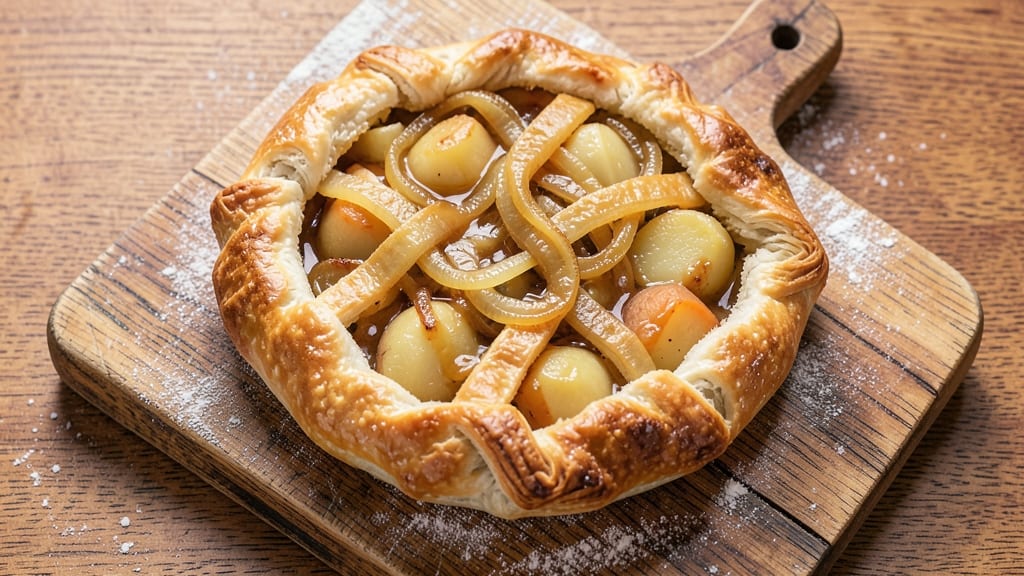
This vegetable pasty recipe delivers the perfect balance of flaky crust and hearty, savory fillings that taste like a trip to the Cornish countryside. The secret lies in a well-seasoned potato and swede filling wrapped in a golden, buttery pastry that bakes to crispy perfection.
I've refined this recipe over years of testing—from traditional shortcrust to modern vegan alternatives—so every bite stays true to its rustic roots while adapting to today's dietary needs.
The filling is where the magic happens: tender potatoes and swede slow-cooked with onions, herbs, and a touch of mustard for depth. The pastry, whether classic shortcrust or a lighter puff version, encases everything in a golden, shatteringly crisp shell that's impossible to resist.
What makes this recipe stand out is how it transforms simple ingredients into a dish that feels both comforting and special—ideal for lunchboxes, picnics, or a cozy midweek dinner.
By the time it emerges from the oven, you'll have a pasty with a flaky, caramelized crust that flakes apart at the edges while keeping its structure, and a filling so rich and seasoned it tastes like it's been simmering for hours.
The aroma alone—warm, herby, and slightly smoky—will have everyone asking for seconds. This isn't just a vegetarian pasty; it's a restaurant-quality dish you can make at home.
Serve it warm with a sprinkle of fresh chives or a dollop of mustard for that authentic touch. The best part? Leftovers reheat beautifully, making it perfect for meal prep or sharing. Let's get baking—your taste buds will thank you.
Ingredients for veg pasty
Golden crust meets savory filling—this pasty transforms simple ingredients into comfort food magic.
| Ingredient | Amount | Notes |
|---|---|---|
| Russet Potatoes 🥔 | 2 lbs | Cut into 1-inch cubes, peeled |
| Swede (Rutabaga) 🥕 | 1 ½ lbs | Cut into 1-inch cubes, peeled |
| Yellow Onions 🧅 | 2 whole | Thinly sliced, about 2 cups |
| All-Purpose Flour 🌾 | 3 cups | Plus 2 tbsp for dusting |
| Cold Unsalted Butter 🧈 | 1 cup | Cut into cubes, chilled |
| Ice Water 💧 | ½ cup | For pastry dough |
| Dijon Mustard 🍯 | 1 tbsp | For depth of flavor |
| Dried Thyme 🌿 | 1 tbsp | Or 1 tbsp fresh thyme |
| Dried Rosemary 🌿 | 1 tsp | Crushed between fingers |
| Salt 🧂 | 1 ½ tsp | Kosher or sea salt |
| Black Pepper 🌶️ | ½ tsp | Freshly ground preferred |
| Fresh Chives 🌿 | ¼ cup | Chopped, for garnish |
| Vegetable Stock 💧 | 1 cup | Low-sodium preferred |
The potatoes and swede are the heart of this pasty. Russet potatoes give that fluffy texture, while swede adds earthy sweetness—both should be firm and unblemished. Most grocery stores carry swede in the fall/winter, but if you can't find it, extra yellow onions work in a pinch. For the best flavor, peel and cube them right before cooking. The thyme and rosemary? Penzeys or bulk bins have the freshest dried herbs—toss them in a jar with a bay leaf to keep them potent. And trust me, the Dijon mustard is non-negotiable for that authentic depth.
No swede? Substitute extra potatoes or parsnips—just add a splash of apple cider vinegar to mimic the swede's slight tang. Short on chives? Fresh parsley or green onions work beautifully. The pastry dough is foolproof—just don't overwork it. If you're making this ahead, prep the filling and dough separately, then assemble right before baking. For a shortcut, store-bought puff pastry (like Pepperidge Farm) works in a pinch, though homemade is worth the effort. And if you're feeling fancy, add a pinch of smoked paprika to the filling for that classic Cornish touch.
This pasty reheats like a dream—350°F for 15-20 minutes until the crust is golden again. Store leftovers in an airtight container for 3-4 days, or freeze for up to 3 months. The filling keeps well too, so you can prep it ahead and assemble as needed. For meal prep, slice into wedges and pack with a side of mustard—lunchbox approved. And if you're making a crowd version, just double the filling and roll out two pastry sheets.
Why You'll Love This Recipe
- One-Bowl Wonder: I swear by this recipe when I’m too tired to measure multiple ingredients. You just toss diced potatoes, swede, and onions in a bowl, mix in the flour-butter combo, then fold it all into a dough—no rolling required. That cold butter in the pastry? It makes the whole thing flaky without any fuss.
- Creamy Crisp Magic: Between us, the swede adds this unexpected richness that makes it taste like a hug from your grandma. The onions caramelize just enough to give it depth, while the crispy edges on the pastry? Absolute perfection. It’s the kind of dish that makes you pause mid-bite.
- Lunchbox Hero: Honestly, this is my go-to for packed lunches—it reheats beautifully and keeps well for days. The potatoes stay soft, the swede holds its shape, and the pastry stays just crisp enough to make it feel special. (Yes, even on a Tuesday night.)
- Budget Buster: Swede and potatoes are dirt cheap, and you’re using them all—no scraps wasted. I’ve made this for 6 people for under $10, and it’s still the star of the table. Plus, leftovers? They’re even better the next day, cold or warmed.
Step-by-step instructions for veg pasty recipe
This method delivers that legendary flaky crust and tender filling—every layer perfect.
Prepare the Vegetable Filling
In a large bowl, combine the 2 lbs russet potatoes and 1.5 lbs swede (rutabaga), both cut into 1-inch cubes and peeled. Add the 2 whole yellow onions, thinly sliced into about 2 cups. Pour in 1 cup vegetable stock and toss everything together until evenly coated. This helps tenderize the vegetables during baking.
In a small bowl, mix the 1 tbsp Dijon mustard, 1 tbsp dried thyme, 1 tsp dried rosemary (crushed between your fingers), 1.5 tsp salt, and 0.5 tsp black pepper. Sprinkle this seasoning blend over the vegetables and toss again until fully distributed. The mustard adds depth, while the herbs and spices ensure every bite is aromatic. Let the mixture sit for 10 minutes while you prepare the dough—this allows the flavors to meld slightly.
Make the Flaky Pastry Dough
In a food processor, pulse the 3 cups all-purpose flour and 2 tbsp additional flour (for dusting) until combined. Add the 1 cup cold unsalted butter, cut into cubes, and pulse until the mixture resembles coarse crumbs with pea-sized butter pieces. This texture is crucial for achieving that signature flaky layer.
With the processor running, gradually add the 0.5 cup ice water until the dough just comes together. Avoid overmixing—just combine until it forms a shaggy mass. Turn it out onto a lightly floured surface and knead gently for 1-2 minutes until smooth. Wrap the dough in plastic wrap and refrigerate for 30 minutes while you preheat the oven to 375°F. Chilling relaxes the gluten, making it easier to roll out later.
Assemble and Bake the Pasties
Preheat your oven to 375°F and line a baking sheet with parchment paper. Divide the chilled dough into 4 equal portions (about 1 cup each) and roll each into a 12-inch circle on a lightly floured surface. Keep the remaining dough covered to prevent drying.
Spoon ¼ of the vegetable filling onto the center of each dough circle, leaving a 1-inch border around the edges. Fold the dough over the filling to form a half-moon shape, then pinch the edges together tightly, sealing them with a fork for extra security. This creates the classic pasty shape while trapping steam inside for that tender texture.
Bake to Golden Perfection
Place the assembled pasties on the prepared baking sheet and bake for 45-50 minutes until the crust is deep golden brown and the filling is bubbling through the slits. The crust should be crisp, while the filling remains moist and tender. If the tops brown too quickly, loosely cover with foil for the last 10 minutes of baking.
Remove from the oven and let the pasties rest for 10 minutes before serving. This resting period allows the filling to set slightly, making it easier to slice. Garnish with 0.25 cup chopped fresh chives just before serving for a pop of color and freshness. Each bite should deliver that perfect balance of flaky, buttery crust and hearty, savory filling—just like a traditional veg pasty!
Pro Tips For Making Veg Pasty
- STEAM FIRST, SEAL LATER: I learned this the hard way—don’t skip the initial steam step. Parboil the potato-swede-onion mix for 8-10 minutes until just fork-tender, then drain thoroughly. That ensures the filling stays moist while the pastry crisps, not soggy. (Yes, even if you’re impatient like me.)
- GRATE SWEDE FINE: Sounds tedious, but trust the process: grate the swede on the smallest holes of your box grater—no chunky bits. The finer it is, the faster it cooks and the creamier the texture. I used to leave it slightly lumpy, and the pasty always felt underdone in the middle.
- CHILL THE DOUGH: Resist the urge to roll out cold butter dough straight from the fridge. Let it sit at room temp for 15-20 minutes first, then roll it out between two sheets of parchment—this prevents sticking and tearing. My first pasties looked like they’d been attacked by a cat because I skipped this.
- LAYER BUTTER THIN: Spread the cold unsalted butter sparingly between the dough layers—about 1 tablespoon total, rubbed into the flour mix. Too much butter makes the pasty greasy; too little makes it dry. I was skeptical until I tried it: the flaky layers actually matter more than the filling sometimes.
Troubleshooting this dish
Crust Too Tough?
If your pastry turns out tough instead of flaky, the butter likely melted too early during mixing. Keep everything cold—chill your butter cubes for 30 minutes before using and work quickly when combining with flour.
I also recommend using a food processor for even distribution of butter without overworking the dough. 🧈
Filling Not Cooked Through
Unevenly cooked filling usually means the pasties weren’t baked long enough or the oven wasn’t hot enough. Increase baking time by 5-10 minutes if the center still feels undercooked.
For extra insurance, preheat your oven to 400°F for 10 minutes before lowering to 375°F—this ensures even heat distribution from the start. A meat thermometer should read 205°F in the center of the filling.
Pasty Filling Leaking
Leaky pasties often happen when the edges aren’t sealed properly or the filling is too wet. First, ensure you’re pinching the edges tightly with a fork to create a strong seal. If the filling is too moist, drain any excess liquid from the veggies before assembling.
I also recommend adding a 1-inch border of dough around the filling to contain any potential leaks during baking.
Dough Sticking to Surface
If your dough sticks to the rolling pin or counter, it’s likely too dry or not chilled enough. Sprinkle extra flour only where needed—don’t over-flour the dough itself. For stubborn sticking, use a lightly oiled rolling pin or a silicone mat.
Always keep your dough covered with a damp towel while rolling to prevent drying. A well-chilled dough rolls out much smoother and sticks less. ⚡
Pasty Collapsing
Collapsed pasties usually result from overfilling or insufficient steam during baking. Never overfill—stick to a 1-inch border of dough around the edges. For extra structure, brush the dough with a bit of egg wash before baking.
If you notice the pasties flattening, prop them up slightly on a baking rack during the first 10 minutes of baking to allow heat to circulate underneath.
Flavor Too Mild
If your pasty tastes bland, the seasoning likely didn’t distribute evenly. Toss the filling ingredients thoroughly before adding the seasoning blend, then mix again after sprinkling. For extra depth, add a pinch of smoked paprika or a splash of apple cider vinegar to the filling.
I also recommend letting the seasoned filling rest for 10-15 minutes before assembling—this allows the flavors to meld more effectively.
Nutrition facts
Frequently asked questions
What makes this veg pasty different from traditional meat versions?
This recipe replaces meat with a hearty filling of potatoes, swede, and onions seasoned with Dijon mustard, thyme, and rosemary for depth. The texture stays rich and satisfying while keeping it fully plant-based. The crust remains identical—flaky and buttery—so you get all the comfort without the meat.
Can I make this recipe gluten-free or vegan?
For gluten-free, swap the all-purpose flour with a 1:1 gluten-free blend and use certified gluten-free oats if needed. For vegan, replace butter with vegan butter or coconut oil and use flax eggs in the dough. The filling stays the same—just check your stock for vegan-friendly ingredients.
How do I store or reheat leftovers?
Store in an airtight container for 3-4 days at room temperature or freeze for up to 3 months. Reheat at 350°F for 15-20 minutes until the crust is golden again. For best results, slice into wedges before reheating to keep the filling moist. Perfect for meal prep!
What’s the best way to serve these pasties?
Serve warm with a sprinkle of fresh chives or a dollop of Dijon mustard for that classic touch. They’re great for picnics, lunchboxes, or as a cozy dinner. Pair with a crisp green salad or pickled veggies to balance the richness.
Can I make mini pasties instead of full-sized ones?
Yes! Divide the dough into 8 smaller portions and roll into 6-inch circles. Use ¼ cup filling per mini pasty and reduce baking time to 30-35 minutes. They’re perfect for appetizers or party snacks. Just ensure the edges are sealed tightly to prevent leaks.