
Main Courses
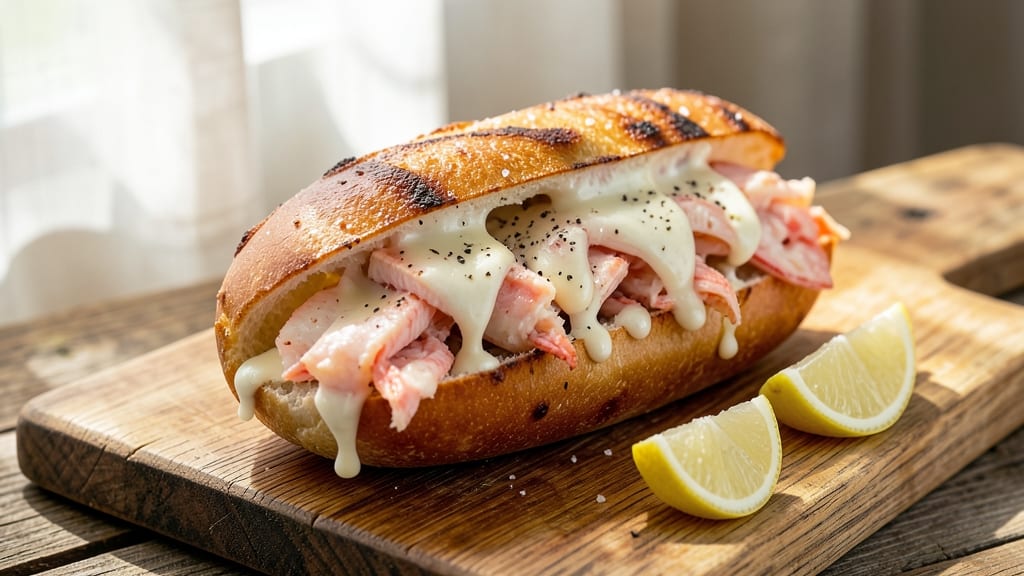
This traditional Maine lobster roll recipe captures the essence of coastal New England in every bite—juicy, sweet lobster meat nestled in buttery, toasted rolls, seasoned simply with just salt and pepper.
The secret lies in using fresh, sweet Maine lobster and a perfectly balanced mayo-butter mixture that keeps the meat tender while adding richness. I've perfected this recipe over years of coastal visits, where the aroma of grilling lobster rolls draws crowds to every seaside picnic.
The key to authenticity begins with the lobster itself—never overcooked, just warm enough to release its natural sweetness. A light butter-mayo mixture (no heavy seasoning) binds the meat while maintaining its delicate flavor.
The rolls must be toasted to a golden brown, creating a crisp shell that contrasts beautifully with the tender lobster inside. This isn't just a sandwich; it's a taste of Maine's rugged coastline in every bite.
What sets this recipe apart is its simplicity—no fancy techniques, just fresh ingredients and precise timing. The lobster stays warm while the rolls toast, ensuring each bite delivers that perfect harmony of textures and flavors.
Whether served at a beachside café or your own backyard gathering, this lobster roll will transport you to the rocky shores of Maine.
Pair it with classic coleslaw and lemon wedges for the full experience. The buttery rolls and sweet lobster create a balance that's impossible to resist—this is how lobster rolls should taste. Let's get started on creating your own taste of New England tradition.
Ingredients for traditional maine lobster roll
Fresh lobster, buttery rolls, and simple seasonings—this is coastal Maine in every bite.
| Ingredient | Amount | Notes |
|---|---|---|
| Live Maine Lobster 🦞 | 2 lb | Freshly steamed, meat picked clean |
| Unsalted Butter 🧈 | ½ cup | Cold, cut into small cubes |
| Mayonnaise 🥛 | ¼ cup | High-quality, like Hellmann's |
| Fresh Lemon Juice 🍋 | 1 tbsp | Freshly squeezed, not bottled |
| Kosher Salt 🧂 | ½ tsp | Fine grain, for seasoning |
| Freshly Ground Black Pepper 🌶️ | ¼ tsp | Light hand, just a hint |
| Buttery New England-Style Rolls 🍞 | 4 whole | Like Martin's or local bakery |
| Vegetable Oil 🫒 | ¼ cup | For toasting rolls |
| Iceberg Lettuce 🥬 | ½ head | For optional bedding |
| Fresh Dill 🌿 | 1 tbsp | Chopped, optional garnish |
The lobster is non-negotiable—live Maine lobsters from a trusted seafood market like Union Wharf Lobster Co. or Whole Foods ensure that sweet, delicate flavor. Look for lobsters with vibrant blue-green shells and firm bodies; they should feel heavy for their size. If you can't find live lobsters, freshly steamed and vacuum-packed is the next best option, but avoid pre-cooked lobster meat from cans—it lacks the freshness. The rolls should be artisan-style, with a high butter content; brands like Martin's or local bakeries specializing in New England rolls are ideal. If you're making these ahead, store the lobster meat and rolls separately in the fridge until ready to assemble.
No live lobsters? Freshly steamed lobster meat from a reputable seafood counter works, but avoid pre-cooked canned lobster—it's a game-changer for texture and flavor. For the mayo-butter mixture, Hellmann's or Duke's mayo adds a smooth consistency, while European-style butter like Plugrá or President gives the best flavor. If you're avoiding mayo, a light aioli made with olive oil and lemon works in a pinch. The rolls should be toasted to a golden brown—just a few minutes in a hot pan with vegetable oil ensures they stay crisp. For extra authenticity, some purists skip the lettuce, but a thin layer adds a nice crunch if you prefer.
Lobster meat keeps best in the fridge for 1-2 days if stored properly in an airtight container with a damp paper towel to retain moisture. The rolls can be prepped a day ahead and stored in a paper bag at room temperature to stay fresh. Once assembled, lobster rolls are best served immediately, but if you must reheat, microwave for 10-15 seconds covered with a damp paper towel to keep them moist. For a crowd, double the recipe and keep the lobster meat and rolls separate until ready to serve—this way, you can toast the rolls fresh while keeping the lobster warm.
Why You'll Love This Recipe
- Butter in Minutes: The lobster melts in butter so fast—just 5 minutes of gentle simmering, and you’ve got tender, sweet meat that falls apart at the touch. No need to fuss over timing or overcook; this is the kind of recipe where the hardest part is cracking the shell.
- Bright & Simple: That lemon juice isn’t just for flavor—it cuts through the richness of the butter and mayo, keeping every bite fresh and vibrant. Honestly, the balance of buttery richness and zesty brightness is what makes this roll feel like a true coastal treat, not some heavy, greasy mess.
- Picnic to Party: Split it between a buttered roll for a beachside lunch or pile it high in a toasted bun for a Fourth of July spread. The same filling works for both—just adjust the bread. My kids even beg for it in a wrap when I’m too lazy to toast, and that’s saying something.
- Leftover Luxury: The filling actually improves the next day—more flavors meld, the lemon brightens even more, and you’ve got a ready-to-eat lunch for work. I’ll be real: I’ve reheated this stuff straight from the fridge in a skillet with a splash of water, and it still tastes like a Maine summer morning.
Step-by-step instructions for traditional Maine lobster roll
Here's the classic method that delivers tender lobster meat in buttery rolls with perfect seasoning.
Steam the Live Maine Lobster
Fill a large pot with 2 inches of water and bring to a rolling boil. Add 1 tablespoon of the kosher salt and 1 tablespoon of the fresh lemon juice. Place the 2 lb live Maine lobster head-first into the pot and cover immediately. Steam for 12-15 minutes until the shell turns bright orange and the tail curls slightly.
Here's the thing—don't overcook. The lobster should be tender but still hold its shape. Test by gently prying open the shell with a lobster cracker. If the meat releases easily and the tail curls naturally, it's perfect. Transfer to a cutting board and let cool for 5 minutes before handling.
Prepare the Lobster Meat
Using kitchen shears, carefully cut through the shell along the underside of the tail to expose the meat. Twist the tail to remove it completely, then crack the shell open to access the claws. Pull the meat free from the claws using a small fork or your fingers. Discard the shell and any inedible parts. Chop the meat into ½-inch chunks and place in a large bowl.
Add the 0.5 cup unsalted butter (cut into small cubes), remaining 1 tablespoon fresh lemon juice, remaining 0.5 teaspoon kosher salt, and 0.25 teaspoon freshly ground black pepper to the lobster. Gently fold everything together with a wooden spoon until the butter melts and coats the meat evenly. The mixture should look glossy and inviting.
Mix the Lobster Filling
In a separate small bowl, combine the 0.25 cup mayonnaise with 1 teaspoon fresh lemon juice. This extra acidity balances the richness of the lobster and butter. Add this mixture to the lobster bowl and gently fold everything together until fully incorporated. The texture should be thick but still spreadable—like a luxurious, chunky paté.
Taste and adjust seasoning if needed. You might want a touch more salt or lemon, but be careful—the lobster is already naturally flavorful. Let the filling sit at room temperature for 10 minutes while you prepare the rolls. This allows the flavors to meld perfectly.
Toast the Rolls
Preheat your oven to 375°F. Cut the 4 whole buttery New England-style rolls in half lengthwise, creating 8 halves. Brush the cut sides generously with the 0.25 cup vegetable oil using a pastry brush. Place them cut-side down on a baking sheet.
Bake for 5-7 minutes until the rolls are golden brown and crisp to the touch. Watch closely—they should toast quickly but not burn. Remove from the oven and let cool for 2 minutes. The warm, buttery aroma will fill your kitchen—this is where the magic happens.
Assemble the Lobster Rolls
Scoop generous portions of the lobster filling into each toasted roll half, pressing down gently to create a neat pile. For a traditional presentation, you can optionally line the bottom of each roll with iceberg lettuce leaves from the 0.5 head iceberg lettuce, which adds a crisp contrast. Garnish with the 1 tablespoon chopped fresh dill for a bright, herby finish.
Serve immediately while the rolls are still warm and the lobster is at its most tender. The buttery rolls should be crisp on the outside and soft within, perfectly cradling the sweet, lemony lobster filling. This is the essence of a true Maine lobster roll—simple ingredients elevated by perfect technique.
Pro Tips For Making Traditional Maine Lobster Roll
- Boil Lobsters Alive: I learned this the hard way—live lobsters cook faster and stay sweeter. Drop them into salted boiling water (about 1/4 cup kosher salt per gallon) and cook for exactly 1 minute per ounce of weight. Overcooking turns them rubbery, and undercooking is a food-safety nightmare. Use tongs to flip them halfway.
- Chill Butter Before Mixing: Cold butter in the mayo mix is non-negotiable. If you skip this, your filling will turn greasy and separate. Grate the butter on ice or let it sit in the fridge for 10 minutes before folding it into the mayo—this keeps the texture light and creamy. Trust me, your roll will thank you.
- Skip the Crowding in the Pot: Overcrowding lobsters in the boiling water lowers the temperature and turns them mushy. Cook them in batches—no more than 3 pounds per gallon of water—so they steam properly. I used to rush this and ended up with sad, limp lobster meat. Don’t be that person.
- Squeeze Lemon Last: Add lemon juice to the filling right before serving—it brightens the flavor and keeps the mayo from breaking. If you mix it in too early, the acid will start separating the fats, and your roll will look (and taste) like a science experiment. Save the zest for garnish if you’re feeling fancy.
Pro cooking tips for traditional maine lobster roll
Steaming Lobster Perfectly
The key to sweet, tender lobster is steaming it just until the shell turns bright orange—12-15 minutes for a 2 lb lobster. I use a large pot with 2 inches of water and add 1 tbsp kosher salt and 1 tbsp lemon juice to the water.
The lobster should be head-first in the pot, covered immediately to trap steam. Overcooking turns the meat rubbery, so test by gently prying open the shell—if the tail curls naturally and meat releases easily, it's done. Let it rest 5 minutes before handling to retain moisture. 🦞
Butter-Mayo Balance
For the filling, I always use 0.5 cup cold unsalted butter (like Plugrá) mixed with 0.25 cup high-quality mayo (I prefer Hellmann's). The butter adds richness while keeping the lobster moist, and the mayo binds everything together.
Add 1 tbsp lemon juice to brighten the flavors—this is non-negotiable for that classic Maine tang. Fold gently with a wooden spoon to avoid breaking up the lobster chunks. The filling should be glossy but still hold its shape when scooped. 🧈
Roll Toasting Tricks
Toast the rolls in a 375°F oven for 5-7 minutes until golden brown, brushing the cut sides with vegetable oil first. I use a pastry brush for even coverage. Watch closely—they burn fast! Remove them when they're crisp to the touch but still soft inside.
Let them cool 2 minutes before assembling to prevent sogginess. For extra crispiness, I sometimes toast them directly on the stovetop in a dry skillet over medium heat for 1-2 minutes per side. 🍞
Lobster Meat Handling
When cracking lobsters, use kitchen shears to cut along the underside of the tail first—this exposes the meat cleanly. Twist the tail to remove it completely, then crack the shell open to access the claws. Pull the meat free with a small fork or your fingers, discarding all shells.
Chop into ½-inch chunks for even distribution in the rolls. I always work on a cooling rack to keep the meat from steaming in its own juices while I prep. 🦞
Flavor Timing Matters
Let the lobster filling sit at room temperature for 10 minutes before assembling—this allows the flavors to meld perfectly. The butter will fully incorporate, and the lemon will brighten the lobster's natural sweetness. Don't skip this step! Also, season the filling just before serving.
The lobster's natural flavor is delicate, so a light touch with kosher salt and black pepper is all you need. Taste as you go, but remember: less is more with lobster. 💡
Avoiding Common Mistakes
Never use pre-cooked canned lobster—it's a flavor and texture disaster. Always start with live or freshly steamed lobster from a trusted source. Another mistake? Overfilling the rolls. Use generous portions, but leave room for the lobster to stay contained.
If the filling spills out when you bite in, it's too much. Also, don't skip toasting the rolls—this is what gives them that signature crispness that holds up to the juicy lobster. 🚫
Nutrition facts
Frequently asked questions about Maine lobster rolls
Why does the recipe call for live lobsters instead of pre-cooked meat?
Live lobsters ensure the sweetest, most tender meat possible. Pre-cooked canned lobster loses moisture and flavor during processing, resulting in a rubbery texture. Freshly steamed lobster from a trusted seafood market delivers that signature Maine sweetness and delicate texture that makes this dish special.
Can I make lobster rolls ahead of time?
You can prep components ahead, but assemble them fresh for best results. Store lobster meat and rolls separately in the fridge for up to 24 hours. Toast rolls just before serving and keep lobster filling chilled until ready to assemble. The rolls should be warm and crisp, while the lobster stays cool until the final moment.
What's the difference between hot and cold lobster rolls?
Hot lobster rolls use grilled or steamed lobster meat served in toasted buns, while cold rolls feature chilled lobster in buttery, toasted rolls with mayo-butter dressing. This recipe follows the cold style, which is traditional in Maine—simple, sweet, and perfectly balanced with that buttery roll texture.
How do I know when my lobster is perfectly cooked?
Look for these signs: bright orange shell, slightly curled tail, and meat that releases easily when tested with a lobster cracker. Steam for 12-15 minutes for a 2 lb lobster. Overcooking turns the meat tough—always err on the side of undercooking. Let it rest 5 minutes before handling to retain moisture.
Can I substitute the rolls for something else?
Traditional New England-style rolls are ideal, but you can use brioche buns or even high-quality hot dog buns in a pinch. For extra authenticity, look for rolls with a high butter content—brands like Martin's work perfectly. Avoid dense breads that won't hold up to the juicy filling.