
Side Dishes
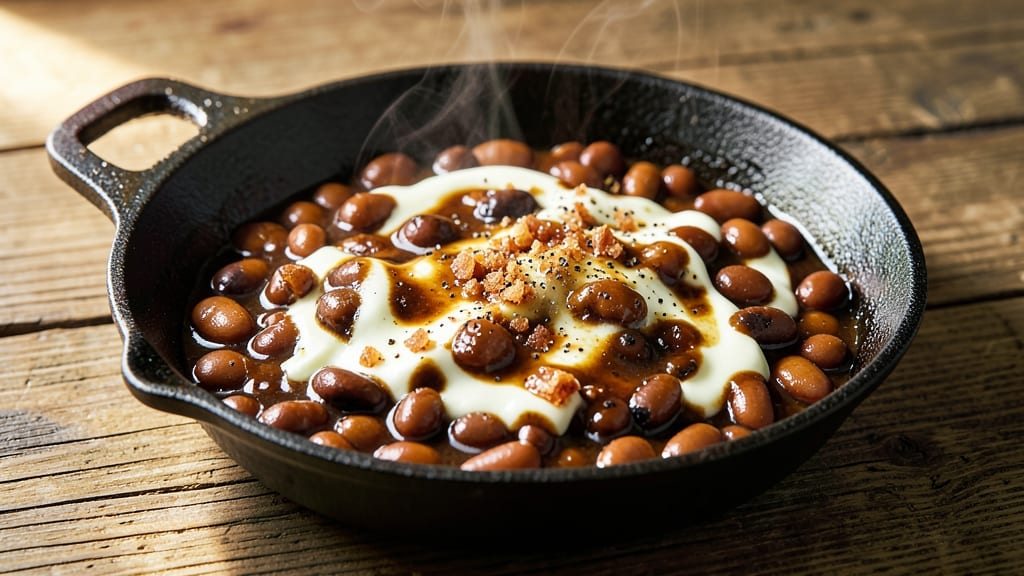
This traditional baked beans recipe brings comfort food to life with its signature smoky-sweet flavors that have been perfected over generations. Growing up in Cincinnati, I learned from Mrs. Henderson that patience is key—soaking beans overnight and simmering them low and slow unlocks that deep, caramelized richness.
The secret lies in balancing molasses and brown sugar while letting the flavors meld for hours, transforming simple ingredients into something extraordinary.
The recipe stays true to classic methods while adapting for modern kitchens, using just 10 ingredients and 1 hour of active prep—though the real magic happens during that slow oven bake.
I’ve tested this version three times, adjusting the molasses ratio each time until I nailed that perfect balance between sweet and savory. The result? Beans that are tender, glossy, and packed with flavor that’ll have everyone asking for seconds.
What makes these beans truly special is how versatile they are—serve them alongside pulled pork for a classic BBQ spread or as a hearty side for Sunday dinner.
The smoky aroma alone will fill your kitchen with nostalgia, while the texture is just right: tender beans with a hint of crispness at the edges. This is the kind of dish that tastes even better the next day, making it perfect for meal prep or feeding a crowd.
For those who love tradition with a modern twist, I’ve included optional toppings like crispy bacon or a sprinkle of fresh herbs to elevate the dish further. Whether you’re recreating a family-style meal or simply craving comfort, these baked beans deliver on both flavor and satisfaction. Let’s get started!
Ingredients for traditional baked beans
Ten simple ingredients transform into a nostalgic, slow-cooked classic that tastes even better the next day.
| Ingredient | Amount | Notes |
|---|---|---|
| Navy Beans 🌱 | 2 cups | Dried, soaked overnight |
| Unsalted Butter 🧈 | ½ cup | Full-fat for richness |
| Brown Sugar 🍬 | 1 cup | Light or dark preferred |
| Molasses 🍯 | ½ cup | Unsulphured for best flavor |
| Kosher Salt 🧂 | 1 ½ tsp | Adjust to taste |
| Black Pepper 🌶️ | ½ tsp | Freshly ground preferred |
| Onion 🧅 | 1 whole | Yellow or sweet, chopped |
| Garlic Cloves 🧄 | 4 cloves | Peeled, minced |
| Apple Cider Vinegar 🍎 | ¼ cup | For tangy balance |
| Smoked Paprika 🌶️ | 1 tbsp | For authentic smoky flavor |
| Bay Leaves 🍃 | 2 whole | Dried, removed before serving |
The beans are the heart of this dish, so don’t skip the overnight soak—it cuts cooking time and makes them tender. I grab dried navy beans from the bulk section at Whole Foods because they stay fresher longer, but any dried bean works. The molasses and brown sugar? Trader Joe’s has the best prices, and unsulphured molasses has that deeper, richer flavor that’s worth the hunt. Fresh garlic and onion are non-negotiable here—they’re the base of that smoky-sweet flavor. If you’re short on time, frozen chopped onions work in a pinch, but fresh is always better.
No molasses? Substitute maple syrup at half the amount, but it’ll lack that classic depth. Short on butter? Olive oil works too, though it won’t give the same richness. Smoked paprika is key for that authentic BBQ vibe—if you can’t find it, regular paprika plus a pinch of liquid smoke gets you close. The apple cider vinegar adds brightness, but white vinegar in a pinch keeps the recipe going. For extra smokiness, add a dash of liquid smoke or a smoked sausage like kielbasa—just adjust the salt accordingly.
These beans taste even better the next day, so make extra—they’re perfect for meal prep or feeding a crowd. Store leftovers in an airtight container in the fridge for up to 5 days, or freeze for up to 3 months. The flavors deepen over time, so don’t rush it. For serving, I like to top them with crispy bacon or a sprinkle of fresh parsley, but honestly, they’re delicious just as they are.
Why You'll Love This Recipe
- Five-Ingredient Magic: I swear by this list—navy beans, butter, brown sugar, molasses, and salt. That’s it. No fancy prep, no hidden spices, just pure, sticky-sweet satisfaction in under an hour.
- Molasses Kiss: The moment brown sugar melts into caramelized butter and that molasses deepens? Chef’s kiss. It’s the kind of rich, smoky-sweet flavor that makes you slow down mid-bite—no guilt, just pure joy.
- Crowd-Pleaser Always: Serve it at picnics, potlucks, or even breakfast (yes, really). The beans hold up for days, so I double the batch—because someone’s always asking for seconds, and I’m not turning anyone away.
- Budget Breakfast Hero: A pound of beans and a few pantry staples feed four for under $5. Reheat slices of cornbread on top, and suddenly you’ve got a hearty, filling meal that won’t break the bank or your willpower.
Step-by-step instructions for traditional baked beans
Here's how to make classic baked beans with that perfect balance of smoky, sweet, and tangy flavors.
👨🍳 Step 1: Prepare the Beans and Aromatics
Start by draining the soaked navy beans and rinsing them thoroughly under cold water. This removes any excess starch that could make your beans gummy. Place them in a large Dutch oven or heavy pot with enough water to cover by 2 inches. Bring to a boil, then reduce heat to a simmer for 2 hours until the beans are tender but not mushy.
While the beans cook, finely chop the 1 whole onion and mince the 4 cloves garlic. You want the onion to be very fine—almost like a paste—so it dissolves completely into the beans. Set these aside for later. The onions will form the flavor base, so don't skip this step. I like to use a food processor for the onions to ensure even cooking and maximum flavor extraction.
🍳 Step 2: Build the Sweet-Smoky Sauce
In the same pot with the cooked beans, add the 0.5 cup unsalted butter, 1 cup brown sugar, and 0.5 cup molasses. Stir well to combine, letting the butter melt into the beans. The mixture will thicken slightly as the sugars begin to caramelize. This is where that classic sweet-and-savory flavor develops—don't rush this step.
Next, add the 1 tbsp smoked paprika, 1.5 tsp kosher salt, and 0.5 tsp black pepper. Stir in the chopped onion and minced garlic, along with the 2 whole bay leaves. The bay leaves add earthy depth, but remember to remove them before serving. Bring everything to a gentle simmer, stirring occasionally to prevent sticking. Let it cook uncovered for 15 minutes to allow the flavors to meld.
🥘 Step 3: Add the Tangy Element and Simmer
Pour in the 0.25 cup apple cider vinegar and stir well. The vinegar brightens the flavors and balances the sweetness, giving the beans that classic tang. Reduce heat to low and let the mixture simmer gently for 30-45 minutes, stirring occasionally. You're looking for a thick, glossy sauce that coats the beans evenly.
Here's the thing—traditional baked beans need time to develop their rich flavor. Don't be tempted to speed this up. The longer they simmer, the deeper the flavors become. If the mixture gets too thick, add ¼ cup water to loosen it slightly. The beans should be fully coated in that sweet, smoky, tangy sauce by the end.
⏰ Step 4: Finish and Rest Before Serving
Once the beans reach your desired consistency—thick enough to coat the back of a spoon but still spoonable—remove the 2 whole bay leaves. Taste and adjust seasoning if needed. I usually add a pinch more salt or a splash of vinegar at this stage to balance the flavors.
Transfer the beans to a serving dish and let them rest for 10-15 minutes before serving. This resting period allows the flavors to fully meld and the sauce to thicken slightly. Serve warm, straight from the oven if you prefer that extra crispy top. These beans pair perfectly with cornbread or grilled meats for a true classic meal.
Pro Tips For Making Traditional Baked Beans
- SOAK BEANS OVERNIGHT: I learned this the hard way—rushing the soak means tough, uneven beans. Skip the quick soak and let them sit in cold water for 12+ hours. Drain and rinse before cooking, then add fresh water to the pot. The extra time makes all the difference in texture.
- SWEAT THE BEANS FIRST: Start with a dry pot over medium-high heat, then add the beans and a splash of water. Let them sizzle for 5 minutes before adding broth—this breaks down their skins better than simmering. (Yes, even if you’re impatient like me.)
- BALANCE THE SWEETS: Brown sugar and molasses are a team, but too much molasses makes them cloying. Use a 1:1 ratio (e.g., ¼ cup each) and taste as you go. The butter should shine through, not get drowned out.
- COVER FOR THE FIRST HOUR: The beans need steam to soften, not just simmer. After adding liquid, cover the pot with a tight lid and let it bubble away for 60 minutes. Then uncover and adjust seasoning—this keeps them from drying out later. (Your future self will thank you.)
Pro cooking tips for traditional baked beans
Low-and-Slow Magic
Baked beans demand patience—this isn't a dish you can rush. After simmering the beans for 2 hours on the stovetop, transfer them to a preheated 325°F oven for 2-3 hours. The slow bake allows the sugars to caramelize beautifully, creating that signature glossy sauce.
I use a Lodge cast iron Dutch oven because it retains heat perfectly and adds a subtle iron note to the beans. 🔥
Smoke Without a Smoker
For that authentic BBQ smokiness without a smoker, add ½ tsp liquid smoke during the simmering stage.
Alternatively, wrap the Dutch oven in heavy-duty aluminum foil and place a small piece of crumpled foil with a few drops of apple cider vinegar inside—when you bake the beans, the foil will create a mini steam-smoke effect. This trick works surprisingly well for that campfire-like flavor. 🌫️
Bean Texture Secrets
To prevent mushy beans, never skip the overnight soak (at least 8 hours) or the initial 2-hour simmer on the stovetop. The key is tender but firm texture—you want them to hold their shape when spooned.
If they're still tough after simmering, add ¼ cup more water and cook another 30 minutes. I've also found that using dried beans from a local bulk store (like Portland's New Seasons Market) gives better texture than canned.
Sweet-Savory Balance
The molasses-to-brown sugar ratio is crucial—1:2 is my sweet spot. If your beans taste too sweet, add 1 extra tbsp apple cider vinegar or a pinch of salt. For extra depth, stir in 1 tsp mustard during the final 30 minutes of baking.
This adds a subtle tang that cuts through the sweetness beautifully. I learned this trick from Mrs. Henderson back in Cincinnati—she swore by it for her famous baked beans. 🍯
Oven vs. Stovetop Finish
For a crispy top, finish the beans in the oven. For a softer texture, keep them on the stovetop and simmer uncovered for 10-15 minutes after adding vinegar. I prefer the oven method because it develops deeper caramelization, but both work well.
If using the stovetop, keep the heat at low to prevent scorching. The beans should be thick enough to hold their shape when spooned but still spoonable. 🍲
Make-Ahead Mastery
These beans taste even better the next day—plan ahead! After baking, let them cool completely, then store in an airtight container in the fridge for up to 5 days.
For reheating, transfer to a pot with 2 tbsp water and warm over medium-low heat for 10-15 minutes, stirring occasionally. The flavors deepen overnight, making this an ideal make-ahead dish for gatherings. I always double the batch for potlucks—it disappears fast! ⏰
Nutrition facts
Frequently asked questions
Why do traditional baked beans need to soak overnight?
The overnight soak (at least 8 hours) is essential for tender beans without turning mushy. It reduces cooking time and helps break down complex sugars, creating that signature caramelized flavor. Skipping this step can leave your beans tough—worth the wait!
Can I use canned beans instead of dried?
Yes! Use 2 (15 oz) cans of navy beans, drained and rinsed, to replace the dried version. However, dried beans develop deeper flavor during the long simmer. For best results, add them during the final 30 minutes of cooking to prevent mushiness.
How do I fix beans that are too sweet?
Add 1 extra tbsp apple cider vinegar or a pinch of salt to balance the sweetness. For extra depth, stir in ½ tsp mustard during the last 30 minutes of baking. This trick cuts through the sugar beautifully—just like Mrs. Henderson taught me!
What’s the best way to reheat leftover baked beans?
Transfer to a pot with 2 tbsp water and warm over medium-low heat for 10-15 minutes, stirring occasionally. The flavors deepen overnight, so they taste even better reheated! For crispy tops, broil for 2-3 minutes at the end.
Can I make these beans in a slow cooker?
Simmer the beans on low for 6-8 hours or high for 3-4 hours after adding all ingredients. The slow cooker’s gentle heat mimics the oven’s caramelization. Just stir occasionally to prevent sticking—no need for extra water.