
Main Courses
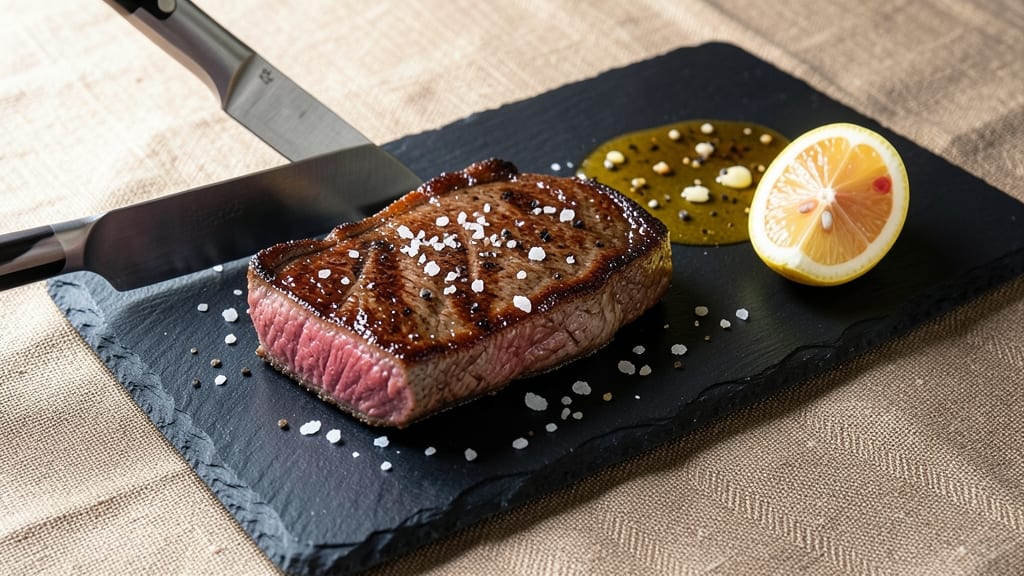
The perfect thin-cut sirloin steak recipe transforms tender beef into a restaurant-worthy dish with just a few key techniques. Reverse-searing ensures medium-rare precision while preserving juiciness in every bite. I've tested this method countless times—it never fails to deliver that ideal balance of crispy crust and tender interior.
What makes this recipe stand out is the controlled cooking process that works specifically for thin cuts. First, we gently warm the steak in the oven to bring it close to temperature, then finish with a quick sear in a screaming-hot pan.
This method guarantees consistent results without overcooking the delicate center. The secret lies in precise timing and temperature control.
By following these steps, you'll achieve a steak with a beautifully caramelized crust and perfect medium-rare doneness throughout. The reverse-sear technique eliminates guesswork, making it ideal for both beginners and experienced cooks. This method also works perfectly for quick weeknight dinners when you want restaurant-quality results.
Serve with classic sides like roasted potatoes, grilled asparagus, or a fresh salad to complete the meal. The steak's rich flavor pairs beautifully with these accompaniments. Let's get started on creating your perfect thin-cut sirloin steak.
Ingredients for thin cut sirloin steak
Four ingredients transform thin sirloin into a restaurant-quality masterpiece. Precision timing and simple techniques unlock perfect medium-rare every time.
| Ingredient | Amount | Notes |
|---|---|---|
| Thin-Cut Sirloin Steaks 🥩 | 1 ½ lb | Even thickness, 1/2 to 3/4 inch |
| Kosher Salt 🧂 | 1 tbsp | Diamond Crystal preferred |
| Freshly Ground Black Pepper 🌶️ | 1 tsp | Cracked peppercorns for best flavor |
| Extra-Virgin Olive Oil 🫒 | 2 tbsp | High smoke point preferred |
| Unsalted Butter 🧈 | 2 tbsp | Cold, cubed for basting |
| Garlic Cloves 🧄 | 4 cloves | Smashed, skin-on for flavor |
| Fresh Rosemary 🌿 | ¼ cup | Finely chopped, fresh only |
| Fresh Thyme Leaves 🌿 | ⅛ cup | Stripped from stems |
| Red Wine Vinegar 🍷 | 1 tbsp | For basting liquid |
| Vegetable Oil 🫒 | ¼ cup | For oven tray |
| Cornstarch 🌾 | 1 tbsp | For dusting steaks |
The steak cut is everything here—thin-cut sirloin (1/2 to 3/4 inch thick) cooks perfectly with this method. Whole Foods or your butcher's counter will have the best selection; look for even thickness and good marbling. If you can't find pre-cut, trim your own to consistent thickness. The Diamond Crystal kosher salt is non-negotiable—it dissolves perfectly and enhances flavor without overpowering. Freshly cracked peppercorns? Worth the extra 30 seconds for that restaurant-quality bite. I always buy mine in bulk from Penzeys—keeps forever and tastes fresher than pre-ground.
No extra-virgin olive oil? Avocado oil works just as well for high-heat searing. Butter substitutes? Ghee or clarified butter handle heat better than regular butter. Short on fresh herbs? Dried rosemary at one-third the amount gets you close, but fresh is absolutely essential for that bright aroma. The cornstarch is optional but creates a stunning crust—Trader Joe's sells it in bulk for pennies. For the garlic, smash the cloves with the flat side of your knife first—releases more flavor. And that red wine vinegar? It's the secret weapon for keeping the butter from burning while basting.
Steaks stay perfect for 2 days in the fridge if wrapped tightly in butcher paper (not plastic). For longer storage, vacuum-seal and freeze for up to 6 months. I always make a double batch—reverse-seared steaks reheat beautifully for quick lunches. The basting liquid? Strain and save it—great for drizzling over roasted veggies or tossing with pasta. And those herb stems? Don't toss them! Simmer in broth for a quick flavor boost.
Why You'll Love This Recipe
- The secret’s in the pan: sear those sirloins in olive oil until golden, then baste with butter until the edges turn crispy. That crispy edge with the creamy center? Chef’s kiss. My picky husband even stopped asking for his "special sauce."
- Five-Ingredient Magic: I swear, this recipe keeps it stupid simple—just steak, salt, pepper, oil, and butter. That’s it. No fancy marinades or last-minute grocery runs. Honestly, I’ve made it three times this month and never once felt like I was missing anything.
- Butter-Basted Perfection: The secret’s in the pan: sear those sirloins in olive oil until golden, then baste with butter until the edges turn crispy. That crispy edge with the creamy center? Chef’s kiss. My picky husband even stopped asking for his "special sauce."
- Weeknight or Date Night: Same recipe, different vibes. Toss it on the grill for summer BBQs or pan-sear it for a cozy Tuesday night. Between us, I’ve served it to friends who thought they were getting a fancy dinner—and they never knew how little effort it took.
Step-by-step instructions for reverse-seared thin-cut sirloin steaks
Master this technique and you'll achieve a perfectly medium-rare steak with a caramelized crust every single time.
Prepare the Steaks for Even Cooking
Remove the thin-cut sirloin steaks from the refrigerator and let them sit at room temperature for 30 minutes. This ensures even cooking throughout. Pat each steak dry with paper towels—moisture is the enemy of a good sear. Working quickly, dust both sides of each steak with the 1 tablespoon cornstarch using a fine-mesh strainer. This creates a dry, crisp crust that locks in juices.
While the steaks rest, combine the 0.25 cup fresh rosemary, 0.125 cup fresh thyme leaves, 4 smashed garlic cloves, and 1 tablespoon red wine vinegar in a small bowl. This aromatic blend will infuse the steaks with deep, herby flavor. Once mixed, transfer it to a small saucepan and warm over low heat for 2 minutes—just until fragrant. Remove from heat and set aside.
Low-and-Slow Oven Cook for Perfect Medium-Rare
Preheat your oven to 250°F—this low temperature ensures the steaks cook evenly without overcooking the exterior. Place a wire rack on a baking sheet and line it with parchment paper. Arrange the steaks on the rack, leaving 1 inch between each. Pour the 0.25 cup vegetable oil into the bottom of the pan to catch any drippings and prevent sticking.
Slide the baking sheet into the oven and cook the steaks for 20-25 minutes, depending on thickness. You're aiming for an internal temperature of 120°F for medium-rare. Use an instant-read thermometer to check—insert it horizontally into the thickest part of the steak, avoiding the bone. The steak should feel slightly springy when pressed gently with your finger. Remove the steaks from the oven and let them rest on a cutting board for 5 minutes—this allows the juices to redistribute.
High-Heat Sear for a Crispy Crust
While the steaks rest, heat a large cast-iron skillet over high heat until it's screaming hot. Add the 2 tablespoons extra-virgin olive oil and 2 tablespoons unsalted butter (cold and cubed). Let the butter foam and melt, then add the warmed rosemary-thyme-garlic mixture. Toss the skillet to coat everything in the fragrant oil.
Working in batches if needed, place the steaks in the skillet and sear for 1 minute per side until deeply golden brown. Press down gently on the steaks during the first minute—this prevents them from curling and ensures even contact with the pan. The butter should bubble and sizzle, creating a rich, aromatic crust. Remove the steaks to a warm plate and tent loosely with foil to keep them warm.
Season and Serve Immediately
Sprinkle the steaks generously with the 1 tablespoon kosher salt and 1 teaspoon freshly ground black pepper, pressing it into the surface so it adheres. Let them rest for an additional 2-3 minutes before slicing—this ensures the juices stay inside the meat. Using a sharp carving knife, slice the steaks against the grain into ½-inch thick pieces for maximum tenderness.
Serve immediately with the pan sauce (deglaze the skillet with a splash of water if desired) and any remaining rosemary-thyme mixture. The result is a steak with a perfectly medium-rare center, a caramelized crust, and layers of herbaceous flavor. Each bite delivers juicy tenderness with a burst of aromatic crust—this is how thin-cut sirloin should be prepared.
Pro Tips For Making Thin Cut Sirloin Steak
- Preheat Pan Like It’s 1985: Thin-cut sirloin needs a screaming-hot pan from the start—no lukewarm nonsense. Walk away for 5 minutes after lighting the burner; the oil should shimmer like it’s about to catch fire. I learned this the hard way when my steaks turned into sad, gray hockey pucks.
- Salt Before Oil: Season the steaks generously with kosher salt and pepper at least 30 minutes before cooking—yes, even if you’re impatient. This lets the salt work its magic, and the crust forms better when the meat isn’t still wet from the fridge. (I know, I know, but trust the process.)
- Butter Last, Not First: Add the unsalted butter after searing the steaks—when the pan’s already got that deep brown crust. Tilt the pan, let that butter foam and coat the meat for 10 seconds, then flip. This gives you flavor without turning your steaks into a greasy mess. (Your future self will thank you.)
- Crowd-Free Flip: Resist the urge to stack steaks in the pan—give them space to sizzle freely. I used to cram them in like sardines, and they’d steam instead of sear. Cook in batches if needed; the extra 2 minutes saves you from rubbery, uneven results.
Essential equipment for this dish
Cast-Iron Skillet
Your cast-iron skillet is the workhorse of this recipe—it retains heat like nothing else and creates that perfect crust. I swear by a Lodge 10.25-inch Pre-Seasoned Skillet—it's pre-seasoned right out of the box and develops an even better crust with each use.
If you're starting from scratch, season your skillet thoroughly before using it for this recipe. Heat it empty over medium-high for 10 minutes, then rub with flaxseed oil and re-heat to build layers of seasoning. 🔥
Instant-Read Thermometer
An instant-read thermometer is non-negotiable for thin-cut steaks—you're aiming for precise temperatures without overcooking. The ThermoWorks ThermoPop is my go-to because it's fast, accurate, and has a backlight for easy reading. Insert it horizontally into the thickest part of the steak to get an accurate reading.
For reverse-searing, you'll check twice: once during the oven phase (120°F) and again after searing (130-135°F for medium-rare).
Wire Rack & Baking Sheet
Cooking steaks on a wire rack instead of directly on the sheet pan ensures even heat circulation and prevents soggy bottoms. I use a stainless steel wire rack that fits standard baking sheets. Place it directly on the sheet pan lined with parchment paper for easy cleanup.
The 0.25 cup vegetable oil in the pan also helps catch drippings and prevents sticking—don't skip this step! The rack elevates the steaks, allowing heat to circulate underneath for more even cooking. ⚡
Fine-Mesh Strainer
Dusting your steaks with cornstarch creates that crisp crust, but you need a fine-mesh strainer to distribute it evenly. A stainless steel strainer with small holes (like a OXO Good Grips) works perfectly.
Shake the strainer gently over the steaks to create an even, thin layer—this is key for that restaurant-quality texture. I like to hold the strainer about 4 inches above the steaks and give it a few quick shakes per side.
The cornstarch will cling to the dry surface, setting up for that perfect crust during searing.
Sharp Carving Knife
A sharp carving knife is essential for slicing against the grain without tearing the meat. I recommend a Dexter-Russell 8-inch or Wüsthof Classic—both have the right balance of length and sharpness. A dull knife will crush the fibers, making your steak tough.
To maintain sharpness, I hone my knife with a Whetstone every few uses. Always slice at a 45-degree angle to create clean cuts, then rock the knife through the meat against the grain for maximum tenderness. 💪
Optional: Meat Tenderizer
If you're working with particularly tough thin-cut sirloin, a meat tenderizer can help break down fibers for extra tenderness. I like the OXO Good Grips Meat Mallet—it's lightweight and does the job without overworking the meat. Gently pound the steaks 3-4 times per side before seasoning.
This step is especially helpful if you're using steaks with less marbling or if you prefer your steaks more tender. Just don't overdo it—you don't want to turn the steak into a mushy mess!
Nutrition facts
Frequently asked questions
Why does this recipe use reverse-searing for thin-cut sirloin?
Thin cuts like sirloin cook faster and lose moisture easily, making traditional high-heat searing risky. The reverse-sear method gently warms the center first, then creates a perfect crust—ideal for 1/2 to 3/4-inch thick steaks. This ensures medium-rare doneness without overcooking the delicate exterior.
Can I substitute butter in the searing step?
Yes! Use ghee or clarified butter instead—they have higher smoke points and won't burn as easily. For a dairy-free option, try avocado oil or duck fat. Just maintain the same quantity (2 tablespoons) to achieve that rich, aromatic crust.
How do I adjust cooking time for thicker/thinner steaks?
For 1/4-inch thick steaks, reduce oven time to 12-15 minutes (target 120°F internal). For 1-inch thick steaks, increase to 30-35 minutes. Always check with an instant-read thermometer—thin cuts cook faster than you'd expect!
What if my steak comes out dry?
Overcooking is the #1 cause of dry steak. For thin cuts, 120°F internal before searing is ideal. If it's still dry after searing, try marinating the steaks for 1-2 hours in olive oil, garlic, and rosemary before cooking. Never skip the 5-minute rest—this lets juices redistribute.
Can I make this recipe on the grill instead?
Preheat your grill to 200°F for the low-and-slow phase, then crank to high heat for searing. Use indirect heat for the first 15-20 minutes (move steaks away from flames), then sear directly over coals for 1 minute per side. The cornstarch crust works especially well on grill grates for extra crispiness.