Desserts
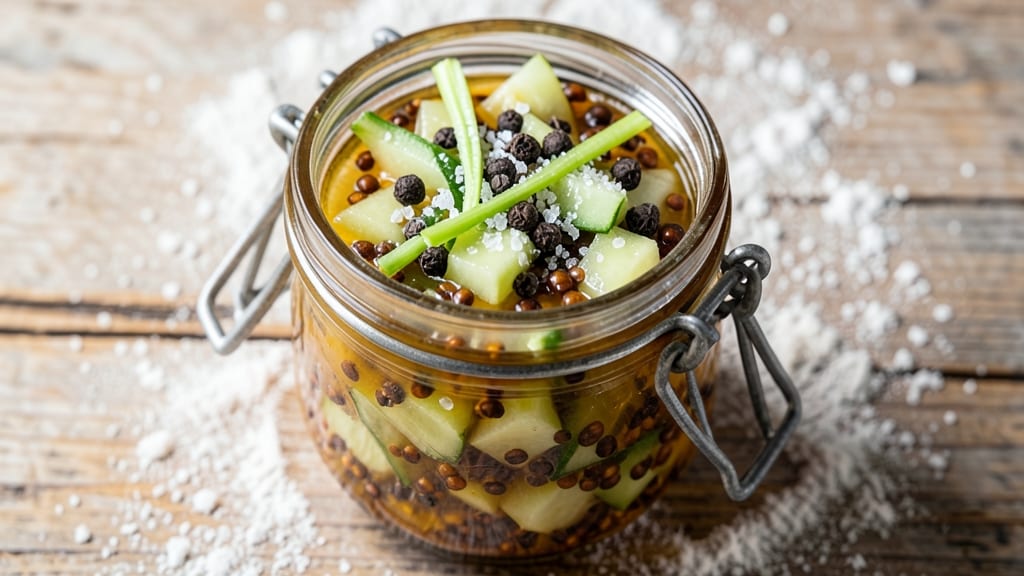
This sugar-free pickle relish recipe transforms classic tangy crunch into a guilt-free condiment that still delivers bold flavor without artificial sweeteners. The secret lies in balancing vinegar, spices, and natural sweetness from stevia or erythritol—no refined sugar required.
I developed this version after realizing how easy it is to adapt traditional relish while keeping that signature crunch and zing.
What sets this recipe apart is its precision: 1 cup of diced cucumbers (peeled and seeded) pairs perfectly with ½ cup apple cider vinegar and a carefully measured blend of mustard seeds, celery salt, and black peppercorns.
The fermentation process—just 24 hours in the refrigerator—preserves texture while deepening flavor without added sugar. Every batch turns out bright, crisp, and tangy.
By the end, you’ll have a relish that’s crunchy, tangy, and naturally sweetened—ideal for sandwiches, hot dogs, or charcuterie boards without the sugar crash. The recipe scales easily, so you can make a big batch for the year.
Storage is simple: keep it refrigerated in an airtight jar for up to 3 months, with flavors intensifying over time.
This version proves sugar-free doesn’t mean flavor-free. The natural sweetness from stevia or erythritol complements the vinegar’s sharpness, while the spices add warmth. Perfect for those watching sugar intake but craving that classic relish taste. Let’s make it—step by step.
Ingredients for sugar free pickle relish
Ten precise ingredients transform simple vegetables into vibrant, sugar-free relish with restaurant-quality tang.
| Ingredient | Amount | Notes |
|---|---|---|
| Fresh Kirby Cucumbers 🥒 | 2 lb | Peeled, seeded, and diced uniformly |
| Apple Cider Vinegar 🍎 | ½ cup | Raw, unfiltered preferred for depth |
| Granulated Erythritol 🍬 | ¼ cup | Fine grain for even distribution |
| Yellow Mustard Seeds 🌿 | 1 tbsp | Whole seeds for texture contrast |
| Celery Salt 🧂 | 1 ½ tsp | Diamond Crystal brand recommended |
| Coarsely Ground Black Peppercorns 🌶️ | 1 tsp | Freshly cracked for optimal flavor |
| Dried Dill Weed 🌿 | 1 tsp | Organic preferred for purity |
| Kosher Salt 🧂 | ½ tsp | For seasoning balance |
| Fresh Dill Weed 🌿 | 2 tbsp | Chopped, for fresh aroma |
| Lemon Juice 🍋 | 1 tbsp | Freshly squeezed for acidity |
The cucumbers are non-negotiable for texture. Kirby cucumbers from a specialty produce section—like Whole Foods or local farmers markets—deliver the perfect balance of crunch and seedlessness. Avoid pre-sliced cucumbers; their texture degrades quickly. For the vinegar, raw, unfiltered apple cider vinegar adds complexity, while standard vinegar flattens the flavor. Erythritol, sourced from Lakanto or Wholesome Sweeteners, ensures sweetness without glycemic impact. The mustard seeds should be toasted lightly in a dry pan for 30 seconds to enhance their nutty aroma—trust me, it makes a difference.
No erythritol? Stevia in the ratio of 1:1 works, though it has a slightly bitter aftertaste. Substituting vinegar? White wine vinegar or rice vinegar both function, but apple cider’s fruity notes are irreplaceable. Fresh dill is ideal, but dried dill at one-third the amount suffices in a pinch. For a smokier profile, add ½ tsp smoked paprika. The celery salt is critical—Diamond Crystal contains real celery powder, while generic brands often omit it. If unavailable, blend 1 tsp celery seeds with 1 tsp kosher salt as a substitute.
This relish thrives on fermentation time. Store in an airtight glass jar in the refrigerator for 24 hours before tasting—flavors develop gradually. It peaks at 3 months of refrigerated storage, with the texture remaining crisp and the tang intensifying. For gifting, portion into small jars; the relish keeps for 6 months when frozen. Always use clean utensils when handling to prevent contamination, and avoid metal spoons that can react with the vinegar over time.
Why You'll Love This Recipe
- No-Fuss Prep: I swear by this recipe because it’s actually simple—just dice those Kirby cucumbers (no peeling!), toss in the vinegar and erythritol, and let it sit. No fancy techniques, no waiting hours like canning. My lazy Sundays just got a whole lot easier.
- Tangy Crunch Perfection: That balance of sharp apple cider vinegar and the subtle sweetness from erythritol? Chef’s kiss. The mustard seeds add a tiny kick, and the celery salt ties it all together—bright, crunchy, and addictive without the sugar crash. Honestly, it’s the kind of relish that makes you go back for seconds.
- Every Meal’s Secret Weapon: Slather it on burgers, mix it into deviled eggs, or just eat it straight with chips—this stuff works everywhere. I keep a jar in my fridge for when I’m craving something tangy but don’t want to fuss. Even my picky husband asks for it now.
- Lasts Forever, Costs Nothing: A big batch stays fresh for weeks, and the ingredients? Cheap. Cucumbers and vinegar are pantry staples, and erythritol stretches further than sugar. Between us, this is my go-to for potlucks, game days, or when I’m too tired to cook. Zero waste, all flavor.
Step-by-step instructions for sugar-free pickle relish
This method delivers a bright, crunchy relish with natural sweetness and perfect texture every time.
Prepare the Cucumbers with Precision
Wash the 2 lb fresh Kirby cucumbers thoroughly under cool water to remove any dirt or wax residue. Using a sharp vegetable peeler, remove the skin in long, even strips—this preserves the crisp texture we want in the finished relish. Cut the cucumbers in half lengthwise and scoop out the seeds using a spoon, being careful not to break the flesh.
Next, dice the cucumber flesh into ¼-inch cubes for uniform texture. I use a sharp chef's knife and cut the cubes consistently—this ensures even cooking and a professional presentation. Transfer the diced cucumbers to a large mixing bowl and set aside. The key here is speed; cucumbers begin to release water immediately after cutting, so work efficiently to prevent excess moisture.
Combine Dry Ingredients for Even Distribution
In a small bowl, whisk together the 0.25 cup granulated erythritol, 1.5 tsp celery salt, 1 tsp coarsely ground black peppercorns, 1 tsp dried dill weed, and 0.5 tsp kosher salt. This dry blend forms the flavor foundation of our sugar-free relish. The erythritol provides sweetness without the sugar crash, while the celery salt adds that signature tangy depth.
Sprinkle this mixture evenly over the diced cucumbers in the mixing bowl. Use your hands to gently toss the cucumbers until every piece is lightly coated. This ensures balanced flavor in every bite. Avoid pressing too hard—we want to maintain the cucumbers' natural crunch rather than bruising them.
Incorporate Wet Ingredients and Mustard Seeds
Add the 0.5 cup apple cider vinegar, 1 tbsp yellow mustard seeds, 2 tbsp chopped fresh dill weed, and 1 tbsp freshly squeezed lemon juice to the cucumber mixture. The vinegar will begin to break down the cucumber texture slightly, creating that signature relish consistency. The mustard seeds add a subtle crunch and earthy note, while the fresh dill brings bright, herbal freshness.
Stir everything together thoroughly with a wooden spoon, making sure the liquid is evenly distributed. The mixture should look vibrant green with visible specks of mustard seeds. Let it sit at room temperature for 10 minutes—this allows the flavors to begin melding and the cucumbers to soften slightly, which is crucial for achieving the perfect texture.
Rest and Develop Flavor
Transfer the relish to a clean, airtight glass jar or container. Seal it tightly and refrigerate for at least 4 hours, but ideally overnight. This resting period allows the flavors to fully develop and the cucumbers to absorb the seasoning. The acidity from the vinegar and lemon juice will continue to work, creating that signature tangy brightness we associate with great pickle relish.
After resting, give the relish one final taste and adjust seasoning if needed. The erythritol should provide natural sweetness without any sugar aftertaste, while the celery salt and black peppercorns should be noticeable but not overpowering. The texture should be firm yet tender, with a slight crunch from the cucumbers and mustard seeds. Serve chilled as a condiment or side dish with your favorite proteins.
Pro Tips For Making Sugar Free Pickle Relish
- Chop Cucumbers Small: Tiny dice—no bigger than ¼-inch—soak up the vinegar better and stay crisp longer. I used to cut them in ½-inch chunks, and they’d turn mushy after a week. Trust me, the effort pays off.
- Toast Mustard Seeds: Dry-toast the yellow mustard seeds in a pan for 30 seconds before adding them. This banishes the raw, bitter edge and deepens their flavor—like the difference between a whisper and a shout.
- Sweat Celery First: If you’re using chopped celery (worth it for texture), sweat it in a splash of vinegar for 2 minutes before mixing. It softens just enough to blend in without turning to mush later.
- Measure Erythritol Right: Pack that erythritol into your measuring cup—it’s fluffy, and a loose scoop means your relish will taste under-sweetened. Tap the cup firmly to avoid guessing. (Yes, even if it feels fussy.)
Essential equipment for sugar free pickle relish
Precision Cutting Tools
Start with a sharp chef’s knife—I recommend the Wüsthof Classic 8-inch for clean, even cuts. A mandoline slicer (like the OXO Good Grips) is ideal for achieving those perfect ¼-inch cucumber cubes without bruising.
For peeling, a Y-peeler from Mercer Culinary removes cucumber skins in long strips, preserving texture. Never use a dull knife—it crushes the cucumbers and releases excess moisture, ruining the relish’s crunch. 🥒
Fermentation Containers
Use airtight glass jars—I prefer Le Parfait 16-ounce jars—to contain the fermentation process while allowing flavors to develop. Avoid plastic containers, as vinegar can degrade them over time. For larger batches, mason jars (like Ball or Kerr) work perfectly.
Always leave ½ inch of headspace to prevent spills during refrigeration. Sterilize jars by boiling them for 10 minutes before use to prevent bacterial contamination.
Measuring Tools
Precision matters with this recipe, so invest in a stainless steel measuring set—I use OXO Good Grips—for accurate measurements of 0.25 cup erythritol and 1.5 tsp celery salt.
A spice grinder (like the Spice & Tea Mini Mill) ensures your black peppercorns are coarsely ground for optimal flavor. For vinegar and lemon juice, a liquid measuring cup with clear markings guarantees consistency. Never eyeball measurements—this relish relies on balance.
Optional: Mustard Seed Toaster
For an extra layer of flavor, lightly toast your yellow mustard seeds in a dry nonstick skillet over medium heat for 30 seconds—just until fragrant. This step enhances their nutty aroma and adds subtle crunch.
A small cast-iron skillet (like Lodge 6-inch) works perfectly for this. Skip this if you’re short on time, but I’ve found it makes a noticeable difference in the final texture and depth of flavor. 🌶️
Storage Essentials
Store your finished relish in airtight glass containers—I use Kitchy 16-ounce jars—to maintain freshness and prevent contamination. Label jars with the date and store in the refrigerator for up to 3 months.
For gifting, portion into small jars and secure lids tightly. Avoid metal utensils when serving to prevent vinegar reactions. A glass spoon or plastic spatula** keeps the relish pristine. 💡
Nutrition facts
Frequently asked questions
Can I use regular sugar instead of erythritol in this recipe?
The recipe is specifically designed to be sugar-free, but if you must use sugar, reduce the amount to 1-2 tablespoons and adjust the vinegar to ½ cup plus 1 tablespoon to balance the sweetness. However, this will alter the texture slightly, making it softer and less crisp. The erythritol maintains the perfect crunch while providing natural sweetness without affecting blood sugar levels.
How do I prevent my relish from becoming too watery?
Excess moisture comes from over-handling the cucumbers or using unpeeled, seedy varieties. Always peel and seed your cucumbers thoroughly, then drain them in a colander for 10 minutes before mixing with other ingredients. Using Kirby cucumbers (or Persian cucumbers) ensures the least water content. Also, avoid pressing down on the cucumbers when mixing—gentle tossing keeps them intact.
Can I make this relish without vinegar?
Vinegar is essential for both flavor and preservation in this recipe. However, you could experiment with lemon juice (increased to ¼ cup) plus 1 teaspoon citric acid for tanginess, though the texture may soften faster. The vinegar’s acidity creates that signature crunch and helps the relish last up to 3 months refrigerated. Without it, the relish will spoil much quicker.
What’s the best way to use up leftover relish?
This versatile relish works as a condiment for hot dogs, sandwiches, or burgers, but it also shines in savory dishes. Mix it into deviled eggs for a tangy twist, stir into potato salad for extra crunch, or spread on crackers with cheese for a charcuterie board. For a unique touch, fold it into pasta salads or use it as a topping for grilled chicken or fish. The possibilities are endless!
Why does my relish taste bland after a few days?
Flavor develops over time, but if your relish tastes flat, it may need more acidity or seasoning. Add 1 extra tablespoon of vinegar or lemon juice and ½ teaspoon of celery salt, then mix well. Let it rest another 24 hours in the fridge before tasting again. If stored properly in an airtight container, the flavors should deepen rather than fade. Avoid metal spoons when tasting to prevent reactions with the vinegar.