Main Courses
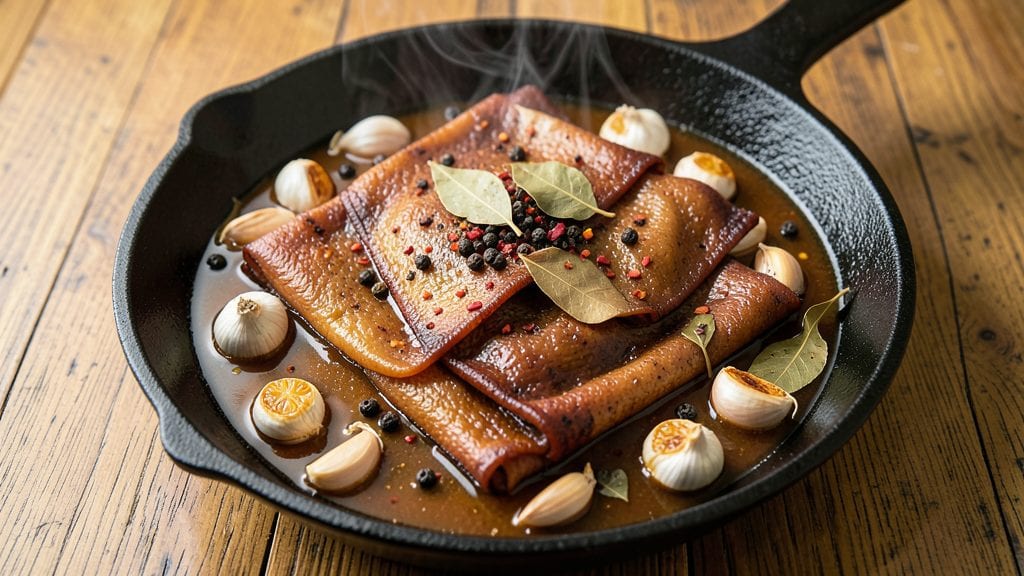
This Southern tripe recipe transforms tough, chewy tripe into tender, zesty bites that taste like a taste of tradition. I first learned this method from my grandmother, who swore by the vinegar soak to break down the fibers and infuse bold Southern flavor.
The process might seem daunting, but once you master it, you'll have a dish that's rich in history and even richer in taste.
The key to success lies in the spiced vinegar soak, which tenderizes the tripe while adding layers of tangy depth. After soaking overnight, the tripe is simmered gently to preserve its texture, then browned in a hot pan to develop a crisp exterior.
This method ensures every bite is tender and packed with flavor—no more worrying about tough, rubbery tripe. The result is a dish that’s hearty enough for a family dinner but simple enough for a weeknight meal.
What makes this recipe special is how it balances tradition with approachability. While tripe might seem intimidating, the vinegar soak and careful cooking transform it into something restaurant-quality at home. The dish pairs beautifully with cornbread, collard greens, or a simple side salad, making it a complete meal.
Once you try this, you’ll understand why Southern kitchens have relied on tripe for generations.
This recipe isn’t just about the food—it’s about the process, the patience, and the love that goes into every step. Whether you’re cooking for family or just treating yourself, the satisfaction of serving up a dish this tender and flavorful is unmatched. Let’s get started on this classic Southern tradition.
Ingredients for southern tripe
Fourteen ingredients to transform tough tripe into tender Southern bites of tradition.
| Ingredient | Amount | Notes |
|---|---|---|
| Tripe 🍖 | 1 ½ lb | Fresh or frozen, cut into strips |
| White Vinegar 🍶 | 4 cups | For overnight soak |
| Bay Leaves 🌿 | 2 whole | Fresh or dried |
| Black Peppercorns 🌶️ | 1 tbsp | Crushed for spice |
| Ground Black Pepper 🌶️ | 1 tsp | Freshly cracked preferred |
| Garlic Cloves 🧄 | 6 cloves | Smashed, not minced |
| Yellow Onion 🧅 | 1 whole | Large, sliced into rings |
| Celery Stalks 🥬 | 3 whole | Cut into 1-inch pieces |
| Butter 🧈 | 4 tbsp | Unsalted, for browning |
| Flour 🌾 | 2 tbsp | All-purpose, for dredging |
| Salt 🧂 | 1 ½ tsp | Kosher or sea salt |
| Red Pepper Flakes 🔥 | ½ tsp | Optional, for heat |
| Water 💧 | 6 cups | For simmering |
The tripe is the star here—fresh is best but frozen works if you're in a pinch. Look for bright white, not yellowed or slimy—that's your quality check. Most butcher shops or Latin markets carry it, and Costco often has it pre-cut in bulk. If you're buying whole sheets, ask for them to be cut into 1-inch strips before you leave. The vinegar soak is non-negotiable—it's what breaks down those tough fibers into tender bites. I always double-check my vinegar is white, not apple cider or malt—the acidity matters for tenderizing. Grab a few extra bay leaves too; they add that subtle, earthy depth that makes this taste authentically Southern.
No fresh bay leaves? Dried work at half the amount, but fresh is ideal. Short on garlic? Four cloves still works, just smash them harder. The onion and celery are your flavor base—don't skip them, even if you're in a hurry. For the butter, salted or unsalted both work, but unsalted gives you better control over seasoning. The flour is just for dredging—all-purpose is fine, but if you've got cornmeal, that adds a nice Southern twist. The water should be room temperature for simmering, not boiling hot. And if you're feeling spicy, add that red pepper flakes at the end—trust me on the full-fat version when browning the tripe.
This dish tastes even better the next day—honestly, it's worth making ahead. Store the cooked tripe in its broth in the fridge for up to 4 days, or freeze for 3 months. I like to portion it into containers with a little extra broth so it reheats beautifully. The vinegar-soaked tripe keeps raw in the fridge for up to 2 days before cooking, but I always soak it overnight for maximum tenderness. If you're prepping for a crowd, double the recipe—it reheats just as well the second time around.
Why You'll Love This Recipe
- Two-Ingredient Prep: The vinegar bath does all the heavy lifting—just soak, simmer, and serve. No fancy knife skills or last-minute shopping runs here.
- Tangy-Spiced Magic: That white vinegar soak? It tenderizes the tripe and leaves behind this bright, peppery kick—like a cross between a hearty stew and a bold broth.
- Weeknight Workhorse: Make a big batch on Sunday, and you’ve got lunch for days. My husband’s a picky eater, but he’ll clear his plate when it’s simmered with those bay leaves and peppercorns.
- Budget-Friendly Protein: Tripe’s the ultimate stretch—this recipe feeds four for under $10, and leftovers taste even better the next day. Honestly, my wallet thanks me every time.
Step-by-step instructions for Southern tripe
Here's how to transform tough tripe into tender, zesty bites with a perfect vinegar-soaked crunch.
Soak the Tripe Overnight in Spiced Vinegar
Place the 1.5 lb tripe in a large bowl and cover completely with the 4 cups white vinegar. Add the 2 whole bay leaves, 1 tbsp crushed black peppercorns, 1 tsp ground black pepper, 0.5 tsp red pepper flakes, and the 1.5 tsp salt. The vinegar should fully submerge the tripe—if not, add a splash of water to cover.
Refrigerate uncovered for at least 12 hours, turning the tripe every 4 hours. This acid bath breaks down the tough fibers, making them tender. You'll notice the liquid turns cloudy and the tripe becomes noticeably softer when you press it with your fingers. This step is non-negotiable for achieving that signature Southern tenderness.
Sauté Aromatics and Brown the Tripe
Drain the tripe thoroughly and pat dry with paper towels. In a large Dutch oven, melt the 4 tbsp butter over medium heat. Add the 6 smashed garlic cloves, 1 whole yellow onion sliced into rings, and 3 whole celery stalks cut into 1-inch pieces. Cook for 8-10 minutes until the vegetables soften and the garlic becomes fragrant.
Remove the vegetables and set aside. Increase heat to medium-high and add the drained tripe in a single layer. Cook undisturbed for 3-4 minutes until golden brown on one side. Flip carefully and cook another 3-4 minutes until evenly browned. The tripe should develop a nice crust—this is where all the flavor happens. If it sticks, don't panic—just add a splash of water and scrape the browned bits from the bottom.
Create the Flour Slurry and Simmer
In a small bowl, whisk together the 2 tbsp flour and 1 cup of the 6 cups water until smooth. Return the cooked tripe and vegetables to the Dutch oven. Pour in the flour slurry and stir gently to combine. Add the remaining 5 cups water and bring to a gentle boil.
Reduce heat to low and simmer uncovered for 2-2.5 hours, stirring occasionally. The tripe is done when it's fork-tender and the liquid has reduced to a rich, flavorful broth. You'll know it's ready when you can easily pierce a piece with a fork and it holds its shape. If the sauce gets too thin, simmer uncovered to thicken it slightly—this concentrated flavor is what makes Southern tripe special.
Rest and Serve
Remove the tripe from the heat and let it rest for 10 minutes. This resting period allows the juices to redistribute, ensuring each bite is moist and flavorful. Serve the tripe hot with the rich broth spooned over the top. The combination of tender tripe, aromatic vegetables, and tangy vinegar makes this dish unforgettable.
For best results, serve immediately with crusty bread to soak up all that delicious broth. The tripe should be tender enough to cut with a fork but still hold its shape. Each bite should deliver a perfect balance of vinegary tang, savory depth, and satisfying texture—this is what makes Southern tripe so beloved.
Pro Tips For Making Southern Tripe
- SOAK LONGER THAN YOU THINK: Tripe’s stubborn—don’t skimp on the vinegar soak. At least 4 hours, preferably overnight, or you’ll fight chewiness the whole way. I used to rush it, and the texture stayed tough no matter how long I boiled it later.
- SCRUB THE TRIPE LIKE IT’S YOUR LAST CHORE: That gunk won’t come off with a quick rinse. Use a stiff brush or non-slip gloves and work in cold water—hot water just makes the grime cling harder. Your hands might hate you, but the dish won’t.
- DON’T BOIL IT TOO FAST: Start tripe in cold water with vinegar, then bring to a gentle simmer. A rolling boil makes it rubbery. I learned this after three batches where the texture was more shoe leather than Southern comfort food.
- SPICE IT LAST, NOT FIRST: Add whole peppercorns and bay leaves after the tripe’s tender. If you toss them in early, the bay leaves turn to mush and the peppercorns lose their punch. Save the ground pepper for the very end—it’s the flavor bomb that ties everything together.
Best sauces and condiments for these flavors
Classic Vinegar Sauce
The star of this dish is the spiced vinegar soak—it’s what transforms tough tripe into tender, zesty bites. I use 4 cups white vinegar with 2 bay leaves, 1 tbsp crushed black peppercorns, and 1 tsp ground black pepper for that signature tangy kick.
The vinegar breaks down the fibers while infusing the tripe with bold Southern flavor. After soaking overnight, the tripe absorbs the spices like a sponge, giving it that unmistakable depth. 🌶️
Don’t skip the overnight soak—this is non-negotiable for tenderness. I’ve tried rushing it, and the tripe just doesn’t hold up. The longer it soaks, the better it gets.
When you’re ready to cook, drain the tripe thoroughly and pat it dry before browning. The residual vinegar will help create that perfect crust in the pan.
Buttery Garlic Broth
After browning the tripe, I build the sauce with 4 tbsp butter, 6 smashed garlic cloves, and a base of onion and celery. This trio creates a rich, aromatic broth that complements the vinegar’s tang.
The butter adds a velvety finish, while the garlic and vegetables deepen the flavor profile. For extra richness, I sometimes add a splash of beef broth instead of water when simmering. 🧄
Simmering the tripe for 2-2.5 hours lets the flavors meld together beautifully. The broth should reduce to a thick, glossy consistency—this is where the magic happens. If it gets too thin, just simmer uncovered to concentrate the flavors.
The result is a dish that’s both hearty and elegant, perfect for any Southern meal.
Flour Slurry Finish
To thicken the sauce, I whisk 2 tbsp flour with 1 cup water to create a smooth slurry. Stirring this into the simmering tripe and broth binds everything together, creating a cohesive, flavorful sauce.
The flour acts as a natural thickener without overpowering the dish. This step is simple but essential for that restaurant-quality finish. 🌾
For an extra layer of flavor, I like to finish the dish with a pinch of red pepper flakes or a sprinkle of fresh parsley. The heat from the flakes cuts through the richness, while the parsley adds a bright, fresh note.
Serve the tripe with the broth spooned over the top—every bite should be tender, tangy, and full of Southern charm.
Spicy Kick Options
If you love heat, add ½ tsp cayenne pepper or 1 tsp hot sauce to the vinegar soak. The vinegar helps mellow the heat while still delivering a nice kick.
For a smoky twist, I’ve also experimented with adding ½ tsp smoked paprika to the flour slurry. Both options elevate the dish without overpowering it. 🔥
For a sweeter contrast, a drizzle of honey or a sprinkle of brown sugar at the end balances the tang. This works especially well if you’re serving the tripe with cornbread or a sweet potato side.
The sweetness rounds out the flavors and makes the dish even more approachable for guests who might be hesitant about tripe.
Nutrition facts
Frequently asked questions
Why does Southern tripe need to soak in vinegar overnight?
The vinegar soak is essential for breaking down the tough collagen fibers in tripe, transforming it into tender bites. The acidity of the vinegar, combined with spices like black pepper and bay leaves, infuses flavor while tenderizing the meat. Skipping this step results in chewy, rubbery tripe—this process is what makes Southern tripe restaurant-quality.
Can I use apple cider vinegar instead of white vinegar?
While apple cider vinegar works, white vinegar is preferred for its higher acidity, which tenderizes the tripe more effectively. If you only have apple cider vinegar, use 4.5 cups instead of 4 cups to compensate for the lower acidity. The flavor will be slightly sweeter, but the texture will still improve.
What if my tripe still feels tough after cooking?
If the tripe remains chewy, it likely didn’t soak long enough or wasn’t drained properly. Extend the soak to 24 hours next time, and ensure you pat it completely dry before browning. For extra tenderness, simmer the tripe for an additional 30 minutes after the initial 2-2.5 hours. The key is patience—this dish rewards thorough preparation.
How can I make this recipe vegetarian?
While tripe is an animal product, you can recreate a similar texture and tangy flavor using shitake mushrooms or firm tofu cut into strips. Soak them in the spiced vinegar mixture for 4-6 hours (not overnight), then proceed with the browning and simmering steps. The result won’t be identical, but it captures the essence of the dish’s bold flavors.
What’s the best way to reheat leftover Southern tripe?
Reheat leftovers in a skillet with a splash of water or broth over medium-low heat until warmed through. Avoid microwaving, as it can make the tripe rubbery. For best results, store the tripe in its broth in an airtight container and reheat gently to preserve texture. This dish tastes even better the next day!