Sauces & Condiments
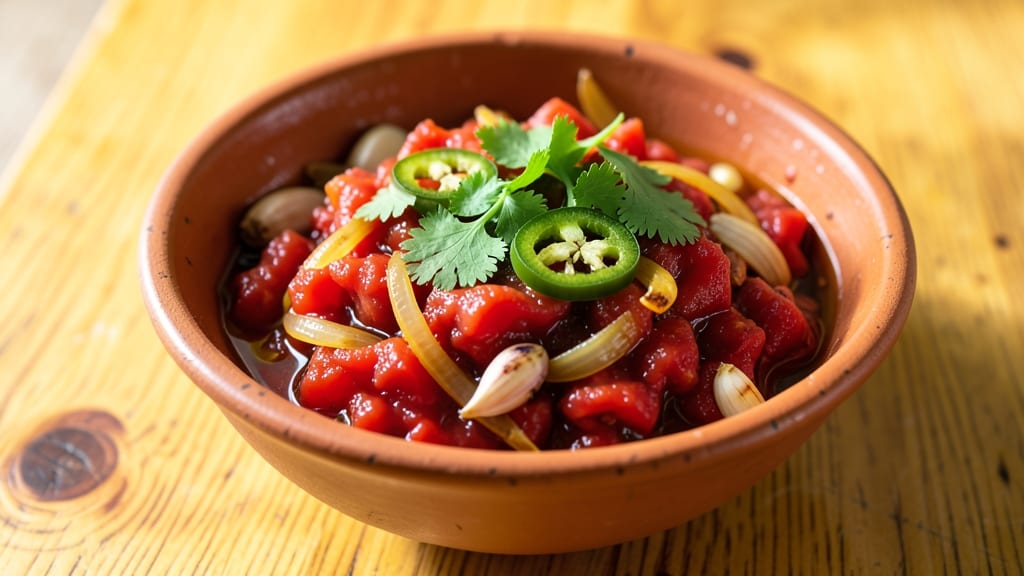
This salsa recipe made with canned tomatoes transforms pantry staples into vibrant, restaurant-quality flavor in just 10 minutes—no fresh tomatoes required. Standing on a step stool in my grandmother’s kitchen in Sicily, I learned how simple ingredients, when combined with technique, create bold flavors that elevate any dish.
The secret lies in balancing acidity, heat, and fresh herbs to deliver a salsa that’s versatile enough for dipping, topping tacos, or simmering into stews.
The beauty of this recipe is its foolproof simplicity: canned tomatoes form the base, while onions, garlic, and vinegar build depth, and cilantro or parsley add brightness. A quick simmer reduces the salsa to perfect consistency, concentrating flavors without overcooking.
What you’ll end up with is a versatile, bold sauce that’s tangy, fresh, and packed with layers of flavor—ready to transform your favorite meals in minutes.
This salsa holds up beautifully in the fridge for up to 5 days, making it ideal for meal prep or batch cooking. The acidity from vinegar and tomatoes preserves freshness while keeping the texture vibrant.
Whether you’re serving it with chips, drizzling over grilled meats, or using it as a marinade, this recipe delivers restaurant-quality results with minimal effort.
For extra depth, roast the onions and garlic before blending—this caramelizes their natural sweetness, adding a smoky richness that takes the salsa to the next level. Adjust the heat to your preference by adding more jalapeños or a pinch of cayenne.
The possibilities are endless, but the foundation remains the same: bold flavor, pantry-friendly ingredients, and effortless execution.
Ingredients for salsa recipe made with canned tomatoes
Pantry staples meet bold Sicilian technique—just ten ingredients for vibrant, restaurant-quality salsa.
| Ingredient | Amount | Notes |
|---|---|---|
| Canned San Marzano Tomatoes 🍅 | 1 can | 28 oz can, crushed by hand |
| Yellow Onion 🧅 | 1 whole | Medium, roughly chopped |
| Garlic Cloves 🧄 | 4 cloves | Fresh, minced or pressed |
| White Vinegar 💧 | ¼ cup | Distilled or apple cider |
| Fresh Cilantro 🌿 | ½ cup | Stems removed, chopped |
| Jalapeño Pepper 🌶️ | 1 whole | Seeds removed for mild heat |
| Extra-Virgin Olive Oil 🫒 | ¼ cup | High-quality, fruity variety |
| Salt 🧂 | 1 tsp | Diamond Crystal kosher |
| Black Pepper 🌶️ | ¼ tsp | Freshly ground preferred |
| Lime Juice 🍋 | 2 tbsp | Freshly squeezed |
San Marzano tomatoes are the secret weapon here—their sweet, meaty texture stands up to the acidity. Grab a 28-oz can from the Italian aisle at Whole Foods or Trader Joe's for the best quality. The onions and garlic? Roast them first for that caramelized depth—toss them on a baking sheet at 400°F for 20 minutes until golden. Fresh cilantro is non-negotiable for that bright finish, but if you're out, parsley works in a pinch. The jalapeño can be adjusted—keep seeds for heat, remove them for mildness.
No fresh herbs? Dried cilantro at one-third the amount adds minimal flavor, but parsley is a better swap. Vinegar substitutes? Lemon juice or white wine both work—just taste as you go. Running low on San Marzano? Any good-quality canned tomatoes will do, but avoid the watery, mushy brands. The olive oil matters—cheap oil tastes like soap, so splurge on something fruity. Salt is your friend here; taste and adjust before serving. For extra smokiness, char the onions and garlic in a dry pan for 5 minutes before roasting.
This salsa peaks after 24 hours in the fridge—the flavors meld beautifully. Store in an airtight container with a thin layer of olive oil on top to preserve freshness. Keeps for 5 days in the fridge or 3 months frozen. Double the batch—it disappears fast. The acidity from the vinegar and tomatoes means it won’t spoil quickly, so don’t hesitate to make extra for tacos, grilled fish, or even pizza night. Freeze in ice cube trays for perfect single-serving portions.
Why You'll Love This Recipe
- No Chopping Chaos: I swear by this—just one onion and a few garlic cloves, minced in 30 seconds. The San Marzano tomatoes handle all the work while you sip your coffee.
- Bright Acid Balance: That splash of white vinegar cuts through the sweetness like a summer breeze. The cilantro? Fresh enough to make you forget it’s not homemade.
- Game for Any Meal: Slather it on eggs, toss it with pasta, or serve it with chips. Honestly, I’ve even drizzled it over grilled fish—works every time.
- Pantry Goldmine: A single can lasts me a week, and the cost? Less than $2. Between us, this is the salsa that finally convinced my picky roommate to stop buying store-bought.
Step-by-step instructions for salsa made with canned tomatoes
Here's how to transform pantry staples into vibrant, restaurant-quality salsa in under 10 minutes—no fresh tomatoes required.
Sauté Aromatics Until Fragrant
Heat the 0.25 cup extra-virgin olive oil in a medium saucepan over medium heat. Add the 1 whole yellow onion, chopped into ½-inch pieces, and cook for 3-4 minutes until softened and translucent. The onions should release their sweetness without browning—this is your signal to move to the next step.
Add the 4 cloves garlic cloves, minced or pressed, and cook for 30 seconds until the raw garlic aroma disappears. You'll know it's ready when the mixture smells rich and toasty, not sharp. Remove from heat immediately to prevent burning—garlic turns bitter fast once it starts to brown.
Build the Base with Tomatoes and Vinegar
Return the pan to medium heat and add the 1 can crushed San Marzano tomatoes (no need to drain). Stir in the 0.25 cup white vinegar and bring to a gentle simmer. Let it cook uncovered for 5 minutes, stirring occasionally, until the mixture thickens slightly. The acidity from the vinegar will help break down the tomatoes' texture, creating a smoother base.
Taste the mixture now—it should be tangy but balanced. If it's too acidic, add a pinch of the 1 tsp salt to round out the flavors. This is your flavor checkpoint: the foundation should taste vibrant but not overwhelmingly sour or bland.
Incorporate Heat and Herbs
Reduce the heat to low and stir in the 1 whole jalapeño pepper, seeds removed and finely chopped. Let it cook for 2 minutes to mellow the heat slightly—this prevents the salsa from being too spicy. Add the 0.5 cup chopped fresh cilantro and stir gently to preserve its bright color and aroma.
Here's where the magic happens: the cilantro's citrusy notes will cut through the richness of the tomatoes, while the jalapeño adds a subtle, smoky heat. If you prefer a milder salsa, reduce the jalapeño to just the ribs. The cilantro should be evenly distributed but still visible—this ensures every bite gets that fresh, herbaceous punch.
Finish with Lime and Season to Perfection
Remove the pan from heat and stir in the 2 tbsp lime juice and 0.25 tsp black pepper. The lime juice brightens the entire dish, balancing the acidity of the vinegar and tomatoes. Taste again and adjust the seasoning: add more salt if it tastes flat, or a splash of lime juice if it needs more tang.
Let the salsa rest for 5 minutes off the heat. This allows the flavors to meld and the texture to thicken slightly. The final consistency should be chunky but spoonable—like a thick sauce with visible pieces of onion, jalapeño, and cilantro. If it's too thick, stir in 1-2 tablespoons of water to loosen it.
Serve Immediately or Store Properly
Transfer the salsa to a serving bowl or airtight container. Serve it warm or let it cool to room temperature—either way, it's best enjoyed within 3 days for peak freshness. For longer storage, refrigerate for up to 1 week, though the flavor will gradually mellow over time.
This salsa shines as a dip for tortilla chips, a topping for grilled meats, or a zesty addition to tacos and bowls. The key to its success lies in balancing the acidity, heat, and freshness—each component plays a critical role in creating a salsa that's bold yet harmonious. Don't be afraid to tweak the spices to suit your taste, but start with these ratios for a foolproof base.
Pro Tips For Making Salsa Recipe Made With Canned Tomatoes
- Cook Onions Slow: I learned this the hard way—drowning onions in oil and blistering them ruins the flavor. Instead, sweat them over medium-low heat for 8-10 minutes until soft and translucent, stirring occasionally. The longer they cook, the sweeter they get, and that’s the base of your salsa’s depth.
- Crush Garlic Lightly: Minced garlic burns fast and turns bitter. For this salsa, smash 3-4 cloves with the flat side of your knife first, then finely chop—just enough to release flavor without turning the oil into garlic paste. Your salsa will taste bright, not harsh.
- Drain Tomatoes Twice: San Marzano cans already have juice, but that’s not the point. After crushing the tomatoes, drain them through a colander, then rinse with cold water to remove excess salt and pulp clinging to the skins. This keeps your salsa from tasting watered down or overly acidic.
- Add Vinegar Last: Vinegar brightens the salsa, but if you toss it in too early, it’ll break down the tomatoes and make the texture mushy. Stir in 1-2 tablespoons of white vinegar at the very end—just before serving—so it cuts through the richness without compromising the body.
Wine and beer pairings for these flavors
White Wine Pairings
For this vibrant salsa, I always reach for a crisp Italian white wine—something with enough acidity to mirror the vinegar and lime in the sauce. A Vermentino from Sardinia is my go-to: its citrus notes and mineral finish cut through the richness beautifully.
If you prefer something lighter, a Pinot Grigio from Alto Adige offers a clean, refreshing contrast that won’t overpower the dish. 🍷
Pro tip: Chill your wine to 45-50°F before serving—this temperature enhances the wine’s bright acidity, which complements the salsa’s tangy profile. Avoid oaky whites like Chardonnay, as their buttery notes clash with the fresh herbs and vinegar. Trust me, your taste buds will thank you.
Light Beer Options
A Mexican lager like Modelo Especial or Pacifico is my ideal beer pairing—its subtle malt sweetness balances the salsa’s acidity without competing. The effervescence also cleanses your palate between bites.
For craft beer lovers, a Belgian witbier (like Hoegaarden) adds a citrusy, spicy kick that mirrors the jalapeño’s heat. 🍺
Avoid heavy IPAs or stouts—they’ll drown out the salsa’s delicate flavors. Instead, opt for a wheat beer or pilsner if you want something lighter. The key is finding a beer with enough carbonation to refresh your palate while letting the salsa’s bold flavors shine.
Red Wine for Hearty Dishes
If you’re serving this salsa with grilled meats or black beans, a light-bodied red like Chianti or Valpolicella works surprisingly well. The acidity in these wines stands up to the salsa’s tang, while their earthy notes complement the tomatoes and herbs.
Just be sure to decant it for 15-20 minutes to soften the tannins. 🍷
For a bolder pairing, a Spanish Garnacha (Grenache) offers fruity, spicy notes that echo the jalapeño. Avoid heavy Cabernets—their tannins will overpower the dish. The goal is harmony, not competition.
Non-Alcoholic Pairings
Don’t have wine or beer? No problem. A sparkling water with a squeeze of lime mimics the effervescence of beer while enhancing the salsa’s citrusy notes. For something richer, try ginger beer—its spicy kick complements the jalapeño beautifully. 💧
If you’re serving the salsa with chips, a Mexican soda like Jarritos (especially the limón or mandarina flavors) adds a fun, sweet contrast. The carbonation and bright flavors make every bite feel like a celebration.
Nutrition facts
Frequently asked questions
Can I use regular canned tomatoes instead of San Marzano?
Yes, but quality matters! San Marzano tomatoes are sweeter and meatier, which gives the salsa depth. If using regular canned tomatoes, choose brands without added water or preservatives. Drain them well before crushing to avoid a watery salsa. The flavor will still be great—just slightly less refined.
How do I adjust the heat level in this salsa?
For milder heat, remove all seeds and membranes from the jalapeño before chopping. For extra spice, add ½ teaspoon of cayenne pepper or leave the seeds in. You can also add more jalapeño (up to 2 peppers) if you love heat. Always taste as you go—easy to adjust!
Can I make this salsa ahead of time?
This salsa actually tastes better after resting. Store it in an airtight container in the fridge for up to 5 days. The flavors meld beautifully, and the acidity helps preserve freshness. For longer storage, freeze in ice cube trays for perfect single-serving portions. Thaw overnight in the fridge.
What can I substitute if I don't have fresh cilantro?
Fresh herbs are ideal, but you can use parsley as a substitute (same amount). For dried herbs, use ⅓ the amount of dried cilantro or parsley. If you're out of both, add a pinch of lemon zest for brightness. The flavor won't be identical, but it'll still add freshness to your salsa.
Why did my salsa turn out too thick or too thin?
If it's too thick, stir in 1-2 tablespoons of water or broth to loosen it. For a thinner salsa, simmer uncovered for an extra 2-3 minutes to reduce excess liquid. The key is balancing the tomatoes, vinegar, and cooking time—each batch may vary slightly. Taste and adjust as you go!