Beverages
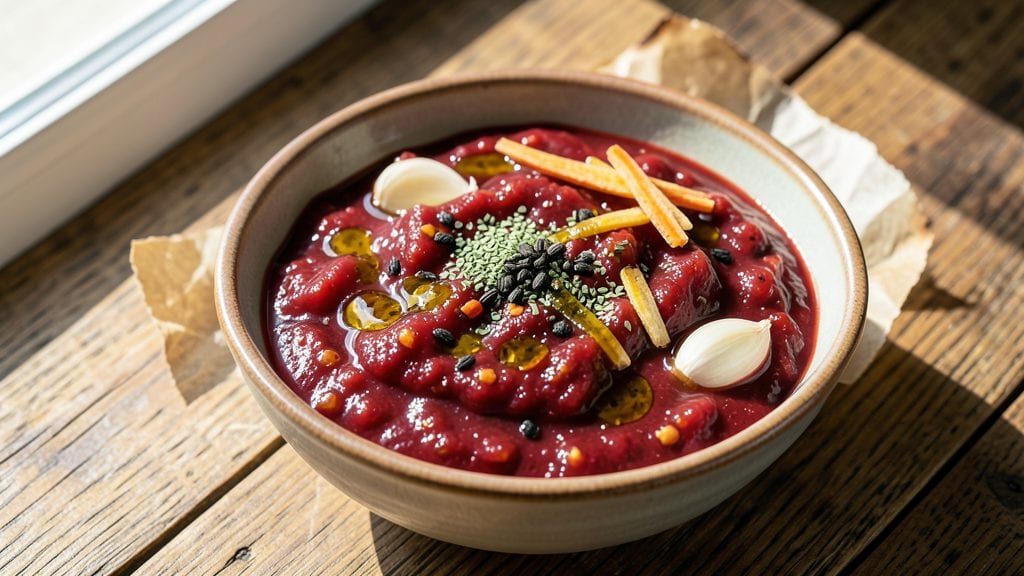
This red chutney recipe transforms simple ingredients into a vibrant, tangy condiment that elevates curries, dips, and grilled dishes with just a few minutes of prep. The balance of tomatoes, chili, and spices creates a bold, aromatic blend that cuts through richness while adding depth.
I developed this version after testing traditional mortar-and-pestle methods alongside modern food processor shortcuts—both deliver exceptional results, depending on your time and texture preferences.
The secret lies in slow-cooking the base until the flavors meld into a thick, glossy consistency, then finishing with a splash of acidity—whether vinegar, lemon, or tamarind—to brighten the heat.
This chutney works as a marinade, a curry sauce, or a dip for samosas, and its shelf life extends for weeks when stored properly. For professional results, focus on controlling the heat and acidity balance.
What you’ll end up with is a versatile red chutney that’s tangy yet complex, with a smooth texture perfect for drizzling or stirring. The spices infuse deeply during cooking, while the acidity keeps the flavor fresh and vibrant.
This recipe is foolproof—just follow the steps, and you’ll have a pantry staple that rivals store-bought versions in flavor and quality.
Use it immediately or store it in the fridge for up to two weeks, or freeze for longer shelf life. Pair it with grilled meats, rice dishes, or even as a marinade for chicken or fish. Here’s how to make it—simple, professional, and packed with flavor.
Ingredients for red chutney
Eleven ingredients blend into a vibrant, tangy red chutney perfect for curries, dips, and marinades.
| Ingredient | Amount | Notes |
|---|---|---|
| Ripe Roma Tomatoes 🍅 | 2 lb | Cored and quartered for even cooking |
| Red Chili Peppers 🌶️ | 4 whole | Fresh Kashmiri or jalapeño for heat |
| Garlic Cloves 🧄 | 6 cloves | Peeled and lightly crushed for infusion |
| Ginger Root 🌿 | 1 ½ oz | Freshly grated, skin removed |
| Cumin Seeds 🌶️ | 1 tbsp | Toasted for deeper aroma |
| Ground Coriander 🌿 | 1 tbsp | Freshly ground preferred |
| Turmeric Powder 🧂 | ½ tsp | Bright yellow for color and warmth |
| Mustard Seeds 🌶️ | ½ tsp | Whole seeds for popping |
| White Vinegar 💧 | ¼ cup | Balances heat and acidity |
| Extra-Virgin Olive Oil 🫒 | ¼ cup | High-quality for richness |
| Salt 🧂 | 1 ½ tsp | Diamond Crystal kosher preferred |
| Asafoetida Powder 🌶️ | ¼ tsp | Optional for umami depth |
The tomatoes and chili peppers form the chutney's base, so prioritize quality. Heirloom or Roma tomatoes yield the best texture and sweetness, while fresh Kashmiri chilies provide color without excessive heat. For convenience, Whole Foods or Indian specialty markets carry pre-cut tomatoes and dried Kashmiri chilies—ideal for quick prep. Toast your cumin and mustard seeds in a dry pan until fragrant (about 30 seconds) to maximize their aromatic potential. The ginger and garlic should be freshly grated and crushed, respectively, to release their full flavor profiles during the cooking process. If using dried chilies, soak them in warm water for 15 minutes to soften before blending.
Substitutions should preserve the chutney's balance. No fresh tomatoes? Canned San Marzano tomatoes work well, but reduce the liquid by half since they're less juicy. Swap Kashmiri chilies for jalapeños or red bell peppers, adjusting heat to taste. Ground coriander can be replaced with cilantro stems blended into a paste, though the flavor will differ slightly. For acidity, lemon juice or tamarind paste both work—tamarind adds complexity but requires a 1:1 substitution with vinegar. The asafoetida is optional but recommended for its savory depth; omit if avoiding strong flavors. If your recipe calls for a smoother texture, blend with extra olive oil at the end instead of vinegar.
This chutney develops deeper flavor when refrigerated for 24 hours before use, allowing spices to infuse fully. Store in an airtight glass jar with a layer of olive oil on top to preserve freshness and prevent oxidation. Keeps in the fridge for up to 3 weeks, though the texture may thicken over time—simply stir in a splash of water or vinegar to restore consistency. For longer storage, freeze in ice cube trays for single-serving portions, which thaw quickly and maintain vibrant color. The chutney's versatility makes it a pantry essential—use it as a marinade, curry base, or dip for up to 3 months** when properly stored.
Why You'll Love This Recipe
- It’s my go-to for everything: a quick dollop on dosas, a splash in rice, or straight from the jar with crispy papadums. I keep a batch in the fridge for snack emergencies—no one ever resists it.
- No-Chop Nightmare: I swear by this one—just toss whole Roma tomatoes and chilis into the pan after a quick char. The skins blister and peel right off while you toast the cumin, so no knife work, no mess. Honestly, I make it when I’m too tired to do anything else.
- Heat That Stays: That first bite? Pure warmth lingers. The garlic and ginger hit like a hug, but the roasted tomatoes soften into a silky base that balances the chili’s kick—no bitterness, just depth. (Yes, even on a Tuesday night when you need something to wake you up.)
- Dip, Drizzle, Devour: It’s my go-to for everything: a quick dollop on dosas, a splash in rice, or straight from the jar with crispy papadums. I keep a batch in the fridge for snack emergencies—no one ever resists it.
Step-by-step instructions for red chutney
This method delivers a vibrant, balanced red chutney with perfect heat and acidity every time.
Dry Toast the Whole Spices
Heat a dry skillet over medium heat and add the 1 tablespoon cumin seeds and ½ teaspoon mustard seeds. Toast for 30-45 seconds until the cumin seeds begin to sizzle and the mustard seeds pop audibly. This step enhances their aromatic qualities and prevents bitterness in the finished chutney.
Watch closely—they'll darken quickly. As soon as you smell their nutty aroma and see the mustard seeds jumping, remove from heat and immediately transfer to a bowl. Let them cool for 2 minutes before grinding. This cooling period prevents scorching when you process them later.
Blend the Base Ingredients
In a food processor or blender, combine the 2 pounds cored and quartered ripe roma tomatoes, 4 whole red chili peppers, 6 peeled garlic cloves, and 1.5 ounces freshly grated ginger root. Pulse until the mixture is completely broken down but not completely smooth—you want a coarse texture with some visible tomato pieces remaining.
This stage builds the foundation of your chutney. The tomatoes provide the base, while the chili peppers and ginger contribute heat and complexity. Don't worry if it looks uneven—this texture develops into a rich, chunky consistency as it cooks. If your processor struggles with the volume, work in batches to avoid overfilling.
Cook the Chutney Mixture
Transfer the blended mixture to a heavy-bottomed saucepan and cook over medium heat for 10-12 minutes, stirring frequently with a wooden spoon. You're looking for the mixture to soften and begin releasing its juices, but it shouldn't boil vigorously. The goal is to break down the raw flavors while preserving color.
After 10 minutes, add the ½ teaspoon turmeric powder, 1 tablespoon ground coriander, and 1.5 teaspoons salt. Stir well to distribute these spices evenly. The turmeric will deepen the color to that signature red hue, while the coriander adds citrusy brightness. This is where the flavors begin to meld—don't rush this stage.
Incorporate the Finishing Elements
Reduce heat to low and carefully stir in the ½ teaspoon asafoetida powder (if using) and the toasted spice mixture. Add the ¼ cup white vinegar and ¼ cup extra-virgin olive oil simultaneously while stirring continuously. The vinegar balances the heat while the oil adds richness and helps emulsify the mixture.
Simmer gently for an additional 8-10 minutes, stirring occasionally, until the chutney thickens to a spreadable consistency. It should coat the back of a spoon but still maintain a vibrant red color. Taste and adjust seasoning—you may need to add more salt or vinegar depending on your tomatoes' natural acidity. The chutney should be tangy, spicy, and well-balanced.
Cool and Store Properly
Remove from heat and let the chutney cool to room temperature while stirring occasionally. This cooling process allows the flavors to fully develop and the texture to set properly. For best results, transfer to clean, sterilized jars while still warm but not hot—this helps prevent mold growth.
The chutney will continue to thicken as it cools. Store in the refrigerator for up to 2 weeks or preserve by canning for longer shelf life. When ready to use, give it a good stir—the flavors deepen with time, making it even more complex. This chutney pairs beautifully with grilled meats, rice dishes, or as a vibrant dip with warm pita bread.
Pro Tips For Making Red Chutney
- CHAR THE GARLIC LOW: I used to burn the garlic every time because I’d toss it in with the chilies on high heat. Instead, add the whole garlic cloves after the tomatoes start breaking down—when the pan smells sweet and the oil is shimmering but not smoking. Let them sizzle for 30 seconds max, then smash them with the back of a spoon while still cooking. You’ll taste the difference: nutty, not bitter.
- PEEL THE GINGER WRONG: Skip the knife for ginger—it’s messy and you’ll lose half to the cutting board. Use a spoon instead: smack the root hard on the counter to soften the skin, then scrape off the peel with the back of a spoon in one smooth motion. For this chutney, you only need about 1 tablespoon of grated ginger, so don’t overdo it—too much turns the chutney mushy.
- DON’T CRUSH THE CUMIN: Whole cumin seeds add a toasty depth that ground cumin can’t match, but you have to toast them right. Heat them in a dry pan over medium-low for 30 seconds until they’re fragrant but not jumping around like popcorn—if you walk away, you’ll burn them. Then grind them last, just before mixing into the chutney, so they release their oil fresh.
- SALVAGE SOUR TOMATOES: If your tomatoes taste bland or mealy, don’t toss them—blend them with a splash of hot water (about 2 tablespoons) to break them down first. The heat softens the fibers, making the chutney smoother. Add a pinch of sugar (½ teaspoon) if you’re worried about acidity, but only if you’re serving it with something sweet like dosa—trust me, you’ll regret it otherwise.
Creative variations of this recipe
Spicy Tamarind Twist
For a tangier, fruit-forward chutney, replace the vinegar with 2 tbsp tamarind paste diluted in ¼ cup warm water. This variation works beautifully with grilled lamb or as a marinade for chicken tikka.
I add 1 tsp black salt (kala namak) for a subtle sulfurous depth that pairs perfectly with tamarind's sour notes. Simmer the mixture for 5 extra minutes to let the tamarind's natural sugars caramelize slightly, creating a glossy finish. 🍯
Smoky Chipotle Version
Transform your chutney into a smoky masterpiece by adding 2 chipotle peppers in adobo sauce (minced) along with the fresh chilies. The smoldering heat from the chipotle blends seamlessly with the tomatoes, creating a depth perfect for barbecued ribs or hearty bean dishes.
For extra richness, stir in 1 tbsp smoked paprika during the final 5 minutes of cooking. This variation keeps well for 3 weeks in the fridge due to the chipotle's natural preservation properties. 🔥
Creamy Yogurt Chutney
For a cooler, smoother chutney that works as a dip or sauce, blend in ½ cup plain Greek yogurt (full-fat preferred) at the very end, just before storing. This variation is ideal for summer when you crave something refreshing yet flavorful.
I recommend using whole-milk yogurt for the best texture—it won't make the chutney watery. Serve this version with roasted cauliflower or as a cooling accompaniment to spicy dishes like vindaloo. Keep it refrigerated and use within 1 week for optimal freshness. ✨
Sweet Date Chutney
Balance the heat with natural sweetness by adding ½ cup pitted Medjool dates (soaked in warm water for 15 minutes if dry) to the blended tomato mixture. Pulse the dates until finely chopped, then proceed with the cooking process.
The result is a complex chutney with caramelized notes that pairs beautifully with cheese platters or as a glaze for grilled vegetables. For extra depth, add ½ tsp cardamom powder during the final simmer. This variation stores well for 2 weeks in the fridge. 🍯
Herb-Infused Variation
Brighten your chutney with fresh herbs by stirring in ¼ cup finely chopped cilantro and 2 tbsp chopped mint during the last 5 minutes of cooking. This variation works exceptionally well with Persian or Middle Eastern dishes like kebabs or lamb stews.
For a more robust flavor, add 1 tsp dried fenugreek leaves (kasuri methi) along with the other spices. The herbs should wilt slightly but remain visible, adding freshness to each bite. Use this version within 10 days for peak freshness. 🌿
Nutty Crunch Addition
Add texture contrast by blending in ¼ cup toasted cashews or peanuts at the very end. For extra crunch, reserve 2 tbsp chopped nuts to sprinkle on top before serving. This variation works wonderfully as a dip for spring rolls or as a topping for curries.
Toast the nuts separately in a dry pan until golden, then blend half into the chutney while keeping the rest for garnish. Store the chutney without the garnish to maintain freshness for 2 weeks. 🌰
Nutrition facts
Frequently asked questions
Can I make this red chutney without tomatoes?
While tomatoes create the signature base, you can substitute with 2 cups tomato sauce or 1 cup pureed roasted red peppers for a different flavor profile. For a fruit-based version, try 1 cup blended roasted bell peppers mixed with 1 tbsp apple cider vinegar to maintain acidity. The texture will be slightly smoother but still vibrant.
How do I adjust the heat level in this chutney?
For milder heat, reduce the number of fresh chilies to 2-3 or swap them for 1 red bell pepper. For extra spice, add ½ tsp cayenne pepper or 1 minced habanero during the final simmer. Always taste as you go—heat builds gradually during cooking.
Why did my chutney turn out too thick?
This usually happens from overcooking or using overly ripe tomatoes. Thin with 1-2 tablespoons warm water or vinegar while stirring constantly. For prevention, cook on medium-low heat and remove from heat as soon as it reaches a spreadable consistency. The chutney will thicken further as it cools.
Can I use dried chilies instead of fresh?
Yes! Soak 3-4 dried Kashmiri or red chilies in warm water for 15 minutes to soften, then drain and blend with the tomatoes. For extra depth, lightly toast them in a dry pan before soaking. Remember dried chilies are more concentrated—start with fewer than fresh for milder heat.
What's the best way to store leftover chutney?
Transfer to a clean, sterilized glass jar and cover with a thin layer of olive oil (about ¼ inch) to preserve freshness. Store in the fridge for up to 3 weeks or freeze in ice cube trays for single-serving portions. The oil creates a protective barrier against oxidation, keeping colors vibrant longer.