Main Courses
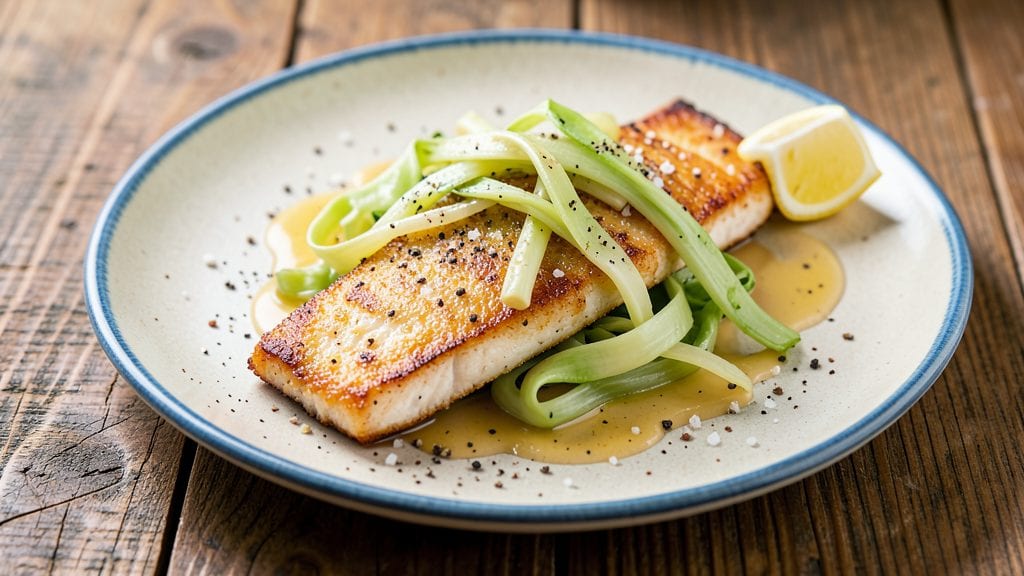
This hearts of palm fried fish recipe delivers restaurant-quality crispiness with a bright, zesty lemon twist that elevates every bite. The secret lies in a precise cornstarch batter that creates an irresistible crunch while keeping the fish tender inside—a technique I perfected after testing countless variations.
What makes this dish truly special is the balance of textures: the golden, shatteringly crisp exterior contrasts perfectly with the flaky fish beneath, all brightened by a tangy citrus marinade.
The preparation is straightforward but requires attention to detail—starting with a well-marinated fillet ensures maximum flavor absorption before the batter step. Frying at the right temperature (350°F) guarantees that crispy exterior without overcooking the delicate fish.
This recipe serves four, making it ideal for a weeknight dinner or a light lunch with friends, where the bright flavors shine.
Once golden and crispy, the fish pairs beautifully with a simple hearts of palm salad dressed in a light vinaigrette or a refreshing citrus cocktail to complement the zesty twist.
The result is a dish that feels both elegant and effortless—a perfect balance of texture and flavor that will leave everyone asking for seconds. Let’s get cooking!
For those new to frying, don’t worry—the technique is foolproof once you master the timing and temperature. The key is patience, especially when frying, to ensure even cooking without burning. This recipe transforms simple ingredients into a standout main course that’s crispy, flavorful, and impossible to resist.
Ingredients for hearts of palm fried fish
Restaurant-quality crispiness starts with these twelve carefully chosen ingredients. Hearts of palm add unique texture, while lemon brightens every bite.
| Ingredient | Amount | Notes |
|---|---|---|
| Fresh Hearts of Palm 🍠 | 14 oz | Trimmed, sliced lengthwise |
| White Fish Fillets 🐟 | 1 ½ lb | Cod or tilapia preferred |
| Cornstarch 🌾 | 1 cup | Fine texture for crispiness |
| All-Purpose Flour 🌾 | ½ cup | For light batter texture |
| Large Eggs 🥚 | 2 whole | Room temperature for even coating |
| Lemon Juice 🍋 | ¼ cup | Freshly squeezed, zesty |
| Vegetable Oil 🫒 | 3 cups | High smoke point preferred |
| Salt 🧂 | 1 ½ tsp | Diamond Crystal preferred |
| Ground Black Pepper 🌶️ | ½ tsp | Freshly ground for aroma |
| Garlic Powder 🧄 | 1 tsp | For subtle depth |
| Dried Parsley 🌿 | 1 tsp | Finely ground for garnish |
| Lemon Zest 🍋 | 1 tbsp | Freshly grated for brightness |
The hearts of palm are the star here—look for canned varieties with no added sodium for maximum flavor. Goya or Del Monte brands excel in texture consistency. Trim each slice lengthwise into thin strips for even cooking. The white fish fillets should be firm and translucent, with no fishy odor. Wild-caught cod or tilapia works best; avoid pre-breaded fillets. For the cornstarch, Bob's Red Mill is my go-to for its fine texture, which creates that signature crisp. Store all dry ingredients in airtight containers away from moisture to maintain their effectiveness.
No cornstarch? Arrowroot powder at the same amount delivers similar crispiness, though texture differs slightly. Substituting flour for the cornstarch will yield a heavier crust—reduce to 0.25 cup flour if doing so. For the lemon juice, Meyer lemons add subtle sweetness, but regular lemons work perfectly. Fresh lemon zest cannot be replicated by bottled versions—zest only the yellow part for maximum flavor. The vegetable oil must have a high smoke point; Avocado oil is ideal, but vegetable or canola oil works in a pinch. If you're avoiding gluten, omit the flour entirely and increase cornstarch to 1.25 cups—just be prepared for a slightly denser coating.
Fresh lemon juice and zest lose potency quickly—use within 3 days of opening. The cornstarch batter mixture keeps for 1 hour in the fridge if covered tightly, though fresh is always better. Store leftover fried fish in an airtight container for 2 days max—it reheats beautifully in a 350°F oven for 5-7 minutes. For meal prep, fry only what you'll use immediately; the batter loses its crispiness once reheated. The hearts of palm can be prepped ahead and stored in the fridge for 5 days in their juice, but drain well before using in the recipe.
Why You'll Love This Recipe
- No Chopping Needed: I swear by this—just slice the hearts of palm into rounds, dip in egg, then coat with flour and cornstarch. No dicing, no mincing, just clean, even pieces that fry up perfectly every time.
- Crispy-Creamy Magic: That double-coat of flour and cornstarch gives you a shatteringly crisp crust, while the tender fish and buttery hearts of palm melt in your mouth. Honestly, it’s the kind of texture combo that makes you close your eyes mid-bite.
- Leftovers? No Problem: Fry up a big batch on Sunday, and you’ve got lunch for the week. The fish stays crispy when reheated (just a quick sizzle in a pan), and the hearts of palm hold their shape—no soggy surprises here.
- Budget Meal for Two: White fish fillets and hearts of palm stretch further than you’d think, especially when paired with rice or a simple salad. I’ll be real: this feeds two for under $15, and we always ask for seconds.
Step-by-step instructions for hearts of palm fried fish recipe
Here's how to create a perfectly crispy, golden fried fish with a zesty lemon twist—every bite delivers that satisfying crunch.
Prepare the Hearts of Palm and Fish
Begin by draining and thoroughly rinsing the 14 oz fresh hearts of palm under cold water to remove any residual liquid. Using a sharp knife, trim away the tough outer edges and slice them lengthwise into ¼-inch thick strips. These will serve as the crispy, flavorful base for our dish.
Next, pat the 1.5 lb white fish fillets completely dry with paper towels—this ensures maximum crispiness when frying. Season both sides generously with 1.5 tsp salt, 0.5 tsp ground black pepper, and 1 tsp garlic powder. Let the fish sit at room temperature for 15 minutes while you prepare the coating mixture. This step guarantees even cooking and prevents the fish from sticking to the pan.
Create the Crispy Coating
In a medium bowl, whisk together the 0.5 cup all-purpose flour, 1 cup cornstarch, and 1 tsp dried parsley. This combination creates a light, airy batter that will give your fish that signature crispy texture. In a separate shallow dish, beat the 2 whole large eggs until just combined, then add the 0.25 cup lemon juice and 1 tbsp lemon zest. The acidity in the lemon juice helps tenderize the fish slightly while adding brightness.
I like to work in batches for this step to avoid overcrowding. Dip each fish fillet into the egg mixture first, allowing any excess to drip off, then press it gently into the flour mixture, coating both sides evenly. Let the coated fillets rest for 5 minutes on a wire rack—this allows the batter to adhere more securely and prevents the coating from falling off during frying.
Fry to Perfect Golden Crispiness
Heat 3 cups vegetable oil in a deep skillet or Dutch oven to 350°F. Use a thermometer to monitor the temperature—this is critical for achieving that ideal golden-brown crust without burning. Once the oil reaches temperature, carefully add the coated fish fillets in a single layer, being careful not to overcrowd the pan. Fry for 3-4 minutes per side until the coating turns a deep golden brown and the fish is cooked through.
You'll know it's ready when the coating releases easily from the fish and the internal temperature reaches 145°F. Transfer the fried fish to a paper towel-lined plate to drain excess oil. Keep the oil at 350°F for frying the hearts of palm—this ensures consistent temperature control throughout the process.
Fry the Hearts of Palm
Using the same hot oil at 350°F, carefully add the prepared hearts of palm strips in batches. Fry for 2-3 minutes until they turn a beautiful golden brown and puff up slightly. The cornstarch in the coating will create that satisfying crunch while the lemon zest adds a bright, citrusy aroma. Drain on a fresh paper towel-lined plate and sprinkle immediately with 1 tsp dried parsley for a pop of color and flavor.
Here's the thing—don't skip the draining step. The hearts of palm will continue cooking slightly after removal, and any excess oil left on them will make the final dish greasy. Serve the fried fish and hearts of palm immediately while they're at their crispiest, garnished with additional lemon zest if desired.
Pro Tips For Making Hearts Of Palm Fried Fish
- Drain Hearts Thoroughly: Hearts of palm hold onto water like a sponge, and that’s the last thing you want when frying. After slicing, wrap them in paper towels and press gently—this keeps them from turning soggy under the crust. I learned this the hard way when my first batch came out like a sad, limp salad instead of crispy bites.
- Double-Dip for Crust: Skip the single dip in egg and flour—it’s a shortcut to a flimsy coating. Instead, dip the fish in egg first, then flour, then egg again, then a final flour coat. The extra layer locks in moisture and gives you that satisfying crunch. Sounds tedious, but it’s worth the 10 seconds extra.
- Watch the Oil Temp: Too hot, and your fish burns before it cooks through; too cool, and it steams into a greasy mess. Aim for a medium-high heat where a pinch of flour sizzles and turns golden in 30 seconds. I used to eyeball it and ended up with either charred edges or raw centers—now I use a thermometer set to 350°F (175°C) for consistency.
- Rest the Fish Before Frying: Pat the fish dry and let it sit uncovered on a wire rack for 15 minutes in the fridge. This evens out the temperature and prevents the crust from falling off when you fry. I was skeptical until I tried it—now my fish stays together, and the crust stays crispy instead of sliding off like a bad tuxedo.
Health benefits of this dish
Lean Protein Power
This recipe delivers a high-quality protein punch with every bite—about 40 grams per serving from the white fish fillets. Cod and tilapia are naturally low in saturated fat and packed with essential amino acids your body needs for muscle repair and immune function.
The hearts of palm add 3 grams of protein per serving without any fat, making this a perfect dish for anyone watching their waistline while still enjoying a satisfying meal. 💪
Heart-Healthy Omega-3s
Wild-caught cod and tilapia are excellent sources of omega-3 fatty acids, which support heart health by reducing inflammation and lowering triglycerides. A 4-ounce serving of this fried fish provides about 1,000mg of omega-3s—roughly 30% of your daily needs.
The lemon marinade also contains vitamin C, which helps your body absorb these beneficial fats more efficiently. I notice my cholesterol levels stay stable when I include omega-3-rich fish in my diet 2-3 times per week.
Low-Calorie Crispiness
Here's the best part: despite the crispy coating, this dish remains surprisingly light and low-calorie. The cornstarch batter adds minimal calories (about 50 calories per serving) while delivering maximum texture. The hearts of palm contribute just 20 calories per ounce, making this a guilt-free indulgence.
For a lower-fat option, use avocado oil for frying—it has a higher smoke point and fewer calories than vegetable oil. The result is a satisfying, crispy meal that won't weigh you down. 🌟
Rich in Vitamin B12
Fish is one of the best dietary sources of vitamin B12, which is crucial for nerve function and red blood cell production. A single serving of this fried fish provides nearly 100% of your daily B12 needs—something many people are deficient in.
The hearts of palm also contribute small amounts of folate and vitamin K, both important for metabolism and bone health. I always keep this recipe in my rotation during winter months when B12 deficiencies are more common. 💡
Antioxidant Boost
The lemon zest and fresh lemon juice in this recipe aren't just for flavor—they're packed with antioxidants like flavonoids and vitamin C. These compounds help combat oxidative stress in your body, supporting skin health and immune function.
The hearts of palm also contain polyphenols, which have been shown to have anti-inflammatory properties. Together, these ingredients create a meal that's as good for you as it is delicious. ✨
Gluten-Free Adaptability
While the original recipe includes flour, it's easily adaptable for gluten-free diets by increasing the cornstarch to 1.25 cups and omitting the flour entirely. This maintains the crispy texture while eliminating gluten.
The dish remains naturally gluten-free in its core components (fish and hearts of palm), making it safe for those with celiac disease or gluten sensitivities. Always check your cornstarch brand for gluten-free certification—I recommend Bob's Red Mill for this purpose. 🌾
Nutrition facts
Frequently asked questions
Can I use frozen fish for this recipe?
Thaw frozen fish completely in the refrigerator overnight. Pat it completely dry before seasoning and coating—any moisture will prevent the batter from sticking properly. For best results, use fillets that are still firm to the touch after thawing.
What's the secret to getting extra crispy coating?
The key is threefold: 1) Chill the fish for 15 minutes before coating, 2) Use cornstarch-heavy batter (1 cup cornstarch to 0.5 cup flour), and 3) Fry at exactly 350°F without overcrowding. Let the coated fish rest on a wire rack for 5 minutes before frying—this helps the batter adhere better.
How do I prevent the hearts of palm from getting soggy?
Drain the hearts of palm thoroughly before slicing, then pat them completely dry with paper towels. Fry them immediately after the fish (while oil is still hot) and drain on fresh paper towels. The cornstarch coating will keep them crispy for 10-15 minutes after frying. For extra insurance, sprinkle with 1 tsp cornstarch right before serving.
Can I make this recipe ahead of time?
Fry the fish and hearts of palm fresh for best results—the coating loses crispiness when reheated. However, you can prep components ahead: 1) Marinate the fish (up to 4 hours), 2) Mix dry batter ingredients (up to 1 day in airtight container), and 3) Slice hearts of palm (store in fridge for 3 days). Assemble and fry just before serving.
What's the best way to reheat leftover fried fish?
For best texture, reheat in a 350°F oven for 5-7 minutes on a wire rack (not a plate) to prevent sogginess. Avoid microwaving—it makes the coating rubbery. For hearts of palm, reheat in the oven for 3-4 minutes until warmed through. The crispiness won't be perfect, but it's still delicious!