
Side Dishes
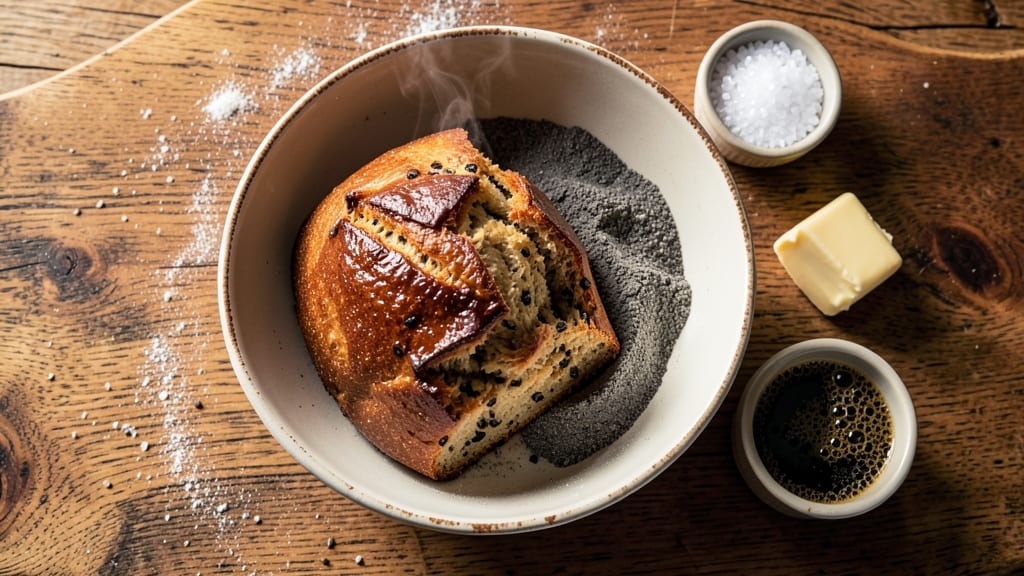
This old-fashioned rye bread recipe delivers the perfect balance of crusty crunch and tangy depth—just like your grandmother used to make. The secret lies in a long fermentation process that develops complex flavors and a satisfyingly dense crumb.
I’ve perfected this method over years of baking, ensuring every loaf turns out with that signature hearty texture and robust rye flavor.
The beauty of this recipe is its 24-hour timeline, which allows the dough to develop naturally without requiring advanced equipment. A small amount of sourdough starter (or even store-bought) enhances the tang, while whole rye flour adds depth and nutrition.
The dough is shaped into a classic round loaf, scored deeply before baking for that iconic rustic finish.
By the time it emerges from the oven, you’ll have a loaf with a deep golden crust, crisp edges, and a tender yet dense interior. The aroma alone will have everyone gathering around the table.
This bread pairs beautifully with soups, stews, or simply slathered with butter—proof that homemade always tastes better.
Store leftovers at room temperature for a few days or freeze for up to three months. Whether you’re baking for a family meal or a cozy weekend, this recipe delivers restaurant-quality results with minimal effort. Let’s get started!
Ingredients for old fashioned rye bread
The foundation of this classic rye bread lies in its precise ingredients and patient fermentation process.
| Ingredient | Amount | Notes |
|---|---|---|
| Active Sourdough Starter 🍞 | ½ cup | Unfed, bubbly starter with 100% hydration |
| Whole Rye Flour 🌾 | 2 cups | Dark rye for authentic flavor and texture |
| All-Purpose Flour 🌾 | 2 cups | Bread flour for improved oven spring |
| Unsalted Butter 🧈 | ½ cup | Cold, cubed for optimal development |
| Granulated Sugar 🍯 | ¼ cup | Brown sugar for enhanced caramelization |
| Diamond Crystal Kosher Salt 🧂 | 1 ½ tsp | Fine grain for even distribution |
| Active Dry Yeast 🍞 | ¼ tsp | Fresh yeast preferred for reliability |
| Warm Water 💧 | 1 ½ cups | 105°F for optimal yeast activation |
| Malt Powder 🌾 | 1 tsp | Enhances browning and fermentation |
| Cornmeal 🌽 | ¼ cup | For dusting and scoring |
| Egg Wash 🥚 | 1 whole | Beaten egg for golden crust |
| Sesame Seeds 🌰 | 1 tbsp | Optional for decorative finish |
The active sourdough starter is non-negotiable for authentic tang and depth—King Arthur or a well-maintained home starter work best. If you don’t have one, store-bought sourdough starter from specialty bakeries like Breads Bakery or Whole Foods will suffice, though it may lack complexity. For the whole rye flour, Bob’s Red Mill or Pillsbury brands provide consistent quality, while all-purpose flour should be King Arthur or Bread Flour for improved structure. The unsalted butter must be cold when mixed into the dough to prevent premature gluten development—Plugrá or Land O’Lakes are reliable choices. Diamond Crystal kosher salt is preferred over table salt for its fine, even grain distribution, which enhances flavor without overpowering the rye’s robust taste.
No sourdough starter? Store-bought rye bread crumbled into warm water (1 tbsp crumbs + 1 cup water) creates a rough substitute, though it lacks the depth of a true starter. Malt powder can be omitted if unavailable, but 1 tsp of honey added to the dough will help with browning. For the yeast, instant yeast can be used at the same ratio, though active dry yeast requires proofing in warm water first. The cornmeal is optional but recommended for scoring—fine semolina works equally well. If you prefer a sweeter loaf, substitute half the granulated sugar for honey or molasses, though this alters the bread’s traditional profile. Sesame seeds can be swapped for poppy seeds or everything bagel seasoning for a different texture.
The dough requires 24 hours of cold fermentation, so plan ahead—it’s worth the wait for that restaurant-quality crust and open crumb. Store the sourdough starter in the fridge when not in use, and revive it 12 hours before use by feeding it equal parts flour and water. The finished loaf should be wrapped in a clean kitchen towel and kept at room temperature for up to 5 days, or frozen for up to 3 months for long-term storage. For reheating, wrap the cooled loaf in foil and warm in a 350°F oven for 10 minutes to restore freshness.
Why You'll Love This Recipe
- No-Knead Nightmare Solved: I’ve made rye bread that demanded hours of kneading—this version? Just mix, let rise, and bake. The sourdough starter does all the heavy lifting while you sip coffee.
- Earthy Butter Magic: That whole rye flour gives it a deep, toasty bite, but the cold butter cubes melt into pockets of golden richness. Honestly, it’s the kind of bread that makes you pause mid-bite just to savor it.
- Weeknight Wonder: Slice it thick for breakfast toast, pack it for lunches, or serve it warm with jam at a picnic. Between us, it’s the one loaf that never feels like a chore to pull out.
- Budget-Friendly Staple: Uses pantry basics (and that sourdough starter you’re probably already feeding). A single batch lasts me five days—no sad, dried-out ends here, just perfect slices every time.
Step-by-step instructions for old fashioned rye bread
This method delivers authentic rye bread with a dense crumb and crisp crust in just 24 hours.
Prepare the Starter and Mix the Dough
In a large mixing bowl, combine the 0.5 cup active sourdough starter with the 1.5 cups warm water and let it sit for 5 minutes to activate. The starter should become slightly effervescent at the surface, indicating it's ready for use.
Add the 2 cups whole rye flour, 2 cups all-purpose flour, 0.25 cup granulated sugar, 1.5 tsp diamond crystal kosher salt, and 1 tsp malt powder to the bowl. Mix with a wooden spoon until a shaggy dough forms, scraping down the sides as needed. The rye flour will create a dense, sticky texture.
Cut the 0.5 cup unsalted butter into small cubes and add them to the dough. Using your hands, work the butter into the dough until fully incorporated. The butter should be evenly distributed but still visible in small flecks throughout. Cover the bowl with a damp towel and let the dough rest for 30 minutes at room temperature.
Develop the Gluten and Shape the Dough
After the rest, add the 0.25 tsp active dry yeast to the dough and mix until fully dissolved. The dough will become slightly more elastic as the yeast begins to activate. Turn the dough out onto a lightly floured surface and knead gently for 5-7 minutes until smooth and slightly tacky.
Shape the dough into a round loaf by pulling the edges toward the center and sealing the seam. Place the dough seam-side down in a lightly greased bowl, cover with a damp towel, and let it rise in a warm place for 2-3 hours or until it has nearly doubled in size. The dough should feel light and springy when pressed gently.
Prepare the Loaf for Baking
Preheat your oven to 375°F and line a baking sheet with parchment paper. Dust a baking stone or inverted baking sheet with the 0.25 cup cornmeal to create a thin, even layer. Transfer the risen dough to the prepared surface and gently shape it into an oval loaf.
Score the top of the dough with a sharp knife in a decorative pattern, cutting about ¼ inch deep. Brush the loaf with the 1 whole egg wash and sprinkle the 1 tbsp sesame seeds evenly over the top. The egg wash will create a golden crust, while the sesame seeds add texture and a subtle nutty flavor.
Bake to Crusty Perfection
Place the prepared loaf on the baking stone or sheet in the center of the oven. Bake for 45-50 minutes until the crust is deep golden brown and the internal temperature reaches 190°F. The bread should sound hollow when tapped on the bottom.
Remove the bread from the oven and let it cool on a wire rack for at least 30 minutes before slicing. The crust should be crisp and the crumb dense with a subtle tang. For best flavor, serve the bread at room temperature within 2-3 days or wrap it tightly and freeze for up to 3 months.
Pro Tips For Making Old Fashioned Rye Bread
- Mix Butter Last: Whole rye flour absorbs liquid like a sponge—add the unsalted butter after autolyse (when flour and water are already bonded). I learned this after kneading a dough so stiff I needed a mallet, and it cuts down on the need for extra water later.
- Hydrate the Rye: Whole rye flour needs more water than you’d think—aim for 75-80% hydration for the mix. My first batch turned out dense because I eyeballed it; now I weigh the flour first, then add water gradually until it just clumps but doesn’t stick.
- Skip the Overproofing: Rye’s natural acidity makes it proof faster—stop when the dough springs back slowly (not instantly) when poked. I once let mine proof overnight, and the flavor turned sour instead of tangy. Check it every 30 minutes after the first hour.
- Steam the Crust: Rye crusts burn before they brown. Place a metal bowl of boiling water on the oven rack before baking, then slide the loaf in. The steam gives you 10-15 minutes of leeway to adjust heat without a charred top—trust me, your first loaf will thank you.
Serving suggestions for this recipe
Classic Pairings
This old-fashioned rye bread shines alongside creamy cheeses like brie or camembert—the rich, buttery flavors complement the bread's tangy depth. I love pairing it with sharp aged cheddar or smoked gouda for a hearty, savory bite.
For a lighter option, try whipped goat cheese on a fresh salad with sliced rye. 🧀
Soup & Stew Companions
The dense texture of rye bread makes it perfect for soaking up rich broths. I recommend serving it with creamy potato leek soup or hearty beef stew—the bread's crust stays intact while absorbing flavors beautifully.
For a lighter option, tomato basil soup with a sprinkle of Parmesan cheese creates a perfect balance. The bread's slight sweetness also pairs well with lentil soup or minestrone.
Breakfast & Brunch
Transform your rye bread into a breakfast staple by toasting thick slices and topping with scrambled eggs, crispy bacon, and avocado. For a sweet twist, spread with cream cheese and honey, then add sliced strawberries or blueberries.
The bread's sturdy texture holds up well to open-faced sandwiches with smoked salmon and dill cream cheese.
Dinner Sidekick
Use rye bread to elevate meat dishes like roast beef or duck breast. The bread's hearty texture pairs wonderfully with braised short ribs or slow-cooked pulled pork.
For a vegetarian option, serve with grilled portobello mushrooms and balsamic glaze. The bread's crust also makes a great dipping tool for olive oil or garlic butter.
Sweet Applications
Don’t overlook rye bread for desserts! Toast slices and top with mascarpone cheese, fresh berries, and a drizzle of honey for a rustic dessert. For a savory-sweet twist, spread with almond butter and banana slices.
The bread's nutty flavor also works well in French toast—soak slices in egg mixture with vanilla and cinnamon, then pan-fry until golden. 🍯
Beverage Pairings
Complement your rye bread with coffee—the bread's robust flavor stands up to dark roast or espresso. A cold glass of milk or chocolate milk balances the bread's tanginess. For a boozy pairing, try rye whiskey or dark beer like stout or porter—the maltiness enhances the bread's depth.
Sparkling water with lemon slices also cuts through the richness beautifully. 🍺
Nutrition facts
Frequently asked questions
Can I make this rye bread without a sourdough starter?
Yes! If you don’t have a sourdough starter, use 1 tbsp store-bought rye bread crumbs mixed with 1 cup warm water as a substitute. Let it sit for 10 minutes to activate, then proceed with the recipe. The flavor won’t be identical, but it’ll still deliver that classic rye tang.
Why does my dough feel too sticky to handle?
The high rye flour content makes this dough naturally sticky—that’s normal! Wet your hands slightly and use a dough scraper to shape it. If it’s unbearable, add 1-2 tbsp more all-purpose flour gradually. The stickiness ensures a moist, dense crumb, so don’t over-flour it.
How do I know when the bread is fully baked?
Your loaf is done when the crust is deep golden brown and the internal temperature reaches 190°F. Tap the bottom—it should sound hollow like a drum. If unsure, bake 5 more minutes to prevent gummy texture. Let it cool 30 minutes before slicing for the perfect crumb.
Can I make this bread in a Dutch oven for better crust?
Transfer the shaped loaf to a preheated Dutch oven with the lid on for 20 minutes, then remove the lid and bake 25-30 minutes more. This traps steam for an ultra-crisp crust. Just ensure your Dutch oven is large enough to accommodate the loaf’s rise.
What’s the best way to store leftover rye bread?
Wrap cooled slices tightly in plastic wrap or store the whole loaf in an airtight container at room temperature for 3-4 days. For longer storage, freeze slices wrapped individually—they’ll stay fresh for 3 months. Reheat in a 350°F oven for 5 minutes to restore crispness.