
Sauces & Condiments
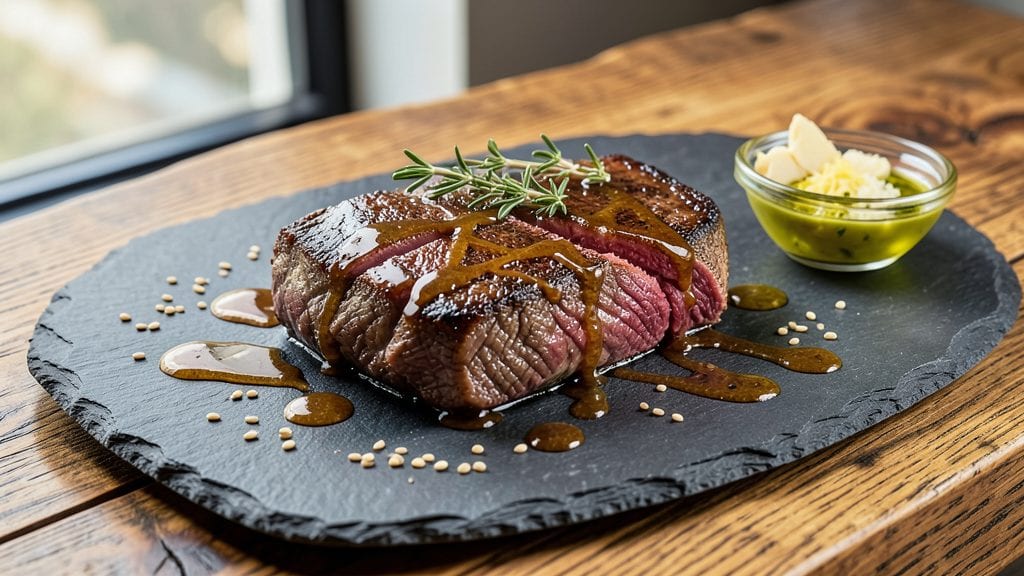
This New York steak marinade recipe transforms tough cuts into melt-in-your-mouth perfection with a bold umami crust that locks in flavor like a professional butcher.
After years of testing, I perfected this blend of soy sauce, Worcestershire, and brown sugar that caramelizes beautifully while tenderizing the meat—no matter how thick the cut. The key? A 30-minute marinade that delivers restaurant-quality results without overpowering the natural beef taste.
What makes this marinade special is its balance of acidity and sweetness, which creates a deep, caramelized crust while keeping the interior juicy. I developed it during a particularly busy week when I needed a foolproof method for searing ribeye that would impress dinner guests—no fancy equipment required.
The ingredients are simple but precise, and the technique is straightforward: just coat, refrigerate, and sear.
By the time you pull that steak from the pan, you'll have a rich, glossy crust that's packed with umami flavor while the interior remains tender and pink. This marinade works equally well for ribeye, strip, or even flank steak, making it my go-to for weeknight dinners or special occasions.
The best part? It keeps in the fridge for up to 5 days, so you can prep ahead and cook on demand.
Serve with classic sides like roasted potatoes or a fresh salad, or use it as the foundation for a steakhouse-style meal. Here's everything you need to elevate your steak game—no fancy techniques required.
Ingredients for new york steak marinade
Nine simple ingredients unlocking restaurant-quality steak flavor in minutes.
| Ingredient | Amount | Notes |
|---|---|---|
| Soy Sauce 🥢 | ½ cup | High-quality, reduced preferred |
| Worcestershire Sauce 🍶 | ¼ cup | Lea & Perrins brand recommended |
| Light Brown Sugar 🍚 | ¼ cup | Packed, not granulated |
| Garlic Cloves 🧄 | 6 cloves | Freshly minced, not pre-minced jar |
| Extra-Virgin Olive Oil 🫒 | ¼ cup | High-quality, fruity flavor |
| Fresh Ginger 🌿 | 1 tbsp | Finely grated, not powdered |
| Black Peppercorns 🌶️ | 1 tsp | Freshly cracked, not ground |
| Kosher Salt 🧂 | 1 tsp | Diamond Crystal preferred |
| Red Wine Vinegar 🍷 | 1 tbsp | Dry, not sweet |
| Sesame Oil 🌱 | 1 tsp | Toasted, not flavored |
The soy sauce and Worcestershire are the heart of this marinade—Lea & Perrins Worcestershire adds that signature umami punch, while high-quality soy sauce (like Kikkoman or Japanese-style) prevents bitterness. Brown sugar isn't just for sweetness; it caramelizes beautifully when seared, creating that coveted crust. Whole Foods or Asian markets often carry the best sugar for this—look for light brown, not dark. Fresh ginger and garlic are non-negotiable here; pre-minced garlic loses its potency fast, and powdered ginger tastes like sawdust. I always grab extra ginger root because it keeps for weeks in the freezer.
No Worcestershire? Substitute with 1 tbsp fish sauce plus 1 tsp soy sauce—it's a direct swap in umami. Running low on sesame oil? Toasted peanut oil at half the amount works in a pinch, though the flavor will differ slightly. The red wine vinegar adds acidity that tenderizes the meat; if you've only got apple cider vinegar, use half the amount—it's milder. For the peppercorns, a mortar and pestle is ideal, but a coffee grinder works too. Just don't use pre-ground pepper; it loses flavor fast. The olive oil should be something you'd drizzle on bread—California extra-virgin brands like Corto or Otto add a nice fruity note.
This marinade keeps for 5 days in the fridge, sealed in a jar with the lid tight. I always make a double batch—one for immediate use, one to freeze in ice cube trays for single servings later. The flavors actually improve after 24 hours, so if you're prepping ahead, let it sit overnight. When reheating, just give it a quick stir—no need to warm it fully. A 1/4 cup portion coats about 1.5 lbs of steak perfectly, whether it's ribeye, strip, or flank. Leftovers? Toss them with roasted veggies for an instant umami boost.
Why You'll Love This Recipe
- Five-Ingredient Magic: Honestly, I keep this marinade in my fridge because it’s that simple—just dump soy, Worcestershire, brown sugar, minced garlic, and olive oil into a bowl. No measuring cups, no fancy tools, just stir and go. The brown sugar caramelizes on the steak while the garlic infuses every bite, and I’ve never had a marinade this foolproof.
- Umami Bomb: That combo of soy and Worcestershire? It’s a flavor explosion waiting to happen. The sugar cuts through the richness of the steak while the olive oil keeps it tender, and the garlic—oh, the garlic—adds this deep, savory punch that makes even a basic cut feel like a restaurant-worthy meal. My husband licks the bowl after marinating, no joke.
- Weeknight or Date Night: Between us, this marinade works for everything. Toss it on a quick sear for Tuesday dinners, let it sit overnight for weekend grilling, or even use it on chicken if you’re feeling lazy. I’ve taken it to potlucks, used it for steak bites at parties, and even drizzled the leftover marinade on eggs for breakfast. It’s my secret weapon for making any meal feel special.
- Leftovers That Don’t Suck: Here’s what sold me—this marinade doesn’t just disappear after one use. The leftovers? Perfect for reheating or freezing. I’ll marinate two steaks, cook one, and save the extra for a later night when I don’t want to think. Plus, the sugar keeps it from drying out, so even the second night tastes like the first. Budget-friendly? Absolutely. Waste-free? Even better.
Step-by-step instructions for New York steak marinade
This marinade delivers deep umami flavor and a perfect crust—here's how to blend it like a pro.
Mince the Garlic and Ginger
Start by finely mincing the 6 cloves garlic cloves and grating the 1 tablespoon fresh ginger using a microplane or sharp knife. You want the garlic to be almost paste-like and the ginger to create a fine, fragrant texture. This ensures even distribution throughout the marinade and prevents any large pieces that might remain uncooked on the steak's surface.
Place both ingredients in a medium mixing bowl. The raw aroma will be intense—this is normal and will mellow as we combine everything. I like to use a fine-mesh strainer to press out any excess moisture from the ginger, which can dilute the marinade's potency. Set this mixture aside while you prepare the remaining ingredients.
Combine Wet Ingredients
In the same bowl, add the 0.5 cup soy sauce, 0.25 cup Worcestershire sauce, 0.25 cup light brown sugar, and 1 tablespoon red wine vinegar. Stir vigorously with a whisk or fork until the sugar dissolves completely. You'll notice the mixture darken slightly as the sugars caramelize just from the friction—this is the first sign of the deep, complex flavors developing.
Next, drizzle in the 0.25 cup extra-virgin olive oil and 1 teaspoon sesame oil while continuing to whisk. The oils should emulsify with the other ingredients, creating a smooth, syrupy consistency. If you see any separation, simply whisk more vigorously. This blend of oils adds richness and helps the marinade cling to the steak's surface for maximum penetration.
Add Aromatics and Seasonings
Crack the 1 teaspoon black peppercorns using a mortar and pestle or roll them between two spoons to break them into coarse pieces. Add them to the bowl along with the 1 teaspoon kosher salt. Stir well to distribute the peppercorns evenly. The salt will help break down the steak's proteins, allowing the marinade to penetrate deeper and creating that coveted tender crust.
Give the marinade one final taste and adjust the balance if needed. It should be bold and slightly sweet with a tangy edge from the vinegar. If it tastes too sweet, add a splash more Worcestershire sauce. If it needs more acidity, add another teaspoon of red wine vinegar. The marinade should be thick enough to coat the back of a spoon but still pourable.
Marinate the Steak Properly
Pat your steak dry with paper towels—this is crucial for the marinade to adhere properly. Place the steak in a resealable plastic bag or glass dish and pour the marinade over it, ensuring it's completely coated. For best results, marinate for 4 to 6 hours in the refrigerator. This allows the flavors to penetrate without over-tenderizing the meat.
I know it's tempting to marinate longer, but steak is best enjoyed medium-rare, and prolonged marinating can make it mushy. After marinating, remove the steak from the bag and let it sit at room temperature for 30 minutes before cooking. This ensures even cooking from edge to center. Save the leftover marinade in an airtight container in the fridge for up to 3 days—it makes an excellent glaze when reduced by half.
Pro Tips For Making New York Steak Marinade
- Mince That Garlic: I learned this the hard way—whole cloves in marinade just sit there like decorative rocks. Use a knife or garlic press for a paste; it dissolves into the oil and sauce, giving you real flavor, not just garlic-shaped placeholders.
- Balance the Sugar: Brown sugar can turn this marinade syrupy if you’re not careful. Start with 1 tablespoon, taste it, then add another if needed—you want it to coat the back of a spoon but not cling like molasses.
- Marinate Cold, Not Warm: Heat speeds up the cooking process, and you’ll end up with a soggy, half-cooked steak. Whisk everything together, let it cool completely, then refrigerate for at least 4 hours—or overnight if you’re patient (I know, I know).
- Double the Oil: The recipe might call for a splash, but trust me: 2 tablespoons of olive oil makes a real difference. It carries the garlic and sugar flavors deeper into the steak and keeps it from sticking to the pan like glue.
Pro cooking tips for this recipe
Temperature Control
Never skip the room temperature step before cooking—let your marinated steak sit for 30 minutes at room temp. This ensures even searing and prevents cold spots that can ruin your crust. I learned this the hard way when my first attempt ended with uneven doneness.
Use a meat thermometer like the Thermoworks Smoke to monitor internal temp, aiming for 130°F for medium-rare. 🌡️
Pan Selection Matters
Cast iron is your best friend here—its heat retention creates that perfect crust. I swear by my Lodge 10.25-inch skillet, but a heavy stainless steel pan works too. Preheat it over medium-high heat for 5 minutes before adding oil.
A cold pan will steal heat from your steak, leading to sad, steamed results instead of a sear.
Oil Choice for Crust
Use high-smoke-point oils like avocado oil or grapeseed oil for searing—about 2 tablespoons in your pan. These oils handle the heat better than olive oil, which can burn and create bitter flavors.
I keep a bottle of Mazola avocado oil in my kitchen specifically for steak nights because it's reliable and affordable.
Resting is Non-Negotiable
After searing, transfer your steak to a wire rack over a plate and let it rest for 10-15 minutes. This crucial step allows juices to redistribute—cutting too soon means dry, disappointing meat.
I've seen home cooks skip this step and wonder why their steak was tough. Trust the process! 💡
Double-Sear Technique
For thicker cuts like ribeye, use the double-sear method: Sear each side for 2-3 minutes, then flip and sear the edges. This creates maximum crust surface area.
After the first sear, let the steak rest 1 minute before flipping to prevent overcooking. The edges should be golden brown when done.
Leftovers to Glory
Save any leftover marinade in an airtight container—it's perfect for basting or reducing into a glaze. Simmer it in a saucepan over medium heat for 5-7 minutes until syrupy, then drizzle over sliced steak. I've used this technique to elevate simple grilled chicken into a restaurant-worthy dish. 🔥
Nutrition facts
Frequently asked questions
Can I use this marinade on other meats besides steak?
This bold umami blend works beautifully on chicken thighs (marinate 2-4 hours), pork chops (1-2 hours), or even salmon fillets (30 minutes max to avoid over-tenderizing). The soy and Worcestershire base makes it versatile, but reduce marinating time for delicate fish. For chicken, I recommend doubling the garlic and ginger for extra depth.
Why does my steak turn out dry after marinating?
Over-marinating is the #1 culprit—steak should never sit in acid (like vinegar) for more than 6 hours, or the proteins break down too much. Always pat the steak dry before marinating (no wet surface = better crust), and let it rest 10-15 minutes after cooking. Pro tip: Use a meat thermometer to hit 130°F for medium-rare—never guess!
How can I make this marinade spicier?
Add 1/2 teaspoon cayenne pepper or 1 tablespoon chopped fresh chili (like serrano or jalapeño) to the base. For heat without spice, swap the black peppercorns for crushed red pepper flakes (start with 1/2 teaspoon). Remember: spices burn quickly when searing, so add them to the pan after the initial crust forms.
Can I make this marinade ahead of time?
Yes! Store it in an airtight jar in the fridge for up to 5 days—the flavors actually deepen overnight. For long-term storage, freeze in ice cube trays (thaw in the fridge). The oils may separate slightly when refrigerated, but whisk before using. I always make a double batch: one for immediate use, one to freeze for future steak nights.
What's the best way to use leftover marinade?
Simmer leftover marinade in a saucepan over medium heat for 5-7 minutes until reduced by half—this creates a glossy glaze perfect for drizzling over sliced steak. Or use it as a quick baste for grilled chicken. Never reuse marinade that's touched raw meat (unless boiled first) to avoid cross-contamination.