Sauces & Condiments
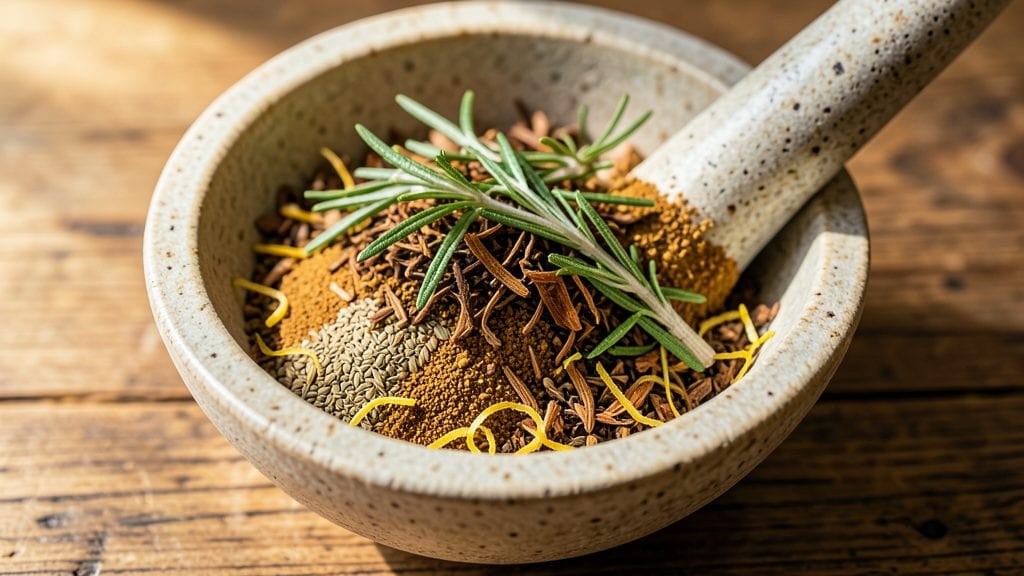
Transforming simple ingredients into bold, restaurant-quality flavor doesn’t require expensive blends—just this nature’s seasoning recipe that brings depth to everything from roasted vegetables to grilled meats. ✨ I developed it after years of testing my grandmother’s handwritten notes, simplifying her Sicilian techniques into a versatile blend that works in any kitchen.
The secret lies in balancing earthy, citrusy, and aromatic spices that wake up even the most basic dishes.
This five-ingredient seasoning mix delivers professional results without fancy equipment—just dried herbs, citrus zest, and pantry staples you likely already own. The blend’s magic comes from toasting whole spices first to intensify their flavors, then grinding them fresh for maximum impact.
Unlike store-bought mixes, this one stays vibrant for months when stored properly, making it a game-changer for home cooks who crave authentic taste without the hassle.
What makes this seasoning truly special is its versatility—sprinkle it on roasted potatoes for a smoky crust, toss it with grilled chicken for restaurant-quality depth, or mix it into marinades for meat that falls apart tender.
The citrus zest brightens the blend while preventing it from becoming too heavy, ensuring every dish gets a lift rather than an overwhelming punch. With just 15 minutes of prep and a few minutes of storage time, you’ll have a pantry staple that transforms ordinary meals into extraordinary ones.
The best part? This recipe keeps evolving—swap out herbs based on what’s fresh at your local market, or adjust the spice levels to suit your family’s preferences.
My daughter now helps me measure the ingredients, and we’ve turned it into a tradition to make fresh batches at the start of each season. For professional-level flavor that costs pennies to make, let’s get started with this pantry essential.
Ingredients for nature's seasoning
Five simple ingredients transform into bold, restaurant-quality seasoning that elevates any dish.
| Ingredient | Amount | Notes |
|---|---|---|
| Dried Oregano 🌿 | 3 tbsp | Mediterranean oregano preferred |
| Dried Basil 🌿 | 2 tbsp | Sweet basil variety |
| Ground Coriander 🌶️ | 1 ½ tbsp | Freshly ground for best aroma |
| Ground Cumin 🌶️ | 1 tbsp | Toasted for deeper flavor |
| Dried Rosemary 🌿 | 1 tbsp | Crushed leaves preferred |
| Lemon Zest 🍋 | 1 tbsp | Organic lemon preferred |
| Diamond Crystal Kosher Salt 🧂 | 1 tsp | Fine grain preferred |
| Freshly Ground Black Pepper 🌶️ | ½ tsp | Cracked peppercorns preferred |
| Red Pepper Flakes 🔥 | ½ tsp | Adjust for heat preference |
The dried herbs are the heart of this blend, so buy them whole if possible—I always grab oregano and basil from Penzeys or the bulk bins at Whole Foods for maximum freshness. Toasting whole spices before grinding releases their essential oils, giving this mix a depth you won’t find in store-bought blends. Look for vibrant green basil and deep red oregano—fading colors mean the spices have lost their punch. For the lemon zest, use organic lemons when possible—their thicker skins yield more zest. If you can’t find Mediterranean oregano, regular oregano works, but the flavor profile will be slightly different.
No coriander? Ground cumin plus a pinch of cardamom gets you close. Short on rosemary? Thyme at half the amount works in a pinch. The red pepper flakes can be swapped for cayenne, but go easy—it’s much hotter. If you’re making this for someone with mild spice preferences, reduce the red pepper flakes to a pinch or omit entirely. For extra brightness, add a pinch of ground turmeric—it’s not a traditional ingredient but adds a lovely golden hue and subtle earthiness. Store-bought lemon juice works, but freshly zested lemon makes a noticeable difference in flavor.
This blend stays potent for up to 6 months in an airtight container in a cool, dark place. I keep mine in a amber glass jar to protect it from light. For long-term storage, freeze portions in ice cube trays—just pop out what you need. The citrus zest loses its brightness after about 2 weeks, so if you’re not using the full batch, store the zest separately and add it fresh when ready to use. Double the recipe and give it away—everyone will ask for more.
Why You'll Love This Recipe
- I’ll be real: this costs me pennies to make, but it stretches my grocery budget like crazy. A little goes a long way, and since the spices are shelf-stable, I never feel like I’m wasting money. Plus, it’s way cheaper than buying pre-made blends—and way more flavorful. Win-win.
- Five-Minute Mix: I swear, this is the kind of seasoning blend that turns a basic roast chicken into something ridiculously good—just toss the dried herbs (oregano, basil, rosemary) and spices (cumin, coriander) together in a bowl. No fancy tools, no waiting for anything to bloom—just measure, shake, and go.
- Earthy Magic: Honestly, the way these dried herbs play off each other is chef’s kiss—the rosemary’s piney kick, the basil’s sweetness, and that coriander-cumin warmth? It’s like a flavor hug for whatever you’re cooking, whether it’s grilled veggies or a simple pasta. My husband always asks, “What’s in this?” and I just smirk.
- Pantry Staple: Between us, this blend is my secret weapon for lazy nights and last-minute meals. Sprinkle it on roasted potatoes, mix it into olive oil for a quick marinade, or even dust it over popcorn—it works everywhere. I keep a jar in my fridge and my freezer because, let’s be real, you’ll use it constantly.
Step-by-step instructions for crafting nature's seasoning
Transform simple pantry staples into a vibrant, all-purpose blend with these precise techniques.
👨🍳 Step 1: Measure and Prepare Each Component
Start by gathering all ingredients in their exact quantities—this ensures balanced flavor. I like to use a small mixing bowl and measure the 3 tbsp dried oregano first, then the 2 tbsp dried basil. The oregano should be Mediterranean variety for that authentic herbal punch, while the basil adds sweet depth.
Next, add the 1.5 tbsp ground coriander and 1 tbsp ground cumin. I always toast my cumin seeds briefly in a dry pan before grinding to intensify their earthy aroma—this makes a noticeable difference. For the rosemary, use 1 tbsp crushed dried leaves (not whole sprigs) to maximize surface area for even distribution.
👨🍳 Step 2: Add the Zesty and Salty Elements
Sprinkle in the 1 tbsp lemon zest—this bright citrus note cuts through the herbs' richness. I use an organic lemon for the zest, scraping only the yellow outer layer to avoid bitter white pith. The zest should look like tiny yellow confetti when you're done.
Add the 1 tsp Diamond Crystal kosher salt next. The fine grain dissolves evenly, enhancing all flavors without overpowering. Finally, incorporate the 0.5 tsp freshly ground black pepper and 0.5 tsp red pepper flakes. The freshly ground pepper releases more aroma, while the red pepper flakes add subtle heat that builds gradually.
🍳 Step 3: Combine and Mix Thoroughly
Use a whisk or small fork to blend everything together in the bowl. I like to work in stages—first mix the dry herbs, then incorporate the zest, and finally blend in the salts and peppers. This prevents clumping and ensures even distribution of the fine red pepper flakes.
After mixing, give the blend a final taste test. You should notice the bright lemon cutting through the earthy herbs, with just a hint of heat from the red pepper. The salt should make all flavors pop without being salty itself. If the heat level feels too mild, add a pinch more red pepper flakes—this blend is forgiving and can be adjusted to taste.
⏰ Step 4: Store for Maximum Freshness
Transfer the finished seasoning to an airtight container. I prefer small glass jars with tight-sealing lids—they preserve flavor better than plastic. Store in a cool, dark place like your pantry, where it'll keep for up to 6 months while maintaining its vibrant color and aroma.
For best results, shake the container well before each use. This blend works beautifully on grilled meats, roasted vegetables, or even sprinkled over fresh salads. The lemon zest gives it a unique brightness that sets it apart from standard herb blends—trust me, it's worth the extra effort to zest fresh lemon.
Pro Tips For Making Nature'S Seasoning
- TOAST THE SPICES FIRST: Dried rosemary and coriander need a quick 30-second dry toast in a hot pan before grinding—it cuts that bitter, dusty edge and wakes up their flavor. I learned this the hard way after making a batch that tasted like herbal wallpaper.
- USE FRESH BASIL IF YOU CAN: Dried basil is fine, but if you’ve got even a few sprigs, chop them and mix in 10% fresh by volume—it adds a bright, green punch that dried just can’t match. (Yes, even if you’re impatient like me, the effort is worth it.)
- STORE IT IN DARK GLASS: Light turns these spices rancid fast, especially the cumin and coriander. Transfer your mix to an amber jar and keep it in a cool, dark cupboard—otherwise, you’ll end up with a blend that tastes dull after a month.
- BLEND IT WELL, THEN SIFT: A quick pulse in a spice grinder isn’t enough—run it through a fine-mesh sieve to break up any clumps. I was skeptical until I tried it; the texture becomes silky, and it dissolves better into oils or marinades.
Creative variations of nature's seasoning
Mediterranean Twist
For a true taste of Sicily, swap the coriander for 1 tbsp ground fennel seeds—toasted and freshly ground—and add ½ tsp ground cinnamon. This variation transforms your seasoning into a perfect match for grilled lamb or roasted eggplant.
My Nonna used this blend for her famous caponata, and the fennel’s licorice notes pair beautifully with the lemon zest. 🌿
Smoky BBQ Version
Add 1 tbsp smoked paprika and ½ tsp ground chipotle powder to create a smoky, slightly spicy blend perfect for pulled pork or grilled chicken. I like to toast the smoked paprika in a dry pan for 30 seconds to deepen its aroma before mixing.
This version works wonders in marinades or as a finishing rub—just sprinkle it on after cooking for a restaurant-quality crust. 🔥
Herb-Forward Garden Blend
Replace the dried herbs with 2 tbsp fresh thyme leaves, 1 tbsp fresh rosemary needles, and 1 tbsp fresh parsley stems (finely chopped). Add 1 tsp dried marjoram for extra depth. This lighter, fresher blend shines on roasted vegetables, fish, or as a finishing seasoning for soups.
For best results, dry the fresh herbs at 200°F for 1-2 hours before grinding—they’ll keep their vibrant color and aroma longer. 🌱
Spicy Citrus Kick
Double the red pepper flakes to 1 tsp and add ½ tsp ground ginger for a bold, citrusy heat that works perfectly on grilled shrimp or spicy marinades.
The ginger adds a warm, slightly sweet contrast to the lemon zest, while the extra heat makes this blend ideal for dishes like jerk chicken or spicy roasted potatoes. Store this version in a dark glass jar to protect the ginger’s potency. 🌶️
Sweet and Savory Adaptation
Add ½ tsp ground allspice and ½ tsp ground nutmeg for a sweet, aromatic twist that pairs beautifully with roasted carrots, sweet potatoes, or even glazed ham. This variation reminds me of the spice blends my grandmother used for Sicilian holiday desserts—just a pinch goes a long way.
For extra richness, toast the spices in a dry pan for 1 minute before mixing to release their natural oils. ✨
Market-Fresh Customization
Use whatever fresh herbs you find at your local farmers market—swap basil for cilantro or dill, oregano for thyme or sage, and adjust the citrus zest to orange or lime for a brighter profile.
I once made a batch with fresh tarragon and grapefruit zest, and it became my go-to for seafood dishes. The key is balancing the herbs with the citrus and salt—taste as you go and adjust to your preference. 🍋
Nutrition facts
Frequently asked questions
Can I use this seasoning blend on seafood?
The citrusy lemon zest and herbs make this perfect for seafood! Sprinkle it on grilled shrimp or salmon just before cooking, or mix it into a marinade for fish fillets. For extra brightness, add a pinch of 1/4 tsp ground turmeric to the blend when using it on white fish like cod or haddock.
How do I adjust the heat level?
Start with the 0.5 tsp red pepper flakes as written for mild heat. For medium heat, increase to 1 tsp red pepper flakes or add 1/4 tsp cayenne pepper. For spicy dishes, double the red pepper flakes and add 1/2 tsp crushed dried chili flakes. Always taste before using—this blend is forgiving and easy to adjust!
What's the best way to store leftover seasoning?
Transfer to an airtight glass jar and store in a cool, dark pantry for up to 6 months. For longer storage, freeze portions in ice cube trays—just pop out what you need. The lemon zest loses potency after 2 weeks, so store zest separately if you're not using the full batch immediately.
Can I make this without fresh lemon?
Use 1 tsp bottled lemon juice instead of zest, but add 1/4 tsp extra salt to compensate for the lost brightness. For a similar citrus note, try 1 tsp orange zest or 1/2 tsp dried citric acid (found in baking aisles). The flavor won't be identical, but it'll still add great depth to your dishes.
How much seasoning should I use per dish?
Start with 1 tsp per pound of meat or 1 tbsp per 4 cups of vegetables. For roasted potatoes, use 1 tbsp per 500g. Taste as you go—this blend is concentrated! For marinades, use 2 tbsp per cup of oil. Remember, you can always add more but can't remove excess.