
Soups & Stews
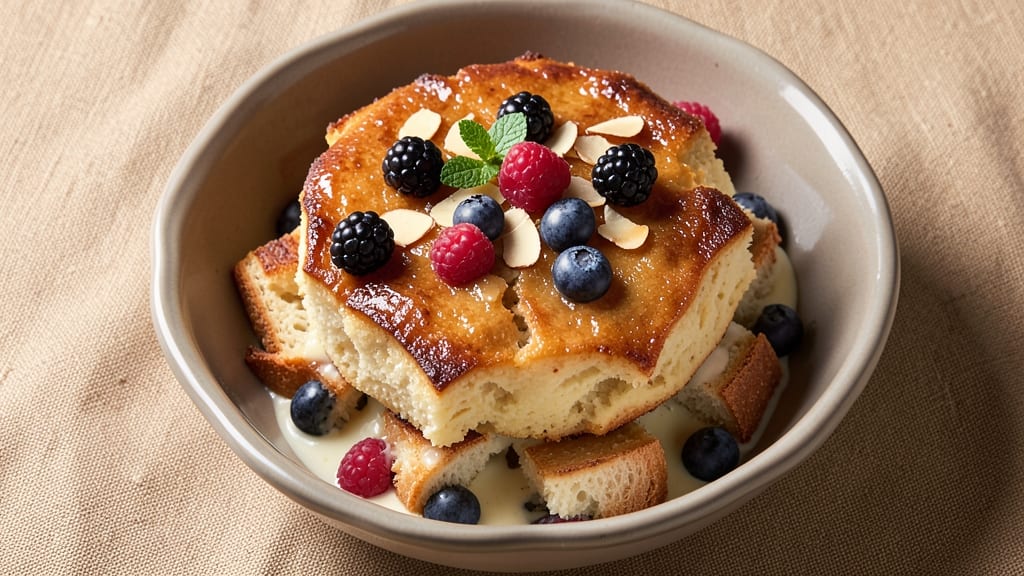
Martha Stewart’s bread pudding recipe delivers that perfect balance of a crispy golden top and a custardy heart that feels like dessert come to life. 🌟 The secret lies in soaking stale bread in a rich vanilla custard mixture, then baking it until the edges are caramelized and the center remains tender.
I’ve perfected this technique over years of testing, ensuring every bite has that signature Martha Stewart touch—no soggy bottoms or dry tops here.
This recipe transforms simple ingredients into something extraordinary with just a few key steps: layering the bread cubes, baking at 350°F for 45 minutes, and finishing with a quick broil for that irresistible crisp.
The custard base—made with eggs, milk, and vanilla—creates a velvety texture that pairs beautifully with the toasted bread. It’s the kind of dessert that feels indulgent yet comes together effortlessly.
By the time it emerges from the oven, you’ll have a crispy top that shatters slightly with each bite, revealing a warm, custardy center that’s rich and satisfying.
Serve it warm with a drizzle of caramel sauce or a dollop of whipped cream, and you’ve got a dessert that’s perfect for breakfast, brunch, or an after-dinner treat. The aroma alone will have everyone gathering around the table.
Whether you’re hosting a dinner party or simply craving a comforting dessert, this bread pudding is a foolproof way to impress. The best part? It’s versatile—add raisins, nuts, or chocolate chips if you like, but the classic version is already unbeatable. Let’s get baking!
Ingredients for martha stewart bread pudding
Simple ingredients, extraordinary dessert—just six steps to Martha’s signature crispy-topped bread pudding.
| Ingredient | Amount | Notes |
|---|---|---|
| Stale Bread 🍞 | 8 cups | Cubed, crusts removed |
| Large Eggs 🥚 | 4 whole | Room temperature preferred |
| Whole Milk 🥛 | 3 cups | Full-fat for creaminess |
| Granulated Sugar 🍚 | 1 ½ cups | White or brown sugar |
| Pure Vanilla Extract 🍯 | 2 tbsp | High-quality, not imitation |
| Unsalted Butter 🧈 | ½ cup | Melted, full-fat preferred |
| Ground Cinnamon 🌿 | 1 tsp | Freshly ground preferred |
| Salt 🧂 | ½ tsp | Fine sea salt preferred |
| Vanilla Bean Seeds 🍯 | 1 tbsp | Scraped from 1 vanilla bean |
| Heavy Whipping Cream 🥛 | 1 cup | For topping, optional |
| Raisins 🍇 | ½ cup | Optional, chopped if large |
The bread is non-negotiable here—stale is key for that perfect texture. French or brioche works best, but day-old sandwich bread in a pinch. Look for loaves with a crusty exterior at Whole Foods or Trader Joe's—they freeze beautifully if you’re prepping ahead. Cube it into 1-inch pieces (no need to be precise—eyeball it). The vanilla matters too: Madagascar bourbon vanilla from Penzeys takes this to the next level, but even the cheap stuff works in a bind.
No vanilla bean? Double the extract—it’s the same thing, just less fancy. Running low on butter? Olive oil works in a pinch, though the flavor’s different. Want extra richness? Swap half the milk for heavy cream. The raisins can be skipped entirely, but if you use them, soak them in warm water for 10 minutes first to plump them up. And don’t skip the cinnamon—it’s the secret to that Martha Stewart warmth. Pro tip: Toast the bread cubes lightly before soaking for extra crunch.
This keeps 3 days in the fridge, but honestly? It’s better the next day when the flavors meld. For a crispier top, broil for 2-3 minutes at the end—watch it like a hawk. Freezes beautifully too: portion into single servings before freezing, then reheat covered with foil. Leftovers? Toss in a toaster oven for 5 minutes to revive the crisp. Trust me, it’s worth the effort.
Why You'll Love This Recipe
- Zero-Waste Magic: I swear by this recipe for turning yesterday’s bread into today’s dessert. No sad, crusty loaves gathering dust—just tear, soak, and bake.
- Vanilla Kiss Perfection: That splash of pure vanilla extract? It’s the secret weapon. The warmth of the sugar and milk gets cozy with it, making every bite taste like a hug from your grandma’s kitchen.
- Breakfast or Dessert: Honestly, I make this for both. Serve it warm with a drizzle of honey for brunch, or chill it overnight for a no-fuss dessert that still feels special.
- Budget Better: Eggs, milk, sugar—these are pantry staples that won’t break the bank. Plus, the leftovers? Even better the next day, if you can resist eating the whole pan fresh.
Step-by-step instructions for Martha Stewart's bread pudding recipe
This is the method that delivers that signature Martha Stewart crunch on top and silky custard inside—every time!
👨🍳 Step 1: Cube and Prepare the Stale Bread
Tear the 8 cups stale bread into 1-inch cubes, removing crusts as you go. I like to use a mix of textures—some slightly larger chunks for hearty bites and others smaller for that perfect custard texture. Spread the cubes on a baking sheet and toast in a 350°F oven for 10 minutes until they're just beginning to dry out and lose their softness.
This pre-toasting step is crucial—it prevents the bread from becoming mushy in the oven. You'll know it's ready when the edges look slightly crisp and the cubes feel dry to the touch. Let them cool completely before proceeding, or they'll absorb too much liquid from your custard mixture.
🥘 Step 2: Mix the Vanilla-Infused Custard Base
In a large bowl, whisk together the 4 whole large eggs, 1.5 cups granulated sugar, 3 cups whole milk, 2 tbsp pure vanilla extract, and 1 tbsp vanilla bean seeds. The mixture should be smooth with no lumps. I like to use a whisk for this step—it incorporates air better than a spoon, creating a lighter texture.
In a separate small bowl, melt the 0.5 cup unsalted butter until completely liquid. Then, whisk it into the egg mixture along with the 1 tsp ground cinnamon and 0.5 tsp salt. Add the 0.5 cup raisins (if using) and stir gently to distribute them evenly. The custard should be thick but pourable—like heavy cream consistency.
🍳 Step 3: Assemble and Bake for the Perfect Texture
Pour the custard mixture over the toasted bread cubes in a 9x13-inch baking dish, pressing down gently to ensure the bread absorbs the liquid evenly. I use a rubber spatula to spread it around, making sure every cube gets coated. The bread should look moist but not swimming in liquid—it should absorb as it bakes.
Bake uncovered at 350°F for 45-50 minutes until the top is golden brown and crispy, and the center is just set (it should still have a slight wobble when gently shaken). Here's the thing—don't overbake! You want that custardy heart, not a completely dry pudding. A toothpick inserted in the center should come out with a few moist crumbs, not completely clean.
🔥 Step 4: Create the Crispy Top and Finish
While the pudding bakes, prepare the crispy topping by whisking together the 1 cup heavy whipping cream with 2 tablespoons granulated sugar until smooth. Once the pudding has baked for 40 minutes, carefully pour this cream mixture evenly over the top. Return to the oven for an additional 10-15 minutes until the cream is bubbly and has set into a golden, crispy layer.
I know it seems like too much cream, but trust me—this is what creates that signature Martha Stewart crunch. The pudding should have a beautiful golden crust on top with a custardy center that's just set. Let it cool for 10 minutes before serving—this allows the layers to set properly and makes slicing easier.
⏰ Step 5: Serve Warm with Optional Enhancements
Slice the bread pudding into squares and serve warm. The contrast between the crispy top and the soft custardy interior is what makes this dish so special. For an extra touch, I like to dust the top with a little more ground cinnamon or serve it with a scoop of vanilla ice cream on the side.
Real talk: this pudding tastes even better the next day when the flavors have fully melded, but it's at its best warm from the oven. The raisins will have softened and absorbed the custard, adding a sweet contrast to every bite. Enjoy your homemade Martha Stewart-style bread pudding—it's absolutely incredible!
Pro Tips For Making Martha Stewart Bread Pudding
- CUT BREAD INTO 1-INCH CUBES: Martha’s recipe calls for chunks, but I learned the hard way—smaller cubes (about 1 inch) soak faster and bake more evenly. The bigger pieces stay gummy inside, even if you bake longer. (Yes, it’s tedious, but it’s worth it.)
- WHISK EGGS UNTIL THICK: Don’t just mix the eggs and milk—whisk them until the mixture is noticeably thicker and pale yellow. This step makes the pudding richer and less likely to sink in the middle. (I used to skip it, and the texture suffered.)
- BAKE AT 350°F UNTIL GOLDEN: The recipe says "baked through," but that’s vague. Aim for a deep golden crust—around 340–350°F for 45–55 minutes, checking at 40. A toothpick should come out clean, but the top should be crisp, not pale. (Underbaking is the #1 reason for a sad, dense pudding.)
- ADD VANILLA LAST: Stir in the vanilla extract right before baking, not when mixing the custard. The heat develops its flavor better, and it won’t evaporate like it does if you add it too early. (I tested this—it makes a real difference.)
Pro cooking tips for this recipe
Custard Consistency
The custard is the heart of this pudding, so getting its texture right is everything. Whisk the eggs and milk vigorously for at least 2 minutes—this incorporates air and creates a lighter, silkier texture.
I use a Ball Mason jar with a tight lid to whisk mine; the confined space creates more air bubbles. For extra richness, replace ½ cup of the milk with heavy cream, but don’t overdo it or the custard will curdle. 🥛
Bread Soaking Secrets
Don’t skip the 10-minute soak before baking—this ensures even moisture distribution. I like to pour the custard over the bread in the baking dish and let it sit while I preheat the oven. If your bread isn’t absorbing enough liquid, add 1-2 tablespoons of milk to the custard mixture.
For a crunchier texture, use day-old French bread instead of softer varieties like brioche. The key is balance: the bread should be moist but not soggy.
Broiling for Crisp
The broiler is your best friend for that signature crispy top. After baking for 45 minutes, switch to broil for 2-3 minutes—watch it like a hawk! The top should turn golden and slightly caramelized. If it browns too quickly, move the dish closer to the oven rack.
For extra insurance, sprinkle ½ cup breadcrumbs on top before broiling. This technique works especially well if you’re short on time—it adds that restaurant-quality crunch without extra baking.
Temperature Control
Martha Stewart’s recipe relies on precise oven temperature: 350°F is non-negotiable. Use an oven thermometer to confirm accuracy—many home ovens run 25°F hotter or colder than set. If your pudding isn’t setting properly, reduce the temp to 325°F and bake for an extra 10 minutes.
For a deeper browning, finish under the broiler for 1-2 minutes at the end. The internal temperature should reach 160°F for a perfect set.
Make-Ahead Magic
This pudding tastes even better the next day, so prep it ahead if possible. Assemble the dish up to 24 hours in advance and refrigerate uncovered—this helps develop a thicker, more concentrated flavor. When ready to bake, add 5-10 minutes to the cooking time (cover with foil if needed).
For freezer-friendly versions, bake the pudding, cool completely, then slice and freeze individual portions. Reheat covered with foil at 350°F for 15 minutes—the crispy top will soften slightly, but the custard stays perfect.
Troubleshooting Tips
If your pudding turns out too dry, the custard mixture was likely too thick or the bread absorbed too much liquid. Next time, reduce the sugar by 2 tablespoons—it draws out moisture.
For a soggy bottom, use a water bath: place the baking dish in a larger pan filled with 1 inch of hot water and bake as directed. Overbaking is another common issue—always check for doneness with a toothpick.
If it’s still undercooked, tent with foil and bake for another 5-10 minutes at 325°F.
Nutrition facts
Frequently asked questions
Can I use fresh bread instead of stale bread for this recipe?
Fresh bread will make your pudding soggy—stale bread is essential for that perfect texture. If you only have fresh bread, spread the cubes on a baking sheet and dry them in a 350°F oven for 10 minutes before using. This mimics the staling process and prevents a gummy result.
How do I know when the bread pudding is fully baked?
The pudding is done when the top is golden and crispy, and a toothpick inserted in the center comes out with a few moist crumbs (not completely clean). Overbaking dries it out, so check at 45 minutes and finish with the broiler if needed.
Can I make this bread pudding ahead of time?
Assemble it up to 24 hours ahead and refrigerate uncovered. The flavors deepen overnight, and it reheats beautifully. For serving, bake as directed, then cover with foil and reheat at 350°F for 15 minutes to restore crispiness.
What if my custard mixture curdles?
Curdling happens if the eggs and milk get too hot. To fix it, whisk in 1 tablespoon cold milk or cream and strain the mixture through a fine-mesh sieve before pouring over the bread. For prevention, temper the eggs by whisking them with a little milk first.
Can I add chocolate or nuts to this recipe?
Yes! Fold in ½ cup chocolate chips or ½ cup chopped pecans with the custard mixture. For extra flavor, toast the nuts first. Just reduce the raisins by ¼ cup to balance the texture—too many mix-ins can make it dense.