
Side Dishes
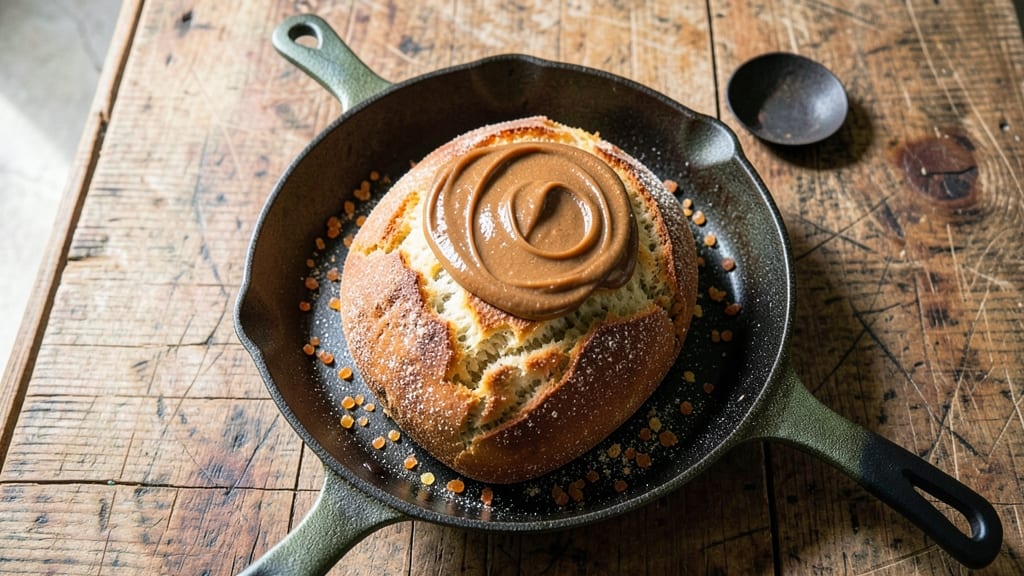
This African corn bread recipe brings a taste of West Africa to your table with its signature crumbly texture and subtle peanut butter sweetness. The secret lies in using a blend of cornmeal and all-purpose flour, combined with a touch of peanut butter for that signature depth.
I first discovered this recipe during a visit to Ghana, where it's traditionally served alongside stews and soups—its slightly sweet, dense crumb pairs perfectly with rich, savory dishes.
The dough comes together with just a few simple ingredients, including warm water, a pinch of salt, and a hint of sugar to balance the peanut butter's richness. What sets this apart is the baking technique: a hot oven ensures a golden crust while keeping the interior tender.
The peanut butter adds a subtle nuttiness that complements the cornmeal's earthy flavor, creating a bread that's both comforting and distinctive.
By the time it emerges from the oven, you'll have a slightly sweet, crumbly loaf with a texture that's denser than traditional corn bread but still light enough to soak up gravy or stew.
The peanut butter twist makes it uniquely satisfying—perfect as a side dish or even as a breakfast treat with butter or honey. This recipe delivers restaurant-quality results with minimal effort.
For added variation, try substituting a portion of the cornmeal with sorghum or millet flour for a more authentic African touch. Serve warm alongside your favorite stew or use it as a base for open-faced sandwiches. Here's how to make it—simple steps for a bread that tastes like home.
Ingredients for african corn bread
Eleven ingredients transform into West African-inspired bread with peanut butter richness and perfect crumb.
| Ingredient | Amount | Notes |
|---|---|---|
| Fine Cornmeal 🌽 | 2 cups | Medium grind preferred |
| All-Purpose Flour 🌾 | 1 cup | White or whole wheat |
| Natural Peanut Butter 🥜 | ½ cup | Creamy, unsweetened preferred |
| Granulated Sugar 🍚 | ¼ cup | White or light brown |
| Baking Powder 🧂 | 2 tsp | Aluminum-free preferred |
| Salt 🧂 | ½ tsp | Fine sea salt |
| Warm Water 💧 | 1 ¼ cups | 110°F for optimal mixing |
| Vegetable Oil 🫒 | ¼ cup | Light or canola |
| Vanilla Extract 🍯 | 1 tsp | Pure vanilla preferred |
| Groundnut Oil 🫒 | 1 tbsp | Or substitute peanut oil |
| Honey 🍯 | 2 tbsp | Optional for extra sweetness |
The cornmeal is non-negotiable for that signature texture—medium grind works best for a tender crumb. Look for Bob's Red Mill or King Arthur brands at grocery stores, as they're consistently high quality. If you're feeling adventurous, sorghum flour can replace up to half the cornmeal for an even more authentic African flavor profile. The peanut butter should be natural and unsweetened—brands like Smucker's or Skippy work well, but avoid anything with added sugars or oils. For a richer flavor, toast the peanut butter gently in a dry pan for 2-3 minutes before using.
No baking powder? Self-rising flour plus 1/4 tsp salt works as a substitute. Short on peanut butter? Sunflower seed butter provides a similar texture without the peanut flavor. The warm water is crucial—it should feel pleasantly hot to the touch (around 110°F), helping the dough come together smoothly. If you're baking at high altitudes, consider adding 1/4 tsp extra baking powder to ensure proper rise. The vanilla extract can be swapped for 1 tsp vanilla sugar if you prefer a more pronounced sweetness without liquid. For a nutty aroma, add 1/2 tsp ground cinnamon to the dry ingredients.
This bread keeps well at room temperature for 3-4 days when wrapped tightly in foil, though it's best enjoyed fresh. For longer storage, freeze portions for up to 3 months—wrap individually in plastic and thaw at room temperature before serving. The groundnut oil (or peanut oil) brushed on top before baking creates that signature golden crust. If you have leftovers, toast slices in a dry pan for 2-3 minutes to revive texture. The peanut butter flavor intensifies slightly the next day, making it even more delicious.
Why You'll Love This Recipe
- No Mixer Needed: I swear by this recipe when I’m in a rush—just stir the dry ingredients, fold in the peanut butter and sugar, then pour. No electric beaters, no stress, just a bowl and a spoon.
- Peanut Butter Magic: That rich, nutty peanut butter swirled into the crumbly cornmeal? It’s the secret weapon. The sugar caramelizes just enough to give it a subtle sweetness, but it’s the peanut butter that makes it ridiculously good—like a cross between a muffin and a cake.
- Weeknight Side or Snack: This bread is my go-to when I’m serving stews or grilled meats, but honestly? I’ll eat it straight from the pan with butter. It’s also the perfect make-ahead snack—wrap slices in foil and toss them in my bag for a satisfying lunch.
- Budget-Friendly Staple: Cornmeal and flour are cheap, peanut butter lasts forever, and you’re not using anything fancy. Plus, a single batch stretches for days—great for breakfast, dessert, or even crumbled over salads when you’re out of croutons.
Step-by-step instructions for African corn bread
This method delivers a perfectly crumbly, sweet-savory corn bread with a rich peanut butter depth and tender texture.
Combine Dry Ingredients for Even Distribution
In a large mixing bowl, whisk together the 2 cups fine cornmeal, 1 cup all-purpose flour, 2 teaspoons baking powder, and ½ teaspoon salt. The cornmeal should be medium grind for that authentic African texture—coarse grits would make the bread too dense. Sift the dry ingredients through a fine-mesh sieve if you have one; this removes any lumps and ensures a light, airy crumb.
Set the bowl aside while you prepare the wet ingredients. The key here is to keep everything separate until the very last moment—this prevents the cornmeal from absorbing moisture too early and forming a gummy paste. You'll know you're ready when the dry mixture looks uniformly blended with no visible flour pockets.
Mix Wet Ingredients to Perfect Consistency
In a separate bowl, combine the 1.25 cups warm water (about 110°F), 0.25 cup vegetable oil, 1 tablespoon groundnut oil, 1 teaspoon vanilla extract, and 2 tablespoons honey. The warm water helps activate the baking powder for maximum rise, while the oils create a tender crumb. Stir until the honey dissolves completely—this ensures even sweetness throughout.
Add the 0.5 cup natural peanut butter and whisk vigorously until fully incorporated. The peanut butter should blend smoothly with no visible streaks. If using a substitute like peanut oil, add it directly to the wet mixture. This step is where the bread gets its signature flavor—don't rush it. The mixture should be smooth and slightly thick, like heavy cream.
Gradually Combine Wet and Dry Ingredients
With the mixer on low speed, slowly pour the wet ingredients into the dry ingredients while mixing continuously. Stop mixing as soon as everything comes together—overmixing develops gluten and makes the bread tough. The batter should be thick but pourable, similar to pancake batter. If it's too stiff, add 1 tablespoon warm water at a time until it reaches the right consistency.
Here's the thing—this batter is different from traditional corn bread. It's denser because of the peanut butter and cornmeal combination, so don't be alarmed if it looks thick. The texture will adjust as it bakes. Give the batter one final stir with a spatula to ensure all ingredients are evenly distributed throughout.
Bake for Golden Perfection
Preheat your oven to 375°F. Grease an 8-inch square baking pan or cast iron skillet with a little vegetable oil—this prevents sticking and helps create that coveted crispy crust. Pour the batter into the prepared pan and smooth the top with a wet spatula. The batter will spread slightly as it bakes, so don't worry if it doesn't fill the pan completely.
Bake for 25-30 minutes until the top is golden brown and a toothpick inserted in the center comes out clean. The edges should pull away slightly from the pan, indicating proper doneness. If the top browns too quickly, tent loosely with aluminum foil after 20 minutes to prevent over-browning while the center finishes cooking.
Rest and Serve Warmly
Remove the corn bread from the oven and let it cool in the pan for 5 minutes. This resting period allows the internal structure to set, making it easier to slice. Transfer to a wire rack and let cool for another 10 minutes before slicing. The bread will be slightly warm but firm enough to handle—this is when it's at its peak texture.
Slice into 1-inch squares or thick rectangles for serving. The interior should be moist and tender with a subtle peanut butter sweetness, while the exterior has a delicate crispness. Serve warm with honey butter, fresh fruit, or alongside a hearty stew. The flavor improves as it cools slightly, so don't rush this step—patience ensures the best results.
Pro Tips For Making African Corn Bread
- Preheat Like It’s Hot: This isn’t your average bread—it’s got peanut butter and cornmeal, which means it needs a real oven kick. Fire up that oven to 400°F (200°C) for at least 15 minutes before baking. I learned this the hard way when my first batch came out dense and undercooked because the pan was still cold.
- Whisk the Peanut Butter: Natural peanut butter? Lumpy and stubborn. Give it a quick 30-second whisk with the flour and sugar before adding wet ingredients—this ensures even distribution and avoids weird pockets of peanut butter in your loaf. (Yes, even if you’re impatient like me.)
- Skip the Overmixing: Cornmeal and peanut butter are a match made in heaven, but lump it together gently—overmixing turns this into a gummy mess. Stir just until the dry ingredients are barely incorporated, then fold in the wet stuff. Your future self will thank you.
- Grease That Pan: This bread sticks like glue if you’re not careful. Use 1 tablespoon of oil or melted butter to coat the pan and a piece of parchment paper for easy release. (I used to skip this and ended up with a sad, torn loaf.)
Wine and beer pairings for this dish
West African Craft Beer
For an authentic pairing, reach for a West African craft beer like Ghanaian Star or Nigerian Guinness. These beers have a malty sweetness that complements the peanut butter notes in the bread while cutting through its richness.
The moderate alcohol content (around 4.5-5% ABV) ensures it won’t overpower the dish. I always keep a cold Ghanaian Star on hand—its banana and caramel undertones mirror the honey and peanut butter flavors in the corn bread. 🍺
Light-Bodied White Wine
A crisp, light-bodied white wine like Sauvignon Blanc from South Africa works beautifully. Look for one with citrus and herbal notes—brands like Chenin Blanc from Stellenbosch add a bright acidity that refreshes your palate between bites.
The wine’s minerality contrasts nicely with the bread’s peanut butter sweetness, while its subtle tropical fruit flavors echo the honey. Serve slightly chilled (around 45°F) to enhance its freshness. 🍷
Spiced Rum Cocktail
For a festive touch, try a spiced rum cocktail like African Spiced Rum Punch. Mix 2 oz African Spiced Rum (such as Plantation 3 Stars) with 1 oz pineapple juice, a splash of ginger beer, and a lime wedge.
The ginger and cinnamon notes in the rum complement the corn bread’s warmth, while the pineapple adds tropical brightness. Garnish with a peanut butter drizzle for a fun, unexpected twist that ties back to the recipe. 🍹
Traditional Palm Wine
If you’re feeling adventurous, palm wine (common in West Africa) is a bold but authentic choice. This lightly fermented, slightly sweet wine has a fruity, almost effervescent quality that pairs wonderfully with the bread’s peanut butter richness.
It’s best served chilled and slightly fizzy, straight from the bottle. For a modern twist, mix it with sparkling water to create a palm wine spritzer—it’s refreshing yet culturally authentic. 🍶
Non-Alcoholic Options
For a non-alcoholic pairing, try hibiscus tea (commonly called sour soup in West Africa). Brew hibiscus leaves with a pinch of salt and sugar for a tart, cranberry-like drink that cleanses the palate between bites.
The acidity balances the peanut butter’s richness, while the earthy notes of the tea complement the cornmeal. Serve ice-cold for the best experience. Alternatively, a ginger-mint iced tea with lemon adds a zesty contrast that’s equally refreshing. 🍃
Nutrition facts
Frequently asked questions
What makes this African corn bread different from regular corn bread?
The key differences lie in the ingredients and texture. This version uses peanut butter for a rich, nutty depth and a blend of cornmeal and all-purpose flour for a denser crumb. Traditional corn bread is lighter and often sweeter with just sugar and honey, while this one balances peanut butter's richness with vanilla and honey for a more complex flavor profile. The warm water and oils create a tender yet slightly crisp exterior too.
Can I substitute peanut butter with another nut or seed butter?
Yes! For a similar texture, try sunflower seed butter or cashew butter—both work well without altering the flavor dramatically. Tahini (sesame paste) adds a different earthy note, but the peanut butter's signature nuttiness is hard to replicate. If using sunflower seed butter, reduce the oil by 1 tablespoon since seed butters are naturally oil-rich.
Why does my African corn bread turn out too dense or gummy?
Overmixing the batter or using cold water are the most common culprits. Mix just until combined—stop as soon as the ingredients come together. Cold water (below 100°F) slows down the baking powder's activation, leading to a gummy texture. Always use warm water (110°F) and avoid overmixing to prevent gluten development. If the batter looks too thick, add 1 tablespoon warm water at a time until it reaches a pourable consistency.
How can I make this bread gluten-free?
Replace the all-purpose flour with a 1:1 gluten-free baking flour blend and use certified gluten-free cornmeal. Add ½ teaspoon xanthan gum to the dry ingredients to improve texture. The peanut butter and cornmeal will still provide structure, but expect a slightly denser crumb. Test the gluten-free flour blend first in small batches to ensure proper rise.
What’s the best way to store or reheat leftovers?
Wrap cooled slices tightly in plastic wrap or foil—they’ll stay fresh for 3-4 days at room temperature. For longer storage, freeze portions for up to 3 months. To reheat, warm slices in a dry skillet over medium heat for 1-2 minutes per side or microwave for 10-15 seconds. For extra crispiness, toast in the oven at 350°F for 5 minutes before serving.