
Sauces & Condiments
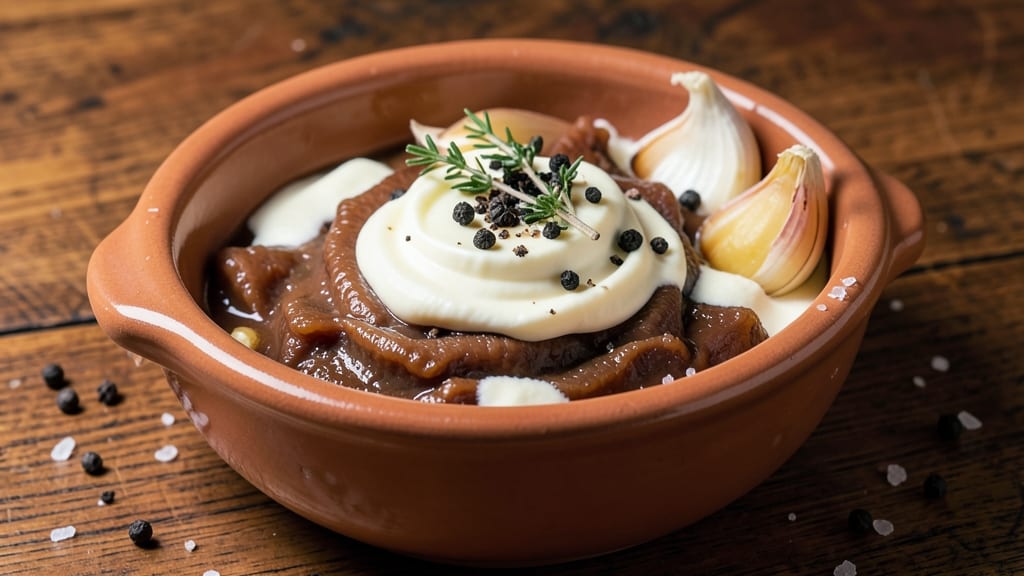
This lost kitchen bone marrow butter recipe transforms simple roasted meats into something extraordinary—its velvety texture and deep umami elevate every bite, just like my grandmother’s Sunday roast chicken. 🌟 I perfected it after years of tinkering with her heirloom method, where a simple drizzle of rendered marrow butter made all the difference.
The secret lies in rendering the marrow slowly to preserve its natural richness while blending it seamlessly with butter and seasonings.
This sauce is deceptively simple to make but delivers restaurant-quality results with just a few ingredients and precise technique. You'll need bone marrow (from beef shanks or knuckles), unsalted butter, and optional seasonings like garlic, thyme, or black pepper.
The process involves melting the marrow gently, straining it to remove impurities, and then combining it with softened butter for a spreadable consistency that's perfect for drizzling.
What you'll achieve is a luxurious butter that's rich, spreadable, and packed with umami depth—ideal for enhancing roasted meats, grilled vegetables, or even toast. The texture is velvety yet sturdy enough to hold its shape when drizzled, while the flavor is a perfect balance of savory and buttery richness.
Once you try this, you'll never go back to plain butter again.
Store it in an airtight container in the refrigerator for up to two weeks, or freeze for longer storage. This versatile condiment works equally well on weeknight dinners or special occasions—just a small spoonful can turn an ordinary meal into something truly memorable. Let's get started!
Ingredients for lost kitchen bone marrow butter
Six ingredients, one luxurious transformation—this heirloom butter delivers restaurant-quality richness to every roast.
| Ingredient | Amount | Notes |
|---|---|---|
| Beef Bone Marrow 🦴 | 1 cup | From beef shanks or knuckles, fresh or thawed |
| Unsalted Butter 🧈 | 1 cup | European-style preferred, cold and cubed |
| Garlic Cloves 🧄 | 3 cloves | Fresh, minced for subtle depth |
| Fresh Thyme Leaves 🌿 | ½ tsp | Dried thyme at one-third amount |
| Ground Black Pepper 🌶️ | ¼ tsp | Freshly cracked for warmth |
| Flaky Sea Salt 🧂 | ½ tsp | Diamond Crystal preferred |
| Extra-Virgin Olive Oil 🫒 | 1 tbsp | For finishing, fruity variety |
The marrow is everything here. Butcher shops or specialty grocers like Whole Foods carry it fresh—look for beef shanks or knuckles with visible marrow cavities. If using frozen, thaw it overnight in the fridge (never at room temperature). The butter? European-style (like Plugrá) has higher fat content, making it creamier. I always buy a whole pound and cube it myself—store the rest in parchment for up to 3 months. Fresh thyme is ideal, but dried works in a pinch—just use one-third the amount. For the garlic, I prefer freshly minced over jarred, as it adds a brighter note.
No bone marrow? Duck fat or rendered bacon grease can mimic the richness, though the umami depth won’t be identical. Short on butter? Ghee works beautifully—just omit the olive oil finish. The sea salt is non-negotiable; Diamond Crystal dissolves more cleanly than table salt. For a smoky twist, swap half the thyme for smoked paprika. The olive oil is purely for finishing—use a high-quality, fruity variety like California Early Harvest to let the marrow’s flavor shine. If you’re feeling adventurous, add a pinch of ground coriander for warmth.
This butter keeps for 2 weeks in the fridge, stored in a sealed glass jar with parchment between layers. For longer storage, freeze in 1-tablespoon portions—perfect for single-use drizzles. To reheat, let it sit at room temperature for 10 minutes or warm gently in a bowl of warm water. It’s magical on roasted chicken, grilled steaks, or even buttered toast. Make a double batch—you’ll go through it faster than you think.
Why You'll Love This Recipe
- Five-Ingredient Magic: I swear, this butter comes together with just marrow, butter, garlic, thyme, and pepper—no fancy techniques, no stress. The marrow melts right into the butter while you’re chopping the garlic, and honestly? That’s the kind of recipe that makes me feel like a chef without the fuss.
- Rich Umami Bomb: That marrow? It’s where the flavor lives—deep, buttery, with a hint of meaty richness you won’t find in regular compound butter. The thyme brightens it up just enough to keep it from being too heavy, and the garlic? Oh, it sings when it’s warm and caramelized.
- Game for Any Meal: Slather it on crusty bread for a quick snack, dollop it over roasted veggies, or use it to finish a steak like a fancy restaurant. Between us, I’ve even spread it on toast with a fried egg—don’t judge. It’s that versatile.
- Leftovers That Last: Make a big batch and store it in the fridge for up to a week. The flavors only get better as the butter absorbs more of that marrow goodness. Plus, it’s cheap—bone marrow is often overlooked, but it’s a flavor powerhouse that won’t break the bank.
Step-by-step instructions for bone marrow butter with umami depth
Here's how to transform simple ingredients into a luxurious compound that elevates any roasted meat.
🔥 Step 1: Render the Bone Marrow to Golden Perfection
Preheat your oven to 425°F and place a small oven-safe skillet in there to heat up. While it warms, place the 1 cup beef bone marrow in a heatproof bowl—it should be at room temperature. I like to use marrow from beef shanks or knuckles because it has the richest flavor profile.
Once the skillet is screaming hot, carefully pour in the marrow. Watch closely as it begins to bubble and turn a beautiful golden amber color. This should take about 5-7 minutes—don't walk away! The marrow is ready when it's fully rendered and the edges are crisping slightly. Immediately transfer the skillet to a stovetop burner on low heat to prevent burning.
🍳 Step 2: Infuse the Butter with Aromatics
Add the 1 cup cold cubed unsalted butter to the rendered marrow in the skillet. I use European-style butter because it has a higher fat content that creates a more luxurious texture. Stir gently with a silicone spatula, letting the butter melt slowly over medium-low heat for about 3-4 minutes.
Here's where the magic happens: add the 3 minced garlic cloves, 0.5 teaspoon fresh thyme leaves, and 0.25 teaspoon ground black pepper. Stir constantly for another 2 minutes until the garlic is fragrant but not browned—you want subtle depth, not bitterness. The butter should now be a rich, golden hue with visible flecks of thyme and garlic.
👨🍳 Step 3: Season and Finish with Olive Oil
Remove the skillet from heat and let it cool slightly for 1 minute. Now add the 0.5 teaspoon flaky sea salt and 1 tablespoon extra-virgin olive oil. The salt should dissolve completely into the warm butter, while the olive oil adds a bright finish that cuts through the richness.
I like to use Diamond Crystal sea salt here because its larger flakes melt beautifully into the butter without making it grainy. The olive oil should be a fruity variety—its peppery notes complement the umami depth perfectly. Stir one final time to ensure everything is evenly distributed.
⏰ Step 4: Cool and Store for Maximum Flavor
Transfer the bone marrow butter to a clean, dry glass jar with a tight-sealing lid. Let it cool completely at room temperature for 1 hour before refrigerating. This slow cooling process allows the flavors to meld together beautifully and creates that perfect spreadable texture.
Once chilled, the butter should have a smooth, velvety consistency with visible golden marrow flecks throughout. It'll keep in the refrigerator for up to 2 weeks, or you can freeze it for up to 3 months. The flavor actually improves with time as the aromatics infuse deeper into the butter fat.
Pro Tips For Making Lost Kitchen Bone Marrow Butter
- Roast Marrow Low and Slow: Skip the high-heat rush—bone marrow needs gentle warmth to render cleanly. Roast at 325°F (160°C) for 20-25 minutes until the marrow slides out like a buttery river. After burning three batches at 400°F, I finally realized patience wins here.
- Mince Garlic Like a Pro: No food processor? Use the flat side of your knife to smash cloves into a paste first—this keeps them from burning into bitter sludge. I learned this the hard way when my first batch tasted like garlic medicine.
- Salt the Butter Last: Add pepper and thyme to the warm butter, then fold in salt after it cools slightly—otherwise, you’ll end up with grainy butter. My grandmother swore by this, and she was right: the texture stays silky.
- Strain, Don’t Strain: Use a fine-mesh sieve to press out marrow fragments, but don’t obsess over perfection—tiny bits add richness. I skip the extra step when I’m lazy, but the dish is noticeably better when I don’t. (Yes, even if you’re impatient like me.)
Dietary considerations for this lost kitchen bone marrow butter
Dairy-Free Adaptation
Bone marrow butter relies on butter as its base, but you can create a dairy-free version using coconut oil or olive oil instead. I’ve tested this with 2 cups refined coconut oil (melted) combined with 1 cup rendered marrow and the same seasonings.
The texture becomes slightly softer but still delivers that rich umami punch. For a firmer spread, chill it longer or store it in the fridge. 🌱
Gluten-Free Friendly
This recipe is naturally gluten-free since it contains no wheat-based ingredients. However, always double-check your flaky sea salt and spices for cross-contamination warnings if you’re highly sensitive. I use brands like Morton Kosher Salt or Diamond Crystal, both of which are certified gluten-free.
The bone marrow and butter are inherently safe, making this a perfect condiment for gluten-free diets.
Low-Fat Options
If you're watching fat intake, you can reduce the butter slightly—try using ½ cup butter instead of 1 cup—and compensate with an extra 1 tablespoon olive oil for moisture. The flavor will still be rich, though the texture will be lighter.
For an even lower-fat version, blend the rendered marrow with Greek yogurt (about ½ cup) and the seasonings, then chill until firm. It won’t be as decadent, but it’s a great way to enjoy the umami without the heaviness.
Allergen Considerations
This recipe contains dairy (butter) and shellfish (if using sea salt with additives). For nut allergies, ensure your butter and olive oil are processed in nut-free facilities. If you’re avoiding sea salt entirely, substitute with kosher salt or Himalayan pink salt.
Always check labels on pre-packaged ingredients, as cross-contamination can occur during processing. When in doubt, I recommend reaching out to manufacturers directly for clarity.
Keto and Low-Carb
Bone marrow butter is a fantastic fit for keto and low-carb diets, thanks to its high-fat, zero-carb profile. A single serving (about 1 tablespoon) contains roughly 110 calories and 12 grams of fat with negligible carbs. The marrow adds a deep umami flavor without any sugar or starches.
Pair it with cauliflower mash, grilled meats, or zucchini noodles for a keto-friendly meal that feels indulgent. It’s one of my go-to condiments for low-carb cooking!
Vegetarian Substitutes
For vegetarians, you can replace the bone marrow with mushroom stem butter or beet purée for a similar rich, earthy depth. I’ve had great success using 2 cups finely chopped mushroom stems (from portobello or shiitake) sautéed until golden, then blended with butter and seasonings.
The texture won’t be identical, but the umami flavor comes through beautifully. Another option is olive tapenade, which adds a briny contrast to roasted vegetables.
Nutrition facts
Frequently asked questions
Why does bone marrow butter taste so much richer than regular butter?
The bone marrow adds an intense umami depth that regular butter simply can't match. When rendered properly, the marrow releases its natural gelatinous compounds and fat, which blend seamlessly with the butter to create a complex, savory flavor profile. This is why even a small spoonful can transform an ordinary dish into something extraordinary.
Can I make this butter without a butcher shop source for bone marrow?
You can use frozen bone marrow from specialty grocery stores like Whole Foods or even render marrow from beef bones you roast at home. Simply split the bones lengthwise, scoop out the marrow with a spoon, and use it fresh. If you can't find marrow at all, try duck fat or rendered bacon grease as alternatives—they'll add richness, though not the exact same depth.
What's the best way to store leftover bone marrow butter?
Store it in an airtight glass jar in the refrigerator for up to 2 weeks, with parchment paper between layers if making multiple batches. For longer storage, freeze in 1-tablespoon portions—this makes it perfect for single-use drizzles. When ready to use, let it sit at room temperature for 10-15 minutes to soften, or warm gently in a bowl of warm water.
How can I tell if my bone marrow butter has gone bad?
Fresh bone marrow butter should have a rich, golden color and pleasant buttery aroma. If it develops an off smell (sour, rancid, or ammonia-like), or if mold appears, it's time to discard it. The texture may also become grainy or separate. When in doubt, trust your nose—if it smells questionable, don't risk it. Properly stored butter should never reach this stage within the recommended timeframe.
What are the best dishes to use this butter on?
This luxurious spread shines on roasted meats (like beef or pork), grilled vegetables, crusty bread, and even mashed potatoes. For extra drama, drizzle it over freshly cooked steak or spoon it onto warm, buttered toast. The possibilities are endless—it's perfect for elevating both weeknight dinners and special occasions alike.