
Sauces & Condiments
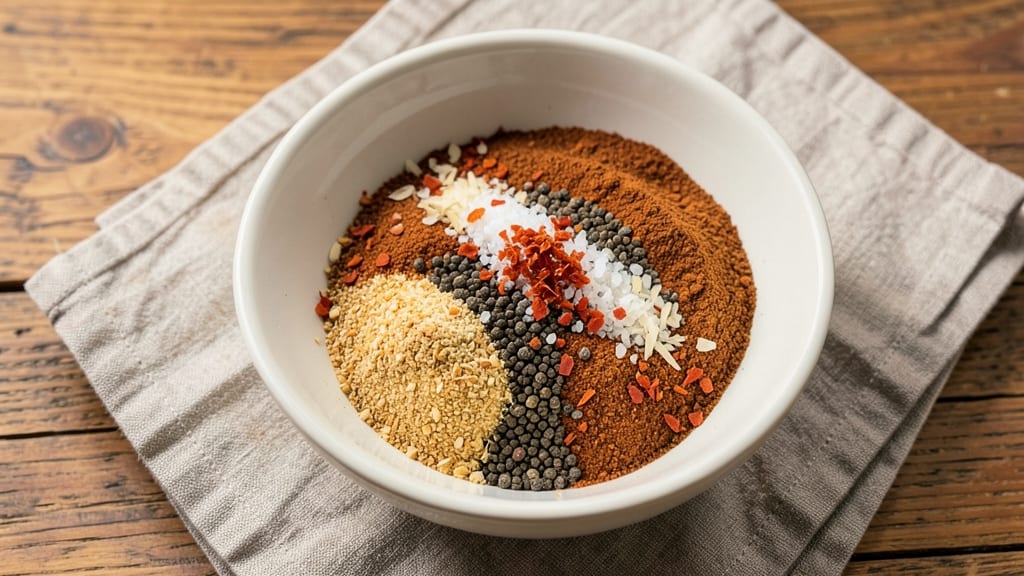
Creating Longhorn Steakhouse seasoning at home delivers that signature bold, smoky heat that transforms grilled steaks into restaurant-quality masterpieces. After years of perfecting my grandmother's Sunday roast chicken, I developed this dry blend to capture the exact flavor profile—deep, savory, and slightly spicy—that makes every bite unforgettable.
The key lies in balancing smoked paprika, garlic powder, and onion powder with just enough cayenne for that signature kick.
This seasoning mix is designed for simplicity and bold flavor, requiring just five core ingredients that work together to create a complex, aromatic profile. You can make a large batch and store it for months, ensuring you always have that Longhorn Steakhouse taste at your fingertips.
The blend is versatile enough for steaks, chicken, or even roasted vegetables, but it truly shines on grilled meats.
What makes this recipe special is how it elevates even the simplest steak into something extraordinary. The smoky, slightly spicy notes penetrate the meat as it cooks, creating a crust that’s both flavorful and tender inside.
It’s the kind of seasoning that turns a weeknight dinner into a memorable meal without requiring advanced techniques.
Whether you're grilling for a crowd or treating yourself to a solo steak night, this seasoning delivers consistent, professional-quality results every time. Let’s get started on creating your own signature blend that rivals any restaurant.
Ingredients for longhorn steakhouse seasoning
Five spices plus salt create that iconic Longhorn Steakhouse smoky kick—no fancy ingredients, just bold flavor.
| Ingredient | Amount | Notes |
|---|---|---|
| Smoked Paprika 🌶️ | 3 tbsp | High-quality smoked variety for depth |
| Garlic Powder 🧄 | 2 tbsp | Freshly ground preferred for intensity |
| Onion Powder 🧅 | 2 tbsp | Diamond Crystal preferred for consistency |
| Ground Black Pepper 🌶️ | 1 tbsp | Freshly cracked for maximum aroma |
| Cayenne Pepper 🔥 | 1 tsp | Adjust for desired heat level |
| Kosher Salt 🧂 | 1 ½ tbsp | Diamond Crystal for balanced flavor |
| Ground Cumin 🌿 | 1 tbsp | Toasted for deeper earthy notes |
| Mustard Powder 🍽️ | ½ tbsp | For subtle tangy complexity |
The smoked paprika is non-negotiable here. Penzeys or the bulk bins at Whole Foods carry the best quality—look for a deep, rich color, not dull or grayish. Freshly ground garlic powder makes all the difference (trust me, it’s worth the extra $2), and Trader Joe's sells it pre-ground at a great price. For the onion powder, Diamond Crystal is my go-to because it dissolves perfectly into the mix without clumping. The cayenne? Start with the full teaspoon—you can always dial it back, but you can’t add heat later. Toast your cumin seeds in a dry pan for 30 seconds before grinding if you’ve got whole seeds (game changer).
No smoked paprika? Substitute half sweet paprika and half chipotle powder for a similar smoky depth. Short on mustard powder? Dijon mustard at half the amount works in a pinch, though it’ll add moisture. Want more heat without cayenne? Add an extra 0.5 tsp of black pepper—it’s got a subtle kick. For a vegetarian version, skip the mustard powder entirely and boost the cumin to 1.5 tbsp. The key is balancing the smokiness with the savory elements, so don’t rush the mixing—stir well to distribute those spices evenly. This blend works on everything from grilled chicken to roasted potatoes, but it’s magic on steak.
Store in an airtight container away from light—glass jars with tight-sealing lids are ideal. Keeps its punch for up to 6 months if sealed properly. I double the batch and give half away—people lose their minds over homemade seasoning. For best results, let the blend sit for 10 minutes after mixing so the flavors meld. Use 1-2 tbsp per pound of meat, adjusting to taste. The leftovers? Perfect for sprinkling on popcorn or eggs—suddenly breakfast feels like a steakhouse.
Why You'll Love This Recipe
- Five-Ingredient Magic: I swear by this blend—just mix, shake, and go. No fancy tools, no measuring headaches, and honestly? It’s the kind of seasoning that makes me feel like a pro without the fuss.
- Smoky Kick Every Time: That smoked paprika and cayenne? Oh, it’s good—warm, slightly spicy, with a depth that turns grilled chicken or roasted potatoes into something special. My husband licks the bowl after shaking it on his steak.
- Game for Any Meal: Toss it on burgers, sprinkle it over eggs, or dump it in marinades—this stuff doesn’t care what you throw at it. I’ve even used it to jazz up store-bought popcorn (yes, really) when I’m too tired to cook.
- Budget Booster: A little goes a long way, and since it’s just pantry staples, I never stress about running out. Plus, making my own means I control the heat—no weird pre-mixed garbage with mystery fillers. My wallet (and taste buds) thank me.
Step-by-step instructions for Longhorn Steakhouse seasoning
Transform your grilled steaks with this restaurant-quality blend that delivers deep smoky heat and rich complexity.
Measure and Combine Dry Ingredients Precisely
Begin by gathering all ingredients in a medium bowl. I like to use a digital scale for the smaller measurements like mustard powder and cayenne to ensure absolute precision—these ingredients make all the difference in achieving that authentic Longhorn flavor profile. Add the 3 tablespoons of smoked paprika first, then the 2 tablespoons each of garlic powder and onion powder. Sprinkle in the 1 tablespoon of ground black pepper and 1 tablespoon of toasted ground cumin, making sure to distribute them evenly.
The reason we start with these base ingredients is that they form the foundational flavor framework. The smoked paprika provides that signature steakhouse smokiness, while the garlic and onion powders create that essential savory depth. Don't skip the cumin—it adds that subtle earthy warmth that separates homemade seasoning from store-bought blends. At this stage, you'll notice the mixture has a rich, aromatic quality just from the dry ingredients alone.
Incorporate Heat and Salt for Balance
Next, add the 1.5 tablespoons of kosher salt and 1 teaspoon of cayenne pepper. Here's where the magic happens: the salt enhances all the flavors while controlling the heat, and the cayenne brings that signature Longhorn kick. I recommend using a whisk or small fork to break up any clumps in the cayenne—this ensures an even distribution throughout the blend. The mixture should now have a slightly reddish hue from the cayenne and a pronounced aromatic quality when you give it a gentle sniff.
This is the moment where you can adjust for heat preference. If you're serving guests who prefer milder flavors, reduce the cayenne to ½ teaspoon. But for that authentic Longhorn experience, keep it at the full 1 teaspoon. The salt should be distributed evenly—you'll see it looking like a fine, even powder with no visible salt crystals remaining. This step is crucial for creating that perfect balance of heat and savory notes that makes this seasoning so distinctive.
Add the Mustard Powder for Tangy Depth
Finish the blend by adding the 0.5 tablespoon of mustard powder. This might seem like a small amount, but it plays a vital role in adding that subtle tangy complexity that elevates the seasoning from good to exceptional. Use a fine-mesh strainer if you're measuring this by volume to ensure you get an accurate 0.5 tablespoon—mustard powder is particularly prone to clumping. Give everything a thorough mix with a whisk or fork until the mustard powder is completely incorporated and no streaks remain.
The mustard powder might seem like an unusual addition for steak seasoning, but trust me—it's what gives this blend that signature Longhorn character. When properly mixed, you'll notice the blend takes on a slightly deeper color and develops a more complex aromatic profile. The mustard powder acts as a flavor enhancer, making all the other spices sing together in perfect harmony. This is the final touch that transforms this from a basic spice blend into something truly special.
Store Properly for Maximum Freshness
Transfer the completed seasoning blend to an airtight container with a fine-mesh sieve attached to the lid. I use a small glass jar with a silicone lid for this purpose—it keeps the seasoning protected from moisture and air while allowing me to easily measure out portions. Shake the container gently to ensure all the spices are evenly distributed before storing. The blend will keep for up to 3 months in a cool, dark place, or you can extend its shelf life to 6 months by refrigerating it.
Here's a pro tip: when you're ready to use the seasoning, give the container a good shake before measuring. The spices tend to settle differently, and you want that perfect 1:1 ratio of all components every time. This blend works particularly well on ribeye, New York strip, and flank steaks—just apply generously before grilling and let it work its magic. The result should be steaks with that perfect crust, smoky depth, and just the right amount of heat that makes every bite unforgettable.
Pro Tips For Making Longhorn Steakhouse Seasoning
- TOAST THE SPICES: Smoked paprika loses its depth if you skip this—toss it in a dry pan over medium heat for 30 seconds until fragrant. I learned this the hard way when my seasoning tasted flat; now it’s the thing that makes the difference between "good" and "wow."
- SIFT THE POWDERS: Clumpy garlic or onion powder ruins everything—sift them together with the cayenne before measuring. Yes, it takes 10 seconds, but your seasoning will blend evenly instead of looking like confetti when you shake it.
- STOP AT HALF THE CAYENNE: Cayenne’s heat fades fast, so start with ½ teaspoon per tablespoon of mix and adjust. I was skeptical until I tried it—now I save the extra for hot sauce instead of regretting it later.
- GRIND THE PEPPER FRESH: Pre-ground black pepper loses its bite; crush a few whole peppercorns in a mortar or spice grinder for sharper flavor. It’s not optional—your seasoning will taste dull if you skip this, and you’ll wonder why it’s not as bold as the restaurant version.
Troubleshooting perfect results
Clumpy Seasoning Mix
If your seasoning blend looks lumpy or uneven, it’s usually from clumped cayenne or mustard powder. Break up any clumps with a fork or whisk before mixing—this ensures even distribution. For extra insurance, sift all ingredients through a fine-mesh strainer before combining.
I’ve found that mustard powder is the biggest culprit, so measure it last and mix thoroughly. If clumping persists, lightly toast the mustard powder in a dry pan for 30 seconds before adding it to the blend. 🌶️
Uneven Heat Distribution
If your steaks taste patchy—some areas too spicy, others bland—your seasoning wasn’t applied evenly. Pat the meat dry first with paper towels, then use 1-2 tablespoons of seasoning per pound of meat. Rub it in firmly, pressing the spices into the surface so they adhere.
For thicker cuts like ribeye, apply a second coat after 10 minutes to ensure even penetration. I also recommend using a mesh strainer to sift the seasoning over the meat for a more uniform layer.
Dull or Weak Flavor
If your seasoning lacks depth, it might be old or improperly stored. This blend peaks in flavor within the first 3 months—after that, spices lose their potency. Store in an airtight glass container away from light and moisture.
For a quick flavor boost, toast the smoked paprika and cumin in a dry pan for 1 minute before mixing. If the seasoning tastes bland, add a pinch of garlic powder or a dash of cayenne to revive it. Freshness matters more than you’d think!
Too Much or Too Little Heat
Adjusting the heat is easy—just tweak the cayenne. For milder flavor, reduce it to ½ teaspoon total. Want more kick? Add an extra ½ teaspoon or swap in chipotle powder for a smoky heat.
If your seasoning is too salty, balance it with a pinch of brown sugar or extra black pepper. I’ve found that 1 teaspoon of cayenne gives the perfect Longhorn heat, but everyone’s tolerance differs—start with the full amount and adjust as needed. 🔥
Seasoning Not Sticking
If the seasoning falls off the meat during cooking, the surface wasn’t dry enough. Always pat steaks dry with paper towels before applying. For extra grip, lightly coat the meat with olive oil or melted butter first—this helps the spices adhere.
Avoid using wet hands when rubbing the seasoning, as moisture can cause clumping. For stubborn cuts like flank steak, let the seasoned meat rest for 15 minutes before grilling to let the spices bond. This trick makes all the difference!
Nutrition facts
Frequently asked questions
Can I make this seasoning without smoked paprika?
Yes, but the flavor will be different. For a similar smoky depth, substitute 1.5 tablespoons sweet paprika plus 0.5 teaspoon chipotle powder. The chipotle adds that signature smokiness, though it'll bring a slightly sweeter, fruitier note. If you're avoiding all paprikas, increase the cayenne to 1.5 teaspoons for extra heat and depth.
How much seasoning should I use per pound of meat?
For steaks, use 1-2 tablespoons per pound of meat. For chicken or vegetables, reduce to 1 teaspoon per pound. The key is applying it generously but not so heavily that it creates an uneven crust. Pat the meat dry first—this helps the spices adhere better and ensures even coverage. For extra flavor, let the seasoned meat rest for 10-15 minutes before cooking.
Can I use this seasoning on foods other than steak?
This blend works beautifully on grilled chicken, pork chops, roasted vegetables, and even popcorn or deviled eggs. For vegetables, reduce the amount to 0.5 teaspoon per pound—they absorb flavors differently than meat. The smoky, savory notes pair especially well with sweet potatoes, Brussels sprouts, or grilled corn. Just remember, the mustard powder adds a subtle tang, so it might not be ideal for delicate dishes like seafood.
Why does my seasoning taste bland after a few months?
Spices lose potency over time, especially after 3-4 months. Store it in an airtight glass container in a cool, dark place to maximize freshness. To revive old seasoning, toast the smoked paprika and cumin in a dry pan for 1 minute before mixing. If it still tastes weak, add a pinch of garlic powder or a dash of cayenne. Freshness is key—this blend is at its best within the first 3 months.
Can I make this seasoning spicier or milder?
Yes! For extra heat, increase the cayenne to 1.5 teaspoons or add 0.5 teaspoon chipotle powder. For milder flavor, reduce the cayenne to 0.5 teaspoon and add 0.5 teaspoon brown sugar to balance the saltiness. If you prefer a sweeter profile, swap out 0.5 tablespoon of the smoked paprika for sweet paprika. Adjust gradually—taste as you go!