
Side Dishes
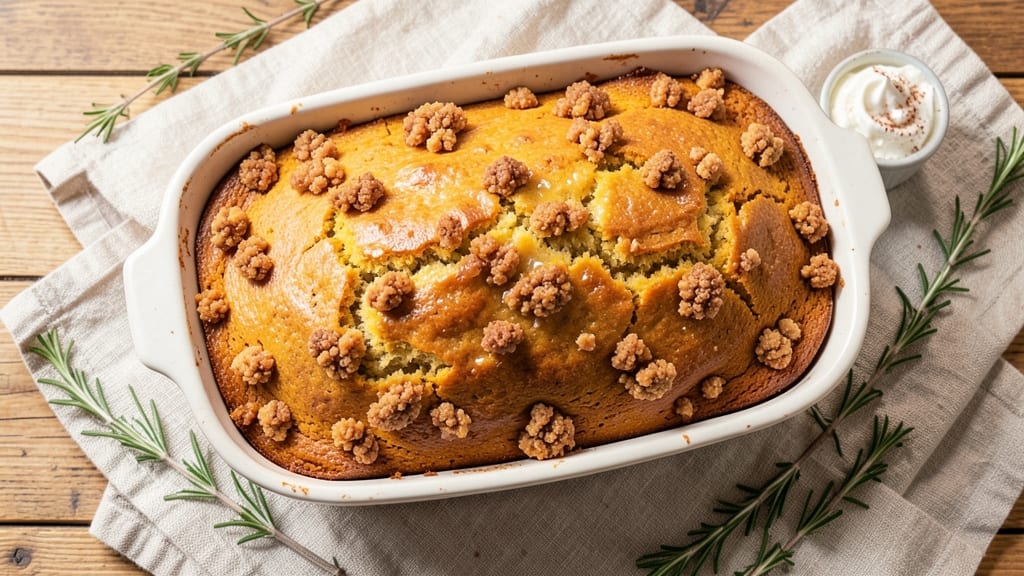
Libby's original pumpkin bread recipe delivers that nostalgic, spiced aroma that turns any kitchen into a cozy autumn haven. The secret lies in balancing sweet pumpkin puree with warm cinnamon and nutmeg, creating a moist crumb that crumbles just slightly at the edges.
I've perfected this recipe over years of baking, ensuring every slice stays tender and flavorful—no dry, dense loaves here.
This classic pumpkin bread features a signature swirl of spiced streusel that adds texture and depth with every bite. The recipe uses simple pantry staples—no fancy ingredients required—yet the result is a loaf that tastes like a bakery masterpiece.
Baking time is straightforward, and the oven temperature is set to ensure even cooking throughout.
What makes this recipe truly special is how it captures that perfect balance of moistness and spice. The pumpkin puree keeps it tender, while the streusel topping adds a delightful crunch. It's the kind of bread that pairs beautifully with morning coffee or afternoon tea, offering comfort in every slice.
For those who love tradition, this recipe stays true to the original while allowing room for personal touches—think adding chopped pecans or a hint of orange zest. The instructions are clear enough for beginners, yet experienced bakers will appreciate the precision that makes this a reliable favorite. Let's get baking!
Ingredients for libby's original pumpkin bread
Pantry staples meet autumn nostalgia in this classic loaf—moist crumb and spiced swirls guaranteed.
| Ingredient | Amount | Notes |
|---|---|---|
| Canned Pumpkin Puree 🎃 | 1 cup | Unsweetened, smooth texture |
| Granulated Sugar 🍚 | 1 ½ cups | White or light brown |
| Light Brown Sugar 🍚 | ½ cup | Packed firmly |
| Unsalted Butter 🧈 | ½ cup | Room temperature, full-fat |
| Large Eggs 🥚 | 2 whole | Room temperature |
| All-Purpose Flour 🌾 | 1 ½ cups | Sifted, standard brand |
| Ground Cinnamon 🌿 | 1 ½ tbsp | Freshly ground preferred |
| Ground Nutmeg 🌿 | ½ tsp | Freshly grated nutmeg |
| Ground Ginger 🌿 | 1 tsp | Freshly ground |
| Baking Soda 🧪 | 1 tsp | Freshly opened |
| Salt 🧂 | ½ tsp | Fine sea salt |
| Vanilla Extract 🌸 | 1 tsp | Pure, high-quality |
| All-Purpose Flour (Streusel) 🌾 | ½ cup | For streusel topping |
| Light Brown Sugar (Streusel) 🍚 | ¼ cup | Packed firmly |
| Ground Cinnamon (Streusel) 🌿 | ½ tbsp | For streusel topping |
| Unsalted Butter (Streusel) 🧈 | ¼ cup | Cold, cubed |
The pumpkin puree sets the foundation—Libby's brand is the standard here, but any unsweetened canned pumpkin works. Brown sugar adds moisture and depth, so don't skimp on the packed measurement. For the butter, Land O'Lakes or Plugrá are reliable choices, but any unsalted brand will do. Room temperature butter mixes better, so take it out 30 minutes before baking. The ground spices should be fresh—if they smell dusty, toss them. Penzeys or McCormick offer high-quality blends, but bulk bins at Whole Foods are cost-effective for occasional bakers.
No brown sugar? White sugar plus a pinch of molasses mimics the flavor. Substitute almond flour for up to half the all-purpose flour if gluten-free, though texture will differ. Fresh nutmeg is non-negotiable—pre-ground loses potency quickly. For the streusel, old-fashioned oats can replace half the flour for extra texture. Cold butter in the streusel ensures a crumbly topping, so resist the urge to soften it. Orange zest (½ tsp) adds brightness if you're feeling adventurous—just omit the extra nutmeg to balance.
This loaf keeps well for 3-4 days at room temperature, wrapped in foil. Slice and freeze portions for up to 3 months—perfect for quick breakfasts. For extra moisture, brush slices with melted butter before serving. The streusel topping hardens as it cools, so reheat slices for 10 seconds to restore that bakery-fresh crunch. Double the recipe for a crowd—just bake in a 9x13-inch pan for a single layer.
Why You'll Love This Recipe
- Pantry-Friendly Magic: I swear by this recipe because it uses what’s already in my cupboards—no special trips, no last-minute shopping. That canned pumpkin? The butter you already softened? The eggs gathering dust in the fridge? Boom—baking magic happens.
- Spice-Sugar Balance: Between the brown sugar’s caramel depth and the pumpkin’s natural sweetness, this bread tastes like autumn in every bite. Honestly, the molasses notes from the brown sugar make it richer than any plain pumpkin loaf I’ve tried.
- Breakfast or Snack: Slice it warm with butter for a morning treat or pack it in lunchboxes—it’s equally good both ways. My kids grab it after school, and I sneak a slice at my desk. (Yes, even on a Tuesday.)
- No-Waste Winner: A single batch feeds my family for days, and it freezes like a dream. I bake two loaves at once, wrap them tightly, and pull one out whenever I need a quick, budget-friendly dessert. Zero guilt, all flavor.
Step-by-step instructions for Libby's original pumpkin bread recipe
Here's how to create the perfect classic pumpkin bread with a moist crumb and signature spice swirls.
Prepare the Streusel Topping
In a medium bowl, combine the 0.5 cup all-purpose flour (streusel), 0.25 cup light brown sugar (streusel), and 0.5 tablespoon ground cinnamon (streusel). Cut in the 0.25 cup unsalted butter (streusel) using a pastry cutter or your fingers until the mixture resembles coarse crumbs with some pea-sized butter pieces remaining. This texture creates the perfect balance of crunch and tenderness in the topping.
Set the streusel mixture aside while you prepare the cake batter. The cold butter in the streusel will help maintain its structure during baking, preventing it from becoming too compacted or greasy. If the mixture feels too dry, you can add an extra tablespoon of flour, but don't overdo it or the streusel will lose its flavor and texture.
Mix the Wet Ingredients
In a large mixing bowl, cream together the 0.5 cup unsalted butter and 1.5 cups granulated sugar using an electric mixer on medium speed until light and fluffy, about 3-4 minutes. This step incorporates air into the mixture, which helps create a tender crumb in the finished bread.
Add the 2 whole large eggs, one at a time, mixing well after each addition. Then stir in the 1 cup canned pumpkin puree and 1 teaspoon vanilla extract until fully combined. The mixture should be smooth and well incorporated. If you notice any lumps, gently press them through a fine-mesh sieve to ensure a silky batter. This step builds the foundation for the bread's moist texture and rich flavor.
Combine Dry Ingredients and Create the Swirl
In a separate bowl, whisk together the 1.5 cups all-purpose flour, 1.5 tablespoons ground cinnamon, 0.5 teaspoon ground nutmeg, 1 teaspoon ground ginger, 1 teaspoon baking soda, and 0.5 teaspoon salt. Gradually add this dry mixture to the wet ingredients, mixing on low speed until just combined. Avoid overmixing, as this can develop gluten and make the bread dense.
Pour half of the batter into a greased 9x5-inch loaf pan. Sprinkle half of the streusel mixture evenly over the batter. Then, carefully pour the remaining batter over the streusel, creating a swirl effect. Top with the remaining streusel mixture, pressing it down gently but not packing it too tightly. This layering technique creates the classic swirled pattern while ensuring each bite has both cake and streusel.
Bake to Golden Perfection
Preheat your oven to 350°F. Bake the pumpkin bread for 50-60 minutes, or until a toothpick inserted into the center comes out clean. The bread is done when the top is golden brown and the edges pull away slightly from the pan. If the top browns too quickly, tent the pan with aluminum foil to prevent over-browning while allowing the center to cook through.
During the last 10 minutes of baking, watch for the streusel to turn a rich golden color. The bread should spring back slightly when pressed gently in the center. Remove from the oven and let it cool in the pan for 10 minutes before transferring to a wire rack to cool completely. This resting period allows the bread to set properly and makes slicing easier without crumbling.
Pro Tips For Making Libby'S Original Pumpkin Bread
- MEASURE THE PUMPKIN FIRST: I learned this the hard way—dumping that can of pumpkin straight from the shelf into the batter without checking the volume. Libby’s puree is thicker than most brands, so you’ll need about 1½ cups (not the 2 cups the recipe might call for). Use a liquid measuring cup, tap it gently, and eye-level it. Trust me, your bread will be lighter if you nail this.
- CREAM THE BUTTER SLOW: Don’t rush the butter and sugars. My grandmother swore by this, and she was right: mix them on medium-low for a solid 2 minutes with a wooden spoon before adding anything else. You want tiny butter granules, not a soupy mess. If you’re in a hurry, chill the butter for 10 minutes first—it’ll emulsify better.
- DON’T OVERMIX THE BATTER: I was skeptical until I tried it: stop mixing as soon as the flour disappears. Overworking the batter makes pumpkin bread dense and tough. The second the dry ingredients are just combined, scrape the bowl and call it done. Your bread will stay moist and tender—no one likes a brick.
- BAKE UNTIL THE CENTER DROPS: Sounds weird, but it works: insert a toothpick at the center. If it comes out with a few damp crumbs (not wet batter), you’re good. If it’s sticky, bake 5–10 more minutes. I know, I know—you’re impatient like me—but underbaking is the fastest way to a gummy mess. Cover loosely with foil the last 10 minutes if the top browns too fast.
Common mistakes when making perfect results
Overmixing the Batter
I’ve seen this happen more times than I can count—especially when people get nervous about lumps. Overmixing develops gluten in the flour, turning your tender pumpkin bread into a dense, cake-like loaf.
Mix the dry ingredients into the wet just until combined, about 15-20 strokes with a spatula. Stop when no dry flour remains—no need to beat it until smooth like pancake batter. 💡
Skipping Room-Temp Ingredients
The butter and eggs must be room temperature—this is non-negotiable for a moist crumb. Cold butter creates pockets of steam that can cause the bread to sink or develop cracks.
Take the butter out 30 minutes before mixing, and let eggs sit in warm water for 5 minutes if they’re straight from the fridge. I’ve ruined batches by rushing this step, and you’ll taste the difference!
Incorrect Pan Greasing
A dry or unevenly greased pan causes the bread to stick, especially along the edges. Use butter or baking spray (like Baker’s Joy) on all surfaces, including the bottom. For extra insurance, line the pan with parchment paper cut to fit snugly.
I once had to pry a stubborn loaf out with a butter knife—don’t let that be you. The bread should release cleanly when cooled for 10 minutes in the pan.
Overloading the Streusel
The streusel is meant to be light and crumbly, not a thick, compacted layer. Press it down gently with the back of a spoon—just enough to create swirls without packing it like pie dough.
Too much pressure flattens the butter, making the topping greasy instead of crisp. For visual guidance, aim for ¼-inch thickness at its thickest point. 🍞
Opening the Oven Too Soon
Peeking at your bread too early (or worse, opening the oven door) causes temperature drops that lead to sunken centers or uneven baking. The bread needs 50-60 minutes at 350°F—set a timer! If you must check, prop the door open with a wooden spoon to minimize heat loss.
I’ve had to salvage underbaked loaves by tenting them with foil and returning them to the oven, but it’s not ideal.
Ignoring the Resting Time
Rushing to slice into the bread immediately after baking is a recipe for disaster—literally. The 10-minute rest in the pan lets the crumb set and prevents crumbling. I’ve seen slices fall apart when cut too soon, especially near the streusel layers.
For even cleaner cuts, wait 20 minutes before slicing. Patience here makes all the difference! ⏳
Nutrition facts
Frequently asked questions
Can I substitute pumpkin puree with sweet potato puree?
You can try, but the flavor will differ significantly. Sweet potato puree adds a slightly earthier taste and may make the bread denser. For best results, stick with 1 cup unsweetened pumpkin puree—it's what gives this classic loaf its signature moist texture and warm spice harmony. If you must substitute, use ½ cup pumpkin + ½ cup sweet potato puree for balance.
Why does my pumpkin bread turn out dry?
Dryness usually comes from overbaking or using too much flour. Check your oven temperature—350°F is critical. Also, ensure you're measuring flour correctly (spoon-and-level method) and don't overmix the batter. For extra moisture, brush slices with melted butter before serving. The streusel topping should be golden but not burnt—this indicates proper baking.
How do I make this recipe gluten-free?
Replace the 1.5 cups all-purpose flour with a 1:1 gluten-free baking flour blend (like Bob's Red Mill). For the streusel, use ½ cup gluten-free flour + ¼ cup almond flour. Note that texture will differ slightly—gluten-free versions tend to be denser. Also, add ½ teaspoon xanthan gum to the dry ingredients if your blend doesn't contain it.
Can I bake this in a different pan size?
For a single layer, use a 9x5-inch loaf pan (as in the recipe). For a larger loaf, try a 9x13-inch pan with 1.5x the batter, baking for 30-35 minutes at 350°F. For mini loaves, divide batter into 6-8 greased ramekins (bake 20-25 minutes). Always reduce baking time by about 10% when using glass pans—they conduct heat differently.
What's the best way to store leftover pumpkin bread?
Wrap tightly in plastic wrap or aluminum foil to keep it fresh for 3-4 days at room temperature. For longer storage, slice and freeze portions in airtight containers for up to 3 months. To revive stale slices, warm them in the oven at 300°F for 5-10 minutes or microwave for 10-15 seconds. The streusel topping hardens when cold, so reheating restores that perfect bakery crunch.