Desserts
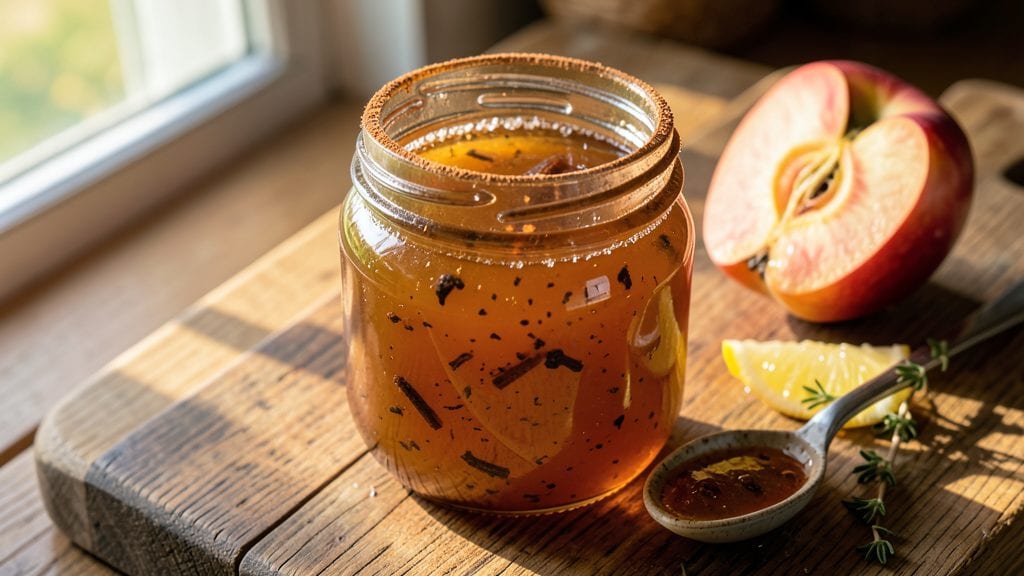
Grandma's old-fashioned crab apple jelly recipe brings a taste of autumn nostalgia to your kitchen with its warm spice notes and perfect set. This homemade preserve captures the bright tartness of crab apples while developing rich caramel undertones through slow cooking—just like my grandmother used to make.
The secret lies in proper pectin activation and precise boiling points, ensuring a jelly that's firm yet spreadable, with just the right hint of cinnamon and clove.
What makes this recipe truly special is its old-school authenticity, using no artificial thickeners or shortcuts. You'll start with fresh crab apples (or high-quality canned if fresh aren't available), then simmer the fruit with water and sugar until the pectin naturally releases.
The spices—cinnamon and clove—infuse subtly during this process, creating that familiar autumnal warmth without overpowering the apple's natural tang.
By the time you pour your finished jelly into sterilized jars, you'll have a preserve that's vibrant amber in color, with a texture that's neither too stiff nor too runny. The aroma alone will transport you to a cozy kitchen where jars of homemade jelly were always within reach.
This is the kind of preserve that tastes better with each passing day as the flavors meld together.
The best part? These jars will keep for months in your pantry, ready to elevate toast, pancakes, or even savory dishes like roasted pork. Whether you're preserving the harvest or creating gifts for loved ones, this recipe delivers professional-quality results with just a few simple ingredients and patience.
Let's get started making jelly the old-fashioned way.
Ingredients for grandma's old fashioned crab apple jelly
Eight simple ingredients transform tart crab apples into nostalgic, spice-kissed preserves.
| Ingredient | Amount | Notes |
|---|---|---|
| Crab Apples 🍎 | 4 cups | Fresh or canned, peeled and chopped |
| Granulated Sugar 🍚 | 4 cups | White sugar preferred for clarity |
| Water 💧 | 1 cup | Filtered or distilled preferred |
| Lemon Juice 🍋 | ¼ cup | Freshly squeezed for acidity |
| Ground Cinnamon 🌿 | 1 tsp | True cinnamon, not cassia |
| Ground Cloves 🌶️ | ½ tsp | Freshly ground for potency |
| Powdered Pectin 🍯 | ⅓ oz | Ball or Sure-Jell brand |
| Ball or Mason Jars 🍶 | 4 whole | 4-oz size for preserves |
Crab apples are the heart of this jelly, so pick firm, unbruised fruit—they should be tart, not mushy. Most grocery stores carry them in fall, but local orchards or farmers markets have the freshest. If using canned, check for no added sugar. For the sugar, Domino or C&H brands work perfectly—they dissolve smoothly. The pectin? Ball or Sure-Jell are reliable, but check the expiration date—old pectin won't set properly. I always buy extra cloves and grind them fresh in a coffee grinder (just a few seconds), because pre-ground loses its punch fast.
No fresh crab apples? Substitute tart green apples like Granny Smith, but you'll need to add an extra tablespoon of lemon juice to keep the pectin happy. Running low on cloves? Allspice works at double the amount, but it's not the same. The pectin is non-negotiable here—if you skip it, you'll end up with apple sauce. For the jars, Ball or Mason jars are essential. They handle heat well and seal properly. If you're short on time, pre-sterilized jars from the store work too—just follow the instructions on the box.
Once the jelly is set, it'll keep for up to 12 months in a cool, dark pantry. I like to label my jars with the year and date—it's a nice touch. If you're gifting, wrap the jars in twine and add a sprig of cinnamon stick for presentation. The jelly thickens as it sits, so if it seems too soft right after making, give it a few days. And trust me, the first time you spread this on warm toast with a pat of butter, you'll understand why grandma made it every fall.
Why You'll Love This Recipe
- No Chopping Hassle: I’ll be real—this jelly only needs a quick wash and core of those tart little crab apples. No peeling, no slicing, just drop them straight into the pot. Honestly, it’s the kind of recipe that makes me grab the bowl while chatting with my neighbor over the fence.
- Spiced-Sweet Magic: That cinnamon? It’s the secret weapon. The apples’ natural tartness mellows into something warm and complex, with just enough lemon juice to keep it bright. Spread it on toast or dollop it over yogurt—it’s the kind of flavor that lingers, making you reach for more without even thinking.
- Year-Round Giftable: Between us, this jelly makes the best hostess presents. Jar it up after canning, slap a ribbon on it, and suddenly you’ve got a pantry staple that’s actually useful. (Yes, even on a Tuesday night.) My cousin’s kids beg for it at Christmas—proof it’s a crowd-pleaser.
- Frugal Pantry Power: Crab apples grow wild in many backyards, and if not, they’re cheap at farmers’ markets. Sugar and spices? Basic staples. The leftovers? Last me weeks in the fridge, slathered on everything from pancakes to cheese plates. It’s the kind of recipe that turns scraps into something special without breaking the bank.
Step-by-step instructions for Grandma's old fashioned crab apple jelly
Let's make this homemade spice-infused jelly just like Grandma did—rich, fragrant, and perfect for gifting.
Prepare the Crab Apples
Begin by washing the 4 cups of crab apples thoroughly under cool water to remove any dirt or debris. If using fresh apples, peel them with a vegetable peeler or sharp knife, removing the skin completely. Chop the peeled apples into small, even pieces—about ¼-inch chunks work best. For canned apples, drain them completely and chop if necessary to match the size.
Place the chopped apples in a large, heavy-bottomed pot. Add the 1 cup of water and bring the mixture to a boil over medium-high heat. Once boiling, reduce the heat to medium-low and let it simmer uncovered for 15-20 minutes. You'll know it's ready when the apples break down into a thick, pulpy consistency—almost like applesauce. Stir occasionally to prevent sticking, and taste a spoonful to ensure the flavor is developing nicely.
Strain and Add Spices
Line a fine-mesh strainer with cheesecloth or a clean kitchen towel, and place it over a large bowl. Pour the cooked apple mixture through the strainer, pressing gently with a wooden spoon to extract as much liquid as possible. Discard the solids—they’ve done their job! You should have about 3-4 cups of clear, golden apple juice. If it’s less than 3 cups, add a splash of water to reach the 3-cup mark.
Return the strained juice to the pot and add the 0.25 cup of lemon juice, 1 teaspoon of ground cinnamon, and 0.5 teaspoon of ground cloves. Stir well to combine, then bring the mixture to a full rolling boil over high heat. Once boiling, let it cook for exactly 5 minutes, stirring occasionally. This step intensifies the flavors and prepares the jelly for the pectin. The spices will infuse the jelly with a warm, aromatic depth that’s unmistakably Grandma’s touch.
Incorporate Sugar and Pectin
While the juice is still boiling, remove the pot from the heat and let it cool slightly for 2-3 minutes—just until it’s no longer scorching hot to the touch. Sprinkle the 0.33 ounce of powdered pectin evenly over the surface of the juice, then gradually whisk in the 4 cups of granulated sugar. The sugar will dissolve quickly, and the mixture will thicken noticeably as it cools. Return the pot to the stove and bring it back to a full rolling boil, stirring constantly with a wooden spoon.
Once boiling again, let it cook for exactly 1 minute. The jelly will thicken dramatically during this time—it should coat the back of a metal spoon in a thick, glossy layer that doesn’t drip off immediately. If it thickens too quickly, reduce the heat slightly to prevent scorching. This is the moment that matters: the pectin and sugar work together to create that perfect, wobbly set.
Test and Jar the Jelly
Remove the pot from the heat and carefully transfer the jelly to a clean bowl or pitcher. Let it cool for 5 minutes, then test its readiness by placing a small spoonful on a chilled plate. Refrigerate the plate for 5 minutes, then try to push the jelly with your finger. If it wrinkles slightly when pushed and holds its shape, it’s ready. If it’s too runny, return the jelly to the stove and boil for another 1-2 minutes, then retest.
Once the jelly passes the test, ladle it into the 4 sterilized Ball or Mason jars, filling each to within ¼-inch of the rim. Seal the jars tightly with lids and rings. Let the jars cool completely at room temperature, then refrigerate for 24 hours before storing in a cool, dark place. This resting period ensures the jelly sets properly and lasts for months. The final product should be a vibrant amber color with a rich, spiced apple aroma that fills your kitchen.
Pro Tips For Making Grandma'S Old Fashioned Crab Apple Jelly
- Boil Slow and Steady: That first hour of cooking? Don’t rush it. A gentle simmer at 180°F (77°C) breaks down the apples evenly—no scorching, no cloudy jelly. I learned this the hard way after one batch turned into glue-like sludge because I cranked the heat too high.
- Core and Quarter Apples: Skip the peeling—it’s unnecessary. But do core them and cut into quarters to speed up cooking. Whole apples take forever, and you’ll end up with uneven texture. A sharp knife and a steady hand save time here.
- Measure Sugar Precisely: Granulated sugar isn’t all created equal. Pack it lightly into your measuring cup—don’t scoop and shake. Too much sugar and your jelly sets like rock; too little and it stays runny. A kitchen scale solves this forever.
- Strain Hot, Not Cold: Let the cooked mixture sit for 2 minutes off the heat before straining—this keeps the pectin intact. Cold jelly? It’ll clog your strainer and taste dull. A fine-mesh sieve lined with cheesecloth works best, but even a dampened coffee filter in a pinch does the trick.
Regional styles of grandma's old fashioned crab apple jelly
New England Tradition
In New England, crab apple jelly is a staple of autumn harvests, often made with wild crab apples foraged from orchards. The region's cooler climate yields tart, small crab apples perfect for jelly-making, and families pass down recipes through generations.
I remember my grandmother in Vermont always using wild crab apples straight from the trees, simmering them with cinnamon and clove for that classic Yankee spice blend. The jelly was thicker here—almost like a jam—because of the higher pectin content in wild varieties. 🍎
Southern Appalachian Style
Down in the Appalachian Mountains, crab apple jelly takes on a sweeter profile, often infused with black walnut hulls for a deeper, earthy flavor. The mountains' rich soil produces crab apples with natural sweetness, requiring slightly less sugar in the recipe.
I've seen local cooks add a pinch of cayenne for subtle heat, balancing the apple's tartness. The jelly here is usually poured into smaller, wide-mouth jars to make gifting easier—perfect for swapping at community potlucks. 🌶️
Midwest Homestead Favorite
In the heartland, crab apple jelly is a pantry staple for homesteaders, often made in large batches to last through winter. The Midwest's flatlands produce abundant crab apples, and families would gather at orchards to pick enough for multiple jars.
I recall my great-aunt in Iowa always adding a dash of vanilla extract to complement the spices, creating a cozier flavor profile. The jelly here tends to be lighter in color due to the region's different apple varieties, but just as flavorful. 🌾
Pacific Northwest Twist
Out west, where crab apples grow wild in abundance, jelly-makers often incorporate local huckleberries or blackberries for a fruity twist. The Pacific Northwest's damp climate keeps crab apples juicier, so the jelly here has a brighter, more vibrant set.
I've tried versions with a splash of port wine for depth, inspired by British Columbia's fruit-growing traditions. The jelly is typically served with freshly baked scones or cheddar cheese—a perfect pairing for the region's rainy days. 🍇
Urban Adaptations
In cities like New York and Chicago, modern twists on crab apple jelly use store-bought crab apples or even substitute with Granny Smith apples when fresh fruit isn't available. The urban approach often includes balsamic vinegar for tang or a touch of ginger for zing.
I've seen food trucks serve it as a glaze for pork chops, proving its versatility beyond breakfast toast. The key here is adapting traditions to fit the hustle of city life without losing the old-fashioned charm. 🏙️
Nutrition facts
Frequently asked questions
Why does my crab apple jelly turn out runny?
The most common reason is undercooking or insufficient pectin. Make sure you boil the jelly for the full 1 minute after adding sugar and pectin, then test it properly by chilling a spoonful. If it still doesn't set, try adding 1 teaspoon more pectin and boiling for another 1-2 minutes. Also, ensure your apples are fully cooked and strained properly to remove all solids.
Can I use regular apples instead of crab apples?
Yes, but you'll need to adjust the recipe slightly. Use Granny Smith apples for tartness and add an extra 1 tablespoon of lemon juice to compensate for lower natural acidity. You may also need to add ½ teaspoon more pectin since regular apples have less natural thickening power. The flavor will be similar but slightly milder than true crab apple jelly.
How do I know when my jelly is done?
The jelly is ready when it reaches the gel point: place a small spoonful on a chilled plate and refrigerate for 5 minutes. When you push it with your finger, it should wrinkle slightly and hold its shape. If it slides off or feels too soft, return it to the stove and boil for another 1-2 minutes, then retest. This simple test ensures perfect texture every time!
What's the best way to store homemade jelly?
Once sealed, store your jelly in a cool, dark pantry where it'll keep for up to 12 months. For best flavor, let it rest for 24 hours before eating—this allows the spices to fully infuse. If you notice mold or an off smell, discard it immediately. For gifting, wrap jars in twine with a cinnamon stick tied around the neck for a rustic touch!
Can I make this jelly without pectin?
Technically yes, but it will turn out more like applesauce than jelly. Without pectin, you'll need to use extra lemon juice (3 tablespoons) and cook the mixture much longer (up to 2 hours) to achieve any set. The texture will be softer and less stable. For true jelly, pectin is essential—it's what creates that perfect wobbly consistency we all love!