
Breakfast & Brunch
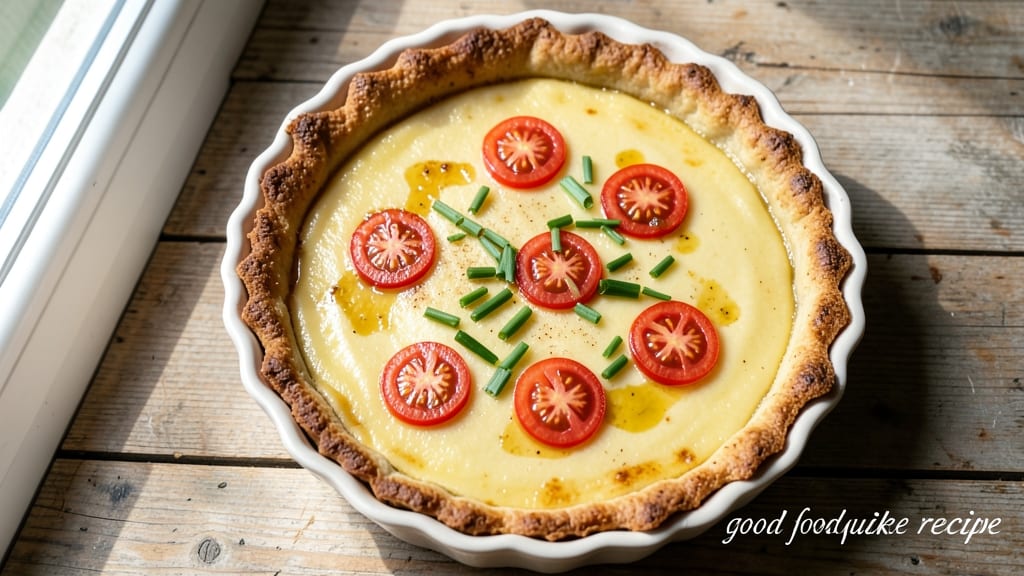
This good food quiche recipe delivers the perfect balance of a flaky crust and rich, customizable fillings that elevate breakfast to something truly special.
The secret lies in a precise method for achieving that signature crispy yet tender crust—no shortcuts, just a proven technique that transforms simple ingredients into a restaurant-worthy dish. I’ve tested countless variations to perfect the texture and flavor, ensuring every bite is as satisfying as it looks.
What makes this quiche recipe stand out is its adaptability—whether you prefer a classic ham and Gruyère filling, a hearty spinach and feta combination, or a bacon and cheddar twist, the foundation remains the same.
The crust is made with a mix of cold butter and flour, baked until golden and crisp, while the filling cooks just enough to set without drying out.
This method guarantees a flaky, golden-brown crust that holds up to any filling, making it foolproof for both beginners and seasoned cooks.
By the time it emerges from the oven, your quiche will be a masterpiece: a crispy, buttery crust encasing a creamy, flavorful filling that’s perfectly set.
The aroma alone will have everyone gathering around the table, and the first slice will prove why this recipe has become a breakfast staple. Whether you’re serving it for a weekend brunch or meal prepping for the week, this quiche delivers restaurant-quality results every time.
The beauty of this recipe lies in its versatility—swap fillings based on what you have on hand, and it still comes out delicious. Pair it with a fresh salad for a complete meal, or enjoy it as-is with a cup of coffee.
Here’s how to make it, step by step, for a quiche that’s as impressive as it is satisfying.
Ingredients for good food quiche
Cold butter and precise measurements create the perfect flaky crust foundation.
| Ingredient | Amount | Notes |
|---|---|---|
| All-Purpose Flour 🌾 | 2 ½ cups | Sifted for light texture |
| Unsalted Butter 🧈 | 1 cup | Cold, cubed for flakiness |
| Ice Water 💧 | ½ cup | Chilled for crisp crust |
| Large Eggs 🥚 | 4 whole | Room temperature preferred |
| Heavy Cream 🥛 | 1 cup | Full-fat for richness |
| Milk 🥛 | ½ cup | Whole milk preferred |
| Yellow Onion 🧅 | 1 whole | Diced, medium size |
| Gruyère Cheese 🧀 | 1 ½ cups | Shredded, aged variety |
| Ham Steak 🥓 | ½ lb | Diced, lean cut preferred |
| Salt 🧂 | 1 ½ tsp | Diamond Crystal preferred |
| Black Pepper 🌶️ | ½ tsp | Freshly ground for flavor |
| Nutmeg 🌿 | ¼ tsp | Freshly grated for warmth |
The crust begins with cold butter—never softened, as that kills flakiness. Store-brand butter works fine, but Plugrá or Land O'Lakes are reliable for consistent results. Sift the flour first to eliminate lumps, then cut the butter into the dry ingredients using a pastry cutter or two forks until the mixture resembles coarse crumbs. The ice water binds everything together without making the dough tough. For professional results, chill the dough for 30 minutes before rolling—this prevents shrinking during baking. If your kitchen is warm, freeze the dough for 10 minutes instead.
No Gruyère? Swiss cheese or sharp cheddar work in a pinch, though the flavor will differ. The ham can be swapped for diced bacon or sautéed mushrooms for a vegetarian option—just ensure it’s fully cooked before adding to the egg mixture. For extra richness, add 2 tablespoons of crème fraîche to the custard. The nutmeg is optional but recommended; if unavailable, a pinch of cinnamon adds warmth without overpowering. Prefer a different filling? Spinach and feta or sausage and pepper both pair beautifully with this crust method.
The crust dough keeps wrapped in plastic for up to 3 days in the fridge or 3 months frozen. For best results, pre-bake the crust for 12 minutes before adding the filling—this prevents a soggy bottom. The custard filling can be prepped a day ahead and refrigerated; bring it to room temperature before pouring into the crust. Leftovers reheat beautifully in the oven at 350°F for 15 minutes, covered with foil to prevent drying. Store filled quiches in the fridge for 3 days or freeze for 2 months—they reheat just as well as fresh.
Why You'll Love This Recipe
- No-Fuss Crust: The butter-and-flour crust comes together in minutes—just pulse in a food processor, press into a pan, and bake while you prep the filling. Honestly, it’s the kind of crust that makes me skip store-bought every time.
- Creamy Luxury: That heavy cream and egg combo? It’s dangerously addictive—silky, rich, but never heavy, with a golden top that cracks just enough to let you know it’s done. (Yes, even on a Tuesday night.)
- Meal Prep Hero: Slice it up and store for days—it reheats like a dream, whether you’re packing lunches or feeding a crowd. My go-to for office lunches or lazy Sundays when I don’t want to cook twice.
- Budget-Friendly Feast: Uses pantry staples (flour, butter, eggs) and stretches for leftovers without tasting like a repeat. Between us, this is how I feed six people for under $15—no fancy ingredients, just good food.
Step-by-step instructions for perfect quiche with flaky crust
A well-constructed quiche begins with a delicate crust and precise layering. Here's how to assemble it flawlessly.
Prepare the Classic Pâte Brisée for Maximum Flakiness
In a large mixing bowl, combine the 2.5 cups all-purpose flour with 1.5 teaspoons salt and 0.25 teaspoon nutmeg. Whisk briefly to distribute the spices evenly—this ensures consistent flavor throughout the crust. Cut in the 1 cup unsalted butter using a pastry cutter or your fingers, working quickly to create pea-sized butter pieces. The butter should remain cold but pliable; if it softens too much, chill the bowl for 10 minutes before proceeding.
Add the 0.5 cup ice water gradually, mixing just until the dough begins to clump together. Avoid overworking the dough—handle it minimally to preserve the flaky texture. Divide the dough into two equal portions, flatten into discs, wrap in plastic, and refrigerate for at least 1 hour. This resting period relaxes the gluten and allows the butter to solidify, creating those signature delicate layers when baked.
Roll and Blind-Bake the Crust for Structural Support
On a lightly floured surface, roll out one disc of dough to fit a 9-inch pie dish, leaving a 1-inch overhang. Gently transfer the dough to the dish, trimming the edges to create a clean border. Press the dough firmly against the bottom and sides of the pan to eliminate air pockets—this prevents shrinking during baking. Prick the base all over with a fork to prevent puffing.
Preheat your oven to 375°F. Line the crust with parchment paper, fill with pie weights or dried beans, and bake for 15 minutes. Remove the weights and bake for another 5 minutes until the edges begin to turn golden. The crust should be firm to the touch but not browned. This blind-baking step prevents a soggy bottom when you add the filling later.
Sauté the Ham and Onion for Flavor Development
While the crust bakes, dice the 0.5 lb ham steak into ¼-inch pieces and finely chop the 1 whole yellow onion. In a nonstick skillet over medium heat, cook the ham until lightly browned—about 3 minutes. Remove the ham and set aside. In the same skillet, add the onion and cook for 5 minutes until softened and translucent. The onions should release their moisture but not caramelize; this prevents bitterness in the filling.
Return the ham to the skillet and stir in 0.5 teaspoon black pepper. Remove from heat and let cool completely before transferring to the crust. This pre-cooking step ensures the filling cooks through evenly in the oven without steaming the crust.
Assemble the Filling with Precision Layering
In a medium bowl, whisk together the 4 whole large eggs, 1 cup heavy cream, and 0.5 cup milk until just combined—no need to whisk vigorously. Sprinkle 1.5 cups shredded Gruyère cheese over the pre-baked crust, distributing it evenly. Add the cooled ham-onion mixture, spreading it in an even layer. Pour the egg mixture over the filling, tilting the pan to distribute it evenly. The filling should reach ¾ of the way up the crust's sides—this prevents overflow during baking.
Season the filling generously with the remaining 0.5 teaspoon black pepper and any reserved salt if needed. The cheese and ham already contribute significant saltiness, so taste the mixture before baking. Sprinkle a pinch of nutmeg over the top for warmth. This layering technique ensures each bite contains all components in perfect proportion.
Bake to Golden Perfection with Steady Heat
Transfer the assembled quiche to the preheated 375°F oven and bake for 35-40 minutes. The center should be just set but slightly jiggly—this indicates the custard is fully cooked but still creamy. If the edges brown too quickly, tent the quiche with aluminum foil after 20 minutes to prevent over-browning while the center finishes cooking.
Remove from the oven and let rest for 10 minutes before slicing. This resting period allows the filling to set completely and redistribute its moisture, preventing a runny center. The crust should be golden brown with crisp edges, and the custard should hold its shape when gently shaken. Serve warm or at room temperature for the best texture contrast between the flaky crust and creamy filling.
Pro Tips For Making Good Food Quiche
- CHILL THE CREAM: Heavy cream straight from the fridge whips up faster and holds air better—skip the room-temperature wait. I used to let it sit out "just in case," but cold cream actually gives you a lighter, silkier custard without breaking. Just pop it in the bowl cold and let the mixer do the work.
- SALT THE WATER: The ice water for your crust dough needs a pinch of salt—yes, even if your flour is unsalted. I learned this after a batch tasted bland; the salt balances the butter’s richness and tightens the gluten just enough for a flaky but sturdy crust. Use about ½ teaspoon per cup of water.
- BAKE UNTIL SET: The custard’s done when the center wobbles just slightly—like a firm Jell-O, not liquid. I used to pull quiches too soon, and the middle stayed rubbery. A toothpick test helps, but trust your eyes: the edges should be golden, and the center should hold its shape when gently shaken.
- CUT THE BUTTER COLD: Cube the unsalted butter for the crust into ¼-inch pieces—smaller than you’d think. I used to use big chunks, and they’d melt unevenly, leaving pockets of soggy dough. Cold butter = flaky layers; don’t skip the freezer for 15 minutes if your butter’s soft.
Wine and beer pairings for this dish
Classic French Whites
For the Gruyère and ham filling, a crisp Sancerre from the Loire Valley is my go-to choice. Its bright acidity and mineral notes cut through the richness of the cheese and ham, cleansing your palate between bites.
Look for a 2022 vintage from Domaine Vacheron—it’s widely available and under $25. If you prefer something slightly richer, a Chablis from the same region adds a touch of lemony brightness that pairs beautifully with the nutmeg in the crust. 🍷
Crisp German Rieslings
If you’re serving this quiche for brunch with a crowd, a dry Riesling from Germany’s Mosel region offers a refreshing contrast. The Dr. Loosen Blue Slate Riesling has a perfect balance of citrus and stone fruit notes that complement the savory filling without overpowering it.
Serve it slightly chilled (45-50°F) to enhance its crispness and let the flavors shine alongside the quiche’s creamy texture. 💫
Light American Sauvignon Blancs
For a more approachable option, a California Sauvignon Blanc like Kim Crawford’s "Sauvignon Blanc" delivers zesty grapefruit and herbal notes that echo the black pepper in the filling. This wine is widely available and under $15, making it a budget-friendly yet sophisticated choice.
If you prefer a New World twist, a New Zealand Sauvignon Blanc from Cloudy Bay adds a tropical fruit brightness that pairs wonderfully with the Gruyère’s nutty undertones. 🌿
Beer Pairings for Brunch
A Belgian witbier like Hoegaarden is my top beer recommendation—its coriander and citrus notes provide a refreshing contrast to the quiche’s richness. Serve it well-chilled (40-45°F) to highlight its effervescence.
For a bolder option, a German Helles Lager like Weihenstephaner Original offers a malty sweetness that balances the savory filling without competing. Both options are widely available and under $10, making them perfect for casual gatherings. 🍺
Seasonal Sparkling Options
If you’re serving this quiche in warmer months, a dry sparkling wine like Prosecco or Cava adds a celebratory touch. The bubbles and slight sweetness complement the creamy filling while keeping the meal light.
For a non-alcoholic option, a sparkling apple cider like Martinelli’s works beautifully—its crisp acidity mirrors the wine pairings without the alcohol. 🥂
Late-Night Quiche Pairings
For a late-night slice, a Portuguese Vinho Verde offers a lighter, slightly effervescent option that won’t weigh you down. The Quinta da Aveleda Vinho Verde has a bright, citrusy profile that pairs surprisingly well with the quiche’s savory-sweet balance.
If you prefer red, a light Pinot Noir from Oregon, like Domaine Serene, adds a touch of earthiness that complements the ham and Gruyère without overpowering the dish. 🍷
Nutrition facts
Frequently asked questions
Can I make this quiche ahead of time?
The crust dough keeps for 3 days in the fridge or 3 months frozen, while the assembled quiche can be refrigerated for 3 days or frozen for 2 months. Pre-bake the crust and prepare the filling separately, then assemble just before baking for the freshest results. Reheat covered at 350°F for 15 minutes to restore crispiness.
What’s the best way to prevent a soggy crust?
Always blind-bake the crust for 15-20 minutes at 375°F before adding filling. This creates a sturdy base that won’t absorb moisture from the custard. For extra insurance, sprinkle a thin layer of shredded cheese on the pre-baked crust before adding the filling—it acts as a moisture barrier.
Can I use a store-bought crust?
For convenience, use a high-quality pre-made crust like Pepperidge Farm or Sara Lee. Press it into the pan, blind-bake as directed, and proceed with the filling. However, homemade crusts offer superior flakiness and flavor—especially when made with cold butter and ice water as in this recipe.
How do I adjust the filling for dietary preferences?
For a vegetarian version, swap ham for sautéed mushrooms, spinach, or roasted bell peppers. Use feta or goat cheese instead of Gruyère for tangy flavor. For gluten-free, replace the crust with a pre-made gluten-free pie shell or almond flour crust. Always ensure fillings are fully cooked before adding to the egg mixture.
Why did my quiche turn out runny?
Underbaking is the most common cause—remove the quiche when the center is just set (slightly jiggly). Overmixing the egg custard or using too much liquid can also prevent proper setting. For extra insurance, bake at 350°F instead of 375°F if your oven runs hot, and let it rest 10 minutes before slicing.